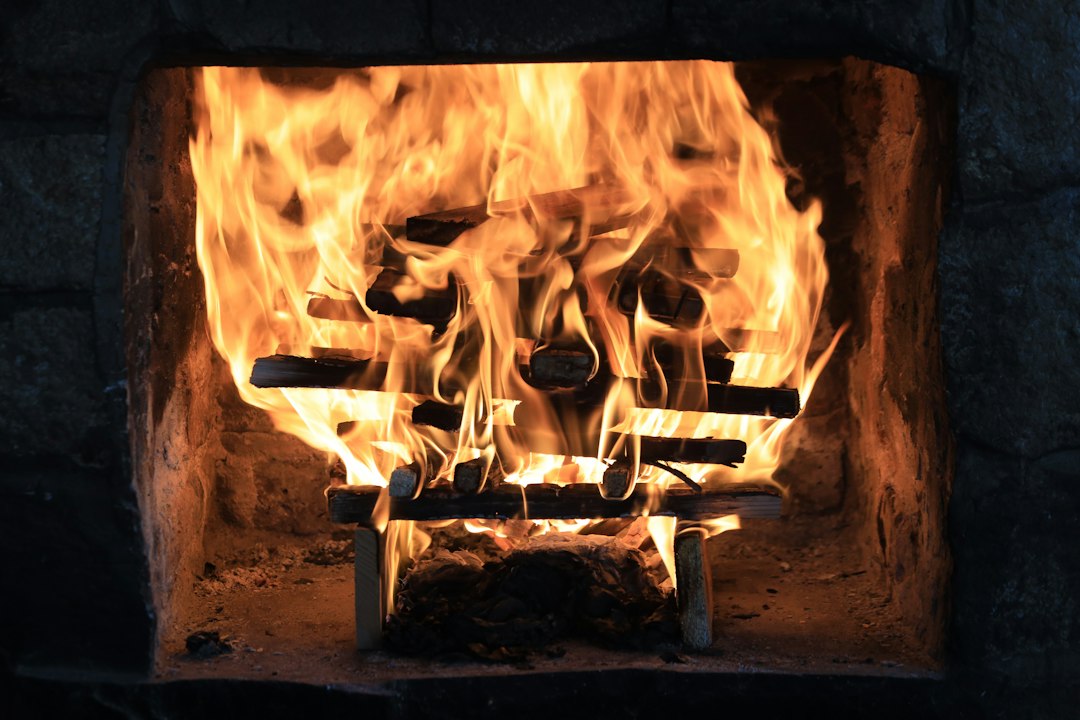
The flickering light cast dancing shadows on the rough-hewn walls, a primal beacon in the encroaching darkness. Around this humble heart of a prehistoric dwelling, a negotiation of space, both practical and profound, was constantly underway. This small hearth, often no larger than a flung shield, was the epicenter of life, a crucible where survival, social interaction, and the very essence of community were forged. The challenges and insights gleaned from observing the dynamics surrounding such a confined yet vital resource offer a remarkable window into the early human experience.
The Hearth as a Nexus of Survival
The immediate and most pressing concern for any prehistoric group clustered around a fire was survival. This was not merely a matter of comfort; it was a matter of life and death, especially during the long, cold nights or in environments where predators lurked. The hearth, therefore, represented a focal point for essential activities that directly contributed to the group’s well-being.
Fueling the Flames: Resource Management and Distribution
The act of maintaining the fire itself necessitated a complex, albeit often implicit, negotiation. Gathering fuel was a communal effort, with individuals or designated parties venturing out to collect wood, dried dung, or other combustible materials. The scarcity or abundance of fuel directly impacted the size and duration of the fire, and consequently, the comfort and safety of the group. Those responsible for fuel acquisition held a subtle but significant power, and their contributions were often acknowledged through preferential seating or access to the warmest spots. The distribution of fuel also played a crucial role. A larger, more robust fire could provide more warmth and light, but it also consumed more fuel. Decisions about how much fuel to expend were likely driven by immediate needs versus the desire to conserve for future use. This required foresight and an understanding of the group’s immediate and projected resource availability. The success of a hunt, for instance, might lead to a decision to burn more fuel to celebrate and cook the spoils, while a lean period would necessitate a more parsimonious approach.
Protection and Sustenance: The Fire’s Multifaceted Role
Beyond warmth, the hearth served as a deterrent against nocturnal predators. The crackling flames and the visible presence of humans dissuaded animals from approaching the dwelling. This protective function meant that the area closest to the fire was often the most secure, and therefore highly coveted. Cooking was another paramount activity centered around the fire. The ability to transform raw food into more palatable and digestible forms, and to sterilize water, was a revolutionary step in human development. The preparation of meals was a shared endeavor, with tasks divided amongst group members. Certain individuals might specialize in tending the cooking pots, while others prepared the food. The spatial arrangement around the fire was therefore dictated by the practicalities of cooking, with proximity to the heat and access to cooking implements being key considerations. The shared experience of preparing and consuming food around the hearth fostered a sense of unity and interdependence, reinforcing social bonds.
Negotiating space around a small prehistoric hearth fire is a fascinating topic that sheds light on the social dynamics of early human communities. The careful arrangement of individuals around the fire not only facilitated warmth and cooking but also played a crucial role in fostering communication and bonding among group members. For a deeper understanding of ancient engineering and the complexities of prehistoric societies, you might find the article on Puma Punku insightful. It explores the mysteries of precise cuts in stonework, which can provide context for the technological advancements of early humans and their communal practices. You can read more about it here: Puma Punku: The Mystery of Precise Cuts.
Social Dynamics and Spatial Arrangement
The limited space around a prehistoric hearth was not just a physical constraint; it was a stage upon which social hierarchies, relationships, and group norms were enacted. The way individuals positioned themselves relative to the fire and to each other revealed a complex web of social understanding.
Proximity to Power: Seating Hierarchies
The most desirable positions were undoubtedly those closest to the fire, offering the greatest warmth and light. It is highly probable that these positions were occupied by individuals of higher status within the group. This could be based on age, experience, leadership qualities, hunting prowess, or reproductive success. The elders, the most skilled hunters, or the primary caregivers of infants likely held these prime spots. Those in less influential positions would naturally occupy the periphery, gradually moving closer as space became available or as their need for warmth superseded other considerations. This spatial arrangement served as a constant, visible reminder of the group’s social structure, reinforcing the established order without the need for explicit verbal pronouncements. The subtle shifts in seating, the deference shown to those closer to the flames, all contributed to the maintenance of social equilibrium.
Communal Activities and Individual Needs
While the hearth was a focal point for communal activities like storytelling, sharing news, and planning for the next day, it also had to accommodate individual needs. The need for sleep, for instance, meant that individuals would find comfortable spots to rest, often leaning against walls or huddling together for warmth. The presence of infants and young children further influenced the spatial arrangement. Mothers would likely position themselves to have easy access to their offspring, ensuring their safety and comfort, and often maintaining close proximity to the fire for warmth and protection. The elderly, who may have had reduced mobility or less tolerance for the cold, would also seek out the warmest and most accessible locations. The negotiation of space, therefore, was a delicate balance between the collective needs of the group and the individual requirements of its members. It involved constant, subtle adjustments, a silent dialogue of physical presence and social acknowledgement.
Communication and the Transmission of Knowledge
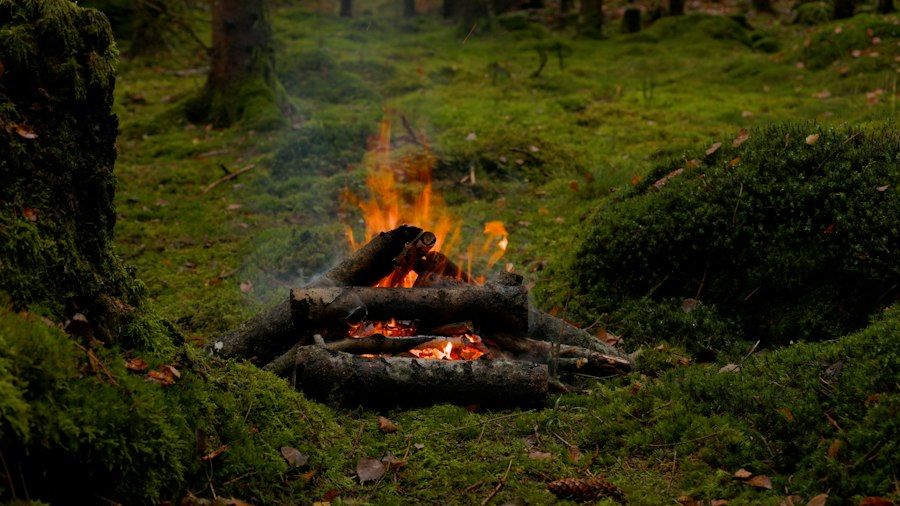
The hearth was not merely a source of physical comfort; it was also a vibrant center for communication and the transmission of knowledge, essential for the survival and cultural development of prehistoric societies.
The Oral Tradition: Stories, Songs, and Legends
In the absence of written language, the spoken word was the primary means of preserving and passing down information. The warmth and security of the hearth created an ideal environment for storytelling, the recounting of hunts, the sharing of ancestral knowledge, and the singing of songs. These narratives were not just entertainment; they were vital educational tools, imparting lessons about the natural world, survival techniques, social customs, and the group’s history. The spatial arrangement around the fire likely facilitated this transmission, with individuals facing inwards, their attention focused on the storyteller. The firelight, while limited, would have illuminated the faces of those present, enhancing the sense of shared experience and reinforcing the impact of the spoken word. The rhythm of the fire, the crackling flames, may have even served as an unobtrusive accompaniment to the narratives, adding to the atmosphere and memorability of the tales.
Practical Demonstrations and Skill Transfer
Beyond oral traditions, the hearth was also a locus for practical learning. Skills such as flint-knapping, tool making, food preparation, and the tending of the fire itself were often taught through direct observation and hands-on demonstration. Younger members of the group would watch and learn from their elders, their spatial positioning allowing them to see clearly the techniques being employed. The close proximity to the fire meant that materials could be easily heated or manipulated, facilitating certain crafting processes. The act of sharing knowledge around the hearth was a fundamental aspect of social cohesion and cultural continuity. It ensured that essential skills were passed down through generations, contributing to the group’s long-term survival and adaptation. The space around the fire thus became a living classroom, a dynamic environment where wisdom was exchanged and life skills were honed.
Challenges and Limitations of the Hearth Space
Despite its crucial role, the limited spatial dimensions of a prehistoric hearth presented significant challenges that required constant adaptation and negotiation.
Overcrowding and Comfort
The most obvious challenge was overcrowding. A small dwelling with a large group of people attempting to gather around a limited fire source would inevitably lead to discomfort. Individuals would be in close physical proximity, with limited personal space. This could lead to friction, both physically and socially. The need for ventilation, to avoid smoke inhalation, also played a role. Too many people crowded around a small fire could quickly fill the dwelling with smoke, making it unbearable. This would necessitate either reducing the number of people near the fire or finding ways to manage the smoke, perhaps through rudimentary ventilation shafts or by strategically positioning individuals to allow for airflow. The negotiation of space was therefore not just about access to warmth but also about basic physical comfort and health.
Conflict and Resource Competition
The scarcity of prime positions around the fire could also be a source of conflict. Disputes over seating, access to cooking implements, or even the right to control the fuel supply could arise. In such circumstances, the social hierarchy and established norms would be tested. The ability of the group to resolve these conflicts peacefully, perhaps through the intervention of elders or established dispute resolution mechanisms, was crucial for maintaining internal harmony. Competition for the limited resources – warmth, light, space – would have been a constant undercurrent in the dynamics of the hearth. The success of the group in managing these competitive pressures speaks volumes about their social intelligence and their ability to establish and enforce rules, however unwritten.
Maintaining Hygiene and Sanitation
The close proximity of humans and animals (if domesticated) around a single hearth also presented significant hygiene challenges. Waste disposal, the presence of insects, and the transmission of diseases were all potential issues. While definitive evidence is scarce, it is likely that prehistoric groups developed strategies to manage these challenges, perhaps by designating specific areas for waste disposal away from the living space and the hearth, or by regularly cleaning the dwelling. The limited space would have made effective sanitation difficult, and the constant presence of the fire might have been partially relied upon to kill some bacteria and deter pests. However, the inherent limitations of the space would have made it a perpetual challenge to maintain a truly hygienic environment.
In exploring the dynamics of communal living in prehistoric times, one fascinating aspect is the negotiation of space around a small hearth fire, which served as both a source of warmth and a focal point for social interaction. The delicate balance of personal space and communal gathering highlights the importance of cooperation and understanding among early humans. For a deeper insight into how such social structures can influence modern societies, you might find it interesting to read about the challenges and opportunities facing Tuvalu in this related article on future societal dynamics. You can access it here: Tuvalu’s Future Challenges and Opportunities Ahead.
Evolution of Hearth Use and Spatial Negotiation
| Metric | Description | Typical Value | Unit |
|---|---|---|---|
| Hearth Diameter | Average size of the prehistoric hearth fire pit | 0.5 – 1.2 | meters |
| Safe Distance | Recommended minimum distance to avoid burns or accidents | 1.0 – 1.5 | meters |
| Number of Occupants | Typical number of people gathered around the hearth | 4 – 8 | persons |
| Heat Radius | Effective radius where heat is felt comfortably | 1.5 – 2.0 | meters |
| Smoke Dispersion Distance | Distance at which smoke concentration decreases significantly | 3 – 5 | meters |
| Seating Arrangement | Common spatial layout around the hearth | Circle or semi-circle | n/a |
| Firewood Storage Distance | Distance from hearth to stored firewood for safety | 2 – 3 | meters |
Over vast stretches of time, the way humans interacted with hearths and negotiated the space around them evolved significantly, reflecting advancements in technology, social organization, and cultural practices.
From Open Fires to Structured Hearths
The earliest hearths were likely simple open areas where fires were built. Over time, these became more structured, with the addition of stones to contain the fire and create a more defined space. Later, the construction of hearths within dwellings, often with chimneys or ventilation shafts, represented a major step in managing smoke and improving comfort. The evolution of cooking technology, from rudimentary roasting to the development of pottery for boiling and stewing, also influenced the spatial arrangement. Dedicated areas for different cooking activities might have emerged within or immediately adjacent to the hearth space.
The Hearth in Broader Settlement Patterns
As settlements grew and became more permanent, the role of the hearth also changed. In larger villages or communities, a central fire might have served a communal purpose, while individual dwellings had their own smaller hearths. This shift would have altered the dynamics of negotiation, with different levels of privacy and communal interaction. The development of specialized workshops or communal cooking areas would have further diversified the use of fire and the negotiation of space associated with it. The hearth, initially a solitary beacon of survival, gradually integrated into a more complex tapestry of social and economic life, its spatial demands and social significance adapting to the changing needs of human communities. The constant thread, however, remained the fundamental human need for warmth, light, sustenance, and social connection, all profoundly shaped by the intimate dance around the prehistoric hearth.

➡️Life 20,000 Years Ago | When Strangers Claim Your Winter Shelter 🚨
FAQs
What is a prehistoric hearth fire?
A prehistoric hearth fire refers to a controlled fire used by early humans for various purposes, including cooking, warmth, and protection. These fires were typically constructed in a designated area, often surrounded by stones or other materials to contain the flames and heat.
Why is negotiating space around a small hearth fire important?
Negotiating space around a small hearth fire is crucial for safety and efficiency. Proper spacing ensures that individuals can gather around the fire without risk of burns or accidents, while also allowing for adequate airflow and heat distribution. It also facilitates social interaction and communal activities, which were vital in prehistoric societies.
What factors influence the layout around a small hearth fire?
Several factors influence the layout around a small hearth fire, including the size of the fire, the number of people present, the available materials for seating or protection, and environmental conditions such as wind direction. Additionally, cultural practices and social dynamics may dictate how space is organized around the hearth.
How did prehistoric people manage smoke from the hearth fire?
Prehistoric people managed smoke from the hearth fire by positioning the fire in a way that allowed for proper ventilation. They often built the hearth in open areas or near natural windbreaks to direct smoke away from where people gathered. Additionally, they may have used materials that produced less smoke or constructed chimneys or flues in more permanent settlements.
What archaeological evidence supports the study of prehistoric hearth fires?
Archaeological evidence supporting the study of prehistoric hearth fires includes the discovery of charred remains, ash deposits, and fire-cracked rocks at excavation sites. These findings help researchers understand the size, frequency, and use of hearth fires, as well as the social and cultural practices of the people who utilized them.