The chilling grip of night has been a formidable adversary to life since its inception. For early humans, navigating the darkness meant confronting a primal enemy: the cold. Without the controlled environments we take for granted today, survival hinged on a deep understanding of their surroundings and the ingenious development of methods to combat the relentless drop in temperature. Their strategies, though seemingly basic by modern standards, were remarkably effective and laid the groundwork for human civilization’s ability to spread across diverse and often unforgiving climates. The story of how early humans stayed warm at night is a testament to their resilience, ingenuity, and the vital role of fire, animal hides, and rudimentary shelters in their enduring quest for warmth and safety.
The Genesis of the Hearth: Mastering the Art of Fire
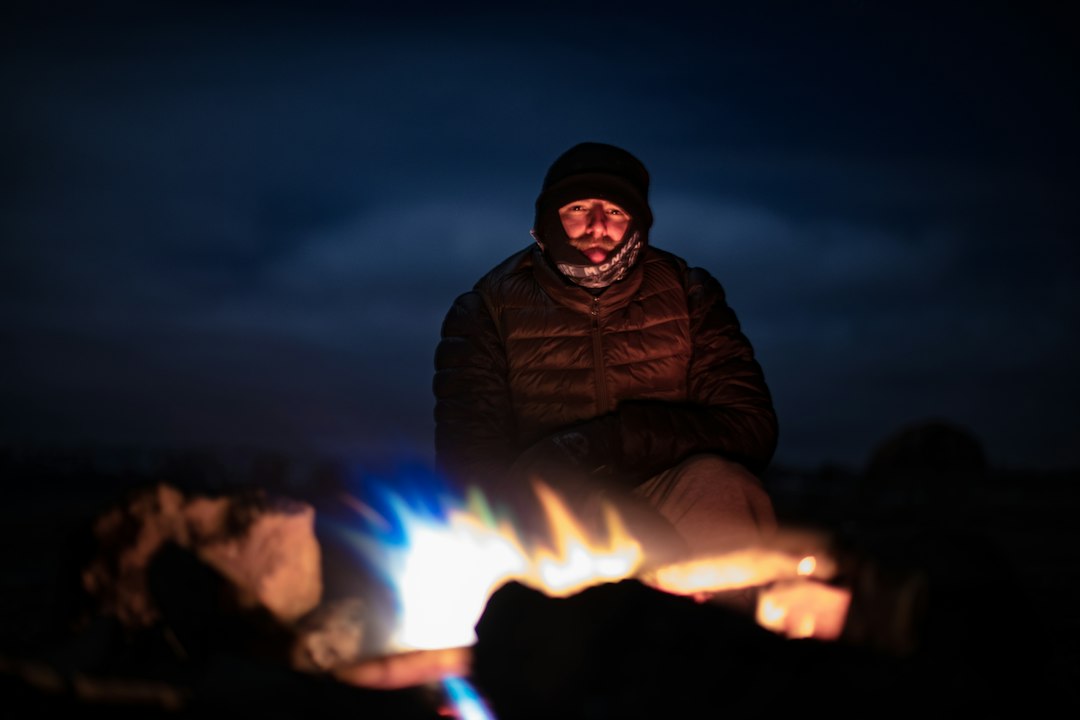
The discovery and mastery of fire represent arguably the most significant technological leap in early human history. It was not merely a tool for cooking or warding off predators; fire was the cornerstone of their nocturnal warmth strategy. The ability to generate and control flame transformed the dark, frigid nights from a period of intense vulnerability into an opportunity for rest, social interaction, and sustained activity. This transformative power of fire extended far beyond simple temperature regulation, influencing diet, defense, and the very social fabric of early human groups.
Early Experiments and the Dawn of Control
The earliest evidence of fire use predates anatomically modern humans, suggesting that our hominin ancestors, perhaps Homo erectus, were already experimenting with natural fires. Lightning strikes, volcanic activity, or spontaneous combustion would have provided the initial sparks. The challenge lay not just in finding fire, but in understanding how to maintain it, transport it, and eventually, create it at will. This transition from passively utilizing natural fires to actively managing them was a protracted process, likely involving generations of observation and trial-and-error. Imagine early humans observing the warmth radiating from a smoldering log, then tentatively feeding it with dry leaves and twigs, gradually learning the principles of fuel, oxygen, and heat. The initial controlled fires would have been crucial for survival, providing a beacon of warmth and light in the enveloping darkness.
The Multifaceted Benefits of a Controlled Flame
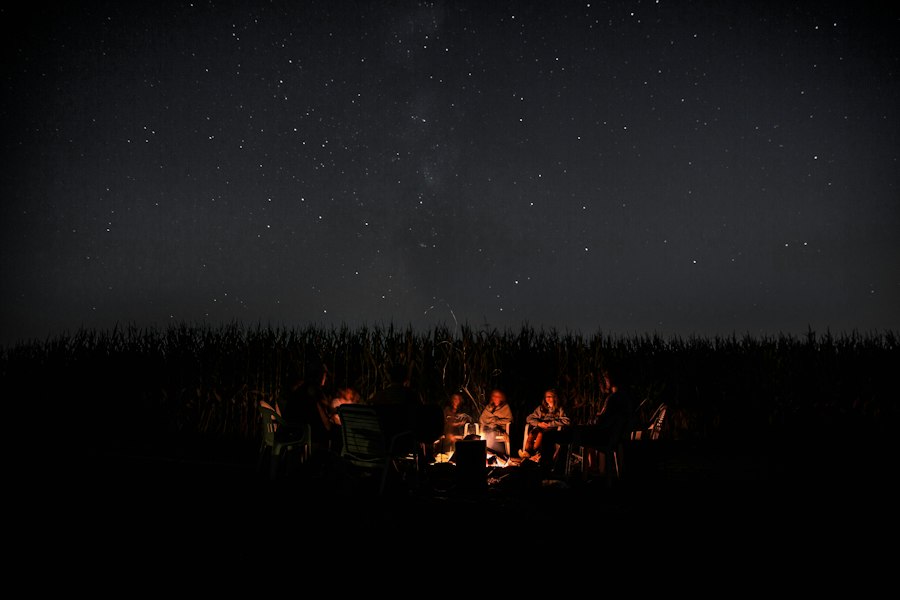
Once fire was brought under control, its benefits multiplied exponentially, particularly in the context of nighttime survival. The most immediate and obvious advantage was the generation of heat. A well-maintained fire could transform a cold, exposed campsite into a relatively comfortable haven. This warmth allowed early humans to conserve energy that would otherwise be expended simply to maintain body temperature, enabling longer periods of rest and recovery. Beyond direct heat, fire provided essential light, pushing back the oppressive darkness that limited visibility and fostered fear. This extended daylight, even after sunset, allowed for more time for social bonding, storytelling, and the planning of the next day’s activities. The psychological impact of a flickering flame in the vast unknown of the night cannot be overstated. It offered a sense of security, a focal point for the group, and a tangible barrier against the unseen dangers that lurked in the shadows. Furthermore, fire played a crucial role in deterring predators. The sight and smell of fire, along with the sounds of activity around it, were often enough to keep dangerous animals at bay, providing an invaluable layer of protection during the vulnerable nighttime hours.
Fueling the Future: Selecting and Storing Resources
The sustainability of warmth from fire depended entirely on the availability of fuel. Early humans, therefore, developed an intimate knowledge of their environment, learning which types of wood burned best, which produced the most heat, and which were most readily available. They would have gathered dry branches, fallen logs, and even dung from herbivores to maintain their fires. The practice of collecting and storing fuel would have been a vital daily or periodic task, ensuring that their vital heat source was not extinguished with the onset of dusk. The ability to identify and gather the most efficient burning materials would have been a learned skill, passed down through generations. The location of campsites often revolved around access to fuel sources, demonstrating the fundamental importance of this resource. Furthermore, the development of methods to transport embers or even live coals between campsites, a challenging feat, would have represented a significant advancement, allowing them to carry their fire-making capabilities with them.
Early humans developed various strategies to stay warm at night, including the use of fire, animal skins, and communal sleeping arrangements. These methods not only provided physical warmth but also fostered social bonds among early human groups. For a deeper understanding of how ancient wisdom has been overlooked in modern times, you can explore this related article on the deliberate erasure of ancient knowledge, which discusses the significance of traditional practices in survival: The Deliberate Erasure of Ancient Wisdom.
Cloaked in Nature’s Comfort: The Indispensable Role of Hides
While fire provided a centralized source of warmth, for early humans, personal insulation was equally critical, especially when moving away from the immediate proximity of the hearth or during colder periods. Animal hides, readily available from the hunted game that sustained them, became their primary means of protection against the biting night air. The transformation of raw animal skins into usable materials was a complex process, involving scraping, stretching, and tanning techniques that gradually evolved over millennia. These hides offered a versatile and effective solution for keeping the body warm, forming the basis of their clothing and bedding.
From Carcass to Comfort: Processing and Preparation
The process of preparing animal hides for use was a laborious but essential endeavor. After a successful hunt, the immediate priority was to remove the skin from the animal. This would have been done using sharp stone tools, carefully separating the hide from the underlying flesh and fat. Following the initial flaying, the hide would have been cleaned of any residual tissue. The next crucial step was stretching and drying. Hides were typically stretched taut on frames or over rocks, allowing them to dry thoroughly. This drying process prevented decomposition and made the hide more manageable. Further processing often involved scraping the flesh side of the hide with stone tools to remove any remaining fatty or muscular tissues, resulting in a thinner and more flexible material. The development of tanning, even in its most rudimentary forms, would have been a significant advancement. This likely involved soaking the hides in solutions containing natural tannins, such as from tree bark or certain animal brains. Tanning helped to preserve the hide, making it more resistant to decay and rot, and importantly, rendering it softer and more pliable, thus increasing its insulating properties. This transformation from a stiff, unwieldy skin to a comfortable and warm material was a testament to their growing understanding of natural processes.
Early humans developed various strategies to stay warm at night, utilizing natural resources and their ingenuity to create shelters and fires. They often sought refuge in caves or constructed simple huts using branches and animal hides, which provided insulation against the cold. Additionally, the use of fire not only offered warmth but also protection from predators. For a deeper understanding of how early human innovations shaped their survival, you might find it interesting to explore the economic implications of resource utilization in different contexts, as discussed in this article about lunar helium-3. You can read more about it here.
Clothing the Body: Garments for Nighttime Survival
The primary application of prepared hides was in the creation of clothing. Early humans, lacking sophisticated looms or tailoring techniques, fashioned simple garments by wrapping and tying hides around their bodies. These garments were often rudimentary, consisting of loincloths, tunics, or cloaks, but their insulating properties were paramount. For nighttime warmth, these hides acted as a barrier against the cold, trapping body heat close to the skin. The natural oils and fur (if left on) of the hides provided additional insulation. The effectiveness of these garments depended on the type of animal hunted and the climate. Hides from larger animals, such as mammoths or bison, would have provided thicker and more substantial insulation, crucial for surviving in frigid environments. The ability to tailor these garments, even with simple cuts and fastenings, would have improved their effectiveness, allowing for a closer fit and better protection against wind. The practice of layering, using multiple thinner hides, may also have been employed to increase insulation without adding excessive bulk.
Bedding Down: Hides as Natural Thermals
Beyond clothing, animal hides served as an invaluable component of their sleeping arrangements. In the absence of manufactured bedding, hides were spread directly on the ground or layered to create a warmer and more comfortable sleeping surface. These natural thermals provided a crucial buffer between the cold earth and the human body, significantly reducing heat loss. Imagine a group of early humans huddled together on a bed of thick hides, the warmth of their bodies amplified by the insulating layers beneath them. This practice would have been particularly important in caves or rock shelters, where the stone surfaces could be extremely cold. The accumulation of multiple hides would have created a surprisingly effective insulating mattress, allowing for more restful and restorative sleep, vital for survival. The fur side of the hides, if retained, would have offered an even softer and warmer surface, further enhancing comfort and heat retention.
Seeking Sanctuary: The Architecture of Early Shelters
While fire and hides offered vital protection against the cold, the creation of dedicated shelters provided a more consistent and protected environment from the elements, particularly during the night. These shelters, ranging from natural formations to constructed dwellings, offered refuge from wind, rain, and the extreme cold, allowing early humans to conserve energy and sleep more soundly. The development of shelters was a testament to their ability to observe their surroundings and adapt them for their needs.
Harnessing Nature’s Embrace: Caves and Rock Overhangs
The most accessible and readily available shelters for early humans were natural formations such as caves and rock overhangs. These provided immediate protection from wind and precipitation, and the solid rock surfaces often retained some residual heat from the day. Early humans would have utilized these spaces as base camps, making them more habitable by clearing debris, potentially adding further insulation with vegetation or hides, and of course, establishing a hearth within their confines. Caves offered a significant advantage in colder climates, as their enclosed nature helped to trap heat generated by their bodies and any fires they maintained. The strategic use of these natural shelters would have been a key factor in their ability to colonize a wide range of geographical areas. Their occupants would have become adept at identifying the most suitable caves, considering factors like drainage, exposure to prevailing winds, and proximity to resources.
Building for Survival: Early Constructed Dwellings
As early humans became more sedentary and their populations grew, the need for more permanent and purpose-built shelters increased. These early constructed dwellings, often found in regions where natural shelters were scarce or insufficient, represent a significant step in human ingenuity. They ranged from simple windbreaks to more elaborate structures. Some of the earliest forms of constructed shelters involved leaning branches and logs against natural formations, creating a rudimentary framework. This framework would then be covered with readily available materials such as mud, grass, leaves, or even large animal hides. In colder regions, dwellings might have been partially or fully subterranean, utilizing the insulating properties of the earth. These “pit houses” would have offered excellent protection from the wind and cold. The construction of these shelters would have required a growing understanding of structural principles and the ability to work with various building materials. The focus was always on creating an enclosed space that could trap heat and shield its occupants from the harshness of the nocturnal environment. The orientation of these dwellings might have been carefully considered to maximize solar gain during the day and minimize exposure to cold winds at night.
Insulating the Interior: Enhancing Comfort and Warmth
Once a basic shelter was established, early humans would have further enhanced its insulating properties to maximize warmth during the night. This could involve layering the floor with dried grasses, leaves, or animal furs to create a softer and warmer sleeping surface. The walls of constructed dwellings might have been plastered with mud or clay, which, once dried, would have provided a more solid and insulating barrier against the cold. In regions with abundant vegetation, the walls and roofs could have been thatched with thick layers of grass or reeds, offering excellent insulation. The presence of a hearth within the shelter was also crucial, and methods for smoke ventilation, however rudimentary, would have been developed to prevent the accumulation of smoke while retaining heat. The internal arrangement of these shelters would have also played a role; a central hearth would have been most efficient for distributing heat, and sleeping areas would have been arranged to benefit from this warmth. The ongoing process of maintenance and improvement of these shelters, adding more insulating material or reinforcing existing structures, would have been a constant aspect of their lives, ensuring their continued comfort and survival.
The Symphony of Survival: Integrating Fire, Hides, and Shelters
The effectiveness of early humans in staying warm at night was not due to any single innovation but rather the synergistic integration of multiple survival strategies. Fire, hides, and shelters did not operate in isolation; they formed a cohesive system, each bolstering the weaknesses of the others and creating a robust defense against the cold. This holistic approach to survival allowed early humans to thrive in diverse environments and lay the foundation for future human development.
A Calculated Reliance: The Interplay of Heat Sources
The relationship between fire and shelter was intrinsically linked. A well-constructed shelter could help retain the heat generated by a fire, making it more efficient. Conversely, a fire within a shelter provided direct warmth and a psychological sense of security. Hides, as personal insulation, allowed individuals to move away from the direct heat of the fire, perhaps to sleep slightly further from the flames for safety or comfort, without succumbing to the cold. They also served as an additional layer of insulation within the shelter itself, transforming a simple stone floor into a warm bed. This calculated reliance meant that if one element was compromised – for instance, if fuel for the fire ran low – the other elements could compensate to some extent. The combination ensured that even with fluctuating resource availability or environmental conditions, a basic level of warmth and protection could be maintained throughout the night. The skill lay in understanding these interdependencies and adapting their strategies accordingly.
Adapting to Extremes: Regional Variations and Innovations
The specific combination and emphasis on fire, hides, and shelters varied significantly depending on the geographical region and its prevailing climate. In frigid Arctic environments, for example, the construction of highly insulated dwellings, often made of snow or earth, would have been paramount. Fires would have been carefully managed to conserve fuel, and thick animal hides would have been essential for both clothing and bedding. In warmer, more temperate regions, while fire and hides remained important, the need for elaborate shelters might have been less pressing, with natural overhangs or simpler windbreaks sufficing. Throughout human migration and adaptation, distinct regional innovations emerged. Arctic peoples, for instance, developed sophisticated techniques for igloo construction, while inhabitants of savanna regions might have relied on more open-air sleeping arrangements with strategic fire placement. These regional adaptations demonstrate the remarkable flexibility and inventiveness of early humans in responding to diverse environmental pressures.
The Legacy of Warmth: Foundations for Civilization
The strategies developed by early humans to stay warm at night were not merely about immediate survival; they laid the groundwork for much of human civilization. The ability to control fire led to advancements in metallurgy and cooking, impacting diet and health. The development of clothing and shelters enabled human expansion into previously uninhabitable parts of the world, driving exploration and settlement. The social cohesion fostered around the hearth and within shared shelters contributed to the development of language, culture, and organized societies. In essence, the humble pursuit of warmth during the dark hours was a fundamental catalyst, igniting the spark of innovation that allowed humanity to not just survive, but to flourish and eventually dominate the planet. The lessons learned in those ancient nights, about resourcefulness, adaptation, and the fundamental need for comfort and security, continue to resonate in our modern world.

➡️Life 20,000 Years Ago | When Strangers Claim Your Winter Shelter 🚨
FAQs
What methods did early humans use to stay warm at night?
Early humans employed several methods to stay warm at night, including building fires for heat and light, using animal skins and furs as insulation, and constructing shelters that provided protection from the elements. They often gathered in groups to share body heat and utilized natural materials available in their environment to create warm sleeping areas.
How did fire contribute to warmth for early humans?
Fire was a crucial element for early humans, providing warmth, protection from predators, and a means to cook food. The heat from the fire allowed them to maintain a comfortable temperature during cold nights, while the light helped them stay alert and safe from potential dangers.
What types of shelters did early humans create for warmth?
Early humans built various types of shelters, such as caves, huts made from branches and leaves, and structures using stones or animal bones. These shelters were designed to retain heat and protect against wind and rain, often featuring small entrances to minimize heat loss.
Did early humans use any materials for insulation?
Yes, early humans used materials such as animal hides, furs, and plant fibers for insulation. These materials helped trap body heat and provided a barrier against the cold, allowing them to stay warm during the night.
How did social behavior impact warmth among early humans?
Social behavior played a significant role in warmth, as early humans often slept in groups or close to one another. This communal living not only provided emotional support but also allowed them to share body heat, making it easier to stay warm during cold nights.