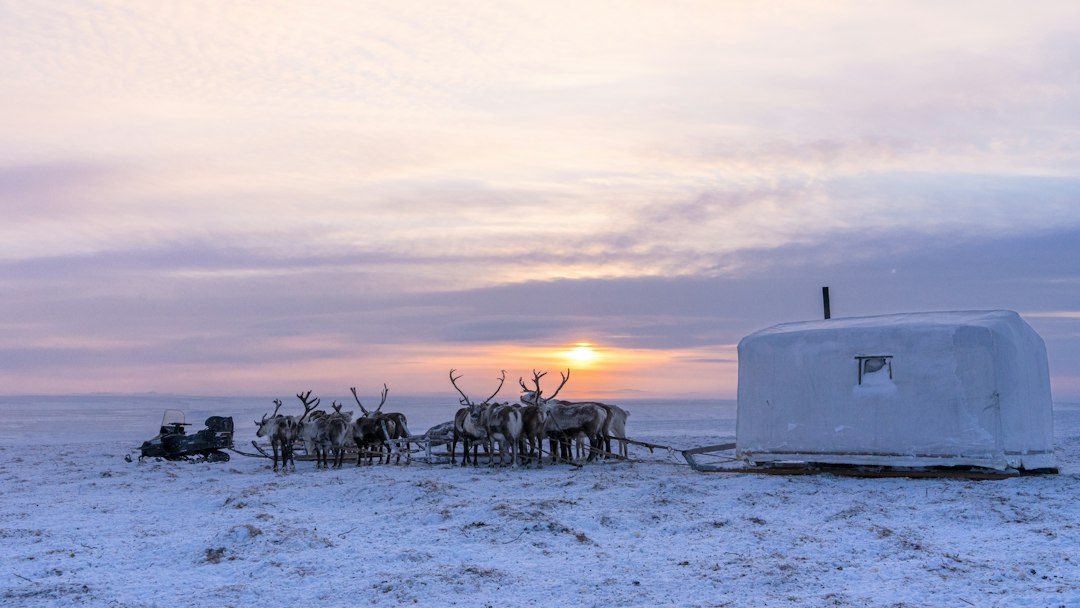
The biting wind whipped across the barren tundra, carrying with it the promise of a long, lean winter. For those who depended on the land, the successful butchering of a reindeer was not merely a task, but a vital lifeline. This guide details the essential steps and considerations for a successful reindeer harvest and the arduous, yet crucial, task of transporting the meat back to camp, a process demanding both skill and resilience.
Preparing for the Hunt and the Field Dressing Process
The success of the entire operation hinges on careful preparation before even the first shot is fired. Understanding the animal, the environment, and having the right tools are paramount. Once the reindeer is down, the immediate task of field dressing begins, a critical stage that directly impacts the quality and safety of the meat.
Understanding Reindeer Anatomy for Efficient Butchering
A thorough understanding of reindeer anatomy is not just for the hunter; it’s essential for the butcher as well. Knowing the location of major muscle groups, vital organs, and anatomical landmarks allows for more efficient skinning, quartering, and the separation of prime cuts. The reindeer’s body, built for survival in harsh environments, is a testament to lean muscle, interspersed with layers of fat that provide insulation. Identifying these areas during the butchering process will dictate how the meat is best utilized. The large muscles of the hindquarters, such as the sirloin and rump, are prime targets for steaks and roasts, while the forequarters offer meat suitable for stewing and grinding. The backstrap, a long, tender muscle running along the spine, is a highly prized cut. Knowledge of the skeletal structure is also key, allowing for precise bone removal and the separation of limbs. Awareness of the digestive tract, including the stomach and intestines, is important to avoid contaminating the edible meat with their contents during the initial dressing. Recognizing the vascular system, particularly major arteries and veins, aids in efficient bleeding of the carcass, which contributes to meat preservation. The thick hide, while valuable for other purposes, needs to be carefully separated from the underlying muscle to avoid damaging the meat.
Essential Tools for Field Dressing and Butchering
A well-equipped individual is a prepared individual. For reindeer butchering, a specific set of tools is indispensable. A sharp, high-quality hunting knife is the most critical item, ideally with a fixed blade for durability and ease of cleaning. Multiple knives of varying blade shapes and sizes can be beneficial; a skinner for the initial hide removal, a boning knife for precise cuts around joints, and a larger utility knife for breaking down larger sections. A sharpening stone or steel is crucial to maintain the razor-sharp edge of the knives throughout the process, as dull blades are not only inefficient but also dangerous. A saw, either a bone saw or a good quality hacksaw with fine teeth, is necessary for cutting through larger bones, particularly the pelvis and ribs, to facilitate quartering. Gloves, both disposable and sturdy work gloves, are important for hygiene and protection. A game bag or tarp is needed to protect the meat from dirt and insects once it’s separated from the carcass. A heavy-duty rope or cord can be useful for hanging the carcass to aid in skinning and butchering, especially if working alone. In colder climates, a small amount of clean water or snow can be used for rinsing tools and hands between tasks, although excessive washing can be detrimental to meat preservation in freezing temperatures. Carrying a reliable flashlight or headlamp is also essential, as butchering may extend into low-light conditions.
The Initial Field Dressing: Speed and Precision
Once the reindeer is felled, immediate action is required to preserve the meat. The goal of field dressing is to remove the internal organs as quickly and cleanly as possible to prevent spoilage and contamination. This process, often referred to as “gutting,” begins with a careful incision from the anus towards the brisket. It is crucial to avoid puncturing the intestines or stomach. Using fingers or the tip of the knife, the butcher should gently pull the organs away from the abdominal wall. The bladder should be emptied, and the ureters severed. The diaphragm, a muscular sheet separating the chest cavity from the abdominal cavity, needs to be cut through to allow for the removal of the lung and heart, which are typically found in the chest cavity. The esophagus and trachea, located in the neck, should also be severed. This entire process should be performed with haste but also with meticulous care to minimize any potential damage to the meat. The removed organs should be set aside; some might be edible or useful for other purposes, but their immediate removal is the priority for meat preservation. Rapid cooling of the carcass is the next crucial step after field dressing.
In the context of traditional practices, butchering reindeer and carrying the meat back to camp is a vital skill for many indigenous communities, ensuring that they can sustain their families and preserve their cultural heritage. For those interested in exploring the broader implications of resource management and community sustenance, a related article discusses the government’s approach to nationalizing retirement, which highlights the importance of supporting local economies and traditional lifestyles. You can read more about it here: Government’s Approach to Nationalizing Retirement.
Quartering the Carcass: Breaking Down the Prize

With the reindeer field dressed, the next significant undertaking is to break down the carcass into manageable portions. This process, known as quartering, allows for easier transport and subsequent preparation. It requires a good understanding of the animal’s skeletal structure and the judicious use of tools.
Separating the Hindquarters and Forequarters
The initial step in quartering involves separating the carcass into two halves, then into four primary quarters. This is typically achieved by splitting the pelvis and the rib cage along the midline. A strong, sharp saw is essential for this. Once the carcass is bisected lengthwise, the focus shifts to separating the hindquarters from the forequarters. This involves severing the connective tissues and muscles that join the two sections. A keen eye is needed to locate the natural seams between the muscle groups, making the cut as clean and efficient as possible. The hindquarters are generally heavier and more substantial, containing the prime cuts. The forequarters, while still providing valuable meat, are often a bit more complex to break down due to the shoulder and leg structure. This separation is critical for managing the weight and bulk of the meat during transport.
Detailing the Quarters: Loins, Legs, and Ribs
Once the four main quarters are separated, the process continues with further breakdown into smaller, more practical cuts. The hindquarter is typically divided into the leg and the loin. The leg can be further broken down into the shank, the round, and the rump. The loin, running along the spine, yields the highly prized sirloin and tenderloin. The forequarter is usually divided into the shoulder and the rib section. The shoulder can be deboned for roasts or ground meat, while the rib section can be separated into individual ribs or larger roasts. This detailed cutting requires precision with a boning knife to cleanly separate muscle from bone and to trim away excess fat and connective tissue. The goal here is to create uniform pieces that will cool and transport efficiently. Understanding where the major muscles lie will dictate the best way to section each part, maximizing the yield of usable meat.
Bone Removal and Trimming for Optimal Preservation
The process of bone removal and trimming is paramount for both efficient transport and long-term preservation. Leaving bones attached to large cuts can increase their weight unnecessarily and can sometimes harbor bacteria if not handled carefully. Using a boning knife, the butcher carefully works around the bones, following the natural lines of the muscle. Any jagged bone fragments or sharp edges should be smoothed or removed. Trimming excess fat is also an important consideration. While some fat is desirable for flavor and moisture, excessive amounts can weigh down the meat and increase the risk of spoilage in warmer conditions. However, in extremely cold environments, a thin layer of fat can actually help protect the meat during transport. The decision on how much fat to trim often depends on the anticipated conditions of the return journey and the intended cooking methods. All trimmings should be collected; they can be rendered for fat or used for other purposes. The goal is to produce clean, well-defined cuts of meat that are ready for the next stage.
The Art of Meat Packing and Preservation
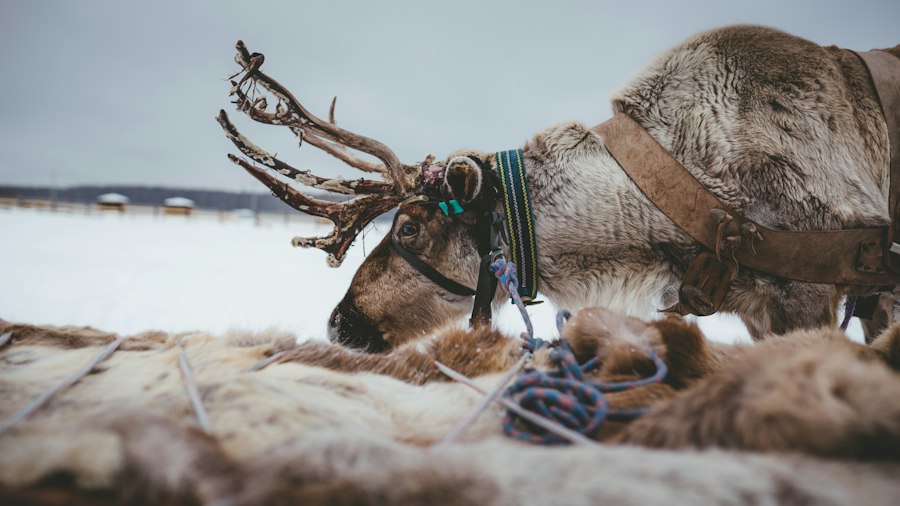
Once the reindeer is butchered, the focus shifts to how the meat will be packed and preserved for the journey back to camp. This is a critical step that can mean the difference between a successful harvest and wasted effort. Proper packing not only protects the meat from the elements and potential contamination but also facilitates its transport.
Utilizing Natural Materials and Modern Gear for Packing
Historically, Indigenous peoples relied on the reindeer’s own hide for packing. The cleaned and scraped hide, when properly prepared, can serve as a robust natural container. The larger pieces of meat are carefully wrapped within the hide, and the edges are then secured, creating a bundle that can be more easily carried. Modern survivalists may also incorporate readily available materials. Large, durable plastic bags or game bags are excellent for individual cuts, protecting them from dirt, insects, and moisture. If available, canvas or heavy-duty tarp material can be used to wrap multiple cuts together, offering an additional layer of protection and creating a more robust carrying unit. The key is to create compact, manageable bundles that are less prone to damage and easier to handle. Avoiding direct contact with the ground is always a priority, so even when using natural materials, an underlay of vegetation or a separate tarp can be beneficial.
Strategies for Cooling and Preventing Spoilage in the Field
In colder climates, the natural ambient temperature can be a significant aid in meat preservation. Once the meat is butchered and packed, allowing it to cool rapidly is essential. If temperatures are below freezing, the meat will naturally begin to freeze, which is ideal for long-term storage. However, if the temperature hovers just above freezing, preventing spoilage becomes more critical. In such scenarios, positioning the packed meat in a cool, shaded area, away from direct sunlight and wind, is important. If snow is available, it can be used to pack around the meat bundles to help keep them cool, but care must be taken to ensure the snow does not melt and saturate the meat. If possible, hanging the packed meat in a cool, airy location can also facilitate cooling. Avoiding stacking the meat too tightly in the initial stages can allow for better air circulation, aiding in the cooling process. The faster the meat cools, the slower the bacterial growth, and the longer it will remain safe to consume.
Preparing for the Long Haul: Weight Distribution and Carrying Methods
The journey back to camp can be as challenging as the hunt itself. Reindeer meat is dense and heavy, and a successful harvest can yield a substantial amount. Therefore, careful consideration of weight distribution and carrying methods is crucial. If working in a group, dividing the load evenly is the most practical approach. Large cuts or bundled quarters can be distributed among individuals. For solo hunters, or when dealing with particularly heavy loads, improvising a travois is an effective solution. This can be constructed from branches or poles, lashed together to create a frame that can be dragged across the terrain. The packed meat is then secured to this frame. Backpacks, if available, can be utilized for smaller, more manageable portions. When carrying by hand, using lengths of rope to create makeshift handles or to distribute the weight across the shoulders can significantly ease the burden. The goal is to break down the total weight into manageable loads that can be transported over potentially difficult terrain without causing excessive fatigue or injury.
Transporting the Harvest Back to Camp
The physical challenge of bringing the bounty back to camp cannot be overstated. This stage tests endurance, ingenuity, and a collective spirit if hunting in a group. The terrain, weather, and the sheer weight of the meat all conspire to make this journey demanding.
Navigating Difficult Terrain with Heavy Loads
Reindeer are often found in challenging environments, and the return journey is rarely a walk in the park. Tundra landscapes can be uneven, with hidden obstacles, boggy patches, and rocky outcrops. Steep inclines and descents add another layer of difficulty. When carrying heavy loads, maintaining balance is paramount. Taking slow, deliberate steps, and constantly assessing the ground ahead, is essential to avoid stumbles and falls. If using a travois, the operator must be mindful of obstacles that could snag or tip the frame. Clearing a path where possible, or finding the most efficient route, is a skill honed through experience. In snowy conditions, snowshoes or skis might be necessary for the hunters themselves, further complicating the transport of the meat if not properly equipped. When crossing water bodies, extra caution is needed. If the meat is not fully waterproofed, submersion can lead to spoilage and contamination. Finding safe crossing points or employing flotation devices if available is crucial.
Teamwork and Load Sharing: The Advantage of a Group
When a reindeer harvest is a communal effort, the benefits of teamwork become immediately apparent. Load sharing is the most significant advantage. The total weight of the meat can be divided amongst multiple individuals, making each person’s burden significantly lighter and more manageable. This not only reduces the risk of individual exhaustion and injury but also allows for a faster overall return to camp. Communication is key: coordinating movements, agreeing on routes, and offering assistance when needed are vital. A group can also strategize more effectively for navigating difficult terrain or overcoming obstacles. If one person encounters a problem, others can lend support. The collective knowledge and experience within a group can also lead to more efficient solutions. Furthermore, the psychological boost of working together and sharing the success of the hunt can be invaluable, transforming a physically arduous task into a shared accomplishment.
Utilizing Natural Shelters and Planning for Rest Stops
The journey back to camp can be long, and incorporating planned rest stops is crucial for conserving energy and preventing burnout. Identifying potential natural shelters along the route is a wise precaution, especially in unpredictable weather conditions. Overhanging rocks, dense thickets of trees, or even a small depression in the ground can offer protection from wind and rain. These stops should be brief but allow for rehydration and a quick assessment of the load and individual well-being. If the journey is particularly long or the weather deteriorates significantly, a more extended stop might be necessary. In such situations, utilizing any available tools for creating a temporary shelter, such as a tarp or branches, can be a lifesaver. Rationing any provisions brought along is also important, ensuring that sustenance is available throughout the return journey. The goal is to arrive back at camp safely, with the meat intact and the hunters in good condition, ready to process the remaining harvest.
In the harsh Arctic environment, the traditional practice of butchering reindeer plays a crucial role in the survival of indigenous communities, as it provides not only sustenance but also a connection to their cultural heritage. After the hunt, the process of carrying the meat back to camp involves careful planning and teamwork, ensuring that nothing goes to waste. For those interested in the broader implications of ancient practices, a fascinating article explores the relationship between these traditional methods and their impact on sustainable living, which can be found here. This connection highlights how ancient knowledge continues to inform modern approaches to resource management.
Processing and Storing the Meat at Camp
| Step | Activity | Estimated Time | Tools Required | Average Weight of Meat Carried (kg) | Notes |
|---|---|---|---|---|---|
| 1 | Field Dressing | 30-45 minutes | Sharp knife, gloves | N/A | Remove internal organs to cool carcass quickly |
| 2 | Skinning | 45-60 minutes | Skinning knife | N/A | Preserve hide for use or sale |
| 3 | Butchering | 1-2 hours | Butcher knife, saw | 30-50 kg | Cut into manageable portions for transport |
| 4 | Packaging | 15-30 minutes | Wrapping materials, containers | 30-50 kg | Protect meat from contamination and drying |
| 5 | Transport to Camp | Varies (depends on distance) | Backpack, sled, or carrying frame | 30-50 kg | Ensure even weight distribution for easier carrying |
Arriving back at camp with the precious cargo is only part of the achievement. The final stages of processing and proper storage are crucial to ensure the meat remains edible and nutritious for the duration of the stay. This requires a continuation of the same care and attention to detail exercised in the field.
Further Butchering and Portioning for Consumption
Once back at camp, the larger cuts of reindeer meat can be further broken down into smaller, more convenient portions for immediate consumption and storage. This involves meticulous butchering, separating muscle groups for different cooking methods. Cuts suitable for roasting, grilling, or stewing can be identified and prepared accordingly. For long-term storage, especially in colder climates, the meat can be cut into strips for drying or smoking. In the absence of refrigeration, these traditional preservation methods become paramount. This stage also offers an opportunity to meticulously trim any remaining excess fat or sinew, further preparing the meat for cooking. The goal is to create uniformly sized pieces that will cook evenly and efficiently, maximizing the usability of the entire carcass. Any leftover bones can be utilized for making broth, extracting valuable nutrients and flavor.
Drying, Smoking, and Freezing as Preservation Techniques
Several methods can be employed to preserve the reindeer meat once it is at camp. Drying, or making jerky, is a highly effective technique. Thin strips of meat are seasoned and then air-dried in a cool, dry, and well-ventilated area, or over a low heat source. Smoking the meat, either hot or cold smoking, imparts flavor and also acts as a preservative due to the chemical compounds in the smoke. This method requires a smoker, which can be improvised from available materials. If the camp has access to a freezer, whether a portable unit or a natural ice storage system, freezing is the most straightforward method for long-term preservation. The meat should be tightly wrapped in moisture-proof packaging to prevent freezer burn. Each of these methods requires careful execution to ensure the meat is properly preserved and safe to eat. The choice of method often depends on the available resources, the length of time the meat needs to be stored, and personal preference.
Safe Handling and Hygiene to Prevent Contamination
Throughout the entire process, from field dressing to final storage, maintaining strict hygiene is absolutely critical to prevent the contamination of the reindeer meat with harmful bacteria. This begins with thorough hand washing before and after handling the meat, using clean water and soap if available. All tools, including knives, saws, and cutting boards, must be meticulously cleaned and sterilized after each use. Ideally, dedicated tools should be used solely for butchering. When processing meat in the field, avoiding contact with soil, dirt, and insects is paramount. Using clean tarps or game bags as a barrier is essential. Cooked meat should be stored separately from raw meat to prevent cross-contamination. If any meat exhibits signs of spoilage, such as an off odor, discoloration, or a slimy texture, it should be discarded immediately. Proper handling and hygiene are not merely suggestions; they are fundamental to ensuring the health and safety of everyone who will consume the harvested meat.

➡️Life 20,000 Years Ago | When Strangers Claim Your Winter Shelter 🚨
FAQs
What tools are necessary for butchering a reindeer?
Essential tools for butchering a reindeer include a sharp knife, a bone saw, a skinning knife, and a cutting board or a clean surface. Additionally, gloves and a game bag may be useful for handling the meat and ensuring hygiene.
What are the steps involved in butchering a reindeer?
The butchering process typically involves several steps: first, field dressing the animal to remove internal organs; second, skinning the reindeer; and third, breaking down the carcass into manageable cuts of meat. Each step requires careful attention to avoid contamination and to maximize the yield of usable meat.
How should the meat be transported back to camp?
When transporting reindeer meat back to camp, it is important to keep it cool and protected from contamination. Using game bags or coolers with ice packs can help maintain the meat’s freshness. If the distance is significant, consider quartering the meat for easier handling and to reduce weight.
What are the best practices for storing reindeer meat?
Reindeer meat should be stored in a cool, dry place. If possible, it should be refrigerated or frozen to prevent spoilage. Vacuum sealing the meat can also extend its shelf life by reducing exposure to air and moisture.
Are there any specific regulations regarding hunting and butchering reindeer?
Yes, regulations regarding hunting and butchering reindeer vary by region and may include licensing requirements, hunting seasons, and quotas. It is essential to check local wildlife management laws and guidelines to ensure compliance and sustainable practices.