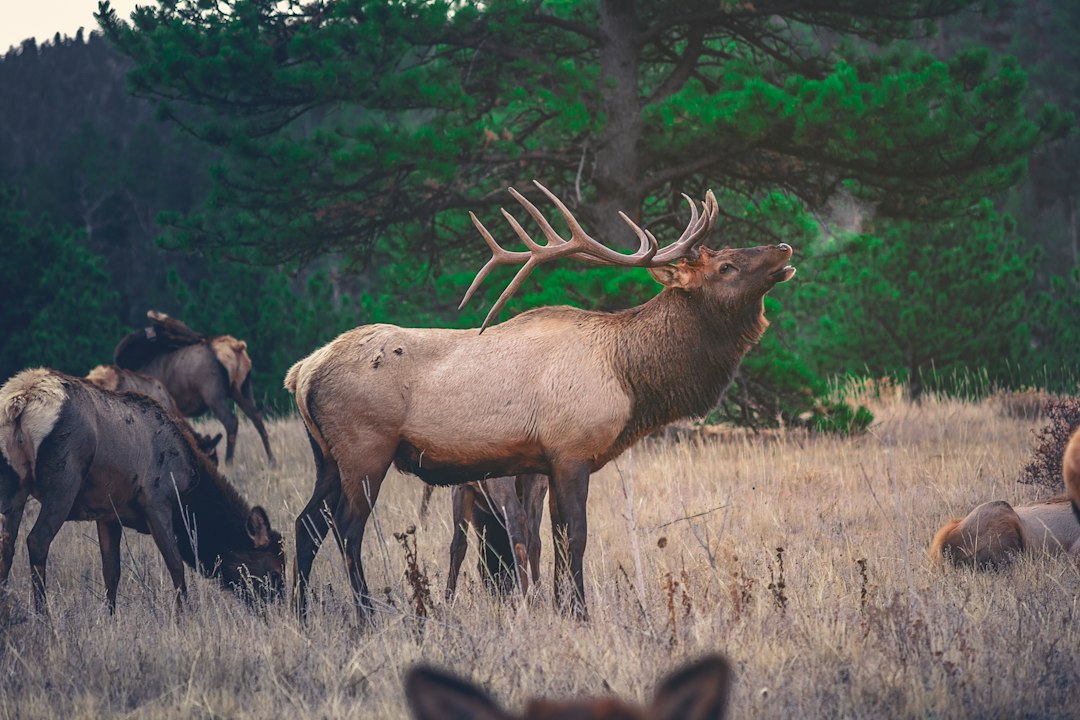
The whisper of the wind through ancient grasslands carried more than just the scent of prey; it carried the subtle cues of patience and the unfolding of perfect timing, the bedrock principles that underpinned the success of group hunts for our earliest human ancestors. These were not the impetuous dashes of solitary predators but the deliberate, coordinated efforts of intelligent, social beings. The ability to wait, to observe, and to strike when the stars aligned – or more accurately, when the herd presented the opportune moment – was a skill honed over millennia, a testament to a deep understanding of both the natural world and the intricate dynamics of cooperative behavior. Modern humans, accustomed to instant gratification and technological shortcuts, might overlook the profound wisdom embedded in these ancient hunting strategies, a wisdom that speaks volumes about the adaptive prowess that allowed our species to thrive in challenging environments.
The Art of the Stakeout: Mastering the Waiting Game
The successful pursuit of large game by prehistoric human groups was not a matter of chance or brute force alone. It was an intricate dance of observation, strategy, and, crucially, the ability to remain undetected for extended periods. Patience was not a passive virtue but an active, strategic component of the hunt, enabling hunters to gather vital intelligence and exploit the vulnerabilities of their quarry. This involved a deep, almost intuitive understanding of animal behavior, an awareness of their routines, their preferred habitats, and their susceptibility to environmental factors.
Reading the Landscape: Environmental Cues and Animal Behavior
Ancient hunters were master interpreters of their surroundings. They understood that the landscape itself provided a wealth of information. The direction of the wind was paramount, not just for masking their scent but for understanding how it might carry the scent of prey to them, or conversely, betray their presence. The presence of specific vegetation, the proximity of water sources, and the terrain itself – whether it offered natural ambush points or presented obstacles to the prey – were all carefully considered. They observed the subtle signs of animal passage: the fresh tracks in mud or dust, the disturbed foliage, the droppings, and the calls of alarm from smaller creatures that might signal the approach of larger animals.
This detailed observation extended to the animals themselves. Hunters learned to recognize the distinct alarm calls of different species, which could provide early warnings of danger or indicate the presence of a herd. They understood the social structures of prey animals, knowing, for example, that a herd might be more vulnerable when moving through confined spaces or when individuals were distracted by grazing or social interactions. The older, weaker, or less vigilant members of a herd were often the primary targets, and patiently waiting for such individuals to separate from the main group, or for the herd to become complacent, was a common and effective strategy. This required immense self-control, resisting the urge to launch a premature attack, a temptation that could lead to failure and injury.
The Power of Stillness: Camouflage and Silent Approach
Remaining unseen and unheard was as critical as the ability to move swiftly when the moment arrived. Ancient hunters employed sophisticated techniques of camouflage, blending their bodies and their movements with the natural environment. They understood the importance of light and shadow, often moving under the cover of dawn or dusk, or utilizing dense vegetation and rock formations to conceal their approach. Their clothing, likely made from animal hides, would have provided a degree of natural camouflage.
More importantly, they mastered the art of silent movement. Each step was carefully placed, each rustle of leaves or snap of a twig suppressed. This required exceptional physical control and a deep understanding of how sound travels through the environment. They learned to read the ambient noise, to move in sync with natural sounds like the rustling of leaves or the murmur of a stream, which could mask their own subtle movements. The ability to remain absolutely still for prolonged periods, even when discomfort or the urge to move became overwhelming, was a hallmark of a skilled hunter. This stillness was not just physical; it was mental, a profound focus on the task at hand, devoid of distraction. This patience, this mastery of stillness, allowed them to get closer to their prey than any individual hunter could have, significantly increasing their chances of success and minimizing the risks involved.
In exploring the intricate dynamics of ancient group hunting strategies, the concepts of patience and timing emerge as critical factors for success. A related article discusses how environmental conditions, such as droughts during the Bronze Age, influenced the behaviors and strategies of early human groups. By examining tree rings, researchers have uncovered evidence of these climatic shifts, which likely affected the availability of prey and the timing of hunts. For more insights into how such environmental factors shaped ancient hunting practices, you can read the article here: Tree Rings Reveal Bronze Age Drought.
The Symphony of Coordination: Group Dynamics in the Hunt
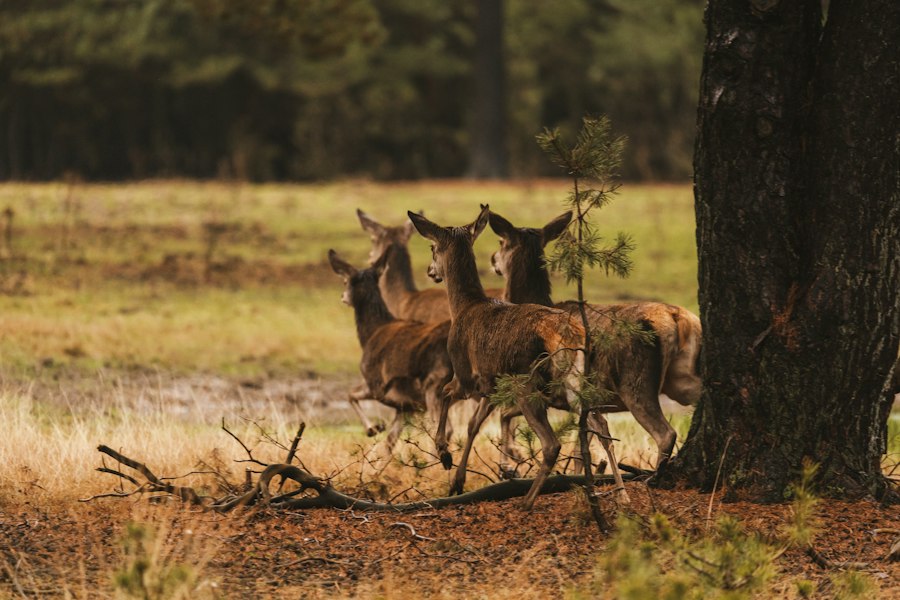
The success of ancient group hunts was not merely a collection of individual efforts; it was a testament to the sophisticated social intelligence and communication capabilities of early humans. Coordinating a group of individuals, often armed with rudimentary tools and facing formidable prey, required a level of trust, understanding, and clear communication that is often underestimated. This coordination was not simply about following orders; it was a dynamic interplay of roles, signals, and shared understanding, honed through generations of practice and transmitted through a rich oral tradition of hunting lore.
Non-Verbal Communication: Subtle Signals and Shared Intent
In the heat of the chase, or during the tense moments of an ambush, explicit verbal communication could be both impossible and detrimental. Therefore, ancient hunters relied heavily on a complex system of non-verbal communication. This would have included a range of gestures, facial expressions, body posture, and vocalizations that conveyed specific meanings to their fellow hunters. A subtle hand signal might indicate a change in direction, a low grunt could signify the prey’s movement, and a series of clicks or whistles could be used to maintain contact and coordinate actions across a distance.
This non-verbal language was deeply ingrained, understood through shared experience and often taught from a young age. It allowed for a fluid and adaptable approach to the hunt, enabling hunters to respond to unexpected situations and adjust their strategy on the fly. The shared intent was palpable, a collective understanding of the objective and the individual roles each person played in achieving it. This deep level of mutual understanding, developed over countless hunts, fostered a profound sense of trust, where each hunter knew that their companions would act predictably and effectively, even in the most chaotic of circumstances.
Defined Roles and Strategic Positioning: The Power of Specialization
Ancient group hunts were rarely democratic endeavors where everyone did the same thing. Instead, they were characterized by a clear understanding of specialized roles and strategic positioning. Different individuals or small sub-groups would be assigned specific tasks based on their strengths, experience, and the evolving needs of the hunt. Some hunters might act as “drivers,” their role being to cautiously herd the prey towards a pre-determined ambush point. Others would be the “ambushers,” positioned strategically along the expected path of the fleeing animals, ready to strike. Still others might act as “pursuers,” tasked with keeping the prey moving in the desired direction and preventing it from escaping or scattering too widely.
The strategic positioning of hunters was crucial. They understood how to use the terrain to their advantage, creating natural corrals, funnels, or barriers. They would position themselves so as to maximize their chances of a successful strike while minimizing their own risk. This required a deep knowledge of the prey’s likely reactions and escape routes. The success of the coordinated effort hinged on each individual fulfilling their designated role with precision, understanding that their individual action contributed to the collective outcome. The timing of their actions – the precise moment to emerge from concealment, to shout and startle the prey, or to launch their weapons – was orchestrated with remarkable accuracy, a testament to the shared understanding and discipline of the group.
The Critical Juncture: Seizing the Moment of Opportunity
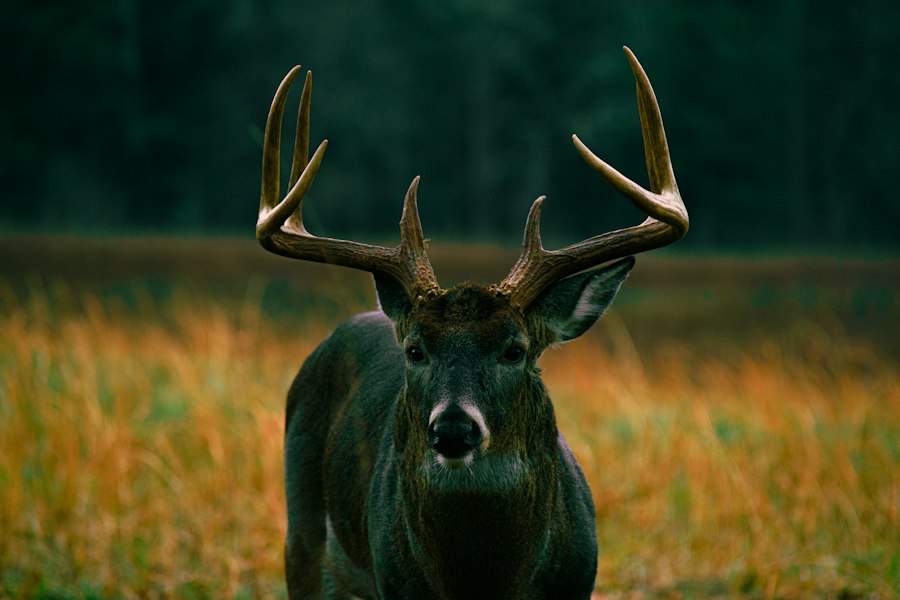
While patience and coordination formed the foundation of ancient group hunts, the ultimate success rested on the ability to recognize and exploit the fleeting moments when vulnerability and opportunity converged. This was the climax of the hunt, the point where all the planning, waiting, and coordination culminated in a decisive action. Timing, in this context, was not just about speed but about precision and the accurate assessment of the prey’s state.
Recognizing Vulnerability: Assessing Prey’s Physical and Mental State
The skilled ancient hunter possessed an almost uncanny ability to assess the physical and mental state of their prey. They looked for signs of fatigue, injury, or distress. A solitary animal lagging behind the herd, a creature showing signs of lameness, or an animal that had become separated from its protective group represented a prime target. Equally important was understanding the psychological state of the prey. A panicked herd, while dangerous, could also be driven into predictable patterns. Conversely, a more relaxed or complacent herd might offer opportunities to isolate individuals who were momentarily distracted or less vigilant.
The timing of the attack was intrinsically linked to this assessment. Launching an attack too early, when the prey was still strong and alert, could result in a dangerous and unsuccessful encounter. Waiting too long, however, might allow the prey to escape or regroup. The decision to strike was a calculated risk, based on a holistic understanding of the situation – the prey’s condition, the hunters’ readiness, the environmental conditions, and the proximity of escape routes. This informed decision-making, often made in fractions of a second, was a critical element of their hunting prowess.
The Coordinated Strike: Unleashing the Attack at the Optimal Moment
Once the opportune moment was identified, the coordinated strike was unleashed with swift and decisive action. This was the culmination of all the preceding efforts. The “drivers” might now increase their pressure, guiding the prey towards the waiting “ambushers.” The “ambushers,” having remained concealed and still, would then emerge with coordinated movements, aiming to surprise and disorient the prey. The precise timing of their emergence was crucial; too early and the prey might detect them, too late and the opportunity would be lost.
The attack itself was designed to be overwhelming. The combined efforts of the group, utilizing their weapons and their knowledge of anatomy, aimed to incapacitate the prey quickly and efficiently. This might involve a volley of projectiles, a charge to drive the prey into a prepared trap, or a coordinated effort to corner and overwhelm a single animal. The success of this final phase depended on the seamless execution of previously rehearsed strategies and the continued adherence to the established non-verbal communication cues. The timing of each individual’s action, from the initial movement of the drivers to the final thrust of a spear, had to be synchronized for maximum impact. This synchronized assault, born from patience and perfect timing, was the key to transforming a potentially perilous undertaking into a successful procurement of vital resources.
The Long Game: Sustaining the Hunt and Understanding Cycles
The success of ancient group hunting was not solely measured by the outcome of a single chase but by the ability to sustain these hunting efforts over the long term. This required a deep understanding of ecological cycles, resource management, and the importance of ensuring future hunting opportunities. Patience, in this broader sense, meant looking beyond immediate needs to the well-being of the ecosystem and the continuity of their own survival.
Observing Natural Rhythms: Migration, Seasonality, and Prey Availability
Prehistoric human groups were intimately attuned to the natural rhythms of their environment. They understood the patterns of animal migration, knowing when and where certain herds would be most abundant. They recognized the seasonal changes that influenced prey behavior and availability. For instance, during certain times of the year, prey animals might be more concentrated near water sources or in specific foraging grounds. Conversely, during other periods, they might disperse more widely or become more elusive.
This understanding of seasonality and migration allowed hunters to plan their activities strategically. They would anticipate the arrival of migratory herds, positioning themselves in strategic locations along their routes. They also understood that hunting during periods of abundance could provide surpluses, which could be preserved through drying or smoking, thus ensuring food security during leaner times. This long-term perspective, rooted in observation and patience, was essential for survival in environments where resources could fluctuate dramatically.
Sustainable Practices: Avoiding Overhunting and Respecting the Ecosystem
While the immediate need for food was paramount, intelligent group hunters understood the concept of sustainability, even if not articulated in modern ecological terms. They recognized that indiscriminate or excessive hunting could deplete local prey populations, making future hunts more difficult and potentially leading to starvation. This implied a degree of self-regulation, a tacit agreement to avoid overhunting in any given area.
This might have manifested in various ways: avoiding the systematic extermination of entire herds, focusing on older or weaker individuals, or rotating hunting grounds to allow populations to recover. There was likely a cultural understanding that the land and its creatures were a shared resource, to be used wisely and with respect. This long-term perspective, this understanding that patience in the present could secure resources for the future, was a crucial element of their enduring success and a testament to their deep connection with the natural world. They understood that the continued availability of prey depended on the health of the ecosystem, and their hunting practices, informed by a profound respect for natural cycles, contributed to that health.
In exploring the intricate dynamics of ancient group hunting strategies, one cannot overlook the significance of patience and timing, which were crucial for the success of these communal efforts. A recent article delves into the broader implications of strategic thinking in human evolution, highlighting how these skills have shaped not only hunting practices but also societal structures. For a deeper understanding of how these ancient strategies might parallel modern challenges, you can read more in this insightful piece on the rise of artificial intelligence and societal collapse. The connection between historical practices and contemporary issues is both fascinating and relevant, as it sheds light on our ongoing relationship with technology and cooperation. To learn more, visit this article.
The Legacy of Patience and Timing: Lessons for Today
| Metric | Description | Value/Range | Significance in Ancient Group Hunting |
|---|---|---|---|
| Waiting Time | Average duration hunters waited before initiating the hunt | 30 minutes to 2 hours | Allowed prey to enter optimal ambush zones, increasing success rates |
| Coordinated Attack Timing | Synchronization interval between group members’ attack actions | Seconds to a few minutes | Maximized impact by overwhelming prey simultaneously |
| Hunting Session Length | Total time spent in a single hunting event | 1 to 6 hours | Balanced energy expenditure with prey capture success |
| Prey Movement Monitoring | Frequency of checking prey position and behavior | Every 5-10 minutes | Informed timing decisions and adjustments during the hunt |
| Rest Intervals | Breaks taken between hunting phases | 10-15 minutes | Maintained stamina and patience for prolonged hunting efforts |
The hunting strategies of our ancient ancestors, while seemingly primitive, offer profound lessons that resonate even in our technologically advanced world. The emphasis on patience, observation, and strategic coordination highlights the power of thoughtful planning and the benefits of collective action. These are not merely historical footnotes but enduring principles that underscore the importance of understanding context, recognizing opportunities, and working collaboratively towards shared goals.
The Value of Deliberation in a Fast-Paced World
In an era characterized by instant communication and rapid technological advancement, the value of deliberation and measured action can often be overlooked. The ancient hunters’ approach, however, demonstrates that true success often comes not from rushing but from careful consideration and strategic waiting. This principle extends beyond hunting to various aspects of modern life, from business and personal relationships to scientific research and creative endeavors. The ability to resist impulsive decisions, to gather information, and to wait for the opportune moment can lead to more effective and sustainable outcomes. It encourages a shift from a reactive mindset to a proactive one, where actions are guided by a deep understanding of the situation rather than by immediate pressures.
Cooperation and Social Intelligence: Enduring Strengths
The success of ancient group hunts also underscores the enduring importance of cooperation and social intelligence. Our ancestors’ ability to coordinate complex actions, communicate effectively, and trust one another in high-stakes situations is a testament to the power of social bonds and shared purpose. These qualities remain vital for human progress and well-being. In a world that can sometimes feel fragmented, the lessons from these ancient hunters remind us that collaboration, mutual respect, and a shared vision are essential for overcoming challenges and achieving significant goals. The intricate dance of the hunt, where individual roles were harmonized for collective success, serves as a powerful metaphor for the potential of human society when its members work together with patience and perfect timing.

➡️Life 20,000 Years Ago | When Strangers Claim Your Winter Shelter 🚨
FAQs
What is the significance of patience in ancient group hunting strategies?
Patience was crucial in ancient group hunting strategies as it allowed hunters to wait for the right moment to strike, ensuring a higher success rate. By observing animal behavior and environmental conditions, hunters could coordinate their efforts more effectively, leading to successful hunts and efficient use of resources.
How did timing affect the success of group hunts in ancient societies?
Timing played a vital role in the success of group hunts, as hunters needed to synchronize their actions to catch prey off guard. Proper timing ensured that all members of the group acted in unison, maximizing their chances of encircling or trapping the animals, which was essential for capturing larger game.
What techniques did ancient hunters use to develop patience and timing?
Ancient hunters developed patience and timing through extensive observation and practice. They learned to read animal tracks, understand migration patterns, and recognize signs of prey behavior. Additionally, they often engaged in rituals or training exercises that emphasized the importance of waiting for the right moment to act.
How did social dynamics influence patience and timing in group hunting?
Social dynamics were integral to the effectiveness of patience and timing in group hunting. Communication and trust among group members allowed for better coordination and understanding of each individual’s role. This social cohesion helped hunters remain patient and focused, ensuring that everyone was aligned in their timing during the hunt.
What lessons can modern hunters learn from ancient group hunting strategies regarding patience and timing?
Modern hunters can learn the importance of patience and timing by applying similar principles of observation and teamwork. Understanding animal behavior, practicing stealth, and coordinating with fellow hunters can enhance success rates. Additionally, the value of waiting for the right conditions before taking action remains relevant in contemporary hunting practices.