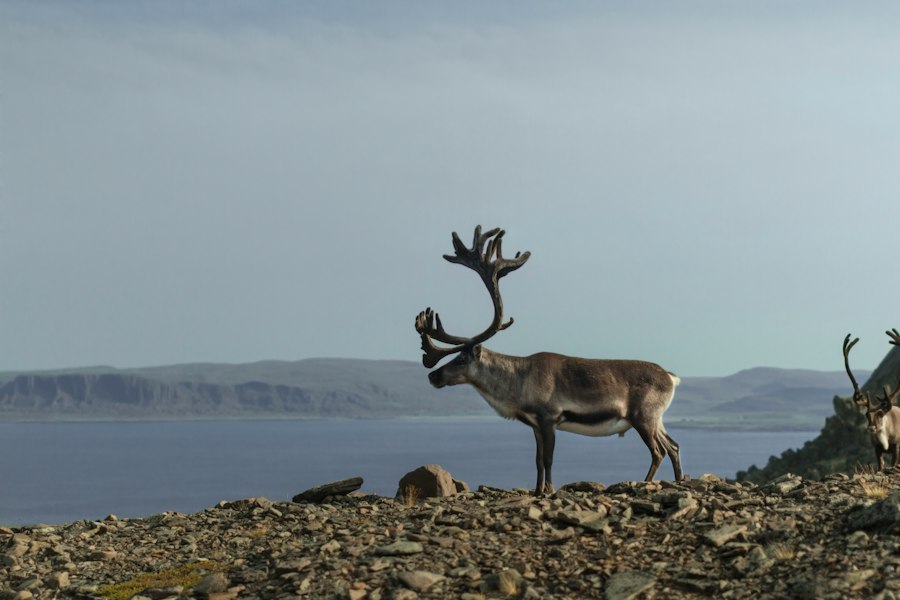
The world, often rendered a monochrome canvas by the relentless descent of winter’s snow, conceals a vibrant, secret life beneath its powdery embrace. For those with a keen eye and a patient spirit, the frozen landscape transforms into an open book, its pages filled with the stories of creatures who navigate the challenges of the season. Uncovering these hidden animal tracks beneath deep winter snow is an exercise in observation, deduction, and a profound connection with the wild. It is a testament to the resilience of nature, a whispered chronicle of survival and movement in a world seemingly brought to a standstill. The accumulation of snow, far from silencing the wilderness, merely shifts the narrative, demanding a new interpretation of the familiar.
The Unseen Pathways of the Wild
The deep blanket of winter snow, while beautiful and serene, presents a significant challenge for both humans and wildlife. For the animals that call these snow-laden landscapes home, movement becomes a strategic undertaking. Their every step, however ephemeral, leaves a trace, a fleeting signature pressed into the frozen earth or clinging to the delicate crystalline structures. These imprints, often overlooked by the casual observer, are invaluable clues to understanding animal behavior, population dynamics, and the intricate web of life that persists even in the harshest conditions. The ability to read these tracks is akin to deciphering an ancient language, a silent dialogue between the tracker and the tracked. It requires patience, practice, and a willingness to embrace the subtle nuances of the natural world. The snow, in its profundity, acts as a perfect medium, preserving these ephemeral messages for those who know how to look.
The Art of Snow Tracking
Snow tracking is an art form, a discipline honed through experience and a deep respect for the natural world. It begins with understanding the fundamental principles of how animals move and interact with their environment. Different species have distinct gaits, body masses, and pressures they exert on the snow, all of which contribute to the unique characteristics of their tracks. The depth of the snow also plays a crucial role, influencing how clear or obscured these impressions will be. A light dusting might reveal only the faintest outline, while a deep drift can sometimes preserve tracks for extended periods, offering a detailed snapshot of an animal’s journey. Beyond the mere identification of species, snow tracking can reveal a wealth of information. One can discern the speed at which an animal was traveling, whether it was foraging, hunting, or simply moving from one point to another. The presence of drag marks, disturbed snow, or scat can further enrich the story, providing clues about diet, health, and even reproductive status.
Recognizing the Subtleties of Impression
The clarity of an animal track is highly dependent on a multitude of factors. The type of snow itself – whether it is fresh, powdery, packed, or icy – will significantly alter the appearance of an imprint. Fresh snowfall, particularly if it is light and fluffy, can preserve remarkably detailed tracks, capturing the fine texture of fur or the distinct shape of claws. As snow compacts, either from subsequent snowfall or the passage of other animals, tracks can become shallower and less defined. Icy conditions, especially after a thaw and refreeze, can create hard, glassy surfaces where tracks might be completely obliterated or appear as distorted depressions. The temperature also plays a role; warmer temperatures can lead to melting around the edges of a track, causing it to “bloom” and lose its sharp definition, while extreme cold can freeze tracks in place, preserving them with exceptional clarity. Understanding these environmental variables is paramount to accurate interpretation.
Tools and Techniques for the Aspiring Tracker
To effectively uncover hidden animal tracks, a few essential tools and techniques can significantly enhance the experience. While the most important tool is undoubtedly a keen pair of eyes, a simple magnifying glass can be invaluable for examining the finer details of a track, such as the presence of claw marks or the texture of the snow within the imprint. A notebook and pencil are essential for recording observations, sketching track patterns, and noting environmental conditions. Photographs, taken from multiple angles and with a scale for reference, are also crucial for documentation. For deeper snow, snowshoes are indispensable for traversing the landscape without disturbing the very tracks one is trying to find. In areas with very deep snow, a sturdy stick or probe can be used to carefully clear away loose snow from the surface of a suspected track, revealing its true form. The importance of patience cannot be overstated; many tracks are subtle, requiring a slow, deliberate approach to discovery.
The Value of Environmental Awareness
Environmental awareness is the cornerstone of successful snow tracking. This encompasses a deep understanding of the local ecosystem, including the types of habitats that different animals prefer, their seasonal movements, and their typical foraging and resting behaviors. For instance, knowing that deer often travel along established trails, especially in deeper snow, can help narrow down areas to search. Understanding that foxes and other predators are more active during crepuscular hours can inform when to expect to find their tracks. Observing the landscape for signs of disturbed vegetation, droppings (scat), or cached food can also provide valuable context. The direction of the wind can influence how snow drifts and covers tracks, and awareness of this phenomenon can aid in locating them. Furthermore, recognizing the presence of water sources, even when frozen, can be a strong indicator of animal activity, as many species will congregate near them.
Exploring the fascinating world of wildlife tracking, especially in winter, can lead to unexpected discoveries beneath the snow. For those interested in understanding how animals navigate their environment during harsh conditions, a related article discusses the impact of infrastructure on wildlife movement and habitat. You can read more about this intriguing connection in the article found here: Mexico’s Infrastructure Boosts Nearshoring Opportunities.
Decoding the Language of Paw and Foot
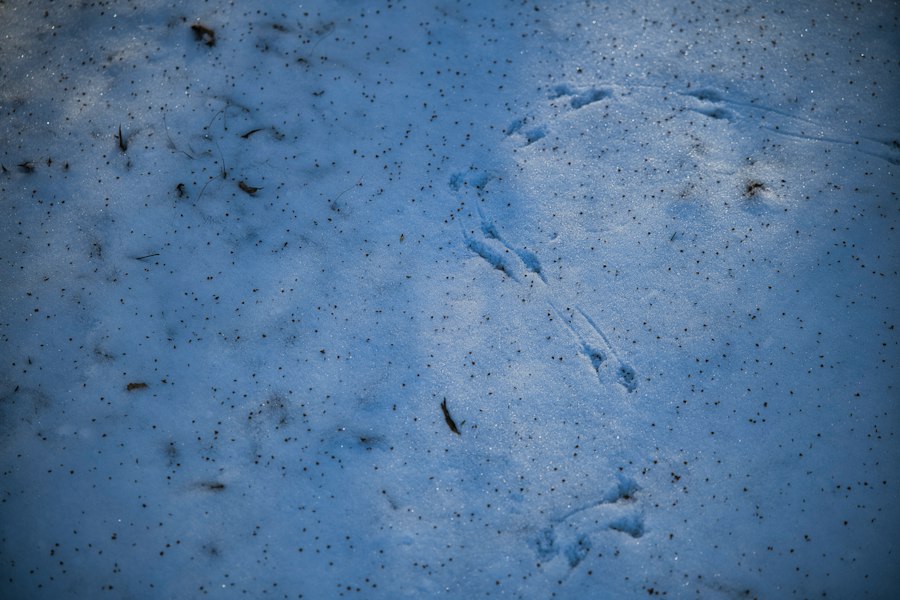
Once a track is discovered, the process of identification begins. This requires a systematic approach, considering various characteristics of the imprint. The size and shape of the track are primary identifiers. The presence or absence of claw marks is another critical clue. The stride length, the distance between successive tracks, and the gait pattern – whether an animal is walking, trotting, bounding, or hopping – provide further insights into the species and its movement. The arrangement of tracks in a straight line, a zig-zag pattern, or a more chaotic distribution can reveal information about the animal’s purpose. For example, a straight line of tracks might indicate a purposeful journey, while a scattered pattern could suggest foraging or searching.
Identifying the Culprits: Common Winter Trackers
Several common mammals leave their distinctive marks in the winter snow. Canids, such as foxes and coyotes, typically leave oval-shaped tracks with four toes and a prominent heel pad. The tracks are often in a straight line, a characteristic known as “direct register,” where the hind paws land in or near the prints of the forepaws. Deer, large herbivores, leave cloven hoof prints, with the front of the hoof often appearing sharper than the back. The size and spacing of these prints can indicate whether it is a doe or a buck, and their gait. Rodents, like squirrels and chipmunks, leave smaller, often paired tracks, sometimes with a distinctive “gallop” pattern where their hind legs propel them forward, leaving prints ahead of their forepaws. Their tracks often lead to or from trees or burrows.
The Distinctive Signatures of the Canidae Family
The Canidae family, which includes wolves, coyotes, and foxes, are among the most commonly observed track makers in winter environments. Their tracks are generally characterized by four toes and a distinct heel pad. The overall shape is typically oval. A key differentiator between species within this family lies in the size of the tracks and the presence or absence of claw marks. For instance, wolf tracks are considerably larger than those of a coyote or a fox. Coyotes, in turn, tend to have larger tracks than foxes. The claw marks of canids are usually visible, though their prominence can be affected by the snow conditions. A critical aspect of canid tracking is observing the gait. They often exhibit a “direct register” gait, where the hind paws land precisely in the impressions left by the forepaws. This conserves energy and minimizes disturbance of the snow. Analyzing the spacing between these registered prints can reveal the animal’s speed. A leisurely walk will have shorter strides than a purposeful trot or a bounding run.
The Imprints of the Cervidae Family
The Cervidae family, which includes deer and elk, are readily identifiable by their distinctive cloven hoof prints. These prints are essentially two elongated impressions side-by-side, separated by a V-shaped gap. The size of the hoof print is a primary indicator of species and age. A large, broad track likely belongs to a mature buck or an elk, while a smaller, narrower print might be a doe or a young deer. The depth of the impression can also offer clues about the animal’s weight. In deep snow, the deer’s legs can sink considerably, leaving deeper and more defined tracks. The arrangement of deer tracks can reveal their movement patterns. A single line of tracks often signifies a solitary deer moving with purpose, perhaps to a feeding area or a bedding site. Multiple parallel tracks may indicate a group of deer traveling together. Observing the distance between consecutive prints, known as the stride length, can indicate the speed of travel. A short stride suggests a slow walk, while a longer stride indicates a trot or a bounding gait.
The Smaller Footprints: Rodents and Other Critters
While large mammal tracks often dominate the winter landscape, the smaller imprints of rodents and other diminutive creatures tell their own vital stories. Squirrels, with their characteristic agility, leave a distinctive hopping or bounding pattern. Their forepaws are typically placed close together, followed by a larger, more splayed imprint from their hind legs, which are used for propulsion. This often creates a pattern resembling a series of small clusters. Chipmunks leave similar, albeit smaller, tracks, often in a more direct line as they scurry across the snow. Mice and voles create delicate trails of tiny prints, often appearing as a dashed line across the surface, frequently near the base of vegetation or under protective cover. Their movements are often dictated by the need for concealment from predators. Even the seemingly insignificant tracks of insects, like snow fleas, can be observed as minuscule dots in sheltered areas, hinting at the persistence of life at its smallest scales.
Navigating the Sub-Surface World: Small Mammal Trails
The world beneath the snow’s surface is a bustling metropolis for many small mammals. Voles, shrews, and mice create intricate tunnel systems within the subnivean zone – the space between the ground and the snowpack. While their tracks on the surface might be fleeting, their presence is often betrayed by subtle disturbances in the snow, such as small mounds or areas of disturbed snow, indicating where they have pushed snow aside to create or maintain their tunnels. In some cases, especially after a light snowfall, faint trails can be seen where these animals have traveled just beneath the surface, creating a slight ridge or depression. These sub-surface highways are vital for their survival, offering protection from the harsh elements and predators. Observing these subtle signs requires a close examination of the snow’s texture and any anomalies that deviate from the smooth expanse.
Beyond the Footprint: Signs of Life in the Snow
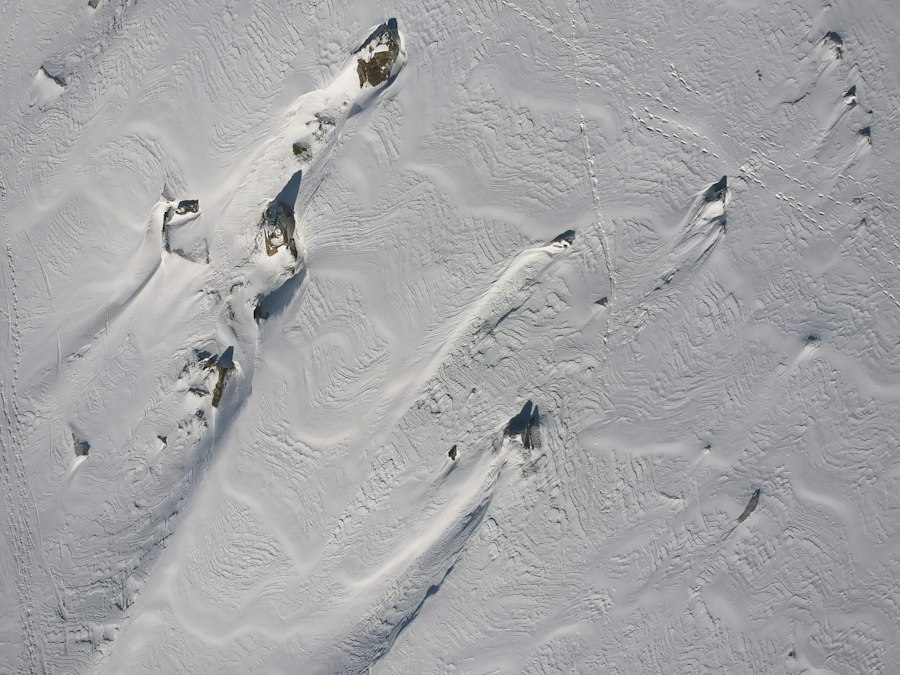
Animal tracks are not the only indicators of wildlife presence in the winter snow. Other subtle clues, when pieced together, can paint a vivid picture of the hidden activities of the natural world. Scat, though often overlooked, is a treasure trove of information, revealing dietary habits and species identification. Feeding signs, such as gnawed branches or dug-out areas in the snow, point to foraging activities. Animal burrows and dens, often camouflaged by the snow, are vital resting and shelter sites. Even the presence of fur or feathers snagged on branches can indicate an encounter between predator and prey.
The Tales Told by Droppings
Scat, or animal droppings, is one of the most valuable and often abundant signs of animal presence. In the winter snow, scat stands out in stark contrast to its surroundings, making it easier to spot and identify. The size, shape, consistency, and contents of scat provide a wealth of information about the animal that produced it. For example, the cylindrical shape and segmented appearance of deer pellets are distinctive. Fox scat is often small, pellet-like, and can contain remnants of fur, feathers, or seeds, reflecting their omnivorous diet. Coyote scat is typically larger, twisted in shape, and may also contain bone fragments or hair. The location of scat can also be informative; deer pellets are often found in areas where deer congregate to feed or rest, while the scat of a territorial animal might be deposited in prominent locations. Analyzing the contents of scat, either visually or with a magnifying glass, can reveal dietary preferences, hunting success, and even the health of the animal.
Interpreting the Contents of Scat
The detailed analysis of scat content can provide profound insights into an animal’s diet and ecological role. In the case of herbivores like deer, examining their droppings can reveal the types of vegetation they are consuming. For instance, the presence of woody twigs or specific plant matter can indicate their foraging habits during the lean winter months. For carnivores and omnivores, the examination of scat becomes even more revealing. The presence of fur, feathers, bone fragments, or insect exoskeletons within scat directly points to recent prey. The type of fur or feather can often identify the specific species of prey, allowing trackers to infer hunting patterns and predator-prey relationships. For example, finding rabbit fur in fox scat suggests that the fox has been actively hunting rabbits. Similarly, the presence of seeds or berries in scat indicates opportunistic feeding on available plant resources. This detailed examination allows for a more nuanced understanding of an animal’s place within the food web.
Signs of Foraging and Feeding
The winter landscape, though seemingly barren, provides sustenance for many animals, and their efforts to find food leave behind a trail of evidence. Deer often browse on twigs and buds of trees and shrubs, leaving behind chewed branches with distinctive marks. In areas where deer have been actively feeding, the snow might be disturbed from their efforts to dig for frozen grasses or buried vegetation. Squirrels are known for burying nuts and seeds, and their foraging activities can be seen as overturned snow or small piles of dug-up earth, often near the base of trees. Birds, such as woodpeckers, leave behind tell-tale signs as they tap into tree bark in search of insects. The presence of numerous small holes in the bark, sometimes accompanied by wood chips scattered on the snow below, indicates their diligent work. Even the simple act of a rabbit nibbling on available vegetation can leave subtle but recognizable marks on low-hanging branches.
The Evidence of Vegetation Consumption
The consumption of vegetation by herbivores in winter leaves behind a distinctive set of signs. Deer, for example, are known to browse on the buds, twigs, and bark of various trees and shrubs. The characteristic marks left by their incisors on gnawed branches are often discernible. These marks are typically smooth and angled, reflecting the way they strip vegetation. In areas with particularly deep snow, deer may also dig through the snow layer to access buried grasses or low-lying shrubs. These dug-out areas, often circular or elongated, are a clear indication of their foraging efforts. The species of plants being consumed can also be inferred from the type of damage observed, providing insights into the dietary preferences of the local deer population. The abundance or scarcity of specific browse species can also influence their movement patterns and the areas they frequent.
Shelter and Resting Places
Animals require shelter and resting places to conserve energy and escape the elements. In winter, these sites are often well-camouflaged and may require a trained eye to detect. The presence of animal burrows, particularly those of rodents like voles and rabbits, can be indicated by small holes in the snow, often at the base of trees or shrubs, or by mounds of snow that have been pushed up from below. Larger mammals, such as foxes and coyotes, may utilize natural shelters like rock crevices, hollow logs, or dense thickets for resting. The presence of disturbed snow, flattened areas, or scattered fur around these sites can signal their use. Even the tracks leading to and from these shelters provide valuable information about the animal’s daily routines and movement patterns.
Identifying Den Sites and Resting Areas
Identifying den sites and resting areas is crucial for understanding an animal’s behavior and habitat use. For burrowing animals like foxes and groundhogs (though groundhogs are typically hibernating in deep winter), the entrances to their dens are often characterized by a circular or oval opening in the snow, sometimes with a distinct pile of excavated snow nearby. The size of the opening is a good indicator of the species. Foxes might use existing burrows dug by other animals, or they may excavate their own. In areas with less snow, the exposed earth around a den entrance can be a giveaway. For animals that don’t burrow, like deer or coyotes, resting areas are often identified by flattened areas in the snow where they have bedded down. These “beds” might be accompanied by a scattering of fur or hair, especially if the animal has groomed itself. The location of these resting areas is often strategic, offering protection from wind and predators, and proximity to food sources.
The Broader Significance of Winter Tracking
Uncovering hidden animal tracks beneath deep winter snow is more than just a hobby; it is a valuable scientific endeavor. Wildlife biologists and ecologists utilize track surveys to monitor populations, study animal behavior, and assess the health of ecosystems. The information gleaned from these observations helps in conservation efforts, informing decisions about habitat management and the protection of vulnerable species. For the individual, the practice fosters a deeper appreciation for the natural world and its inhabitants, transforming a seemingly inert landscape into a dynamic narrative of survival and adaptation. It cultivates patience, observational skills, and a profound connection with the wild heart of winter.
Contributions to Wildlife Research
The meticulous recording and analysis of animal tracks in winter snow contribute significantly to the field of wildlife research. For population estimations, track counts along established transects can provide data on the relative abundance of different species. This is particularly important for elusive animals that are difficult to observe directly. Furthermore, the study of track patterns and gait analysis can reveal insights into an animal’s health and physical condition. Changes in stride length or the presence of limping can indicate injuries or illness. The direction and destination of tracks can also inform researchers about migration routes, seasonal movements, and the use of specific habitats. This data is invaluable for understanding the ecological needs of various species and for developing effective conservation strategies.
Monitoring Population Health and Dynamics
Winter track surveys serve as a critical tool for monitoring the health and dynamics of wildlife populations. The ability to identify and count tracks in snow allows researchers to estimate population sizes and density, especially for species that are less readily observed during other times of the year. This data is essential for understanding population trends – whether a population is growing, declining, or stable. Furthermore, the condition of the tracks themselves can provide clues about the overall health of a population. For instance, a high incidence of tracks showing signs of weakness or emaciation might indicate food scarcity or disease within the population. The presence or absence of young animals’ tracks can also shed light on reproductive success. By consistently monitoring these indicators over time, researchers can gain a comprehensive understanding of the long-term health and viability of wildlife populations.
Fostering Environmental Stewardship
The act of uncovering hidden animal tracks cultivates a profound sense of environmental stewardship. As individuals spend time in the winter wilderness, observing the subtle signs of life, they develop a deeper appreciation for the intricate balance of nature and the challenges faced by wildlife. This firsthand experience can inspire a greater commitment to conservation and sustainable practices. Understanding the life cycles and behaviors of animals, even when they are hidden beneath a blanket of snow, fosters empathy and a desire to protect their habitats. It transforms a passive observer into an active participant in the preservation of the natural world, encouraging responsible land use and a mindful coexistence with the wild.
Cultivating a Deeper Connection with Nature
The pursuit of animal tracks in winter is an inherently immersive experience that fosters a deep and personal connection with nature. It requires a shift in perspective, moving beyond the human-centric view of the world to embrace the rhythms and adaptations of other species. The quiet solitude of the snowy landscape, punctuated by the thrill of discovery, allows for a profound sense of presence and mindfulness. Each track uncovered is a testament to the resilience and ingenuity of life, a reminder that even in the harshest conditions, the natural world continues to thrive. This intimate engagement with the wilderness can lead to a lasting appreciation for its beauty, complexity, and intrinsic value, inspiring individuals to become advocates for its protection and a more harmonious relationship with the environment.
Exploring the mysteries of winter landscapes often leads to the discovery of hidden animal tracks beneath deep snow, revealing the secret lives of wildlife during the colder months. For those interested in understanding how these tracks can tell stories of survival and adaptation, a fascinating article discusses the ancient secrets of Antarctica and its ecosystems. You can read more about these intriguing insights in this related article, which highlights the importance of studying animal behavior in extreme environments.
The Ongoing Mystery of the Winter Wilderness
| Metric | Description | Typical Values | Measurement Tips |
|---|---|---|---|
| Snow Depth | Depth of snow covering the ground where tracks may be hidden | 30 cm to 100+ cm | Use a snow probe or ruler to measure vertical depth |
| Track Visibility | Degree to which tracks are visible beneath snow surface | Low to Moderate | Look for subtle depressions or disturbed snow layers |
| Snow Density | Compaction level of snow affecting track preservation | 0.1 to 0.5 g/cm³ | Use a snow density kit or estimate by snow hardness |
| Temperature | Ambient temperature influencing snow condition and track clarity | -20°C to 0°C | Measure with a thermometer; colder temps preserve tracks better |
| Time Since Snowfall | Duration since last snowfall which may cover or obscure tracks | Hours to several days | Check weather reports or observe snow layering |
| Animal Species | Type of animal whose tracks are being searched for | Deer, Fox, Rabbit, Moose, Squirrel | Identify based on track size and shape once found |
| Track Size | Approximate size of animal tracks beneath snow | 2 cm to 15 cm in length | Measure with a ruler or estimate based on species |
| Snow Surface Texture | Texture of snow surface affecting track detection | Powdery, Crusty, Icy | Observe snow surface for crust or powder layers |
As the snow continues to fall and the winter landscape transforms, the opportunity to unravel the mysteries of the wild remains. Each fresh snowfall presents a blank canvas, inviting further exploration and discovery. The hidden animal tracks beneath the deep winter snow are not merely imprints in the frozen earth; they are stories waiting to be read, lessons waiting to be learned, and a constant reminder of the vibrant, unseen life that perseveres through the coldest of seasons. The winter wilderness, far from being dormant, is a stage set for a silent, compelling drama, and for those who are willing to look, the tracks provide the script. The continued observation and interpretation of these ephemeral messages will undoubtedly reveal further insights into the remarkable lives of the creatures that share our planet, enriching our understanding and our commitment to their preservation. The ongoing quest to decipher these winter narratives promises a wealth of knowledge and a deeper connection with the enduring spirit of the wild.

➡️Life 20,000 Years Ago | When Strangers Claim Your Winter Shelter 🚨
FAQs
What types of animal tracks can be found beneath deep winter snow?
In winter, various animals leave tracks in the snow, including mammals like deer, foxes, rabbits, and coyotes. Birds may also leave tracks, as well as smaller animals like squirrels and mice. The type of tracks can vary based on the animal’s size, gait, and behavior.
How can I identify animal tracks in the snow?
To identify animal tracks, look for the shape, size, and pattern of the footprints. Note the number of toes, the presence of claws, and the spacing between tracks. Additionally, observing the surrounding area for signs of movement, such as disturbed snow or scat, can provide further clues.
What tools can help in finding hidden animal tracks in snow?
Tools such as a camera for documenting tracks, a field guide for identifying animals, and a measuring tape for assessing track size can be helpful. Binoculars may also assist in spotting animals from a distance. A snow shovel can be used to clear away snow to reveal hidden tracks.
Why is it important to study animal tracks in winter?
Studying animal tracks in winter helps researchers and wildlife enthusiasts understand animal behavior, migration patterns, and habitat use. It can also provide insights into the ecosystem’s health and the interactions between different species during the harsh winter months.
What should I do if I find animal tracks in the snow?
If you find animal tracks, take the time to observe and document them without disturbing the area. You can take photographs, sketch the tracks, or note their location. If you’re interested in tracking the animal, follow the tracks cautiously to learn more about its behavior and movements.