The dawn of humanity was a precarious existence, a constant dance with the forces of nature. Survival hinged on the ability to secure food, shelter, and protection. While individual prowess undoubtedly played a role, the true engine of early human success, the key that unlocked greater resource acquisition and fostered resilience, was cooperative hunting. This wasn’t merely a loosely formed gathering of individuals; it was a sophisticated, evolving strategy that saw early human families and small groups pooling their strengths, knowledge, and efforts to achieve what none could accomplish alone. The evolution of cooperative hunting is intrinsically linked to the development of complex social structures, enhanced communication, and the very essence of what it means to be human. It was a profound shift from solitary pursuits to collective endeavors, a testament to the power of collaboration in the face of formidable challenges.
The Evolutionary Imperative for Collaboration
The vast majority of our primate relatives are opportunistic feeders, often relying on scavenging or the capture of small prey. The transition to a more meat-inclusive diet, which provided denser calories and essential nutrients crucial for brain development, presented a significant evolutionary hurdle for early hominins. Many of the megafauna that roamed the Pleistocene landscapes were far too large, powerful, and dangerous for a single individual, even a skilled hunter, to tackle. Lions, sabre-toothed cats, and enormous herbivores represented both a potential bounty and an existential threat. The inherent risks of solitary hunting, coupled with the limited success rates against larger prey, created a powerful selective pressure favoring individuals and groups who could coordinate their efforts.
Overcoming the Challenges of Large Prey
Imagine a lone hominin attempting to bring down a mammoth or a woolly rhinoceros. The sheer size and strength of these animals meant that even a direct attack would likely result in severe injury or death for the hunter. However, when a group worked together, they could employ a variety of strategies. They could use their numbers to surround the animal, to drive it towards natural traps like cliffs or bogs, or to overwhelm it with coordinated attacks using primitive spears and other tools. This division of labor and collective action significantly increased the probability of success while simultaneously mitigating the risks to individual hunters. The ability to share the spoils, even if unevenly at first, also provided a crucial buffer against starvation and ensured a more consistent food supply for the group, including vulnerable young and elderly members.
The Social Glue of Shared Success
Cooperative hunting wasn’t just about acquiring food; it was a potent social bonding agent. The shared experience of planning, executing, and celebrating a successful hunt fostered trust, reciprocity, and a sense of collective identity. The knowledge and skills necessary for successful coordination had to be passed down through generations, leading to the development of complex communication systems, including vocalizations, gestures, and eventually, language. The successful hunter was not just an individual provider but a vital member of a cooperative unit. The group’s survival depended on the effective functioning of this unit, making social bonds and cooperation paramount. This shared success created a feedback loop: successful cooperation led to greater survival and reproduction, which in turn reinforced the advantages of cooperative strategies.
Recent studies have highlighted the significance of cooperation among early human families in enhancing hunting success, shedding light on the social dynamics that contributed to survival. This collaboration not only improved efficiency in hunting but also fostered stronger social bonds within groups. For further insights into how cooperation has shaped human societies, you can explore a related article discussing modern economic shifts and their implications for global cooperation at this link.
The Mechanics of Early Cooperative Hunts
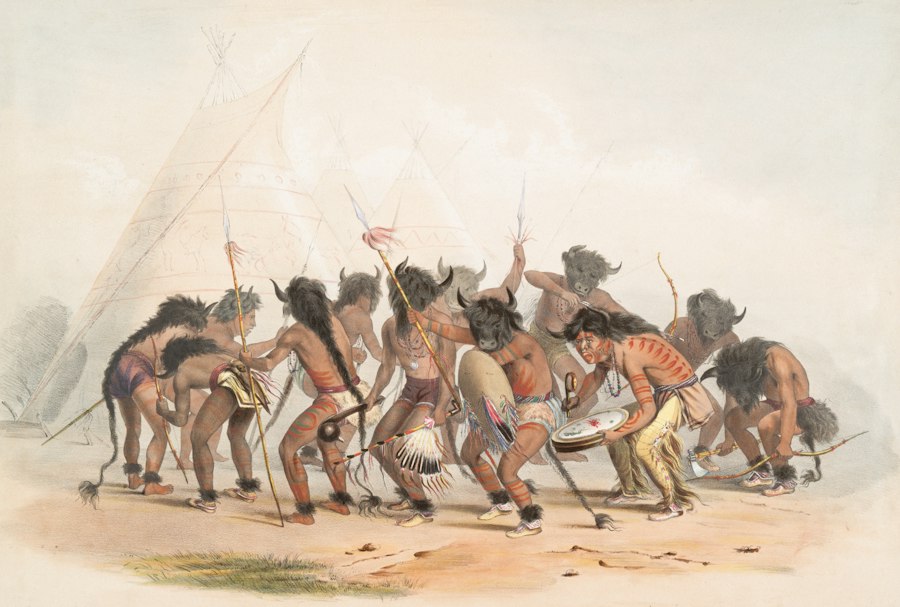
The effectiveness of cooperative hunting was not accidental; it was the product of developing strategies and rudimentary tools that allowed early humans to exploit the environment more efficiently. While the exact specifics of every hunt are lost to time, archaeological evidence and comparative studies of modern hunter-gatherer societies offer valuable insights into the likely methods employed. These methods involved careful observation, strategic planning, and the coordinated execution of tasks by multiple individuals. The success of these hunts was a direct reflection of the group’s ability to synchronize their actions and leverage their collective intelligence.
Strategic Encirclement and Driving Tactics
One of the most fundamental tactics employed would have been encirclement. A group of hunters could spread out, forming a wide arc behind a chosen animal or herd. Through coordinated movements and vocalizations, they would then systematically drive the prey towards a predetermined location. This location could be a steep drop-off, a swampy area that would impede the animal’s escape, or simply a more confined space where the hunters could effectively corner their quarry. The psychological impact of being pursued by multiple individuals, coupled with the physical exertion of being driven, would have further disoriented and weakened the prey, making it more vulnerable to attack. The hunters, by remaining relatively safe behind the animal during the initial driving phase, could conserve their energy for the final assault.
Exploiting Terrain and Natural Traps
Early humans were astute observers of their environment and learned to use it to their advantage. Cliffs, ravines, and dense thickets could all be leveraged as natural traps. A coordinated drive could lead a large animal over a precipice, immediately incapacitating or killing it. Alternatively, an animal could be driven into a deep pit, a natural bog, or a narrow canyon from which escape was impossible. These tactics reduced the need for direct confrontation and the associated risks. The success of these strategies depended on meticulous reconnaissance, understanding the local topography, and the ability to predict the prey’s likely responses to being cornered. The group’s collective memory of successful past hunts and the knowledge of the terrain would have been invaluable in planning these ambushes.
The Role of Communication and Coordination
Effective communication was the linchpin of successful cooperative hunting. Long before spoken language as we know it, early humans likely used a sophisticated system of grunts, calls, gestures, and body language to convey information. These signals could communicate the presence of prey, indicate the direction of movement, signal danger, and coordinate attacks. A well-timed shout could initiate a chase, a specific hand signal might direct hunters to flank an animal, and a series of rhythmic calls could maintain the cohesion of the hunting party. The ability to maintain this complex communication under duress, with the noise and chaos of a hunt, speaks volumes about the cognitive and social sophistication of our ancestors. The development of shared symbolic communication was not merely a byproduct of cooperation; it was an essential component that facilitated and refined it.
The Division of Labor and Specialization
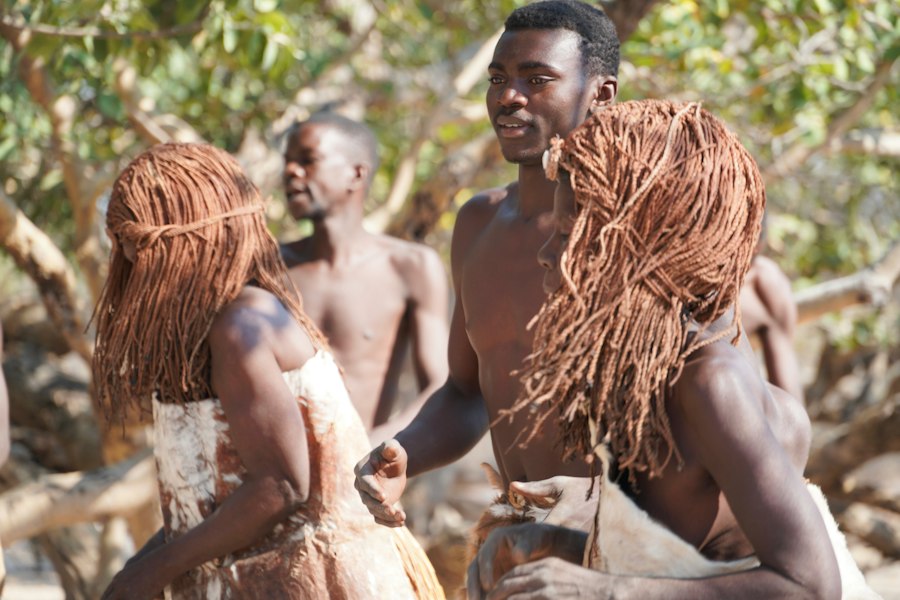
As cooperative hunting evolved, so too did the roles within the hunting group. It became increasingly advantageous for individuals to specialize in certain tasks, maximizing efficiency and the overall success of the hunt. This division of labor, akin to that seen in more complex societies, allowed for a more systematic and effective approach to acquiring food. Not everyone needed to be an expert spear-thrower; some could be adept at tracking, others at flanking, and still others at driving the prey. This specialization not only increased the success rate of hunts but also strengthened social bonds as individuals relied on each other’s unique skills.
Trackers and Scouts: The Eyes of the Group
The success of any hunt began long before the actual pursuit. Dedicated trackers and scouts played a crucial role in locating prey. These individuals possessed an intimate knowledge of animal behavior, including their migration patterns, feeding habits, and preferred resting places. They could read subtle signs in the environment – broken twigs, disturbed vegetation, animal droppings, and faint footprints – to ascertain the presence, species, and direction of movement of potential prey. Their findings were then communicated to the wider group, allowing for the planning of an ambush or a strategic drive. This early form of intelligence gathering was essential, as many large animals were elusive and could easily evade solitary hunters. The skills of these individuals were highly valued and likely honed through years of dedicated observation and practice.
The Spear-Throwers and Bushwhackers: The Attack Force
Once prey was located and a strategy devised, the primary hunters – those responsible for the direct engagement – would take their positions. This often involved individuals skilled in the use of projectile weapons like spears, atlatls (spear-throwers), and possibly early bows and arrows. These individuals would position themselves for optimal ambush or to deliver critical blows during a chase. Other members of the group might act as ‘bushwhackers’ or ‘flankers,’ positioned to intercept the prey if it attempted to break away or to drive it towards the main force. The coordination required to ensure that these different roles were performed in concert, at the right time, was immense. A misstep by one individual could compromise the entire operation, highlighting the critical importance of discipline and adherence to the agreed-upon plan.
The Drivers and Herders: Guiding the Prey
A crucial, often overlooked, aspect of cooperative hunting was the role of individuals who acted as drivers or herders. These individuals, often positioned behind the prey, would use noise, movement, and their presence to encourage the animal to move in a desired direction. They were not necessarily the primary attackers but were essential for controlling the pace and direction of the hunt. Their actions could be subtle, guiding the herd towards a prepared ambush, or more assertive, actively pushing a stray animal into the main hunting party. This role required a degree of bravery and an understanding of animal psychology, knowing how to influence their movement without provoking an aggressive charge. The synergy between the drivers and the attackers was fundamental to the success of many drives.
Sustaining the Group: Food Sharing and Social Cohesion
The benefits of cooperative hunting extended far beyond the immediate kill. The ability to consistently bring down larger, more nutritious prey provided a more stable and abundant food source for the entire family or group. This surplus was then typically shared, fostering strong social bonds and ensuring the survival of all members, including the young, the elderly, and those who were less directly involved in the hunt itself. This equitable distribution of resources was a hallmark of early human societies and a key factor in their long-term success.
The Morality of the Kill: Sharing the Bounty
The concept of sharing the spoils of a cooperative hunt was likely one of the earliest forms of altruism and reciprocal behavior in human evolution. It was understood that the group’s collective effort had brought down the food, and therefore, everyone deserved a share. While the exact distribution mechanisms may have varied, the principle of sharing was crucial for maintaining social cohesion. This meant that individuals who were injured, too young, or too old to hunt still received sustenance, ensuring the continuity of the group. This act of sharing, a tangible demonstration of mutual reliance, would have solidified the bonds between individuals and reinforced the advantages of belonging to a cooperative unit. It was a practical application of the understanding that “we are stronger together.”
Ensuring the Next Generation: Nourishing the Young and Vulnerable
Cooperative hunting played a vital role in ensuring the survival of future generations. The higher caloric and nutrient intake from a more consistent meat supply was crucial for the physical and cognitive development of children. Mothers, freed from the constant burden of foraging for meager scraps, could dedicate more time to nurturing their offspring. The elderly, who possessed invaluable knowledge and experience, were also supported by the group, their wisdom contributing to future hunting strategies and the overall survival of the community. This investment in the young and vulnerable was not merely an act of compassion; it was a strategic imperative for the long-term viability of the species. A healthy population of children and a repository of ancestral knowledge were essential for the continuation of cooperative hunting traditions.
The Foundation of Culture and Social Norms
The rituals and practices surrounding cooperative hunting likely contributed significantly to the development of early human culture and social norms. The planning of hunts, the division of labor, the methods of processing and sharing meat, and the celebration of success all fostered shared understandings and expectations. These practices, repeated over generations, would have become ingrained traditions, shaping the collective identity and behavior of the group. Taboos related to hunting, specific hunting grounds, and the roles of different individuals within the hunt could have emerged, establishing a framework for social order. In essence, cooperative hunting provided a practical, recurring arena for the development of the complex social structures and cultural elements that define humanity.
Recent studies have highlighted the importance of cooperation among early human families, particularly in the context of hunting success. By working together, these groups were able to increase their chances of securing food, which played a crucial role in their survival and development. For a deeper understanding of how collaboration has shaped human progress, you can explore a related article that discusses the implications of teamwork in various environments, including the challenges of securing long-term human presence on the moon. Check it out here.
The Legacy of the Hunt: Shaping Human Evolution
| Metric | Description | Estimated Value | Impact on Hunting Success |
|---|---|---|---|
| Group Size | Number of individuals cooperating during a hunt | 5-15 members | Increased coordination and ability to take down larger prey |
| Communication Efficiency | Ability to share information and signals during hunting | Moderate to High | Improved strategy and timing, leading to higher success rates |
| Role Specialization | Division of labor such as trackers, drivers, and ambushers | Present in most groups | Enhanced effectiveness and efficiency in hunting |
| Cooperation Duration | Length of time families cooperate regularly | Several weeks to months | Builds trust and improves coordinated hunting tactics |
| Hunting Success Rate | Percentage of hunts resulting in a kill | 30-50% | Higher than solitary hunting due to teamwork |
| Sharing of Resources | Distribution of meat among cooperating families | Equitable sharing common | Strengthens social bonds and encourages future cooperation |
The impact of cooperative hunting reverberates through our evolutionary history, shaping not only our physical traits but also our cognitive abilities and social structures. The pressures and rewards associated with collaborative hunting provided a powerful selective force, favoring individuals and groups who could effectively communicate, plan, and work together. The legacy of this ancient practice can still be observed in human behavior and social organization today, a testament to its profound importance in our journey from early hominins to modern humans.
Cognitive and Communication Advancements
The demands of cooperative hunting were a significant catalyst for cognitive evolution. The need to strategize, anticipate prey behavior, coordinate complex actions, and communicate effectively spurred the development of advanced problem-solving skills, memory capacity, and abstract thought. The intricate planning required for a successful hunt, involving understanding cause and effect, predicting outcomes, and adapting to changing circumstances, would have driven neural development. Furthermore, the necessity of precise and nuanced communication to coordinate group efforts would have been a powerful force in the evolution of language. The ability to share information about the environment, to plan future actions, and to convey complex instructions laid the groundwork for the sophisticated communication systems that underpin human society.
The Rise of Complex Social Structures
Cooperative hunting was intrinsically linked to the development of more complex social structures. The need for coordinated action fostered the formation of tighter-knit family units and larger social groups. Within these groups, hierarchies may have emerged based on hunting prowess, leadership qualities, or accumulated knowledge. The practice of sharing resources also encouraged reciprocal relationships and the development of social contracts. The long-term success of a group depended on its ability to maintain internal harmony and cooperation, making social intelligence and the ability to navigate complex social dynamics highly advantageous. These early social structures, born out of the necessity of collaborative survival, provided the foundation for the intricate societies we live in today.
A Continuous Influence on Human Behavior
Even in the modern world, the echoes of cooperative hunting persist. While our methods of acquiring food have changed dramatically, the underlying principles of collaboration, resource sharing, and specialization remain relevant in many aspects of human life. Teamwork in the workplace, community efforts, and even the development of complex civilizations can be seen as extensions of this ancient drive to cooperate for mutual benefit. The innate human capacity for empathy, altruism, and social bonding, so crucial for the success of early hunting parties, continues to shape our interactions and our understanding of what it means to be part of a community. The evolutionary advantage gained by our ancestors through their shared hunts has left an indelible mark on our species, a testament to the enduring power of cooperation.
➡️Life 20,000 Years Ago | When Strangers Claim Your Winter Shelter 🚨
FAQs
What role did cooperation play in early human hunting strategies?
Cooperation among early human families was crucial for hunting success as it allowed individuals to combine their strengths and skills. By working together, they could coordinate their efforts to track, ambush, and capture larger prey that would be difficult to hunt alone. This collaborative approach increased their chances of securing food, which was essential for survival.
How did early human families communicate during hunts?
Early human families likely used a combination of vocalizations, gestures, and body language to communicate during hunts. These forms of communication helped them coordinate movements, signal danger, and share information about the location of prey. Effective communication was vital for ensuring that all members of the group were aligned in their hunting strategies.
What types of prey did early human families typically hunt together?
Early human families often hunted large game such as mammoths, bison, and deer, which required teamwork to successfully capture. These animals provided substantial amounts of meat, fat, and other resources, making them valuable targets for cooperative hunting efforts. Smaller game, such as rabbits and birds, were also hunted, but larger prey offered greater rewards for the group.
What evidence supports the idea of cooperation in early human hunting?
Archaeological findings, such as the remains of large animal bones found in communal sites, suggest that early humans hunted in groups. Additionally, cave paintings and artifacts depicting hunting scenes indicate organized group efforts. Studies of modern hunter-gatherer societies also provide insights into how cooperation enhances hunting success, supporting the idea that early humans employed similar strategies.
How did cooperation in hunting impact social structures among early human families?
Cooperation in hunting likely fostered stronger social bonds and interdependence among early human families. Successful hunts required trust and collaboration, which may have led to the development of social hierarchies and roles within groups. This cooperation not only improved hunting success but also contributed to the formation of larger social networks and communities, enhancing overall survival and resource sharing.