Ancient Wisdom for Modern Challenges: Sheltering the Young
The biting cold of winter has always been a formidable adversary for humanity, a stark reminder of our vulnerability in the face of nature’s powerful forces. For those with the earliest stages of life, this challenge is amplified immeasurably. Protecting infants and young children from freezing temperatures was, and remains, a paramount concern for survival. While modern society boasts heated homes, insulated clothing, and advanced medical care, the fundamental principles of safeguarding the vulnerable from the cold have roots stretching back to our earliest ancestors. Examining prehistory offers invaluable lessons, revealing the innate strategies and profound ingenuity that enabled our ancestors to ensure the survival of their youngest generations against the relentless chill. These ancient insights, though born of necessity in a vastly different world, hold surprising relevance for contemporary discussions on child welfare and environmental adaptation.
In the context of protecting children from freezing temperatures, it’s essential to consider historical practices that have evolved over time. Prehistoric communities developed various strategies to ensure the safety and warmth of their young ones during harsh winters. These methods included the use of animal skins for insulation and the construction of shelters that could withstand extreme cold. For a modern perspective on survival strategies in uncertain times, you might find the article on financial tips useful, as it draws parallels between preparing for environmental challenges and economic hardships. You can read more about it here: Surviving a Dollar Crash: Financial Tips for Uncertain Times.
The Genesis of Protection: Early Human Strategies Against the Cold

The story of human evolution is inextricably linked to our ability to adapt to diverse and often harsh environments. The emergence of Homo sapiens and our preceding hominin relatives saw populations spread across continents, encountering a spectrum of climates, including frigid ones. Survival, particularly for the most fragile members of the group, depended on a sophisticated understanding and manipulation of the immediate environment, coupled with a profound, instinctual drive to nurture and protect.
The Crucial Role of Shelter in Prehistoric Life
Long before the advent of permanent structures, early humans relied on natural formations and rudimentary constructions for shelter. Caves and rock overhangs, offering a degree of insulation from wind and precipitation, were invaluable resources. These naturally occurring refuges provided a stable temperature, shielding inhabitants from the direct onslaught of the elements. However, their availability was geographically limited, and often required considerable effort to secure and maintain.
Beyond natural formations, evidence suggests the construction of temporary shelters. Archaeological findings, though often fragmented, point towards the use of animal hides, branches, and mammoth bones to create windbreaks and rudimentary roofs. The primary objective of these early shelters was not necessarily to create a warm microclimate in the modern sense, but rather to minimize heat loss by reducing exposure to wind and direct cold. The concept of a shared living space within these shelters was also crucial. Huddling together, particularly for infants and children, provided a vital source of shared body heat. This communal warmth was a primitive but effective form of thermoregulation, essential for survival in sub-zero temperatures.
The Significance of Fire: A Game Changer for Infant Survival
The mastery of fire represented a monumental leap forward in human technological and social development, and its impact on infant survival in cold climates cannot be overstated. Fire provided not only light and a means of cooking food but also a crucial source of warmth. In prehistoric societies, a central hearth would have been the focal point of any living space, offering a localized zone of elevated temperature.
For infants and young children, who possess less developed thermoregulation and higher metabolic rates relative to their body mass, this warmth was life-sustaining. They could be positioned closer to the fire, deriving direct heat that would have been impossible to achieve through body heat alone. The careful management of fire, ensuring it remained lit, especially during the long, cold nights, would have been a communal responsibility. This highlights the deeply ingrained social cooperation that was essential for the survival of the entire group, with particular attention paid to the needs of the most vulnerable. The ability to extend the active hours of the day and to create a warmer indoor environment allowed for greater comfort and reduced the constant threat of hypothermia, enabling infants to survive periods of extreme cold that might otherwise have been fatal.
Early Forms of Clothing and Insulation: Adapting to the Elements
The development of clothing and effective insulation techniques was another critical adaptation that allowed early humans to thrive in colder regions. This was not simply a matter of covering the body but involved a sophisticated understanding of materials and their insulating properties.
The Ingenuity of Animal Hides and Furs
Animal hides, particularly those of larger mammals, would have been a primary resource for clothing. The process of preparing these hides – scraping, stretching, and drying – would have been a laborious but essential task. The fur itself, with its natural loft and ability to trap air, provided excellent insulation. The way hides were fashioned into garments, perhaps wrapped and tied rather than precisely tailored, would have been dictated by the available tools and techniques.
For infants, these hides likely served as rudimentary swaddling or sleeping coverings. Wrapped tightly in warm furs, they would have been protected from direct cold. The understanding of which animal skins provided the best insulation would have been passed down through generations, a vital piece of environmental knowledge. The use of multiple layers, where available, would have further enhanced insulation, mirroring the principles of modern layering systems. The inherent waterproof qualities of some hides also offered protection against dampness, another significant factor in heat loss.
Beyond Clothing: Utilizing Natural Insulators
Prehistoric peoples likely employed a variety of natural materials beyond animal hides to enhance insulation. This could have included using dried grasses, mosses, or even leaves to stuff into clothing or to line shelters. These materials, when packed together, create air pockets that trap heat. Imagine an infant nestled within a bed of dried leaves, covered by layers of fur – this would have offered a surprisingly effective barrier against the cold.
The knowledge of where to find and how to process these materials would have been acquired through extensive observation and experimentation. This resourcefulness demonstrates an intimate connection with the natural world, where every available element was assessed for its potential to contribute to survival. The ability to create a portable, insulated microenvironment for infants, even if rudimentary, was a testament to this deep understanding of natural insulation. This could have involved creating insulated carriers or bedding that could be brought closer to the fire or moved to more sheltered locations.
Communal Care and Behavioral Adaptations: The Social Fabric of Survival
Beyond material innovations, the protection of the youngest members of prehistoric societies also rested heavily on social structures and learned behaviors. The survival of infants in freezing temperatures was not an individual endeavor but a collective responsibility, woven into the fabric of early human communities.
The Importance of Huddling and Shared Warmth
As mentioned previously, huddling – the practice of close physical proximity for shared body heat – was a fundamental behavioral adaptation. In the absence of advanced heating systems, communal sleeping arrangements around a central fire would have been the norm. Infants and young children, particularly vulnerable to cold, would have been placed in the warmest central positions, nestled between adults. This direct transfer of body heat was an immediate and effective way to maintain core temperature.
This practice also highlights the strong social bonds within these groups. The willingness to share body heat, even at the cost of personal comfort, underscores the deep-seated instinct to protect the next generation. The physical closeness also facilitated constant monitoring. Adults could easily detect signs of distress in infants – shivering, lethargy, or crying – and respond promptly by moving them closer to the fire, adjusting their coverings, or providing comfort. This constant vigilance was a crucial element of prehistoric childcare.
The Role of Maternal and Paternal Caregivers
The primary caregivers, often mothers, played a pivotal role in protecting infants from the cold. Beyond providing milk and basic nourishment, mothers would have been acutely aware of their infant’s thermal needs. They would have actively managed their infant’s exposure to the elements, ensuring they were adequately covered and positioned near sources of warmth.
However, it is crucial to recognize that childcare in prehistory was likely a more communal affair than it often appears in modern Western societies. While mothers bore the primary responsibility, other adults within the group, including fathers, older siblings, and other community members, would have contributed to the infant’s care and protection. This shared responsibility would have provided a crucial support system, allowing caregivers to rest and recover while ensuring the infant remained safe and warm. The transfer of knowledge regarding infant care, including specific techniques for keeping young children warm, would have been an ongoing process within these groups.
In prehistory, protecting children from freezing temperatures was a crucial aspect of survival, as early humans developed various strategies to ensure their well-being in harsh climates. One effective method involved creating insulated shelters and utilizing animal hides for warmth. Additionally, the community often came together to share resources and knowledge, fostering a sense of unity in the face of adversity. For further insights into how ancient societies adapted to environmental challenges, you can read more in this related article on combatting desertification and preserving our land.
Lessons for the Present: Applying Prehistoric Wisdom to Modern Challenges
| Metric | Prehistoric Protection Methods | Estimated Effectiveness | Notes |
|---|---|---|---|
| Clothing Materials | Animal skins and furs | High | Provided insulation and wind protection |
| Shelter Types | Caves, huts made from wood, bones, and hides | Moderate to High | Protected from wind and precipitation |
| Fire Use | Controlled fire near sleeping areas | High | Provided warmth and deterred predators |
| Group Sleeping | Huddling together for shared body heat | Moderate | Reduced heat loss in children |
| Feeding Practices | High-calorie diets to increase body heat | Moderate | Helped maintain energy and warmth |
While the stark realities of prehistoric life are a world away from our contemporary existence, the lessons learned from how our ancestors protected their most vulnerable from the cold offer valuable insights and a renewed appreciation for fundamental principles. In an era where climate change presents new and escalating environmental challenges, and where social support systems can sometimes be fragmented, these ancient strategies resonate with surprising relevance.
The Enduring Power of Community and Shared Responsibility
One of the most profound lessons from prehistory is the power of community and shared responsibility in safeguarding children. In modern societies, while we have sophisticated institutions and professional services dedicated to child welfare, the erosion of close-knit community ties can leave families feeling isolated, especially during times of hardship. The prehistoric model of collective care, where the well-being of every child was a concern for the entire group, serves as a powerful reminder of the importance of fostering strong social connections. Encouraging neighborhood support networks, intergenerational relationships, and community-based initiatives that provide practical assistance and emotional support to families can help replicate this essential safety net. The emphasis on shared warmth around a communal hearth can be translated into creating welcoming and supportive environments in community centers, schools, and even within extended families, where children can find comfort and security.
The Importance of Environmental Awareness and Resourcefulness
Prehistoric peoples possessed an intimate knowledge of their environment and were masters of resourcefulness. Their ability to utilize natural materials for insulation and to adapt their behavior to prevailing conditions is a stark contrast to our often-detached relationship with the natural world. In the context of modern climate challenges, this translates to a renewed emphasis on environmental awareness and sustainable practices. Educating children about the natural world, fostering an appreciation for its resources, and teaching practical skills related to energy conservation and adaptation can equip them with a sense of agency and resilience. Furthermore, the understanding of effective insulation techniques, even at a basic level, can be applied to home energy efficiency and reducing reliance on energy-intensive heating systems. This encourages a more mindful and sustainable approach to living, mirroring the resourcefulness of our ancestors.
Revaluing Basic Needs and Instinctual Care
In an age often characterized by technological advancement and the pursuit of convenience, the lessons from prehistory encourage us to revalue basic needs and instinctual caregiving. The unwavering focus on warmth, shelter, and physical proximity for infants in freezing conditions highlights the fundamental biological and psychological requirements for a child’s well-being. This prompts reflection on whether modern practices, in their pursuit of certain ideals, might sometimes inadvertently neglect these core needs. Ensuring adequate access to safe and warm living spaces, promoting secure attachment through physical closeness, and fostering a nurturing environment that prioritizes a child’s fundamental comfort are timeless principles. The emphasis on constant vigilance and responsiveness, so critical for prehistoric infants, also serves as a reminder that even with advanced technology, the human touch and attentive care remain paramount in ensuring a child’s safety and development. Prehistory reminds us that at the heart of protecting the vulnerable lies a fundamental understanding of their innate needs and a deep-seated human drive to meet them.
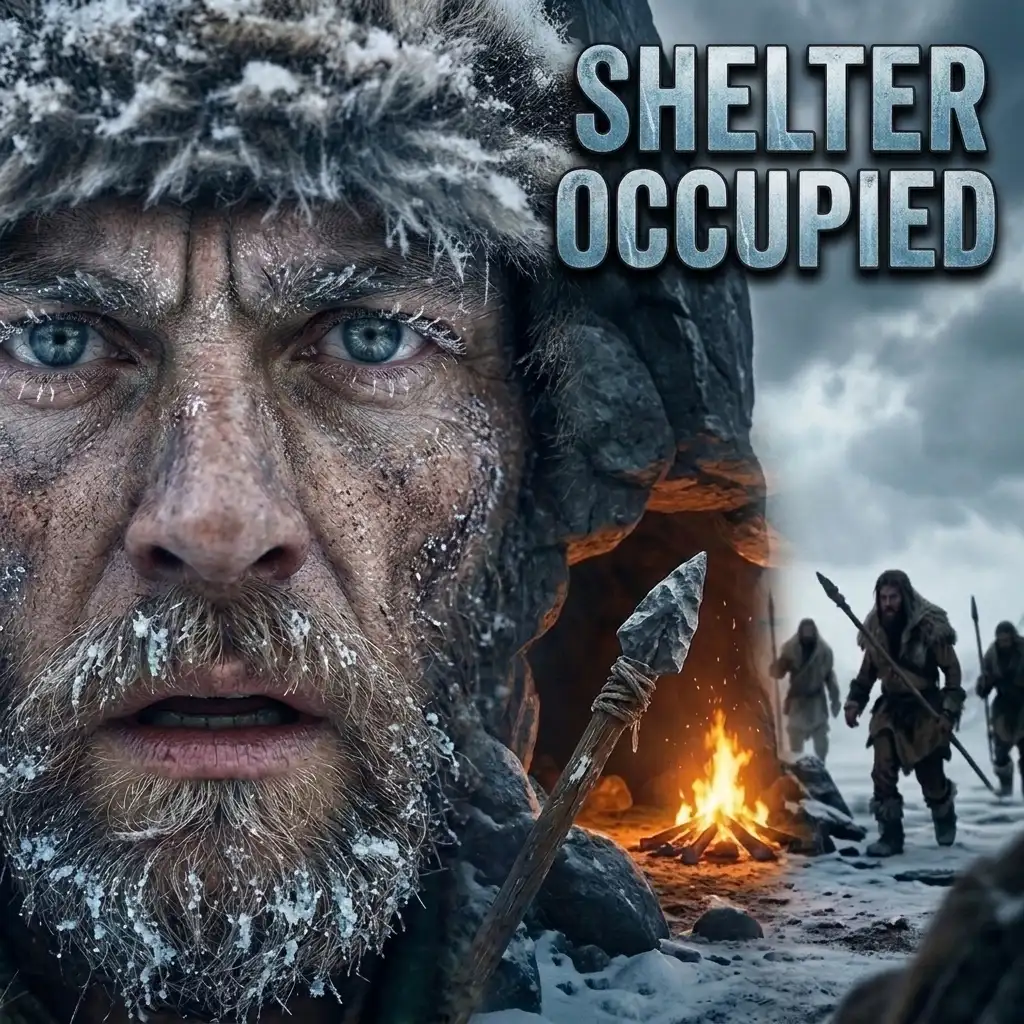
➡️Life 20,000 Years Ago | When Strangers Claim Your Winter Shelter 🚨
FAQs
What strategies did prehistoric humans use to protect children from freezing temperatures?
Prehistoric humans employed various strategies to protect children from freezing temperatures, including the use of animal hides and furs for clothing, creating insulated shelters, and building fires for warmth. They also likely used communal living arrangements to share body heat and resources.
How did the availability of materials influence the protection of children from cold weather in prehistory?
The availability of materials such as animal skins, bones, and plant fibers significantly influenced how prehistoric communities protected children from cold weather. Regions with abundant resources allowed for the creation of more effective clothing and shelter, while scarcity could limit these protective measures.
What role did social structures play in keeping children warm during prehistoric times?
Social structures played a crucial role in keeping children warm during prehistoric times. Families and groups often worked together to ensure that all members, especially vulnerable children, were adequately clothed and sheltered. This communal approach helped distribute resources and knowledge about survival techniques.
Did prehistoric cultures have specific rituals or practices related to protecting children from the cold?
Yes, many prehistoric cultures had specific rituals or practices related to protecting children from the cold. These could include ceremonies to bless new clothing or shelter, as well as communal gatherings around fires to share warmth and stories, reinforcing social bonds and collective responsibility for the young.
How did climate change in prehistory affect the methods used to protect children from freezing temperatures?
Climate change in prehistory affected the methods used to protect children from freezing temperatures by altering the availability of resources and the severity of cold weather. As climates shifted, communities had to adapt their clothing, shelter designs, and survival strategies to cope with new environmental challenges, often leading to innovations in technology and social practices.