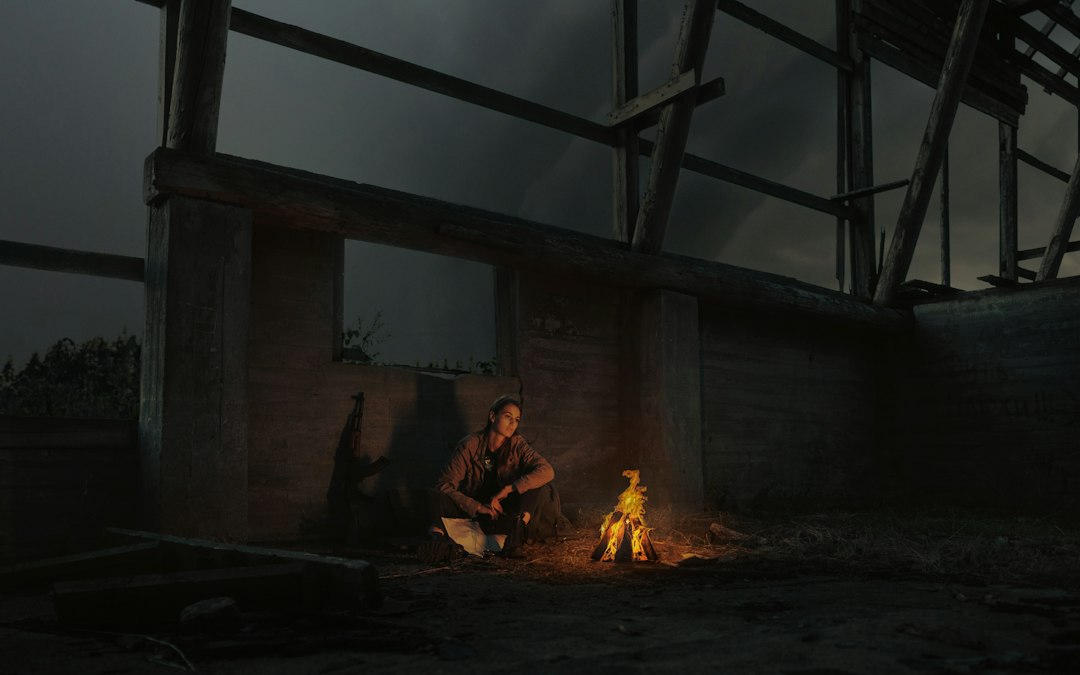
The flickering firelight, a primal beacon in the encroaching darkness, cast dancing shadows on the rough-hewn walls of the cave. For our prehistoric ancestors, this small hearth was more than just a source of warmth and light; it was the epicenter of their existence, a focal point around which survival itself was meticulously woven. The choices made in its vicinity, from the procurement of fuel to the allocation of resources and the very structure of their social interactions, were not casual decisions but finely tuned strategies born from an intimate understanding of their environment and the ever-present specter of scarcity. Examining these choices offers a profound glimpse into the ingenuity and resilience that defined early human life.
The Forge of Life: Fire’s Multifaceted Role
The mastery of fire was arguably the single most transformative innovation in human prehistory. Its presence was a watershed moment, fundamentally altering the way our ancestors lived, ate, and interacted with their world. The humble hearth, therefore, was not merely a passive element but an active agent in shaping daily life and enabling complex survival strategies. Its significance extended far beyond simple comfort, providing a defensive perimeter, enhancing dietary possibilities, and acting as a catalyst for social cohesion.
The Guardian Flame: Protection and Security
The most immediate and perhaps most crucial role of the hearth was its capacity to deter predators. In an era devoid of artificial barriers, the roaring flames served as a formidable barrier against the nocturnal threats that roamed the landscape. The crackling fire, with its accompanying smoke and light, was a constant signal of human presence and a powerful disincentive for carnivores and other dangerous animals. This protection was not just about physical safety; it allowed for more relaxed and extended periods of activity after sunset, enabling tasks that would otherwise be impossible in the dark. The ability to sleep with a degree of security, huddled around the embers, was a profound shift in the human experience, fostering a sense of relative safety that was essential for both individual and group well-being. This newfound security likely contributed to increased population densities in favorable locations and allowed for the development of more complex social structures, as the constant threat of predation was somewhat mitigated.
The Culinary Catalyst: Transforming Sustenance
Beyond its protective qualities, the hearth was the engine of culinary revolution. The advent of cooking, facilitated by controlled fire, unlocked a wealth of nutritional benefits that were previously inaccessible. Raw food, while sometimes digestible, was often difficult to break down, leading to wasted energy and limited nutrient absorption. Cooking, however, broke down tough fibers, denatured toxins, and made essential nutrients more bioavailable. This meant that a wider range of plant and animal matter could be safely consumed, expanding the dietary palette and providing a more robust nutritional foundation for growth and development. Meats, when cooked, became more tender and easier to digest, and the process also killed harmful bacteria and parasites, reducing the incidence of foodborne illnesses. The ability to preserve food through smoking or drying, also fire-dependent processes, allowed for the storage of surplus, a critical step towards mitigating the effects of seasonal scarcity and unpredictable food availability. This dietary enhancement had profound implications for human evolution, potentially contributing to the development of larger brains and longer lifespans.
The Social Nexus: Bonding and Knowledge Transfer
The hearth was more than a utilitarian tool; it was a powerful social catalyst. As the day’s activities concluded, the family or group would gather around the comforting glow, a natural focal point for communal life. This shared space facilitated intimate interaction, strengthening bonds between individuals and fostering a sense of collective identity. It was around the hearth that stories were told, lessons were imparted, and the accumulated wisdom of generations was passed down. This oral tradition was the primary means of transmitting knowledge about hunting techniques, plant identification, tool-making, and social norms – all vital components of survival. The communal nature of preparing and sharing cooked food also reinforced social ties, promoting cooperation and mutual reliance. The shared experience of sitting around the fire, with its inherent vulnerability and shared reliance on its warmth, created a powerful sense of belonging and interdependence, which were paramount in the harsh realities of prehistoric life.
In exploring the prehistoric survival choices related to sharing a small hearth, one can draw parallels to the collaborative strategies observed in modern contexts, such as autonomous systems in defense. A related article discusses the role of artificial intelligence in enhancing autonomous space defense capabilities, highlighting the importance of cooperation and resource sharing in critical situations. For more insights on this topic, you can read the article here: AI’s Role in Autonomous Space Defense.
The Scramble for Sustenance: Foraging and Hunting Strategies

The relentless pursuit of sustenance was a defining characteristic of prehistoric existence. Life revolved around the constant effort to acquire the calories and nutrients necessary to survive and thrive, a challenge that demanded a sophisticated understanding of the environment and a remarkable adaptability in the face of constant uncertainty. The choices made in the daily pursuit of food reveal a complex interplay of observation, experimentation, and social cooperation.
The Art of the Gatherer: Navigating a World of Edibles
Foraging, the practice of collecting wild plants, was a fundamental pillar of prehistoric diets, particularly for early hominins and during periods when hunting was less reliable. This seemingly simple act was in reality a highly sophisticated endeavor, requiring an intimate knowledge of the local flora. Prehistoric gatherers possessed an encyclopedic understanding of which plants were edible, when they were ripe, and where they could be found. This knowledge was not innate but learned and refined over generations, passed down through oral tradition and direct observation. Identifying safe roots, tubers, berries, nuts, seeds, and leafy greens in a landscape filled with poisonous look-alikes demanded a keen eye for detail and a careful, often trial-and-error approach to discovery. The seasonality of these resources also dictated migratory patterns and social movements, as groups would follow the ripening of fruits or the availability of particular tubers. The success of foraging was also tied to understanding the complex ecological relationships within their environment, recognizing which plants thrived in specific soil types or alongside certain tree species.
The Hunter’s Gambit: Risk, Reward, and Resourcefulness
Hunting, while often more dangerous and demanding, offered the potential for a richer and more concentrated source of protein and fat. The development of increasingly sophisticated hunting strategies and tools, such as spears, projectile points, and traps, marked significant advancements in human capability. These strategies were not static but evolved in response to the prey animals available and the terrain. The successful hunter needed to be patient, observant, and capable of strategic planning. This might involve understanding animal behavior, tracking their movements, and coordinating group efforts to corner or ambush prey. The risks associated with hunting were substantial; injury from a wounded animal or from falls during pursuit could be fatal. Therefore, the decision to hunt, and the specific strategy employed, involved a careful calculation of potential reward against inherent danger. The sharing of the kill was also a crucial social practice, ensuring that the benefits of a successful hunt were distributed among the group, reinforcing cooperation and mutual dependence. The development of communal hunting strategies, involving coordinated efforts by multiple individuals, allowed for the pursuit of larger and more dangerous game, fundamentally expanding the dietary possibilities and contributing to the development of more complex social structures.
The Architecture of Survival: Shelter and Tool Development
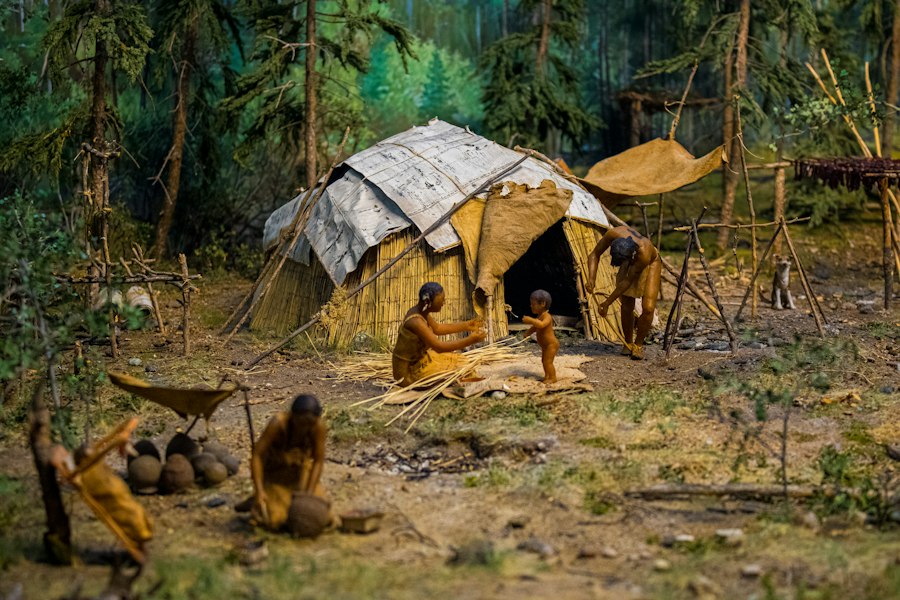
The physical environment presented a constant array of challenges, from the biting cold to the scorching sun and the ubiquitous threat of the elements. The ability to create and utilize shelter and to fashion tools were essential responses to these challenges, demonstrating a remarkable capacity for innovation and adaptation. These were not isolated advancements but interconnected elements of a holistic survival strategy.
Constructing Sanctuary: Beyond Natural Havens
While natural shelters like caves and rock overhangs provided initial refuge, prehistoric humans progressively developed more elaborate methods of constructing shelters. These ranged from simple windbreaks made of branches and animal hides to more complex structures like huts and tents. The materials used varied greatly depending on local availability, from mammoth bones and animal skins in open, treeless environments to wood and thatch in forested regions. The location and design of these shelters were often strategically chosen, offering protection from prevailing winds, direct sunlight, and potential floodwaters. The construction of semi-permanent or even permanent dwellings represented a significant step towards establishing a stable presence in a particular area, allowing for the accumulation of resources and the development of more complex social organization. These structures not only provided physical protection but also served as important communal spaces, reinforcing group identity and providing a sense of permanence in a mobile existence.
The Extension of the Hand: The Evolution of Tools
The creation and use of tools were fundamental to prehistoric survival, acting as extensions of the human body and amplifying our capabilities. The earliest tools were likely simple modifications of naturally occurring objects, such as sharpened stones for cutting or heavy branches for digging. Over time, these evolved into increasingly sophisticated implements crafted from stone, bone, wood, and later, metal. The development of the hand axe, scraper, and awl, for example, revolutionized the processing of animal hides, the preparation of food, and the creation of other necessary items. The mastery of knapping, the technique of shaping stone by striking it with another object, allowed for the creation of sharp edges for cutting, piercing, and scraping. The development of hafting, the process of attaching a stone tool to a handle, significantly increased its leverage and effectiveness. Tools were not merely functional; their design and craftsmanship also reflected a growing understanding of physics and material properties. The efficiency of tool use directly translated into improved hunting success, more effective food processing, and the ability to build more robust shelters, all of which were critical for long-term survival.
The Threads of Society: Cooperation and Social Dynamics
Survival in the prehistoric world was rarely a solitary endeavor. The inherent challenges and risks necessitated a high degree of cooperation and the development of intricate social structures. The hearth, as a central gathering place, played a vital role in fostering these social dynamics, weaving the threads of community that were essential for collective well-being.
The Strength in Numbers: Group Dynamics and Mutual Aid
The benefits of group living were manifold in a world fraught with danger and scarcity. Larger groups offered enhanced protection against predators, as more eyes could watch for danger and more individuals could participate in defense. Cooperative hunting strategies, as mentioned earlier, significantly increased the chances of success in bringing down larger prey. The division of labor within a group allowed for greater efficiency in tasks such as foraging, tool manufacturing, and childcare. Mutual aid was a cornerstone of prehistoric social organization, with individuals relying on each other for support in times of illness, injury, or food shortages. This interdependence fostered a strong sense of community and obligation, where the well-being of the individual was intrinsically linked to the well-being of the group. The sharing of resources, particularly food, was a vital mechanism for ensuring the survival of all members, especially the young, the old, and the infirm.
The Language of Belonging: Communication and Social Norms
The development of language, even in its most rudimentary forms, was a critical evolutionary leap that underpinned the complexity of prehistoric social structures. Language enabled the effective coordination of group activities, the transmission of vital knowledge, and the reinforcement of social norms and rules. The sharing of information about successful hunting grounds, safe water sources, or potential dangers was essential for group survival. Furthermore, language allowed for the development of more complex social interactions, the negotiation of relationships, and the establishment of hierarchies and social roles. The establishment and enforcement of social norms, the unwritten rules of behavior that governed group interactions, were crucial for maintaining order and preventing conflict within the community. These norms dictated everything from how food was shared to how disputes were resolved, and their observance was often enforced through social pressure, ostracism, or more formal sanctions. The hearth, with its intimate setting, provided an ideal environment for the development and reinforcement of these communication systems and social codes.
In exploring the choices made by prehistoric humans for survival, the concept of sharing a small hearth emerges as a crucial element in fostering community and cooperation. This practice not only provided warmth and protection but also facilitated social bonding and the sharing of resources. For a deeper understanding of how geographic factors influenced these survival strategies, you may find it interesting to read about the impact of geographic determinism in shaping human behavior and societal development. You can access the article here.
The Legacy of the Hearth: Adaptability and Future Foundations
| Survival Choice | Description | Benefit | Potential Risk | Prehistoric Example |
|---|---|---|---|---|
| Sharing Fire | Using a communal hearth for warmth and cooking | Conserves resources, promotes social bonding, improves food safety | Risk of fire accidents, competition for space | Neanderthals maintaining central hearths in caves |
| Food Sharing | Distributing hunted or gathered food among group members | Ensures survival of weaker members, strengthens group cohesion | Potential for unequal distribution, dependency | Early Homo sapiens sharing meat from large kills |
| Tool Sharing | Passing or lending tools made from stone or bone | Increases efficiency, reduces need for constant tool production | Loss or damage of tools, conflicts over ownership | Stone tool exchange in Paleolithic camps |
| Shelter Sharing | Living together in shared shelters or caves | Protection from elements and predators, warmth retention | Spread of disease, interpersonal conflicts | Group habitation in Ice Age caves |
| Knowledge Sharing | Passing survival skills and information orally | Improves group survival chances, cultural transmission | Miscommunication, loss of knowledge if group disperses | Teaching fire-making techniques to younger members |
The choices made around the prehistoric hearth, though seemingly simple in retrospect, laid the groundwork for the remarkable trajectory of human civilization. These were not just acts of immediate survival but deliberate strategies that fostered innovation, cooperation, and the transmission of knowledge, shaping our species’ enduring capacity for adaptation.
The Crucible of Innovation: Learning and Development
The challenges of prehistoric life served as a constant crucible for innovation. The need to find food, build shelter, and defend against threats spurred the development of new tools, techniques, and social strategies. The hearth, as a focal point for shared experience and knowledge exchange, facilitated this process of continuous learning and refinement. The successes and failures of each generation were absorbed and built upon, leading to incremental but ultimately profound advancements. This adaptive capacity, honed over millennia, became a defining characteristic of Homo sapiens, allowing us to thrive in an astonishingly diverse range of environments across the globe. The very act of problem-solving around the fire, whether it was finding a more efficient way to start a fire or a better method for tracking prey, fostered a mindset of experimentation and ingenuity that continues to drive human progress.
The Seeds of Civilization: Social Complexity and Cultural Evolution
The social structures that emerged around the prehistoric hearth were the foundational elements of what would eventually become complex human societies. The principles of cooperation, resource sharing, and the transmission of cultural knowledge, all nurtured by the communal fire, were the bedrock upon which later civilizations were built. The development of language, art, and ritual, often linked to communal gatherings around the hearth, represented the nascent stages of cultural evolution. These early expressions of symbolic thought and shared belief systems were not merely decorative but served to strengthen group cohesion, provide meaning, and offer a framework for understanding the world. The legacy of our ancestors’ choices, made in the flickering light of their small hearths, is evident in our own innate drives for community, our capacity for innovation, and our enduring quest to understand and shape our world. The echoes of those ancient fires continue to burn within the human spirit, a testament to the enduring power of shared experience and the relentless pursuit of survival.

➡️Life 20,000 Years Ago | When Strangers Claim Your Winter Shelter 🚨
FAQs
What is a small hearth in prehistoric contexts?
A small hearth in prehistoric contexts refers to a fire pit used for cooking, warmth, and social interaction. These hearths were typically constructed from stones or earth and were essential for survival, providing heat and a means to prepare food in early human settlements.
How did prehistoric people use small hearths for survival?
Prehistoric people used small hearths primarily for cooking food, which made it safer and easier to digest. The heat from the hearth also provided warmth during cold weather and a gathering place for social interaction, which was crucial for community bonding and sharing knowledge.
What materials were commonly used to build small hearths?
Small hearths were commonly built using locally available materials such as stones, clay, and earth. Stones were often arranged in a circular or oval shape to contain the fire, while clay could be used to create a more durable structure that could withstand high temperatures.
What types of food were typically cooked over small hearths?
Prehistoric people cooked a variety of foods over small hearths, including meats, fish, and plant-based foods. Cooking methods included roasting, boiling, and baking, which helped to enhance flavors and make food safer to eat by killing harmful bacteria.
How did the use of small hearths influence social structures in prehistoric communities?
The use of small hearths influenced social structures by creating communal spaces where individuals could gather, share meals, and engage in social activities. This fostered cooperation and communication among group members, which was vital for survival and the development of social bonds within prehistoric communities.