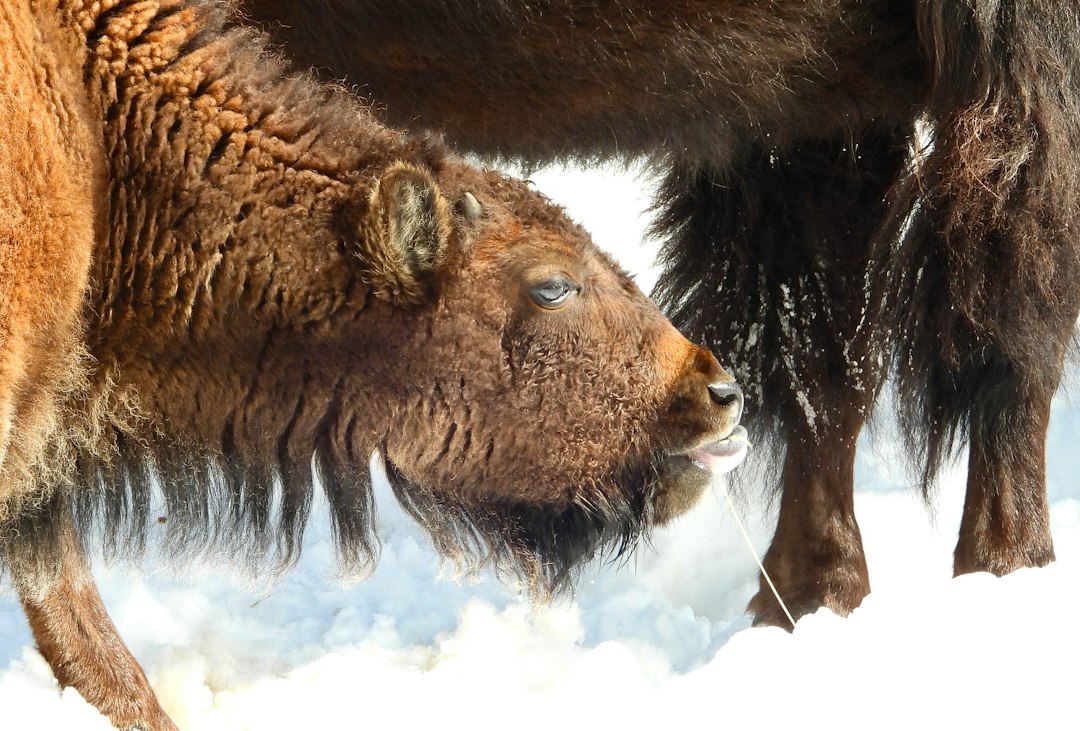
The biting wind, a phantom predator, clawed at the fragile shelters, carrying with it a blizzard that erased the world in a swirling vortex of white. For early humans, the Pleistocene winter was not merely a season; it was an existential adversary, a formidable force that tested their ingenuity, resilience, and very will to survive. This was a world sculpted by ice, where the familiar landscape transformed into a treacherous expanse of snowdrifts and frozen rivers, and where the warmth of the sun became a distant, often unattainable memory. The battles waged were not with spear and stone against sabre-toothed cats, though those encounters were certainly part of the struggle. The true war was against the pervasive, soul-chilling cold, against starvation, and against the crushing isolation that winter so effectively imposed.
The Frozen Landscape and its Perils
The Pleistocene epoch, often referred to as the Ice Age, was characterized by repeated glacial cycles, with vast ice sheets advancing and retreating across the continents. During the glacial periods, much of the northern hemisphere was entomne in a thick mantle of ice. This dramatically altered the environment in which early humans lived. The familiar forests of warmer climes retreated, replaced by windswept tundras, treeless plains dotted with hardy shrubs, and vast, desolate ice fields. Rivers froze solid, their icy surfaces offering a deceptive promise of passage. The landscape was a study in stark contrasts: the blinding white of snow and ice against the muted browns and greys of frozen earth and rock.
The Perpetual Twilight of the Arctic Winter
The shortening days of winter brought with them extended periods of darkness, further amplifying the challenges of survival. Sunlight, a crucial source of warmth and a vital factor in the growth of plant life, became a precious commodity. For those living at higher latitudes, the winter months were characterized by a perpetual twilight, where the sun barely peeked above the horizon, casting long, eerie shadows and doing little to penetrate the pervasive chill. This diminished light impacted not only visibility for hunting and foraging but also the psychological well-being of these early hominins. The psychological toll of prolonged darkness and the constant threat of the elements cannot be underestimated. It fostered a sense of vulnerability and a heightened awareness of the precariousness of their existence. The absence of consistent sunlight also meant a significantly reduced capacity for daylight activities, forcing a greater reliance on fires for both illumination and warmth during these extended nocturnal periods.
Navigating the Treacherous Terrain
The frozen terrain presented a constant obstacle course. Deep snowdrifts could trap individuals and entire groups, making travel arduous and dangerous. Unseen crevasses hidden beneath a thin layer of snow posed a deadly threat, capable of swallowing unsuspecting prey or even hunters. Frozen rivers, while offering potential hunting grounds for aquatic life, were also prone to cracking and collapsing under the weight of a moving herd or a hunting party. The reduced visibility during blizzards made navigation a matter of instinct, intimate knowledge of the land, and often, sheer luck. The ability to read subtle changes in the snow’s texture, the direction of the wind, and the faint tracks of prey was paramount. Losing one’s way in the midst of a winter storm could easily spell a slow, agonizing end. The very ground beneath their feet was a constant source of potential danger, demanding unyielding vigilance and profound respect for the natural forces at play.
In exploring the challenges faced by early humans during the Pleistocene winter, one can draw parallels to the modern-day complexities of survival and logistics, as discussed in the article “The Challenges of US-Mexico Overland Shipping.” This piece highlights the intricacies of navigating harsh environments and the need for strategic planning, much like our ancestors had to adapt to the severe conditions of the Ice Age. For more insights on overcoming obstacles in transportation and survival, you can read the article here: The Challenges of US-Mexico Overland Shipping.
Adapting to the Extreme Cold
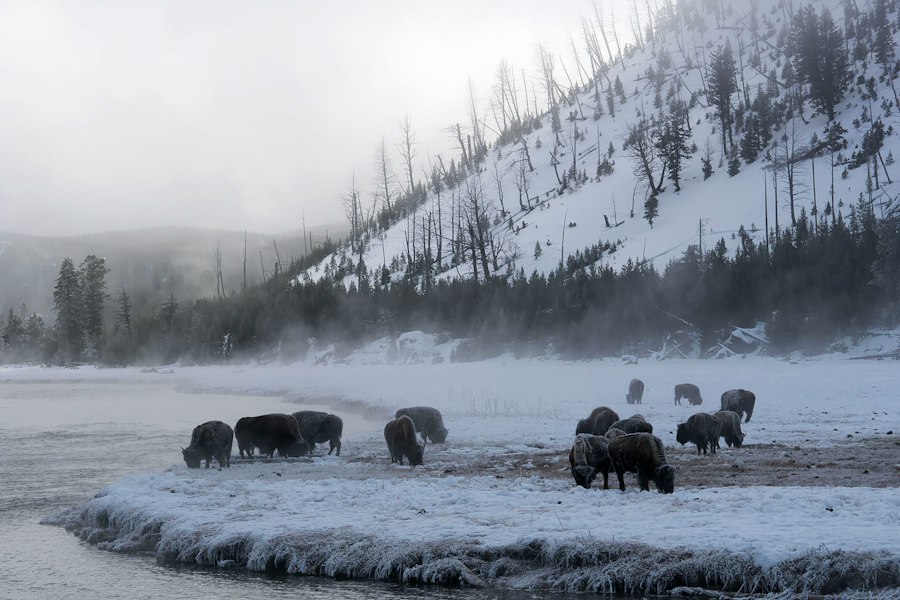
Survival in the face of such unforgiving conditions demanded an extraordinary level of adaptation, both behavioral and technological. Early humans were not passive victims of the cold; they were active architects of their own survival, developing sophisticated strategies to mitigate its effects.
The Art of Shelter Construction
The most immediate threat during the Pleistocene winter was exposure to the elements. This necessitated the development of effective shelter. While caves and rock overhangs offered natural protection, they were not always available or sufficient. Early humans learned to construct artificial shelters designed to trap heat and shield them from the wind. These structures varied in complexity depending on the available resources and the specific environmental conditions. In areas with access to large bones and hides of megafauna, they might construct pit houses, digging into the ground for insulation and using mammoth bones as structural supports, covering them with hides and turf. Simpler, more temporary shelters might be constructed from branches, animal skins, and snow itself, creating rudimentary windbreaks and insulating domes. The careful placement of these shelters, often facing away from prevailing winds and near sources of fuel, was a testament to their observational skills and practical knowledge. The creation of these shelters was not a solitary endeavor, but often a communal undertaking, fostering cooperation and shared responsibility.
Mastering the Fire: A Beacon of Hope
Fire was arguably the most crucial tool for Pleistocene survival. It provided warmth, the ability to cook food (making it more digestible and thus extracting more nutrients), and a deterrent against predators. The control of fire allowed early humans to expand their habitable range into colder environments. The ongoing quest for reliable methods of fire ignition and maintenance was a constant undertaking. It involved not only the skillful use of friction-based methods, like the hand drill or the bow drill, but also the careful collection and preservation of tinder and fuel. The establishment of a permanent or semi-permanent hearth within a shelter was a central element of their domestic life, a source of comfort and a focal point for social interaction. The smoke from these fires, while a nuisance in enclosed spaces, also served as a vital signal, a sign of human presence in an otherwise desolate landscape. The management of fuel was a critical concern, as the procurement of wood or other combustible materials could be incredibly challenging during the deep winter months, often requiring long and perilous journeys.
Clothing and Personal Protection
Beyond communal shelters, personal clothing was essential for warding off the cold. Early humans utilized the hides and furs of animals they hunted, transforming them into garments that provided vital insulation. The process of preparing these hides – scraping, tanning, and softening – was a laborious but essential skill. They learned to cut and stitch these materials using bone awls and sinew threads, creating simple yet effective cloaks, leggings, and head coverings. The quality and thickness of the fur varied with the animal, and early humans likely developed an understanding of which animal pelts offered the best protection against the extreme cold. The development of more sophisticated garment designs, such as tailored skin boots, would have significantly improved their ability to traverse snowy terrain and reduced the risk of frostbite. The meticulous craftsmanship involved in creating these essential garments underscores a deep understanding of material properties and the demands of their environment.
The Hunt: A Winter’s Feast or Famine
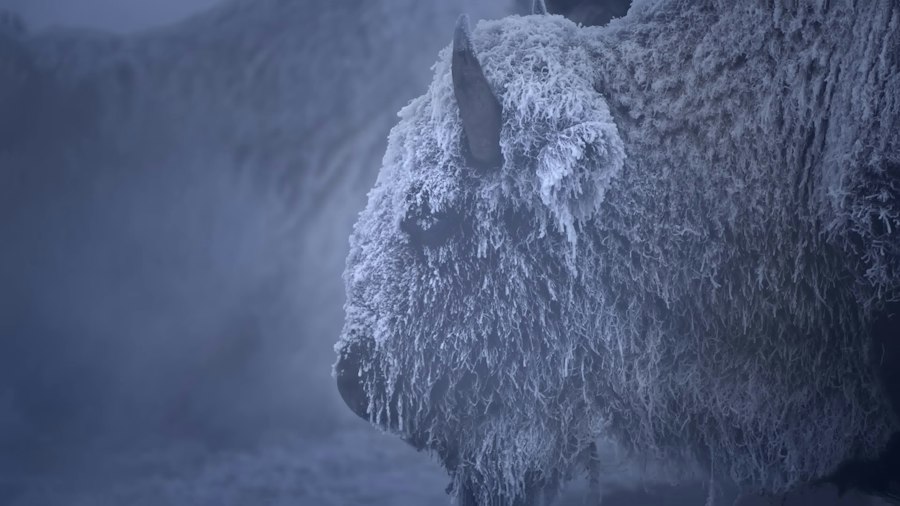
The hunt was the lifeline of early human survival during the Pleistocene winter. With plant food scarce and often frozen or buried beneath snow, meat from large game became the primary source of sustenance and energy.
Strategies for Hunting Megafauna
The Pleistocene was an era of giants – mammoths, woolly rhinoceroses, giant deer, and other megafauna roamed the icy plains. Hunting these formidable creatures was an undertaking fraught with danger but also promised a substantial reward of meat, fat, and hides. Early humans developed specialized hunting strategies to tackle these behemoths. They might use coordinated group hunts, driving herds towards cliffs or natural traps, or into bogs where they could be more easily brought down. Spears tipped with carefully crafted stone points, designed for maximum penetration, were their primary weapons. The development of projectile technology, such as the atlatl (spear-thrower), significantly increased their hunting range and the force of their throws, allowing them to engage prey from a safer distance. The knowledge of animal behavior – their migration patterns, their weaknesses, and their habits – was crucial to successful hunts. The meticulous observation and understanding of these creatures were passed down through generations, a vital form of inherited knowledge.
The Critical Role of Scavenging and Smaller Prey
While hunting megafauna was often the ultimate prize, it was not always a guaranteed or safe endeavor. Early humans also relied heavily on scavenging carcasses left by other predators, a risky but often necessary practice. They had to be wary of confronting the original predator or of consuming meat that was already spoiled. In addition to megafauna, they also targeted smaller prey, such as reindeer, arctic foxes, and birds. These smaller animals provided more accessible protein and fat, and their hunting required different techniques, often involving traps and snares. The ability to adapt their hunting strategies to the available prey was a hallmark of their survival. The successful procurement of food was a continuous cycle of effort, skill, and a degree of luck, with failure often meaning hunger and increased vulnerability to the cold.
Preserving the Bounty: Drying and Smoking
The success of a hunt was not just in the kill, but in the ability to preserve the food for leaner times. With limited refrigeration technology, early humans developed ingenious methods for preserving meat. Drying and smoking were among the most effective. Strips of meat were hung near the fire, allowing the smoke to cure and dehydrate them, creating a form of jerky that could be stored for extended periods. This preservation allowed them to build up a reserve of food, a crucial buffer against the uncertainties of winter hunting. The careful selection of smoking woods, which could impart desirable flavors and antimicrobial properties, was likely part of their accumulated knowledge. This ability to store food was a significant step in human societal development, allowing for more stable populations and the potential for longer-term settlements.
The Social Fabric: Resilience Through Community
In the harsh crucible of the Pleistocene winter, human survival was inextricably linked to the strength of their social bonds. Alone, an individual was vulnerable; together, they possessed a collective resilience that could overcome immense challenges.
The Importance of Kinship and Cooperation
Family units and extended kinship groups formed the bedrock of Pleistocene society. These groups provided mutual support, shared resources, and a collective defense against both environmental threats and predators. Cooperation was essential for every aspect of survival, from constructing shelters and tending fires to undertaking dangerous hunts and caring for the young and the infirm. The division of labor within these groups, while not rigidly defined, likely saw individuals contributing based on their strengths and abilities. Elders, with their accumulated knowledge and experience, played a vital role in guiding the group. The passing down of skills and traditions from one generation to the next was crucial for the perpetuation of their species. The shared hardships of winter likely forged even stronger bonds, creating a profound sense of interdependence.
The Hearth as a Social Center
The hearth was more than just a source of warmth; it was the heart of the Pleistocene community. As the sun set and the temperature plummeted, families and groups would gather around the fire, sharing stories, grooming each other, and reinforcing social ties. This communal gathering provided psychological comfort, a sense of belonging, and a shared antidote to the isolation and fear that winter could inspire. It was during these fireside gatherings that knowledge was imparted, strategies were discussed, and the social fabric of the group was strengthened. The simple act of sharing warmth and light in the darkness created a powerful sense of unity. The rituals and traditions that likely developed around the hearth further cemented their collective identity and provided a framework for their social interactions.
The Transmission of Knowledge and Skills
The survival of Pleistocene humans depended on the effective transmission of knowledge and skills from one generation to the next. This transfer of information was primarily an oral tradition, reinforced through observation and practice. Parents taught their children how to identify edible plants, how to track animals, how to knap stone tools, and how to maintain fires. Elders shared their accumulated wisdom about the land, the seasons, and the behavior of both prey and predators. This continuous cycle of learning and teaching ensured that each new generation was equipped with the necessary tools and understanding to navigate the challenges of their environment. The success of the group was directly tied to the effectiveness of this intergenerational transfer of vital survival information.
In exploring the challenges faced by early humans during the harsh winters of the Pleistocene, one can gain fascinating insights into their survival strategies and adaptations. A related article delves into the hidden secrets of Antarctica, shedding light on how extreme environments have shaped human resilience throughout history. For a deeper understanding of these ancient survival tactics, you can read more in this insightful piece about the continent’s mysteries at Antarctica’s hidden secrets.
Innovations Forged in the Ice
| Metric | Value | Description |
|---|---|---|
| Average Winter Temperature | -10°C to -20°C | Estimated temperature range during Pleistocene winter periods in temperate zones |
| Survival Duration Without Shelter | 2-3 hours | Approximate time early humans could survive exposed to harsh winter conditions without shelter |
| Caloric Intake Required | 4000-6000 kcal/day | Increased energy needs to maintain body heat during cold Pleistocene winters |
| Primary Food Sources | Large game, nuts, tubers | Typical diet components used to meet high caloric demands in winter |
| Fire Usage Frequency | Daily | Fire was essential for warmth, cooking, and protection during winter months |
| Clothing Materials | Animal hides and furs | Used to insulate and protect against cold temperatures |
| Group Size for Survival | 5-15 individuals | Small social groups improved chances of survival through shared resources and warmth |
| Winter Shelter Types | Caves, constructed huts | Natural and man-made shelters used to shield from cold and wind |
The relentless pressure of the Pleistocene winter served as a powerful catalyst for innovation. Early humans, driven by the imperative to survive, developed and refined a suite of technologies that allowed them to exploit their environment more effectively and to withstand its harsh embrace.
Advancements in Lithic Technology
The production of stone tools was fundamental to early human survival. During the Pleistocene, lithic technology saw significant advancements. Tools became more specialized and refined. Acheulean handaxes, with their symmetrical, bifacial design, were highly effective for a variety of tasks, from butchering meat to woodworking. Later periods saw the development of more sophisticated flaked tools, including scrapers for preparing hides, awls for piercing, and projectile points for hunting. The mastery of flintknapping – the art of striking stone to create sharp edges – was a highly developed skill, requiring precision and an intimate understanding of stone properties. The creation of composite tools, such as hafting stone points onto wooden spears, represented a significant leap in technological capability, increasing both range and lethality in hunting.
The Dawn of Personal Adornment and Symbolic Expression
While survival was paramount, the human drive for expression and perhaps even a nascent sense of aesthetics also manifested during the Pleistocene. Evidence of personal adornment, such as beads made from shells or animal teeth, suggests that early humans were not solely focused on utilitarian concerns. These objects may have served as markers of social status, group identity, or even held symbolic or spiritual significance. The creation of such items, particularly in the face of extreme hardship, hints at a complex inner life and a capacity for abstract thought that went beyond immediate survival needs. The deliberate modification and decoration of objects, even simple ones, signifies a deeper engagement with their world and a burgeoning sense of self.
The Long-Term Impact on Human Evolution
The challenges of the Pleistocene winter had a profound and lasting impact on human evolution. The constant need for problem-solving, cooperation, and innovation favored individuals with greater cognitive abilities and adaptability. Those who could devise effective strategies for hunting, shelter, and toolmaking were more likely to survive and reproduce, passing on their advantageous traits. The pressures of the cold may have also influenced the development of physical characteristics, such as a thicker layer of subcutaneous fat and a greater capacity for efficient thermoregulation. The period of intense environmental pressure undoubtedly played a significant role in shaping the trajectory of human development, pushing our ancestors towards greater intelligence, social complexity, and technological prowess. The “Frozen Fury” of the Pleistocene winter was not just a battle for survival; it was a crucible that forged the very essence of what it means to be human.

➡️Life 20,000 Years Ago | When Strangers Claim Your Winter Shelter 🚨
FAQs
What time period does the Pleistocene epoch cover?
The Pleistocene epoch spans from about 2.6 million years ago to approximately 11,700 years ago. It is characterized by repeated glacial cycles and significant climatic changes that influenced the evolution and survival of early humans.
How did early humans adapt to the harsh conditions of the Pleistocene winter?
Early humans adapted to the Pleistocene winter through various means, including the development of clothing made from animal hides, the use of fire for warmth and cooking, and the establishment of temporary shelters. They also relied on hunting and gathering strategies to secure food during the colder months.
What types of animals did early humans hunt during the Pleistocene?
During the Pleistocene, early humans hunted a variety of large mammals, including woolly mammoths, saber-toothed cats, and reindeer. They also hunted smaller game and gathered plant materials to supplement their diets, adapting their hunting strategies based on seasonal availability.
What role did social structures play in early human survival during the Pleistocene?
Social structures were crucial for early human survival during the Pleistocene. Collaborative hunting and gathering efforts allowed groups to share resources and increase their chances of survival. Social bonds also facilitated the sharing of knowledge and skills, which were essential for adapting to the challenging environment.
How did climate change at the end of the Pleistocene affect early human populations?
At the end of the Pleistocene, significant climate change led to the warming of the Earth and the melting of glaciers, resulting in altered habitats and the extinction of many large mammals. This forced early human populations to adapt to new environments, leading to the development of agriculture and more permanent settlements in the subsequent Holocene epoch.