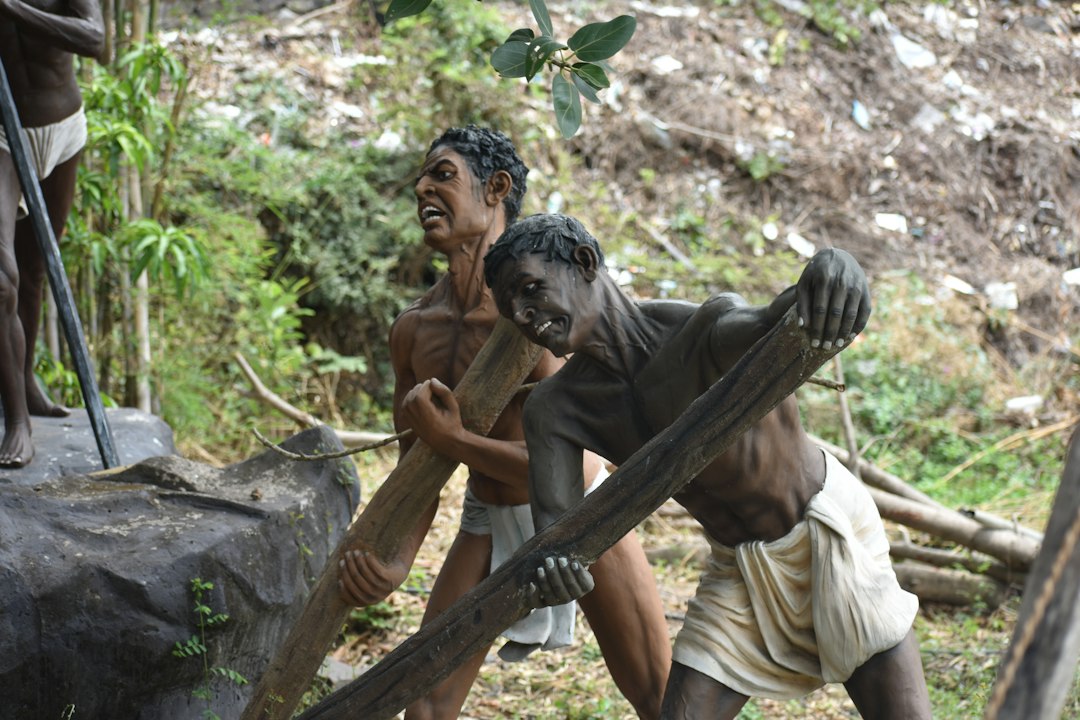
The vast tapestry of early human history is woven with threads of both cooperation and conflict, and one of the most significant threads concerns the encounters between disparate groups of hominins. In the Paleolithic era, a period stretching from roughly 2.5 million years ago to about 10,000 BCE, human groups were mobile, often small, and intimately tied to their environments. As these nomadic bands traversed landscapes in search of resources, the inevitability of encountering other, unfamiliar human groups must have been a recurring reality. These early encounters with stranger tribes, while shrouded in the mists of time and leaving only indirect evidence, offer profound insights into the social structures, cognitive abilities, and survival strategies of our ancient ancestors.
The Landscape of Encounters
The Paleolithic world was not a blank canvas upon which early humans freely roamed. Instead, it was a complex mosaic of diverse ecosystems, each with its own array of resources and challenges. Different hominin species and later, early Homo sapiens, occupied distinct territories, often shaped by geographical features such as mountain ranges, large rivers, and expansive deserts. These natural barriers, while sometimes fostering isolation, also served as boundaries that, when crossed, inevitably led to encounters. The vastness of the land meant that groups likely encountered others who were not part of their immediate kinship network, leading to interactions with what could be termed “stranger tribes.”
Nomadic Lifeways and Territoriality
The defining characteristic of Paleolithic life was its nomadic nature. Survival depended on following animal herds, tracking seasonal plant availability, and exploiting ephemeral water sources. This constant movement meant that no single group could claim permanent ownership of a vast territory in the modern sense. Instead, territories were often understood as ranges or foraging grounds, with established routes and seasonal camps. However, even with this fluidity, there were implicit or explicit understandings of who frequented certain areas. When one group ventured into a zone regularly used by another, an encounter was probable. The concept of territoriality, even if not rigidly defined, likely played a role. While not always leading to hostility, it could have dictated caution and surveillance when venturing into unfamiliar grounds.
Resource Competition as a Catalyst
The primary driver for movement and, consequently, for encounters, was the pursuit of resources. Food, water, and shelter were never guaranteed, and competition for these necessities was a constant undercurrent of Paleolithic existence. When two or more groups converged on the same prime hunting ground, a rich berry patch, or a reliable waterhole, the potential for friction increased dramatically. These encounters could range from brief, wary observations to direct confrontations. The intensity of the competition, the scarcity of resources in the immediate vicinity, and the perceived threat posed by the other group would have all influenced the nature of the interaction. It is reasonable to infer that resource competition was a significant catalyst for both conflict and, perhaps surprisingly, for the establishment of complex intergroup relationships.
Geographical Barriers and Crossroads
Major geographical features, while sometimes acting as barriers, also served as focal points where different groups might intersect. Large rivers, for instance, were vital for water and often supported abundant wildlife. Crossing points or areas where rivers narrowed could become natural meeting places. Similarly, mountain passes, while challenging, offered routes between different valleys or regions. These “crossroads” would have been zones of heightened potential for encounters. The presence of evidence of human activity in such areas, even from very early periods, suggests that hominins were not afraid to traverse challenging terrain, often leading them into contact with others who shared similar resource needs or travel routes.
Early human interactions with stranger tribes during the Paleolithic era were complex and often shaped by environmental factors, such as climate change and resource availability. These interactions were crucial for survival, as they involved trade, conflict, and the sharing of knowledge. A related article that explores the implications of displacement due to climate change, which can be seen as a modern parallel to these ancient interactions, is available at Climate Refugees: The Growing Crisis of Displacement. This piece delves into how contemporary societies are facing challenges similar to those of early humans as they navigate the impacts of shifting climates and the need for cooperation among diverse groups.
Evidence of Intergroup Contact
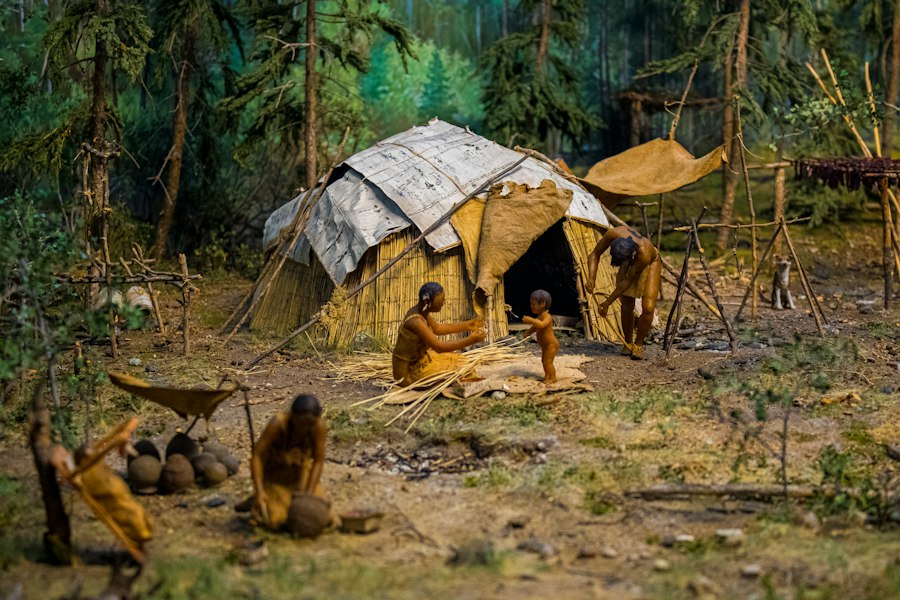
Direct archaeological evidence of early human encounters with stranger tribes is, by its very nature, scarce. The transient nature of Paleolithic life and the limited preservation of organic materials mean that most interactions left little trace. However, indirect evidence, gleaned from the study of material culture, skeletal remains, and settlement patterns, allows us to piece together a narrative of these interactions. These clues, though fragmented, paint a picture of a world where contact, in its various forms, was a fundamental aspect of early human existence.
Material Culture as a Social Marker
The artifacts left behind by Paleolithic peoples offer some of the most compelling clues about intergroup contact. The distribution of certain types of stone tools, for example, can indicate long-distance trade or the movement of people carrying their technologies with them. If a particular type of lithic technology, unique to one region, is found in another, it suggests either direct interaction and transfer of knowledge or the movement of individuals or groups. Similarly, the presence of exotic materials, such as specific types of stone or shell not found locally, can point to established trade networks or long-distance migrations. These exchanges of material culture are more than just the movement of objects; they represent the movement of ideas, social connections, and potentially, the people who created and used them.
Skeletal Remains and Signs of Violence
Perhaps the most stark evidence of conflict between early human groups comes from the analysis of skeletal remains. Paleopathology, the study of diseases and injuries in ancient skeletons, can reveal direct evidence of intergroup violence. Fractures consistent with blows from weapons, embedded projectile points, and signs of massacres or organized attacks on settlements, when found in Paleolithic contexts, are undeniable indicators of hostile encounters. While such evidence is rare, its discovery in sites across different continents and time periods within the Paleolithic underscores the reality that intergroup violence was a part of our ancestral past. The presence of healed fractures can also indicate that individuals survived attacks, suggesting that not all encounters resulted in death.
Settlement Patterns and Social Networks
The organization of human settlements, or the lack thereof, can also offer insights into intergroup dynamics. The distribution of temporary camps, seasonal settlements, and evidence of longer-term occupation sites can reveal patterns of movement and interaction. If certain sites show evidence of being used by multiple, distinct groups over time, or if there are signs of fortified or defensive structures, it suggests awareness of and potential threats from other human populations. The presence of widely dispersed but stylistically similar toolkits across a large geographical area could also indicate the existence of extensive social networks, where information and practices were shared over long distances, implying regular, albeit not necessarily direct, contact.
The Spectrum of Interactions
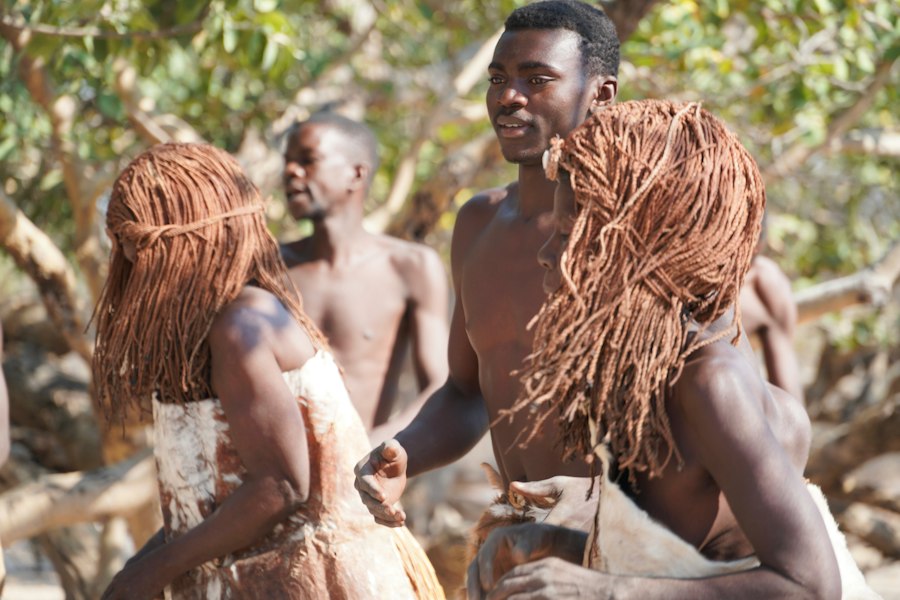
The encounters between early human groups were unlikely to have been monolithic. The spectrum of interactions would have been as diverse as the environments they inhabited and the social dynamics that governed them. From cautious observation to outright warfare, and from avoidance to symbiotic exchange, a range of behaviors likely characterized these early meetings. Understanding this spectrum is crucial for a nuanced appreciation of Paleolithic social life.
Fear and Avoidance
Given the potential for misunderstanding and the inherent risks associated with encountering unfamiliar individuals or groups, fear and avoidance would have been a primary response. Early human groups, likely operating with limited information about others, would have exercised caution. The presence of scouts, sentries, and sophisticated signaling systems (perhaps auditory or visual) might have been employed to detect approaching strangers and make informed decisions about engagement or retreat. The vastness of the landscape also provided opportunities for avoidance, allowing groups to steer clear of known territories of other tribes. This strategy of avoidance, while not leading to direct interaction, was itself a form of intergroup engagement, shaping the perceived boundaries and territories of different populations.
Curiosity and Observation
Beyond simple fear, curiosity would have been a powerful motivator. Encountering another group, particularly one with different adornments, technologies, or behavioral patterns, would have presented an opportunity to learn and gather information. This observation could have been conducted from a safe distance, allowing groups to assess the strength, numbers, and intentions of strangers without direct contact. This passive observation could have provided valuable intelligence about resource availability in neighboring areas, potential threats, or even new techniques and ideas that could be adopted. Such cautious curiosity would have been a crucial element in the social learning and adaptation that characterized early human evolution.
Negotiation and Exchange
While direct evidence is rare, it is plausible that some encounters involved forms of negotiation and exchange. In situations where two groups shared overlapping territories or found themselves in mutual need, the potential for bartering or cooperation would have existed. This could have involved the exchange of tools, raw materials, food resources, or even social alliances. The existence of long-distance trade networks, evidenced by the distribution of exotic materials, strongly suggests that at least some forms of exchange, and therefore positive intergroup interaction, were occurring. These exchanges might have been facilitated by individuals who were skilled in bridging cultural divides, perhaps through a shared understanding of rudimentary gestures or calls.
Open Conflict and Warfare
As discussed earlier, skeletal evidence strongly suggests that conflict and warfare were also a reality. Competition for scarce resources, territorial disputes, or even opportunistic raiding could have led to violent confrontations. The nature of Paleolithic warfare would likely have differed significantly from modern forms, perhaps involving smaller-scale skirmishes, ambushes, and raids rather than large, organized armies. However, the evidence of massacres and individual violence points to the grim reality that encounters with stranger tribes could have dire consequences, leading to death, injury, and displacement. This aspect of intergroup relations served as a selective pressure, favoring individuals and groups who were adept at both defense and offense.
Cognitive and Social Adaptations for Encounters
The challenges and opportunities presented by encounters with stranger tribes likely played a significant role in shaping the cognitive and social adaptations of early humans. The ability to recognize, understand, and respond effectively to the unfamiliar was paramount for survival and success in a dynamic social landscape. These adaptations would have been honed over countless generations of intergroup interactions.
Theory of Mind and Empathy
A crucial cognitive development for successful intergroup encounters is the emergence of a robust “theory of mind” – the ability to attribute mental states, such as beliefs, intentions, and desires, to oneself and to others. This allows individuals to predict the behavior of strangers and to understand their potential motivations. Coupled with this is the capacity for empathy, the ability to share and understand the emotional states of others. While the degree to which early hominins possessed these capacities is debated, their development would have been vital for navigating complex social interactions, whether cooperative or competitive. A rudimentary understanding of an “other’s” intentions could be the difference between a peaceful encounter and a violent one.
Development of Communication and Language
Effective communication is indispensable for any form of intergroup interaction beyond pure avoidance. While definitive evidence for the origins of complex language in the Paleolithic is elusive, the need to communicate with strangers would have been a powerful selective pressure for its development. Even rudimentary forms of communication, such as gestures, vocalizations, and symbolic representations, could have facilitated the sharing of information, the establishment of boundaries, and the negotiation of social interactions. The ability to convey warnings, express intentions, and potentially even learn from others would have been a significant advantage, leading to more nuanced and less universally hostile encounters.
Social Learning and Cultural Transmission
Encounters with stranger tribes also provided invaluable opportunities for social learning and cultural transmission. Observing the technologies, strategies, and social behaviors of other groups could lead to the adoption of new and improved methods for hunting, toolmaking, or resource management. This cultural diffusion, facilitated by intergroup contact, would have accelerated the pace of innovation and adaptation within human populations. The ability to learn from others, even those outside one’s immediate kin group, would have been a key driver of human success and expansion across the globe. These encounters, therefore, were not just about survival; they were also about progress and the enrichment of human culture.
Early human interactions with stranger tribes during the Paleolithic era were complex and often shaped by the need for survival, trade, and cultural exchange. These interactions could lead to both conflict and cooperation, influencing the development of social structures and communication among different groups. For a deeper understanding of these dynamics, you can explore a related article that delves into the nuances of early human relationships and their impact on societal evolution. This insightful piece can be found here.
The Legacy of Early Encounters
| Metric | Description | Estimated Value / Observation | Source / Evidence |
|---|---|---|---|
| Frequency of Interactions | Estimated number of encounters between different tribes | Occasional to seasonal gatherings | Archaeological site distributions and tool similarities |
| Trade Items | Materials exchanged between tribes | Flint, obsidian, shells, pigments | Artifact sourcing and chemical analysis |
| Conflict Evidence | Signs of violent encounters | Rare but present (e.g., trauma on skeletal remains) | Forensic anthropology studies |
| Cooperation Indicators | Shared cultural practices or joint hunting | Shared tool styles and communal sites | Comparative analysis of artifacts and habitation sites |
| Communication Methods | Ways early humans communicated with strangers | Gestures, symbolic markings, early language | Ethnographic analogy and symbolic artifacts |
| Genetic Exchange | Interbreeding between different groups | Evidence of gene flow between populations | Ancient DNA analysis |
The encounters between early human groups in the Paleolithic era, while seemingly distant and prehistoric, have left an indelible mark on our species. The patterns of behavior, the cognitive adaptations, and the very genetic makeup of modern humans are, in part, a legacy of these ancient interactions. Understanding these early encounters helps us to contextualize contemporary human societies and the enduring human capacity for both conflict and cooperation.
Shaping Human Migration and Distribution
The interactions between different hominin groups, including early Homo sapiens, played a crucial role in shaping patterns of human migration and geographical distribution. Whether through conflict that displaced groups, or through the establishment of trade and alliances that facilitated movement, these encounters influenced where and how humans settled across the globe. The spread of our species out of Africa and across continents was not a solitary endeavor but a complex process involving interactions with existing hominin populations and the establishment of new relationships with previously unencountered groups.
The Foundations of Intergroup Relations
The diverse range of interactions observed in the Paleolithic – from avoidance and fear to negotiation and conflict – laid the groundwork for the complex tapestry of intergroup relations that characterizes human societies today. The strategies developed for dealing with strangers, whether in times of scarcity or abundance, have been passed down through generations, influencing our instincts and social norms. The fundamental human capacity to distinguish between “us” and “them,” and the diverse behavioral repertoires associated with these distinctions, can be traced back to these formative encounters.
A Continuing Human Narrative
The story of early human encounters with stranger tribes is not merely an academic curiosity; it is a fundamental chapter in the ongoing narrative of human evolution. It underscores the interconnectedness of human populations, even in the deepest past, and highlights the dynamic interplay between cooperation and competition that has driven our species’ success. The lessons learned from these ancient interactions continue to resonate, reminding us of the complex and often challenging nature of human social existence, and the enduring importance of understanding and navigating our relationships with others, both near and far.

➡️Life 20,000 Years Ago | When Strangers Claim Your Winter Shelter 🚨
FAQs
What were the primary forms of interaction between early humans and stranger tribes during the Paleolithic era?
During the Paleolithic era, early humans primarily interacted with stranger tribes through trade, conflict, and social gatherings. Trade often involved the exchange of tools, food, and resources, while conflicts could arise over territory or resources. Social gatherings, such as communal hunts or rituals, also provided opportunities for interaction and the establishment of alliances.
How did early humans communicate with members of stranger tribes?
Early humans likely used a combination of verbal language, gestures, and body language to communicate with members of stranger tribes. While the exact nature of their language is not fully understood, it is believed that they had developed some form of spoken communication that allowed them to convey basic ideas and emotions, facilitating interactions.
What role did trade play in early human interactions with stranger tribes?
Trade played a crucial role in early human interactions with stranger tribes by fostering relationships and promoting the exchange of goods and ideas. It allowed tribes to acquire resources that were scarce in their own territories, such as specific tools, food items, or raw materials, which in turn encouraged cooperation and reduced hostility between groups.
Were there any significant conflicts between early human tribes, and what were their causes?
Yes, significant conflicts did occur between early human tribes, often driven by competition for resources such as food, water, and territory. These conflicts could arise from misunderstandings, territorial disputes, or competition for hunting grounds. Such confrontations could lead to violence, but they also sometimes resulted in the establishment of boundaries or agreements between tribes.
How did early human interactions with stranger tribes influence their social structures?
Interactions with stranger tribes influenced early human social structures by promoting the development of alliances, trade networks, and social hierarchies. As tribes engaged with one another, they often formed partnerships that could lead to shared resources and cooperative hunting strategies. These interactions also contributed to the evolution of social norms and cultural practices, shaping the identity of different groups.