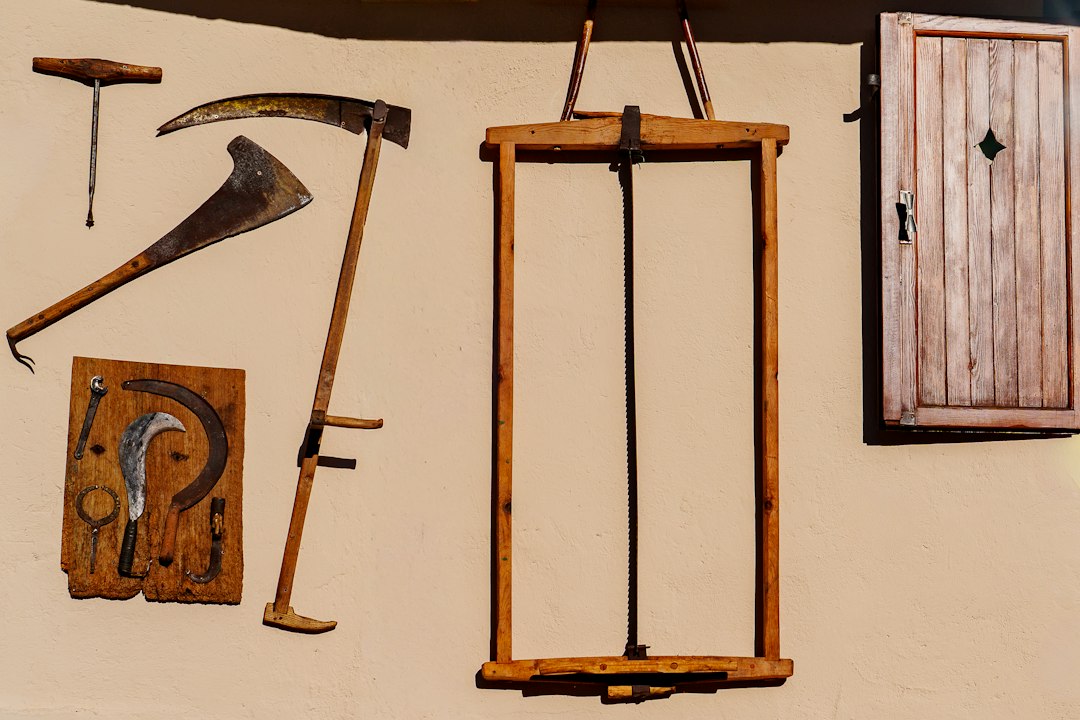
When a disaster strikes, and we’re talking about the kind that throws us back to prehistoric levels of inconvenience (think no electricity, no running water, no internet), knowing what to grab first can make all the difference between scrambling and surviving. The core idea is to prioritize immediate needs: staying hydrated, fed, safe, and informed.
Water: The Absolute First Priority
Let’s be blunt: you can go a lot longer without food than you can without water. When infrastructure collapses, clean drinking water is the most critical resource. Think about it – even a few days without it can lead to serious health issues. So, before anything else, securing your water supply is paramount.
How Much is Enough?
The general rule of thumb, backed by emergency preparedness experts, is to aim for at least one gallon of water per person, per day. This isn’t just for drinking; you’ll need it for basic hygiene, cleaning wounds, and even preparing any food you might have. And this supply should ideally last for a minimum of three days. If you can store more, that’s even better. It’s a heavy item, so planning ahead is key.
Storage and Alternatives
Storing this much water might seem like a lot, but it can be done in various containers. Large water jugs are common, but you can also use clean, food-grade plastic bottles. Think about where you’ll store it – somewhere cool and dark. If you live in an area with a reliable water source that you can purify, that’s a backup, but having a direct supply ready to go is always the safest bet.
In contemplating what one might save during a prehistoric disaster, it’s fascinating to consider the knowledge and skills that ancient civilizations possessed. For instance, an intriguing article discusses the advanced celestial navigation techniques used by the Minoans, which highlights their remarkable understanding of astronomy and the natural world. This knowledge could be invaluable in ensuring survival and continuity in the face of catastrophe. To explore more about this topic, you can read the article here: Unlocking the Secrets of Minoan Celestial Navigation.
Sustenance Without a Supermarket
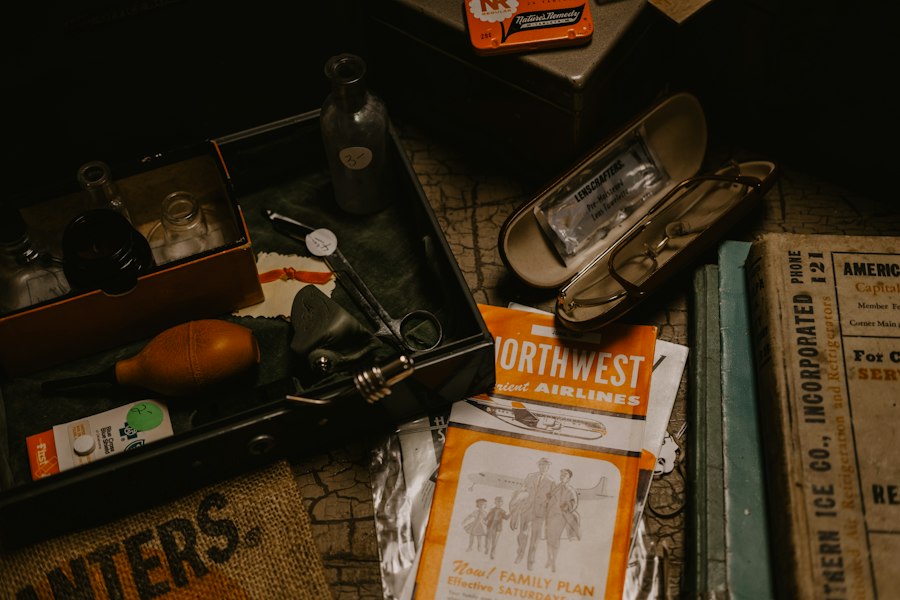
After water, the next big concern is food. When the power’s out and the stores are closed or inaccessible, having non-perishable items that require minimal preparation becomes incredibly important. You won’t have a working oven or stovetop readily available in most disaster scenarios, so think simple.
The Three-Day Supply Rule
Just like with water, a three-day supply of non-perishable food is the absolute minimum recommendation. Focus on items that are ready to eat or can be prepared with just hot water. Canned goods are your best friend here – think fruits, vegetables, meats, fish, and soups. Also, consider things like energy bars, dried fruit, and nuts.
Don’t Forget the Opener!
It sounds obvious, but it’s a detail that can be easily overlooked in a panic. If you’re stocking up on canned goods, you must have a reliable manual can opener. A battery-powered one is useless without electricity, and trying to open cans with improvised tools can be frustrating and inefficient. Make sure it’s sturdy and easy to use.
Staying Healthy and Pain-Free

In any emergency, medical needs don’t just disappear. In fact, they can become more pressing. Being able to address minor injuries and manage chronic conditions is vital for overall survival and well-being. This category covers both immediate medical supplies and essential personal items.
The Essential First Aid Kit
A well-stocked first aid kit is non-negotiable. This should include bandages of various sizes, sterile gauze pads, adhesive tape, antiseptic wipes, pain relievers (like ibuprofen or acetaminophen), and any necessary allergy medications. Beyond the standard kit, think about what your specific household members might need.
Prescription Medications and Personal Health Items
If anyone in your household takes prescription medication, you need to have at least a 3-to-7-day supply readily available. It’s wise to rotate these medications to ensure they don’t expire. Don’t forget other critical personal health items, such as eyeglasses, contact lenses and their cleaning solution, hearing aid batteries, or any other medical device that is crucial for daily life.
Information and Illumination: Seeing and Knowing
When disaster strikes, you’re often cut off from your usual sources of information and even basic light. Being able to see where you’re going and to receive crucial updates from authorities can prevent further danger and help you make informed decisions.
Light Sources for the Dark
A reliable flashlight is a must. Don’t just grab any old one; make sure it has fresh batteries, and importantly, have a good supply of extra batteries. Many modern flashlights are LED and quite efficient, but they still need power. A headlamp can also be incredibly useful, as it leaves your hands free for other tasks.
Staying Connected to the Outside World
Beyond light, you need a way to get information. A battery-powered or hand-crank radio is essential for receiving emergency broadcasts, weather alerts, and instructions from disaster management agencies. If you can get one that’s specifically a NOAA weather radio, even better, as it’s designed for these kinds of alerts. This is your lifeline to understanding what’s happening and what you should do next.
In contemplating what to save during a prehistoric disaster, one might consider the significance of human migration patterns and their impact on survival. An insightful article explores the intriguing journey of early humans as they adapted to various environments, including their migration to Antarctica. This piece sheds light on the resilience and ingenuity of our ancestors in the face of adversity. For more information on this fascinating topic, you can read the article on prehistoric human migration here.
Shelter and Warmth: Protection from the Elements
| Item | Reason for Saving | Estimated Importance (1-10) | Survival Benefit |
|---|---|---|---|
| Water | Essential for hydration and survival | 10 | Prevents dehydration |
| Food (non-perishable) | Provides energy and nutrients | 9 | Sustains body functions |
| Fire-starting tools | Warmth, cooking, protection | 8 | Enables heat and food preparation |
| Shelter materials | Protection from elements | 8 | Provides safety and comfort |
| Weapons/tools | Hunting and defense | 7 | Secures food and safety |
| Clothing/insulation | Temperature regulation | 6 | Prevents hypothermia |
| Medicinal plants | Treat injuries and illnesses | 7 | Improves health and recovery |
| Knowledge (skills) | Survival techniques and adaptation | 10 | Increases chances of long-term survival |
Even in a mild climate, a disaster can disrupt your ability to maintain a comfortable and safe temperature. Without heating or air conditioning, and potentially with your home damaged, being able to stay warm (or cool, depending on the situation) and dry is crucial for preventing hypothermia or heatstroke.
Improvised or Emergency Shelter
An emergency blanket or a sleeping bag for each person can make a massive difference. These are lightweight, compact, and designed to retain body heat effectively. If your home is compromised, these items provide immediate warmth. Also, consider a change of clothing that’s appropriate for the climate you’re in, along with sturdy, closed-toe shoes or boots. You might need to walk through debris or uneven terrain, so footwear is more important than you might think.
Protecting Yourself from the Environment
Beyond personal warmth, think about how you’ll shield yourself from rain, wind, or even sun. Duct tape and plastic sheeting, while seemingly simple, can be used to patch holes in windows, create makeshift tarps, or reinforce weakened structures. These are versatile items that offer a surprising amount of utility in a survival situation.
In contemplating what to save in a prehistoric disaster, one might consider the implications of preserving knowledge and technology for future generations. This topic resonates with the challenges we face today, particularly in the context of space exploration and the commercialization of orbital space. For a deeper understanding of these modern risks, you can read more in this insightful article about the complexities involved in space commercialization. By examining our past and present, we can better prepare for the future, ensuring that vital information is not lost in the chaos of disaster. To explore this further, check out the article here.
Hygiene and Sanitation: Preventing Sickness
When the taps stop running and sewage systems might be overwhelmed, maintaining basic hygiene becomes a significant challenge, but it’s also incredibly important. Poor sanitation is a breeding ground for disease, which can be far more dangerous than the initial disaster itself.
Essential Cleaning Supplies
Moist towelettes are invaluable for cleaning your hands and body when water is scarce. Soap, toilet paper, and garbage bags with ties are also essential. These items help you maintain a basic level of cleanliness, reducing the risk of spreading germs. Think about how you’ll dispose of waste safely if normal systems are down.
Managing Waste and Preventing Odors
Having garbage bags allows you to contain waste and reduce the spread of odors and pests. Proper disposal, even if it’s just burying it away from your living area, is key. This aspect of preparedness might seem less glamorous than food or water, but it’s a crucial factor in preventing secondary health crises.
Tools and Signaling: Resourcefulness and Rescue
Sometimes, survival hinges on your ability to fix things, make things work, or signal for help. Having a few key tools can dramatically increase your self-sufficiency and your chances of being found if you’re in a situation where rescue is possible.
The Versatile Multi-Tool
A good multi-tool or a sturdy pocket knife is like having a small workshop in your pocket. It can be used for a surprising number of tasks, from cutting cordage to prying things open to making minor repairs. Pliers and a wrench are also incredibly useful for dealing with plumbing or gas lines if you have any knowledge of those systems.
Making Your Presence Known
Matches stored in a waterproof container are a reliable way to start a fire for warmth, cooking, or signaling. A whistle is a low-tech but effective way to signal for help over a distance. If you can’t shout, a whistle blast can be heard much further and requires less energy. Signaling devices are about increasing your visibility to potential rescuers.
Communication and Power: Staying Connected
In today’s world, our phones are extensions of ourselves. When the power grid goes down, our ability to communicate and access information through our devices is immediately threatened. Having backup power is therefore a critical component of modern disaster preparedness.
The Lifeline of a Charged Phone
Your cell phone, even if cell towers are congested or temporarily down, can still be useful for local communication or when networks come back online. However, it’s useless without power. A portable power bank or a backup battery pack is crucial for keeping your phone charged. This allows you to call for help, check for updates, or communicate with family members.
Keeping the Lights On (Electronically)
Beyond a power bank for your phone, consider other small electronics you might need to power, though the focus should remain on communication and information. Chargers for all your essential devices should be kept together. The ability to stay connected, even sporadically, can be a huge psychological boost and a practical advantage.
Critical Documents and Cash: Proof and Purchase
When everything else is in chaos, having your important documents and some physical cash can be incredibly valuable. Electronic systems can fail, and you might need to prove your identity or have funds available for immediate needs.
Safeguarding Your Identity and Finances
Keep copies of important documents like IDs, insurance policies, medical records, and bank information in a waterproof and fireproof container. This is crucial for rebuilding your life after a disaster. In situations where electronic transactions are impossible, having cash or traveler’s checks on hand becomes a necessity for purchasing essential goods or services.
When Plastic Fails
Credit cards and digital payment systems rely on power and network infrastructure. If those fail, your plastic is worthless. Having a small amount of cash, preferably in smaller denominations, allows you to make immediate purchases for things you might desperately need, like fuel, food, or basic supplies from vendors who can still operate.
Special Needs: Tailoring Your Kit
Not everyone has the same needs. When planning for a disaster, it’s essential to consider the unique requirements of all members of your household, whether they are very young, very old, or have specific health or mobility challenges.
For the Littlest and Furriest Members
If you have infants, formula, diapers, and any necessary medications or feeding supplies are paramount. Don’t forget your pets either. They need food, water, any necessary medications, and leashes or carriers for evacuation. Their well-being is also your responsibility, and they can experience significant stress during a disaster.
Addressing Specific Health and Personal Requirements
Beyond infants and pets, think about any other specific needs. This could include feminine hygiene products, extra batteries for hearing aids, mobility aids, or any other specialized equipment that a member of your household requires to function or maintain their health. These items are not luxuries; they are essential for the well-being of vulnerable individuals.

Life 20,000 Years Ago | When Your Ice Age Family Can’t Feed the Dog
FAQs
What types of items would be most valuable to save in a prehistoric disaster?
In a prehistoric disaster, valuable items to save would include essential tools for survival, such as sharp stones for cutting, fire-starting materials, and food supplies like dried meat or gathered fruits. Additionally, any items that could aid in shelter construction or protection from predators would be crucial.
How would one prioritize what to save during a prehistoric disaster?
Prioritization would depend on immediate survival needs. First, one should focus on securing food and water sources, followed by tools and weapons for hunting and defense. Lastly, items that provide warmth or shelter, such as animal hides or sturdy branches, would be important to save.
What role would community play in deciding what to save?
Community collaboration would be vital in a prehistoric disaster. Decisions on what to save would likely involve discussions among group members, considering collective needs and skills. Sharing knowledge about the most useful items and pooling resources could enhance survival chances for the entire group.
How might the environment influence what to save?
The surrounding environment would significantly influence saving decisions. For instance, if near a river, water purification methods or fishing tools might be prioritized. In a forested area, items for hunting or gathering plants would be more critical. Adapting to the local ecosystem would guide what is deemed essential.
What long-term considerations should be taken into account when deciding what to save?
Long-term considerations include the sustainability of resources and the potential for rebuilding after the disaster. Items that could aid in future food production, such as seeds or knowledge of local flora, would be important. Additionally, preserving knowledge or cultural artifacts could help maintain community identity and resilience.