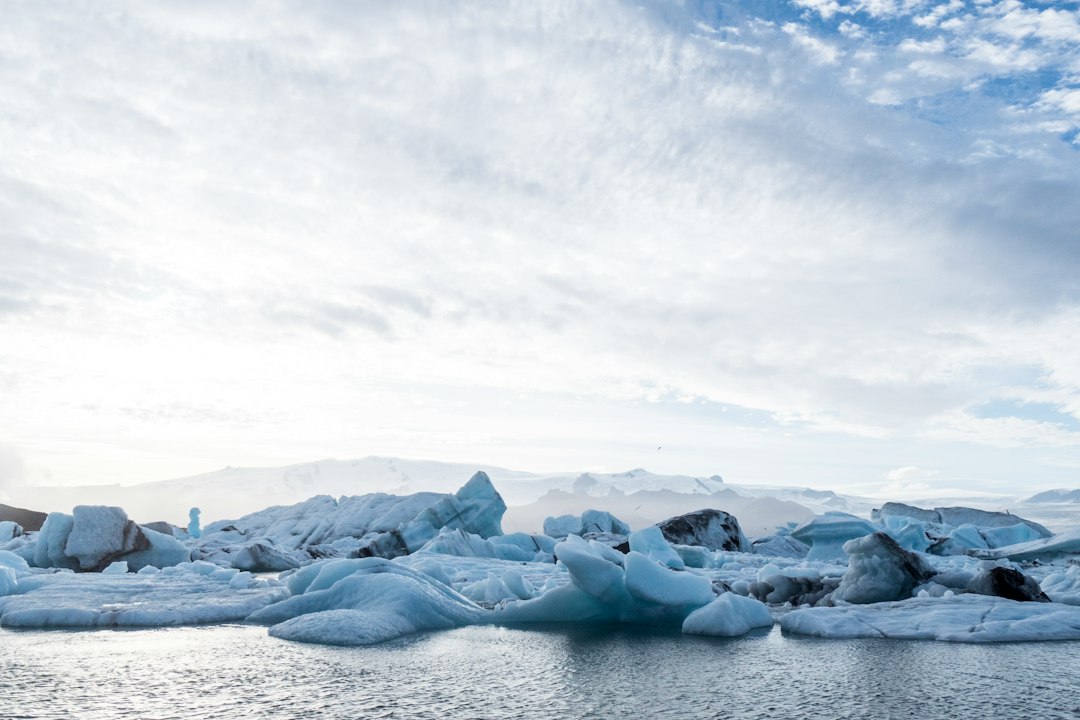
Yes, ancient climates definitely shifted, and it turns out the idea of smooth, predictable seasons is a relatively recent development for our planet. While we often think of the Earth’s past as a time of grand, slow changes, new discoveries are showing us that even during periods of extreme heat or deep freezes, the climate could be surprisingly volatile, with seasons that swung wildly. This volatility wasn’t just a minor inconvenience; it played a significant role in shaping life on Earth.
Whispers from the Ice: Tibet’s Ancient Archives
Imagine trying to reconstruct what happened in your backyard 10,000 years ago. Now try to do it for the entire planet. Scientists are constantly looking for ways to piece together Earth’s past climate, and sometimes, the most unlikely places hold the key. High up in the Tibetan Plateau, a discovery has been made that’s giving us an unprecedented peek into a very ancient past.
A Frozen Treasure Trove
In October 2026, scientists unearthed ancient ice in Tibet that’s estimated to be over 128,000 years old. This isn’t just any old ice; it’s a remarkably preserved record of past climate conditions, a kind of natural archive that many researchers believed was lost to time in this particular region. Think of it like finding a pristine, untouched diary from a distant ancestor. This ice traps tiny bubbles of ancient air, dust particles, and chemical signatures that, when analyzed, can tell us about temperature, atmospheric composition, and even the prevalence of certain types of vegetation from millennia ago.
What the Ice Reveals
The significance of this discovery lies in its potential to fill gaps in our understanding of ancient climate patterns. Ice cores from places like Antarctica and Greenland have been invaluable, but the Tibetan ice offers a potentially different, complementary perspective, especially for understanding climate dynamics in Asia. The sheer age of this ice means it can capture information from a period before many other long-term climate records were formed, offering a unique window into how the Earth’s climate system behaved under different global conditions, perhaps even revealing details about the transition into or out of glacial periods.
Recent studies have highlighted the impact of changing ancient climates and volatile seasons on early civilizations, revealing how these environmental shifts influenced societal structures and power dynamics. For a deeper understanding of how ancient elites navigated these challenges to maintain control over their communities, you can explore the article titled “Power and Knowledge: Ancient Elites and Control” at this link: Power and Knowledge: Ancient Elites and Control. This article delves into the intricate relationship between climate change and the rise of elite power in ancient societies.
The Polar Seesaw: Connecting Extremes
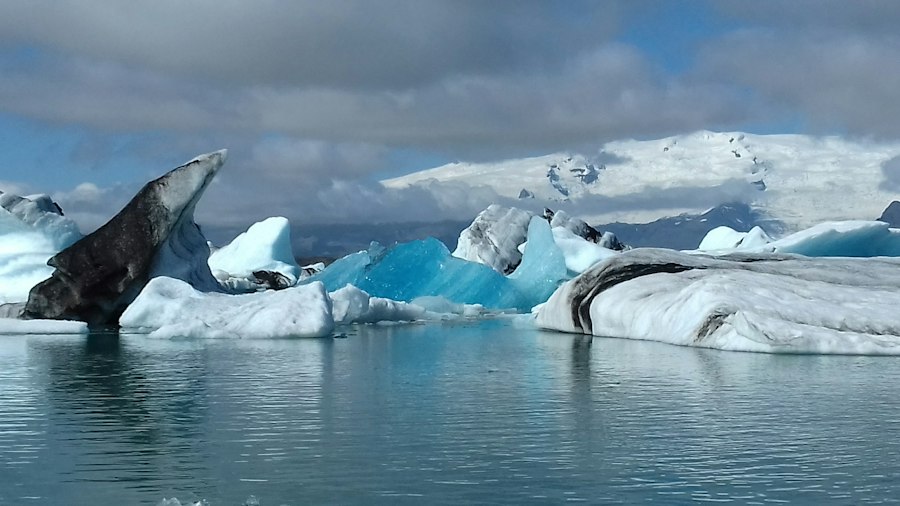
For a long time, scientists have studied climate events in isolation, focusing on one region or one specific phenomenon. But the Earth is a interconnected system, and new research is revealing that events happening at opposite ends of the planet can be far more closely linked than we previously imagined. This has profound implications for understanding why our planet has experienced periods of intense cold, like ice ages.
A Surprising Interplay
In October 2026, research highlighted a surprising connection between Earth’s poles. This finding suggests that what happens in the Arctic can have a direct impact on the Antarctic, and vice versa, in ways that influence the planet’s larger climate cycles. This “seesaw” effect, where a change in one pole can trigger a corresponding change in the other, is crucial for understanding the massive shifts in global temperature that have characterized Earth’s history.
The Ice Age Trigger?
The primary takeaway from this research is its potential to explain how Earth plunged into past ice ages. These massive cooling events, which covered large swathes of continents in ice, are driven by complex feedback loops. The newly discovered polar connection might be a key piece of this puzzle, suggesting that a shift at one pole could initiate a cascade of events that ultimately leads to widespread glaciation. Understanding this link helps us model not just past ice ages but also potential future climate scenarios.
Cretaceous Chaos: A Greenhouse World on Tilt
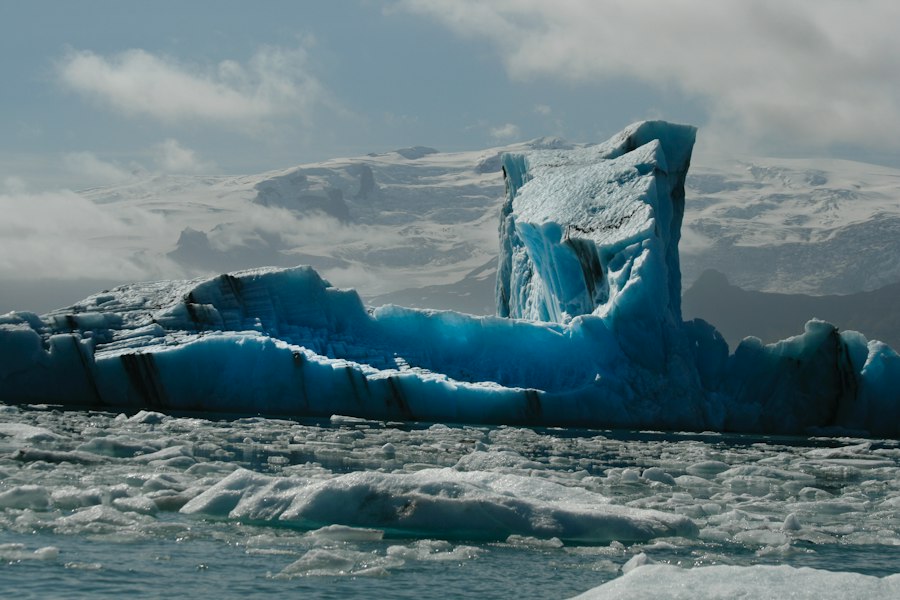
The Cretaceous period, often described as a “greenhouse” world with significantly warmer global temperatures than today, might not have been the consistently balmy era we sometimes imagine. New evidence suggests this period was marked by an unexpected level of climatic instability, with periods of rapid oscillation between wet and dry conditions.
Rapid Swings in a Warm World
In May 2026, a study using geochemical and mineral data painted a picture of rapid climate chaos during the Late Cretaceous. This wasn’t about slow, gradual shifts. Instead, the data points to repeated cycles of humid and arid conditions occurring with remarkable frequency – every 4,000 to 5,000 years. Imagine a region that might be lush and wet for a few thousand years, then suddenly transition to a long, dry spell, only to swing back again. This pattern is far more dynamic than the gradual warming or cooling we often associate with geological timescales.
Implications for Life
This constant flux would have presented significant challenges for the life forms of the Cretaceous. Organisms adapted to certain conditions would have had to cope with repeated environmental stresses. The ability of species to survive and evolve would have been directly tied to their resilience and adaptability to these cyclical, rapid climate changes. This “chaos” suggests that even in a generally warm climate, the day-to-day and year-to-year experience of seasons could have been highly unpredictable and extreme.
The Perpetual Flicker: Even in Snowball Earth
The concept of “Snowball Earth” conjures images of a planet entirely encased in ice, a static, frozen world. However, even during these extreme glaciations, the Earth’s climate system wasn’t entirely dormant. Recent findings reveal that a surprising degree of variability persisted, even on relatively short timescales.
Fluctuations in the Deep Freeze
In February 2026, researchers reported that even during the severe conditions of Snowball Earth, the planet’s climate still experienced fluctuations. These weren’t the gentle seasonal changes we experience today, but rather variations that occurred on annual, decadal, and centennial timescales. This means that while the overall state was an extreme ice age, there were still periods of slight warming or cooling, or changes in precipitation patterns, happening within these vast frozen eras.
A Glimmer of Dynamics
This finding is important because it challenges the idea of a completely static, frozen planet. It suggests that Earth’s climate system, even under the most extreme conditions, retains a certain inherent dynamism. These smaller-scale fluctuations could have had significant impacts on the limited life that may have existed during these periods, perhaps creating brief windows of opportunity or pushing already stressed ecosystems to their breaking point. It highlights that “stable” in geological terms can still encompass considerable internal movement.
Recent studies have shed light on how ancient climates have shifted dramatically, leading to unpredictable and volatile seasons that have significantly impacted ecosystems and human societies. This topic is explored in greater detail in a related article that discusses historical parallels in the climate crisis, highlighting how lessons from the past can inform our understanding of current environmental challenges. For more insights, you can read the article here. Understanding these ancient patterns can provide valuable context as we navigate the complexities of today’s climate issues.
The Greenhouse Greenhouse: Early Cretaceous Seasonality
| Time Period | Climate Characteristics | Seasonal Volatility | Key Indicators | Impact on Ecosystems |
|---|---|---|---|---|
| Late Permian (~260-252 million years ago) | Extreme warming, arid conditions | Highly volatile seasons with intense droughts and floods | Carbon isotope shifts, sediment layers showing drought | Mass extinction, collapse of marine and terrestrial ecosystems |
| Late Cretaceous (~100-66 million years ago) | Warm, greenhouse climate with high CO2 levels | Moderate seasonal changes, but increased storm activity | Fossil pollen records, oxygen isotope ratios | Diverse flora and fauna, but vulnerable to rapid climate shifts |
| Last Glacial Maximum (~26,500 years ago) | Cold, glacial climate with extensive ice sheets | Marked seasonal extremes, cold winters and short summers | Ice core data, glacial moraines | Migration of species, adaptation to cold, reduced biodiversity |
| Holocene Climatic Optimum (~9,000-5,000 years ago) | Warmer and wetter than present | Stable seasons with mild variability | Lake sediment cores, tree ring data | Expansion of forests, rise of agriculture |
| Medieval Warm Period (~950-1250 AD) | Moderately warm temperatures | Increased seasonal variability in some regions | Historical records, ice cores | Changes in crop yields, shifts in settlement patterns |
| Little Ice Age (~1300-1850 AD) | Cooler temperatures globally | Harsh winters and unpredictable seasons | Glacier advances, tree ring anomalies | Crop failures, famines, altered ecosystems |
When we think of a greenhouse world, we often picture uniform warmth. But new analyses are showing that even in these generally hot periods, the concept of “season” was very much alive, and in some cases, the differences between summer and winter could be quite dramatic.
Seasonal Swings in a Hot Past
A study from 2025, examining oyster shell fossils and using climate simulations, revealed strong seasonal swings during the Early Cretaceous. These ancient oceans, while generally warmer than today, experienced significant differences between winter and summer. The data indicates temperature variations of 10–15 °C between the two seasons. This is a substantial difference, comparable to or even exceeding some seasonal variations we see in temperate regions today, all within a period generally considered much hotter globally.
What This Means for Life
These pronounced seasonal differences in a greenhouse world have implications for understanding the life of that era. Organisms would have had to adapt not just to the overall warmth but also to these distinct seasonal challenges. This suggests that evolutionary pressures were not just about surviving a generally warm climate but also about coping with the annual cycle of potentially significant temperature changes. It implies a more complex ecological landscape than a simple, uniformly hot environment.
Recent studies have highlighted the impact of changing ancient climates and volatile seasons on the development of early civilizations. These fluctuations not only influenced agricultural practices but also contributed to social dynamics within communities. For a deeper understanding of how these environmental factors shaped societal structures, you can explore this insightful article on uncovering social fractures in ancient cities. This connection between climate and social organization reveals the intricate ways in which human societies adapt to their ever-changing environments.
The 34 Million Year Shift: A Global Cooling and Seasonal Change
Around 34 million years ago, Earth underwent a significant climate transition. This period, marked by a notable cooling event, also brought about changes in the character of the seasons themselves, indicating that shifts in global temperature are often accompanied by alterations in seasonal patterns.
Evidence of a Colder Planet
In 2026, using fossil shells and a new geochemical technique, researchers identified major climate cooling that occurred around 34 million years ago. This cooling was not a minor blip; it represents a significant shift in Earth’s long-term temperature trends. The evidence for this cooling is robust and provides a crucial data point for understanding the drivers of global climate change over geological timescales.
The Arrival of New Seasonality
Crucially, this cooling event was also associated with evidence for large changes in seasonality. This suggests that as the planet cooled, the annual rhythm of the climate didn’t just become colder overall; it also changed in its internal structure. This could mean longer or more intense winters, shorter or cooler summers, or perhaps more extreme transitions between the two. The precise nature of these seasonal changes would have had a profound impact on ecosystems and the evolution of life, forcing adaptations to a new annual cycle.
The Southern Westerly Winds: A 15,000-Year Climate Driver
Understanding how past climates changed often involves looking at major atmospheric and oceanic circulation patterns. A particularly influential system, the Southern Westerly Winds, has been identified as a key driver of significant climate shifts, with one notable change occurring over a 15,000-year period.
Wind Patterns, Climate Shifts
In 2025, studies of ancient peat bogs provided evidence for a 15,000-year climate shift that was directly tied to abrupt changes in the Southern Westerly Winds. Peat bogs act as natural archives, accumulating organic material over time, which can preserve pollen, charcoal, and other indicators of past environmental conditions. By analyzing these layers, scientists can reconstruct past vegetation, fire history, and infer climate changes.
The Impact on Australasia and Beyond
The Southern Westerly Winds play a critical role in the climate of the Southern Hemisphere, particularly for regions like Australia, New Zealand, and parts of South America. When these winds shift their position or intensity, they can drastically alter precipitation patterns, temperature regimes, and overall climate stability in these areas. The 15,000-year climate shift linked to these winds highlights how changes in atmospheric circulation can lead to prolonged periods of different climatic conditions, influencing everything from plant growth to the availability of water. This underscores the interconnectedness of atmospheric dynamics and large-scale climate patterns.

Life 20,000 Years Ago | When Your Ice Age Family Can’t Feed the Dog
FAQs
What are the primary factors contributing to ancient climate changes?
Ancient climate changes were primarily influenced by natural factors such as volcanic eruptions, variations in Earth’s orbit and axial tilt (Milankovitch cycles), solar radiation changes, and tectonic plate movements. These factors affected global temperatures, precipitation patterns, and seasonal variations over millennia.
How did ancient civilizations adapt to changing climates?
Ancient civilizations adapted to changing climates through various strategies, including the development of agricultural techniques suited to new environmental conditions, the establishment of trade networks to access resources, and the construction of infrastructure such as irrigation systems to manage water supply. They also migrated to more favorable areas when necessary.
What evidence do scientists use to study ancient climates?
Scientists study ancient climates using a variety of evidence, including ice cores, sediment layers, tree rings, and fossil records. These sources provide insights into past temperatures, atmospheric composition, and ecological changes, allowing researchers to reconstruct historical climate patterns.
How do volatile seasons impact ecosystems?
Volatile seasons can significantly impact ecosystems by altering the timing of biological events such as flowering, breeding, and migration. These changes can disrupt food chains, affect species interactions, and lead to shifts in biodiversity as organisms struggle to adapt to new seasonal patterns.
What role does human activity play in current climate changes compared to ancient times?
While ancient climate changes were primarily driven by natural factors, current climate changes are largely influenced by human activities, particularly the burning of fossil fuels, deforestation, and industrial processes. These activities increase greenhouse gas concentrations in the atmosphere, leading to accelerated warming and more extreme weather patterns compared to ancient climate fluctuations.