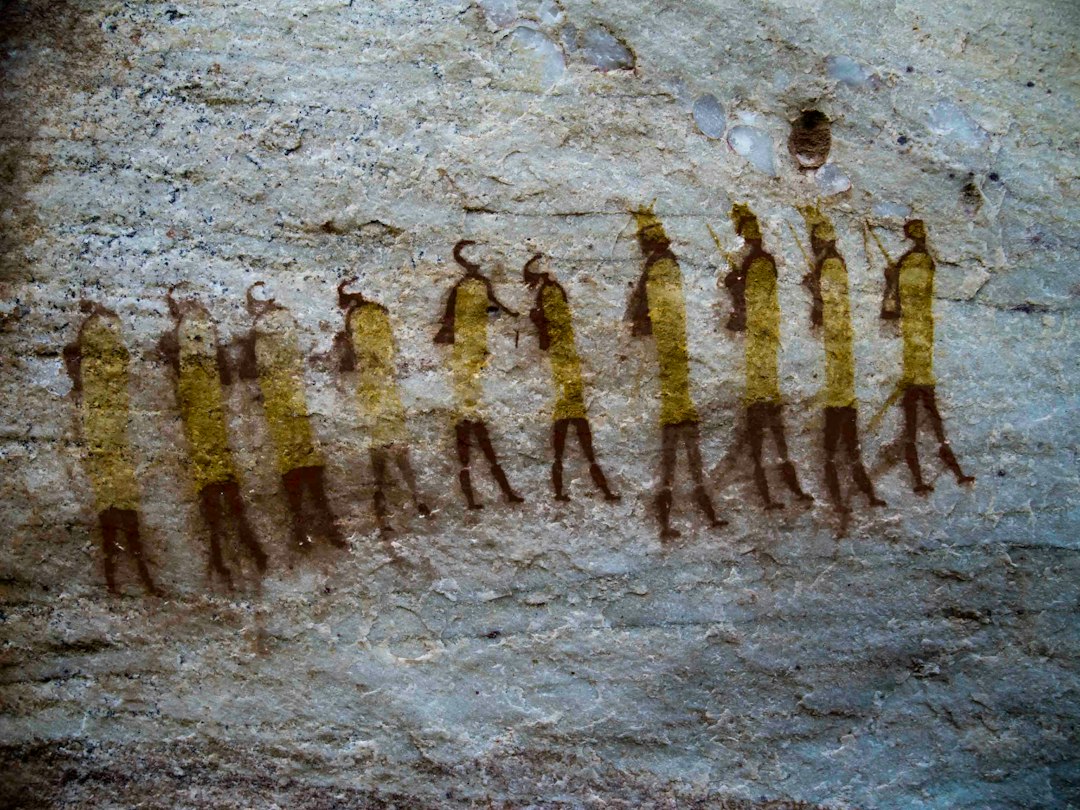
It’s fascinating to think about how our ancient ancestors survived. When we look at early human hunters, a big question is how they managed to find enough food and stay alive in a world full of challenges. Did they work together, or was it every person for themselves? The answer, as with many things in life, seems to be a bit of both. Recent research is giving us a clearer picture of the complex dance of cooperation and rivalry that shaped their lives and ultimately, our own evolution.
The Art of the Shared Meal: Cooperation in Action
When we picture early humans, we might imagine lone figures, but the reality was far more communal. The evidence increasingly points to cooperation being a cornerstone of their survival, especially when it came to getting food.
Scavenging as a Survival Staple
It turns out that our early ancestors weren’t always the ones bringing down the biggest game. A significant strategy, and one where cooperation was key, was scavenging. Tools, the use of fire, and working together allowed them to efficiently exploit carcasses left behind by other predators. This wasn’t a second-best option; it was a vital way to access calorie-rich resources, complementing hunting and gathering. Think about it: if a large animal was killed by a lion, a group of humans could potentially drive off smaller scavengers or wait for their opportunity to claim a share of the spoils, a much safer and more resource-efficient approach than taking on a fresh kill alone. This cooperative scavenging suggests a sophisticated understanding of their environment and the behaviors of other animals.
Coordinated Hunts and Group Roles
The idea that complex teamwork and planning were exclusive to modern humans is being challenged. Research on ancient horse hunts, dating back as far as 300,000 years ago in Europe, reveals highly coordinated group roles. This wasn’t just a random chase; it involved tracking prey, driving them towards specific locations, and executing ambushes. This level of organization implies communication, foresight, and trust among individuals within the group. Different members likely had specialized roles, perhaps some were better at flushing out the animals, others at herding them into traps or towards cliffs, and others at the final, decisive moment of the hunt. This suggests that the cognitive and social skills necessary for such complex group endeavors were present much earlier in human evolution than previously thought.
Food Sharing as a Social Glue
The success of communal hunting wasn’t just about bringing down prey; it was also about what happened afterward. The sharing of food is increasingly seen as a critical driver of human evolution. Hunting success often depended on effective communication, coordination, and, crucially, the distribution of the acquired resources. This sharing would have fostered strong social bonds, reduced individual risk, and ensured that more members of the group benefited, even those who might not have been directly involved in the hunt. This practice likely deepened social networks and encouraged further cooperation. Evidence suggests this communal hunting and sharing practice extends deep into the Middle Pleistocene, showing its long-standing importance.
Recent studies have shed light on the complex interactions between early human hunters, revealing how their social structures and collaborative strategies played a crucial role in their survival. For a deeper understanding of these intricate dynamics, you can explore the article titled “Uncovering Ancient Tech: The Lore and Order,” which discusses the technological advancements that influenced hunting practices and social organization among early humans. To read more, visit this link.
The Competitive Edge: Rivalries and Resource Wars
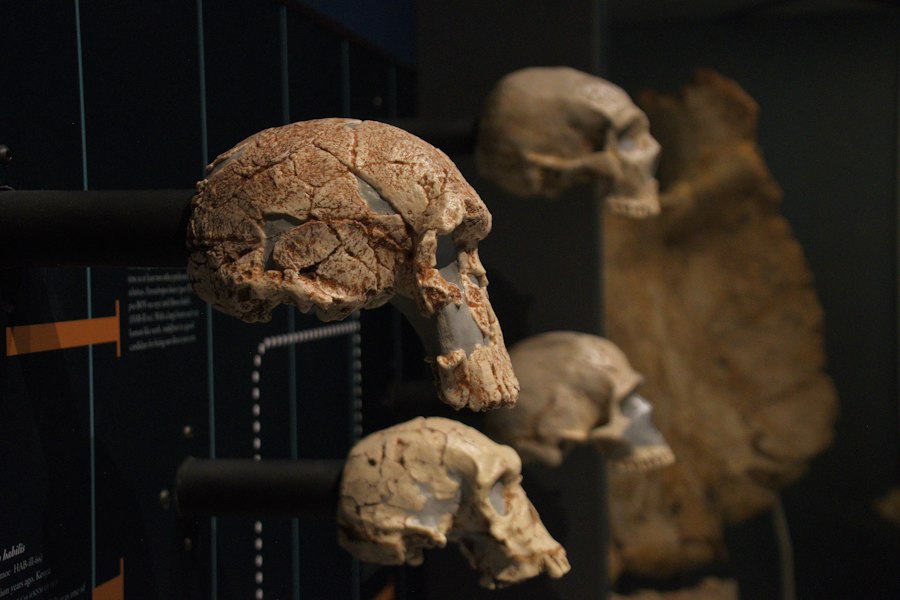
While cooperation was vital, it’s unlikely that early humans lived in a constant state of harmony. Competition, both within and between groups, was likely a constant factor, shaping their social structures and evolutionary trajectory.
Outcompeting Our Cousins
The evolutionary story isn’t just about our own success; it’s also about why other hominin groups didn’t make it. Simulations suggest that teamwork could have given early Homo a significant survival advantage over groups like Paranthropus. This implies that the cooperative strategies employed by our ancestors, particularly in resource acquisition and defense, may have been a key factor in their ability to thrive while other, perhaps less cooperative, hominin lineages eventually went extinct. The advantage wasn’t necessarily brute strength, but rather the efficiency and resilience that came from working together.
Strategic Hunting vs. Mass Slaughter
The image of early humans as indiscriminate killers, depleting animal populations, is also being refined. New research indicates that archaic humans like Neanderthals and Homo erectus in regions like the Levant engaged in more strategic hunting. They selectively targeted prime-aged female aurochs, which are vital for herd reproduction. This implies a more tactical approach, focusing on sustainable resource management rather than simply mass-hunting. This suggests a level of foresight and understanding of ecological principles, where the goal was not just immediate sustenance but also ensuring future availability of prey. It’s a stark contrast to the idea of simply overwhelming prey with sheer numbers.
The Ever-Present Danger of Predation
Survival pressures for early humans weren’t solely focused on competition with other human groups or securing prey. They were also on the menu themselves. New evidence suggests that early humans were still preyed upon by other carnivores, such as leopards. This highlights the constant danger they faced and the need for vigilance and defensive strategies. Their cooperative behaviors likely extended to group defense, not just hunting. Living in groups provided safety in numbers, allowing for shared vigilance and coordinated responses to threats from other large predators. This ongoing threat would have further reinforced the importance of social cohesion.
The Tools of the Trade: Technology and Cooperation
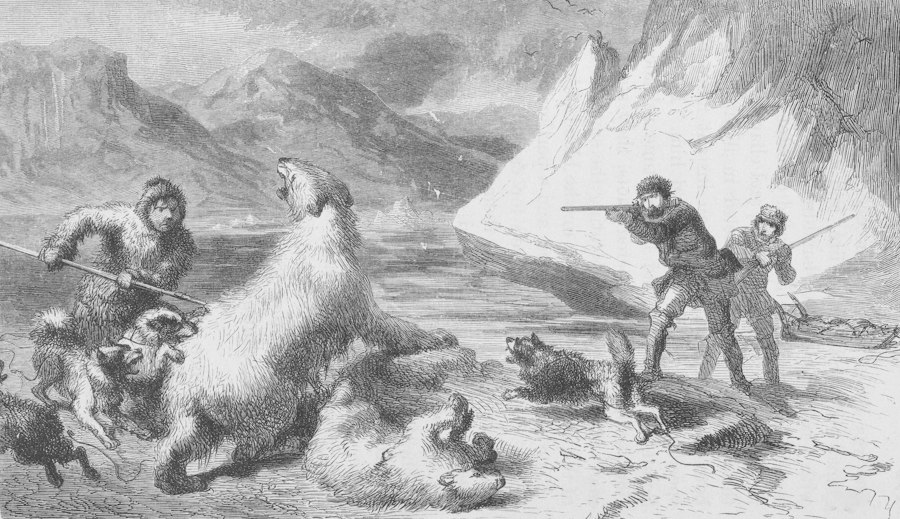
The development and use of tools were intrinsically linked to cooperative behaviors among early human hunters. These weren’t just individual implements; they facilitated and were often utilized in group activities.
Stone Tools as Collaborative Enablers
The creation and use of stone tools represent a significant leap in our ancestors’ ability to interact with their environment. Early tools, from simple choppers to more refined handaxes, were essential for butchering carcasses, processing plant materials, and even for defense. The knowledge and skill required to knap these tools effectively would have been shared and passed down through generations. Furthermore, the effectiveness of these tools was often amplified in a group setting. For instance, while a single individual might use a stone scraper to process hides, a group could collectively use sharpened sticks and stone tools to dismantle a large animal more efficiently and safely.
Fire: A Communal Catalyst
The control of fire was a transformative development, and its use was inherently communal. Fire provided warmth, protection from predators, and a means to cook food, making it more digestible and nutritious. However, maintaining and controlling a fire, especially in the wild, would have required collective effort. This shared resource would have become a focal point for social interaction, storytelling, and planning. The communal nature of fire use would have further strengthened group bonds and provided a safe space for cooperation, particularly during the long nights when the risks of predation were higher.
The Evolution of Social Complexity
The interplay between cooperation and rivalry wasn’t just about immediate survival; it had profound implications for the long-term evolution of human sociality and cognitive abilities.
Communication and Coordination as Evolutionary Drivers
The demands of cooperative hunting and scavenging spurred the development of more sophisticated communication systems. Early humans needed to convey complex information: where prey was spotted, the best approach, potential dangers, and plans for sharing. This likely led to the gradual development of more complex vocalizations and, eventually, language. The ability to coordinate actions among multiple individuals for a common goal is a hallmark of human intelligence, and these hunting and scavenging scenarios provided a powerful selective pressure for such cognitive abilities to flourish.
Social Networks and Alliance Building
The success of cooperative ventures would have also fostered the development of broader social networks. Beyond immediate family groups, alliances might have formed between different bands for shared hunting grounds or mutual defense. These extended networks would have provided access to a wider range of resources and greater resilience in the face of environmental challenges. The ability to navigate these complex social relationships, to build trust, and to maintain alliances would have been crucial for individual and group success, further shaping our inherently social nature.
Recent studies have shed light on the complex interactions between early human hunters and their environments, revealing how climate shifts influenced their survival strategies. For a deeper understanding of how these dynamics played a role in broader historical contexts, you might find the article on the Bronze Age collapse particularly insightful. It discusses the significant impact of climate on human societies, which can be related to the challenges faced by early hunters. To explore this further, you can read more about it in the article here.
Looking Ahead: New Discoveries and Ongoing Debates
| Metric | Description | Estimated Value | Significance |
|---|---|---|---|
| Group Size | Average number of individuals in a hunting party | 5-15 | Optimal for coordination and resource sharing |
| Communication Methods | Types of signals used during hunts | Gestures, vocal calls, body language | Facilitated coordination and strategy |
| Hunting Success Rate | Percentage of hunts resulting in a kill | 30-50% | Indicates efficiency and skill level |
| Tool Use Complexity | Variety and sophistication of hunting tools | Simple spears to composite weapons | Enhanced hunting capabilities and adaptability |
| Division of Labor | Specialization of roles within the hunting group | Tracker, driver, ambusher roles identified | Improved coordination and success |
| Cooperative Strategies | Techniques involving multiple hunters working together | Encirclement, driving prey towards traps | Increased hunting efficiency and safety |
| Resource Sharing | Distribution of meat and other resources post-hunt | Equitable sharing within group | Strengthened social bonds and survival |
Our understanding of early human cooperation and rivalry is a constantly evolving field. New archaeological finds and innovative research methods continue to shed light on these ancient dynamics.
Reinterpreting the Archaeological Record
Scientists are continually re-examining existing archaeological sites and artifacts with new perspectives and technologies. Advances in dating techniques, residue analysis, and comparative anatomy are providing more precise information about early human diets, hunting strategies, and social behaviors. This allows us to move beyond speculation and to build a more robust picture based on tangible evidence. For example, analyzing wear patterns on tools or the types of animal bones found at a site can reveal whether they were from hunted animals or scavenged remains.
The Importance of Interdisciplinary Research
Understanding these complex interactions requires a multidisciplinary approach. Paleoanthropologists, archaeologists, evolutionary biologists, and even cognitive scientists are contributing to the discussion. By combining insights from different fields, researchers can build more comprehensive models of early human life. This collaborative effort is essential for tackling the multifaceted questions surrounding the evolution of human cooperation and the intricate dance of competition that defined our ancestors’ world. The ongoing research promises even deeper insights into the fundamental aspects of what makes us human.

Life 20,000 Years Ago | When Your Ice Age Family Can’t Feed the Dog
FAQs
What were the primary hunting strategies used by early human hunters?
Early human hunters employed various strategies, including group hunting, ambush tactics, and the use of tools such as spears and bows. They often worked collaboratively to track and corner prey, utilizing their understanding of animal behavior and terrain to increase their chances of a successful hunt.
How did social interactions influence hunting success among early humans?
Social interactions played a crucial role in hunting success, as cooperation and communication among group members enhanced their ability to coordinate efforts. Strong social bonds and shared knowledge allowed hunters to develop effective strategies, share resources, and ensure the survival of the group.
What role did environmental factors play in the hunting practices of early humans?
Environmental factors such as climate, geography, and the availability of prey significantly influenced hunting practices. Early humans adapted their techniques based on seasonal changes, migratory patterns of animals, and the resources available in their surroundings, which shaped their hunting strategies and social structures.
How did early human hunters communicate during hunts?
Early human hunters likely used a combination of verbal communication, body language, and non-verbal signals to coordinate during hunts. This communication was essential for maintaining group cohesion, signaling danger, and executing complex hunting strategies effectively.
What evidence do we have of complex interactions among early human hunters?
Archaeological findings, such as cave paintings, tool remnants, and fossilized remains, provide evidence of complex interactions among early human hunters. These artifacts suggest organized hunting groups, social structures, and shared cultural practices that indicate a high level of cooperation and communication.