It seems you’re looking for information about something called “Enduring Ancient World: Timeless Lore of Civilizations Past.” The straightforward answer is, after looking into it, there isn’t any widely recognized or published work, be it a book, game, film, or article series, by that exact title. It’s quite possible this is a working title, a personal project, or perhaps a slightly different name for something you’ve encountered. Without more specific details about where you might have seen or heard of it, it’s difficult to pinpoint.
However, the idea behind the title itself – exploring the enduring legacies of ancient civilizations – is a rich one, and there’s a vast amount of fascinating information and material out there that fits this theme. So, while we can’t discuss a specific entity by that name, we can certainly delve into the kinds of timeless lore that have shaped our world and continue to resonate today.
Echoes from the Dawn of Time
The ancient world isn’t just a collection of dusty ruins and forgotten kings; it’s the bedrock upon which much of our modern understanding and way of life is built. From the way we govern ourselves to the stories we tell, the threads of these ancient civilizations are woven deeply into the fabric of our present. When we talk about “timeless lore,” we’re really talking about the ideas, innovations, and cultural touchstones that have survived millennia, proving their fundamental human appeal or practical utility. These aren’t just historical footnotes; they are living legacies that continue to influence us in ways we might not even realize.
The Birthplace of Ideas
Many of the concepts we take for granted today have their roots in ancient Mesopotamia, Egypt, Greece, and Rome. Think about written language, the wheel, laws, mathematics, philosophy, and even the basic structure of city planning. These weren’t just invented; they were developed, refined, and passed down, forming the intellectual and practical toolkit that later societies inherited. The very act of recording history, for instance, began in these early civilizations, giving us a window into their thoughts and experiences.
More Than Just Stories
Ancient lore encompasses not just grand narratives of gods and heroes but also practical knowledge. Agricultural techniques that still inform modern farming, architectural principles that influence buildings today, and sophisticated systems of trade and administration all emerged from these early societies. They were, in essence, the first great laboratories of human ingenuity, testing and proving ideas that have stood the test of time.
The enduring ancient world is filled with remarkable innovations that continue to inspire modern technology. One fascinating aspect is the use of solar energy, as explored in the article on ancient solar furnaces. This historical lore highlights how ancient civilizations harnessed the power of the sun for practical applications, showcasing their ingenuity and understanding of natural resources. To learn more about this intriguing topic, you can read the article here: Harnessing Ancient Solar Furnace Tech.
Mesopotamia: The Cradle of Civilization’s Innovations
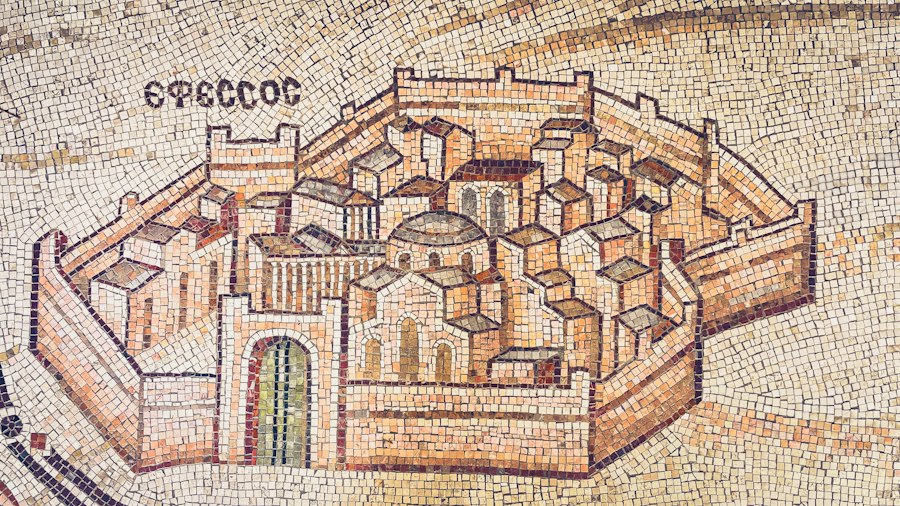
Often cited as the birthplace of civilization, Mesopotamia, the land between the Tigris and Euphrates rivers, laid down foundational elements that still shape our world. It’s easy to think of it as a distant past, but the innovations that sprung from this region are surprisingly pervasive.
The Gift of the Written Word
Perhaps the most profound legacy of Mesopotamia is the invention of writing. The Sumerians developed cuneiform script, initially for record-keeping and trade. This was revolutionary. Suddenly, information could be stored, transmitted across distances, and preserved for future generations. Imagine the leap from oral tradition to the ability to inscribe laws, literature, and astronomical observations. This paved the way for all subsequent written communication, from ancient epics to the digital text we use today.
Early Legal Frameworks
The Code of Hammurabi, from the Babylonian period, is a prime example of early codified law. While the punishments might seem harsh by modern standards, it was a groundbreaking attempt to establish a systematic and publicly accessible legal system. It introduced the concept of justice being administered through written decree, a principle that is fundamental to modern legal systems worldwide. The idea that there should be rules, and that these rules should be known, originated here.
Building Blocks of Society
Mesopotamians were also pioneers in urban development and administration. They organized complex societies with specialized roles, developed sophisticated irrigation systems to support agriculture, and established early forms of mathematics and astronomy. Their understanding of celestial movements, for example, contributed to the development of calendars and our fascination with the cosmos, a pursuit that continues to drive scientific exploration.
Ancient Egypt: Enduring Monuments and Mystical Narratives
Ancient Egypt, with its iconic pyramids, pharaohs, and hieroglyphs, captivates the imagination. Beyond the visual grandeur, its civilization left behind a rich tapestry of lore, from spiritual beliefs to practical advancements that sustained a complex society for thousands of years.
The Pantheon of Beliefs
Egyptian mythology is a sprawling narrative of gods and goddesses who governed every aspect of life and death. The stories of Osiris, Isis, and Horus, and the concept of the afterlife, profoundly shaped their worldview. The elaborate burial rituals, the mummification process, and the construction of tombs like the pyramids were all driven by a deep-seated belief in the continuation of life after death. This fascination with mortality and the eternal is a theme that has echoed through countless cultures.
Engineering Marvels and Practical Skills
The construction of the pyramids themselves is a testament to Egyptian engineering prowess and organizational skill. How they managed to move and place such massive stones with the technology of the time remains a subject of awe and study. Beyond monumental architecture, the Egyptians developed advanced surveying techniques, a sophisticated understanding of anatomy for their medical practices, and a complex writing system (hieroglyphs) that preserved their history, religion, and daily life.
The Nile’s Influence
The cyclical nature of the Nile River’s floods was central to Egyptian life, dictating their agricultural calendar and shaping their understanding of time and renewal. This reliance on a predictable natural force fostered a sense of order and rhythm that permeated their culture and is reflected in their art and literature. The concept of maat – order, truth, and justice – was a cornerstone of their society, a reflection of their desire to live in harmony with the natural and divine worlds.
Classical Greece: Philosophy, Democracy, and the Birth of Drama
Ancient Greece, particularly Athens, is often lauded as the birthplace of Western philosophy, democracy, and a vibrant artistic and literary tradition. The ideas and forms that emerged from this era have had an unparalleled impact on subsequent thought and governance.
The Dawn of Rational Inquiry
Greek philosophers like Socrates, Plato, and Aristotle moved away from purely mythological explanations of the world, seeking rational understanding through observation and logic. Their inquiries into ethics, politics, metaphysics, and epistemology laid the groundwork for much of Western philosophical thought. The Socratic method of questioning, the Platonic Forms, and Aristotle’s systematic approach to knowledge continue to be studied and debated.
The Roots of Democracy
The Athenian experiment with democracy, while limited in its scope by modern standards, introduced the radical idea that citizens could have a direct say in their governance. The concept of the polis, the independent city-state, and the assemblies where citizens debated and voted on public matters, were revolutionary. This laid the foundation for the democratic ideals that have been strived for and adapted by societies across the globe.
The Art of Storytelling and Performance
Greek drama, with its tragedies and comedies, explored fundamental human experiences – love, loss, ambition, fate, and the complexities of human nature. Playwrights like Sophocles, Euripides, and Aristophanes crafted narratives that continue to resonate, probing universal themes. The very structure of dramatic performance, with its chorus, dialogue, and thematic exploration, set a precedent for theatrical traditions that continue to this day.
The historical lore of the enduring ancient world often intertwines with modern economic systems, revealing fascinating connections between past and present. For instance, the recent article on the impact of the USMCA wage requirement explores how contemporary trade agreements echo the economic practices of ancient civilizations, where trade and labor played crucial roles in societal development. To delve deeper into this intriguing relationship, you can read more about it in this insightful piece here.
The Roman Empire: Law, Engineering, and the Foundation of Western Governance
| Era | Region | Notable Civilization | Key Historical Lore | Approximate Time Period |
|---|---|---|---|---|
| Bronze Age | Mesopotamia | Sumerians | Development of cuneiform writing and early city-states like Uruk | c. 3300–1200 BCE |
| Iron Age | Egypt | New Kingdom | Pharaohs like Ramses II and monumental architecture such as temples and tombs | c. 1550–1070 BCE |
| Classical Antiquity | Greece | Ancient Greeks | Philosophy, democracy, and epic literature like the Iliad and Odyssey | c. 800–323 BCE |
| Classical Antiquity | Rome | Roman Empire | Legal systems, engineering feats, and expansion across Europe and the Mediterranean | c. 27 BCE–476 CE |
| Ancient China | East Asia | Han Dynasty | Silk Road trade, Confucianism, and advancements in technology and governance | 206 BCE–220 CE |
| Ancient India | South Asia | Maurya Empire | Spread of Buddhism and establishment of a centralized administration under Ashoka | c. 322–185 BCE |
The Roman Empire, known for its military might, vast infrastructure, and legal system, left an indelible mark on the Western world. Their ability to organize, build, and govern on such a scale is still studied and admired.
The Enduring Power of Law
Roman law is arguably one of their most significant and lasting contributions. Principles like the presumption of innocence, the right to a defense, and the concept of natural law formed the basis of legal systems in many European countries and beyond. The meticulous codification of laws and the development of legal reasoning provided a framework for justice and order that proved remarkably adaptable.
Engineering for the Ages
The Romans were master builders and engineers. Their aqueducts, roads, bridges, and public buildings like the Colosseum demonstrate a remarkable understanding of materials and construction. These structures not only served practical purposes for their empire but also stand as enduring testaments to their ingenuity and their ability to create infrastructure that could last for centuries. The efficient network of roads, for instance, was crucial for communication and trade, enabling the empire to function.
The Legacy of Governance and Language
The Roman model of governance, with its emphasis on centralized authority, provincial administration, and the concept of citizenship, influenced the development of later European states. Furthermore, Latin, the language of Rome, became the foundation for many modern Romance languages and a significant source of vocabulary for English and other tongues. The spread of Latin was intrinsically linked to the spread of Roman culture, law, and administration, ensuring its enduring influence.
Why This Lore Endures
The reason these ancient civilizations continue to fascinate and inform us isn’t just about historical curiosity. It’s about recognizing patterns in human behavior, understanding the origins of our societal structures, and appreciating the fundamental questions that have always driven us.
Universal Human Experiences
The stories, myths, and philosophies of ancient peoples often grapple with universal human experiences: love, loss, duty, ambition, the search for meaning, and the fear of the unknown. These themes transcend time and culture, allowing us to connect with individuals who lived thousands of years ago on a deeply human level. We see ourselves in their struggles and triumphs.
Foundational Principles
Many of the core principles that govern our modern societies – be it in law, governance, ethics, or science – have their roots in these ancient worlds. Studying them provides context for our present and can offer insights into how to navigate contemporary challenges. It’s like understanding the blueprints of our civilization.
A Sense of Perspective
In our fast-paced, ever-changing world, looking back at these enduring civilizations offers a valuable sense of perspective. It reminds us that human ingenuity, resilience, and the pursuit of knowledge are not new phenomena. The achievements of the past can inspire us to continue building, questioning, and striving for a better future, informed by the wisdom and mistakes of those who came before us. The “timeless lore” isn’t just about the past; it’s about the ongoing conversation between generations, where ancient wisdom continues to shape our understanding of ourselves and the world.

Life 20,000 Years Ago | When Your Ice Age Family Can’t Feed the Dog
FAQs
What is the significance of ancient civilizations in historical lore?
Ancient civilizations such as Mesopotamia, Egypt, Greece, and Rome are significant in historical lore as they laid the foundations for modern society. Their contributions to governance, philosophy, art, and science have influenced countless generations and shaped cultural narratives that persist today.
How do myths and legends from ancient cultures contribute to our understanding of history?
Myths and legends from ancient cultures provide insight into the values, beliefs, and social structures of those societies. They often reflect historical events, moral lessons, and the human experience, allowing historians and anthropologists to piece together the cultural context of the time.
What role did oral traditions play in preserving ancient history?
Oral traditions played a crucial role in preserving ancient history, especially in societies without written records. Stories, songs, and rituals were passed down through generations, ensuring that important events, cultural practices, and ancestral knowledge were maintained and shared within communities.
How have archaeological discoveries enhanced our understanding of ancient civilizations?
Archaeological discoveries have significantly enhanced our understanding of ancient civilizations by providing tangible evidence of their existence, culture, and daily life. Excavations of sites, artifacts, and inscriptions have revealed information about social structures, trade, technology, and interactions between different cultures.
What are some common themes found in the historical lore of ancient cultures?
Common themes found in the historical lore of ancient cultures include creation myths, heroism, the struggle between good and evil, the relationship between humans and the divine, and the importance of nature. These themes often reflect universal human experiences and concerns, making them relevant across different cultures and eras.