So, what’s the big deal about this Ice Age shelter discovery? Essentially, archaeologists have uncovered a cave in Australia’s Blue Mountains that’s been used by humans for an incredibly long time – around 20,000 years. This find is significant because it shows people were living in these higher, colder areas of Australia much earlier than we previously thought, and the evidence suggests they were pretty well-adapted to it. While there’s a lot of focus on the tools and the sheer age of the site, the specific detail about a “boy’s sleeping place” doesn’t seem to be explicitly mentioned in the official reports I’ve seen. The research is more about the overall occupation of the shelter.
A Glimpse into Ancient Life at Dargan Shelter
The discovery at Dargan Shelter, located in Australia’s Blue Mountains, is genuinely fascinating for anyone interested in our ancient past. For a long time, the prevailing idea was that the higher, colder regions of Australia were largely uninhabited during the Ice Age. This new research really challenges that notion, showing that people weren’t just passing through but were actively living in these environments. The evidence points to continuous or at least repeated use of the shelter over a span of roughly 20,000 years. That’s a monumental amount of time, spanning many generations and significant environmental changes.
Unearthing a Long-Occupied Space
Think about that timeframe for a moment. Twenty thousand years is longer than most recorded human history. The fact that people were returning to this specific shelter repeatedly over such a vast period speaks volumes about its importance to them. It wasn’t just a temporary stopover; it was a place that offered shelter, perhaps a strategic vantage point, or was tied to resources they needed. The ongoing use suggests a deep familiarity with the surrounding landscape and its seasonal cycles.
Altitude and Adaptation: Living Above the Clouds
What’s particularly striking is the elevation of Dargan Shelter. Situated at about 1,073 metres above sea level, it’s now the oldest known site of human occupation above 700 metres in Australia. This isn’t a mild, temperate climate; this is a high-altitude environment. The researchers have found evidence of hearth features, which are vital for warmth and cooking, and stone artefacts that clearly indicate human activity. The tools themselves suggest how these early inhabitants managed to survive in what was once a cold, treeless landscape that likely experienced seasonal freezing. This points to a remarkable level of adaptation and resourcefulness.
In exploring the fascinating topic of ancient living conditions, one might find it intriguing to consider how a boy would have slept in an Ice Age shelter, surrounded by the harsh elements yet protected by the ingenuity of early humans. These shelters, often made from animal hides and bones, provided warmth and safety, crucial for survival during the frigid months. For a deeper understanding of how humans have navigated their environments throughout history, you can read a related article that discusses broader strategies for success in challenging situations. Check it out here: Navigating International Relations: Key Strategies for Success.
The Artefacts: Tools of Survival and Ingenuity
The sheer quantity of artefacts recovered from Dargan Shelter is impressive. Nearly 700 stone tools have been unearthed, offering a tangible connection to the people who lived there. These aren’t just random stones; they are shaped and worked, designed for specific purposes. Examining these tools gives us a direct insight into the daily lives, the challenges, and the ingenuity of Ice Age Australians.
Cutting, Scraping, and Daily Tasks
The types of tools found, described as likely used for cutting or scraping, suggest the practical activities that were central to survival. These tools would have been essential for a range of tasks, from preparing food – perhaps processing animal hides or plant materials – to working with wood or bone for other implements. The precision with which some of these tools are crafted also speaks to the skill and knowledge passed down through generations. They understood their materials and how to best shape them for their needs.
More Than Just Tools: A Window into Lifestyle
Beyond their immediate function, the artefacts also contribute to our understanding of the broader lifestyle. The presence of hearths, for instance, alongside the tools, paints a picture of a settled (or at least frequently returning) existence. It suggests that these high-altitude dwellers were capable of maintaining fires for warmth, cooking, and perhaps even social gathering. The sheer volume of tools also hints at a society that was active and engaged in various forms of production and resource management.
Rethinking Ice Age Australia: A New Narrative
This discovery fundamentally alters our perspective on human presence in Australia during the Ice Age. For decades, archaeological thought often placed early human activity primarily in the warmer, lower-lying coastal and inland areas. Dargan Shelter throws a significant wrench into that established narrative, proving that humans were not only capable of surviving but thriving in harsher, higher environments.
Challenging Established Beliefs
The notion that Australia’s high country was unoccupied during the Ice Age is being directly overturned by this find. It implies that the continent’s interior and its mountainous regions held significant value for these early populations, perhaps offering resources, refuge, or routes of movement that we are only just beginning to understand. This forces a re-evaluation of migration patterns, resource exploitation, and the overall human footprint across ancient Australia.
The Significance of High-Altitude Occupation
The fact that Dargan Shelter provides the oldest evidence of occupation above 700 metres in Australia is a critical piece of the puzzle. It demonstrates a sophisticated understanding of environmental niches and the ability to exploit them. This wasn’t a marginal existence; it was a sustained presence, indicating that these environments were integral to the lives of these ancient peoples, not just peripheral zones. The research published in Nature Human Behaviour underscores the scientific rigor and the broad impact of these findings.
The Dargan Shelter Site: A Detailed Look
Delving a bit deeper into the Dargan Shelter site itself, we can appreciate the context of this incredible discovery. Its location and the layers of sediment within it have preserved the evidence of human activity for millennia. The research team’s meticulous excavation work has been key to uncovering these ancient secrets.
Location and Environmental Context
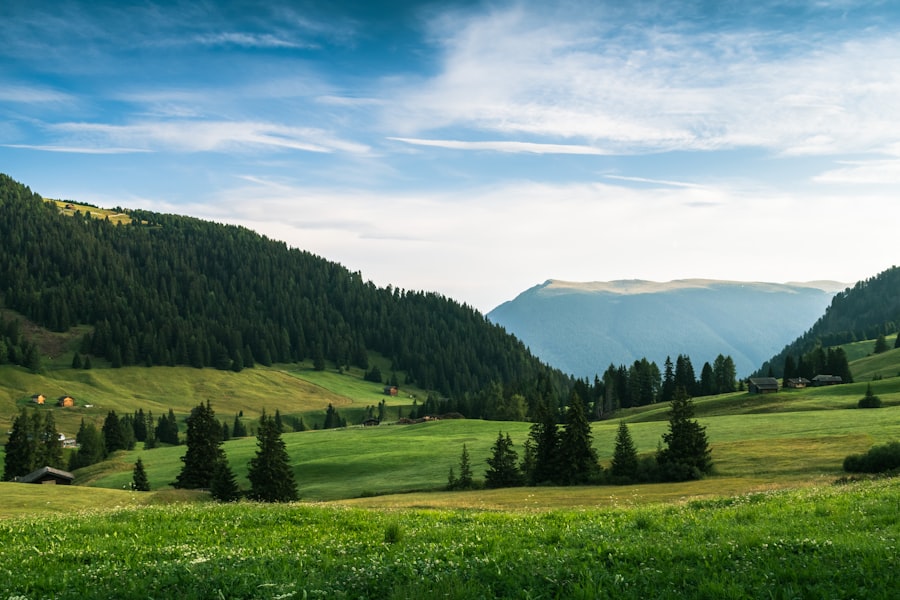
Dargan Shelter is nestled within the Blue Mountains, a region known for its dramatic landscapes. Its elevation of approximately 1,073 metres means that the inhabitants would have experienced significantly different conditions compared to coastal or plains dwellers. The reports describe the Ice Age environment at this altitude as treeless and seasonally frozen. Imagine a stark, open landscape, likely windswept and cold, with the added challenge of ice and frost for much of the year. Surviving in such conditions required specific knowledge and adaptations.
Layers of Time: Sediment and Occupation Evidence
The archaeological significance of a site like Dargan Shelter lies not just in what is found on the surface, but also in the layers of sediment that build up over time. These layers act like pages in a history book, with older evidence typically found deeper. The research has identified hearth features, which are direct indicators of human presence and activity, providing warmth and a focal point for domestic life. The careful excavation and analysis of these layers allow scientists to reconstruct the timeline of occupation and understand how the site was used at different periods.
In exploring the fascinating aspects of ancient human life, one intriguing topic is the sleeping arrangements of children in ice age shelters. These early structures, often made from mammoth bones and hides, provided not only warmth but also a sense of security for families. A related article delves into the broader context of prehistoric living conditions and the clues they offer about early civilization. You can read more about this captivating subject in the article on unearthed pre-flood civilizations, which sheds light on how such shelters were essential for survival during harsh climates.
Future Research and Unanswered Questions
| Metric | Value | Unit | Notes |
|---|---|---|---|
| Temperature inside shelter | 2 | °C | Average temperature maintained inside ice age shelter |
| Sleeping area size | 1.5 x 2 | meters | Approximate dimensions of boy’s sleeping space |
| Insulation thickness | 30 | cm | Thickness of insulating materials like animal skins or moss |
| Sleeping surface height | 0.5 | meters | Height of raised sleeping platform from ground |
| Average sleeping duration | 8 | hours | Estimated sleep time per night for a boy |
| Ventilation openings | 1 | count | Number of small ventilation holes to prevent suffocation |
| Heat source proximity | 1 | meter | Distance from sleeping place to fire pit or heat source |
While this discovery is groundbreaking, it also opens up many new avenues for research. The story of Dargan Shelter is far from complete, and future investigations will undoubtedly shed more light on the lives of its ancient inhabitants. The initial reports highlight the broad significance of the site, but there are always more specific questions to explore.
What About Individual Lives?
The current reporting focuses on the broader occupation of the shelter and the types of tools used. While it’s exciting to know that people lived here for 20,000 years, the idea of specific living spaces, like a “boy’s sleeping place” as sometimes inferred, is harder to pinpoint with the current public information. Identifying individual sleeping areas within such ancient, often reused, shelters is incredibly challenging. It requires very specific evidence, such as preserved bedding materials, unique arrangements of artefacts, or subtle changes in the sediment that indicate repeated resting spots. Without more detailed excavation reports focusing on micro-stratigraphy and specific spatial analysis, confirming such individual details remains speculative. The research has provided compelling evidence of occupation and adaptation, which is the primary focus.
Broader Implications for Human Migration and Adaptation
The implications of Dargan Shelter extend far beyond this single site. It prompts us to reconsider the adaptability of early humans and their capacity to explore and inhabit a wide range of environments. Future research will likely involve comparing Dargan Shelter with other newly discovered or re-examined sites to build a more comprehensive picture of human movement and settlement patterns across Ice Age Australia. Understanding how these people managed resources, interacted with their environment, and perhaps even developed unique cultural practices in these challenging high-altitude settings is the next frontier.

Life 20,000 Years Ago | When Your Ice Age Family Can’t Feed the Dog
FAQs
What materials were commonly used to create sleeping places in Ice Age shelters?
During the Ice Age, shelters were often constructed using materials such as animal hides, bones, and wood. These materials provided insulation and protection from the harsh weather conditions. The sleeping areas were typically lined with grass, moss, or fur to provide additional warmth and comfort.
How did children, like boys, sleep in Ice Age shelters?
Boys and other children would often sleep close to their families for warmth and safety. They might have shared sleeping areas with siblings or parents, using animal skins or furs as bedding. The communal sleeping arrangement helped to conserve body heat during the cold nights.
What were the typical temperatures like in Ice Age shelters?
Ice Age shelters were often located in regions that experienced extremely cold temperatures, sometimes dropping below freezing. The interior of these shelters could be warmer than the outside due to the insulation provided by the materials used, but it still required careful management of heat to ensure comfort for sleeping inhabitants.
Did boys have specific roles or responsibilities related to their sleeping arrangements?
Yes, boys in Ice Age communities often had specific roles that included gathering materials for bedding or helping to maintain the shelter. They might assist in collecting firewood or ensuring that the sleeping area was clean and well-prepared for the night, which was essential for maintaining warmth and hygiene.
How did the sleeping arrangements in Ice Age shelters affect social dynamics?
The sleeping arrangements in Ice Age shelters fostered close family bonds and social cohesion. Sharing sleeping spaces encouraged communication and cooperation among family members. It also allowed for the transmission of cultural knowledge and traditions, as stories and skills were often shared during the nighttime hours.