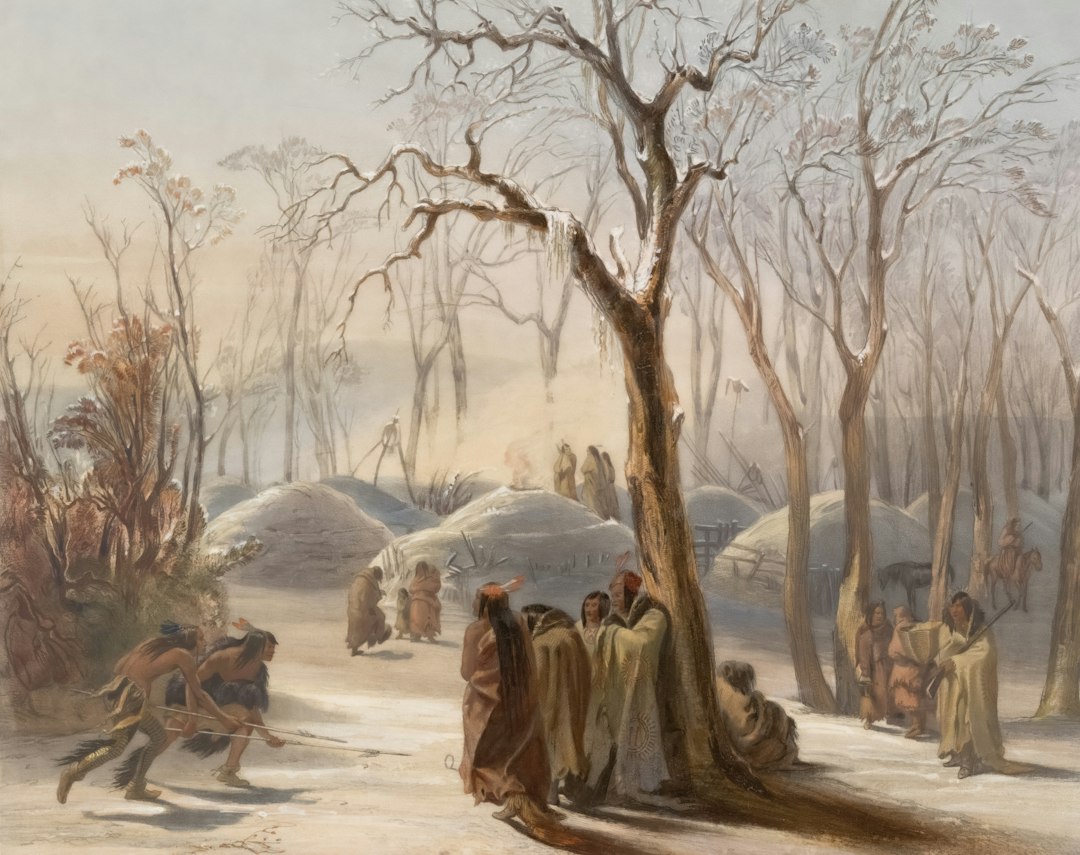
It’s less about modern-day “ancient families uniting” and more about the deep-rooted, historical ways communities prepared for and survived winter together. These traditions were about survival, community, and making the best of lean times.
The Foundation: Stored Riches for Lean Months
The heart of any winter food reserve tradition lay in meticulous preparation during the warmer months. Think of it as a long-term investment in survival. Harvests weren’t just for immediate consumption; they were the building blocks of winter sustenance. Grains like wheat, barley, and oats were crucial, often stored in cool, dry places to prevent spoilage. These would form the basis of breads, porridges, and stews throughout the cold season.
Beyond grains, preserving animal protein was paramount. In many regions, late autumn was the designated time for slaughtering livestock. This wasn’t just about having meat; it was about maximizing its longevity. Methods like salting, smoking, and drying were employed to transform fresh meat into stable rations that could last for months. Imagine the smell of smoke from a village hearth, a constant reminder of the efforts being made to secure the future. Dried meats, often lean cuts, could be rehydrated or added to soups and stews, providing vital protein when fresh sources were scarce.
Preserved fruits and vegetables also played a significant role. Root vegetables, being naturally hardy, could be stored in cellars. Other produce might be pickled, fermented, or dried to extend their usability. These preserved items offered not just flavor but also essential vitamins and minerals, crucial for maintaining health during the dark, often damp, winter months.
In exploring the historical practices of ancient families sharing winter food reserves, it is fascinating to consider how communal support systems have evolved over time. These traditions highlight the importance of cooperation and resource management in ensuring survival during harsh seasons. For a contemporary perspective on resource allocation and community resilience, you might find the article on the Defense Production Act and property seizure in national emergencies insightful. It discusses how modern policies can impact food security and community support, drawing parallels to ancient practices. You can read more about it here: Defense Production Act and Property Seizure in National Emergency.
The Gathering: More Than Just a Meal
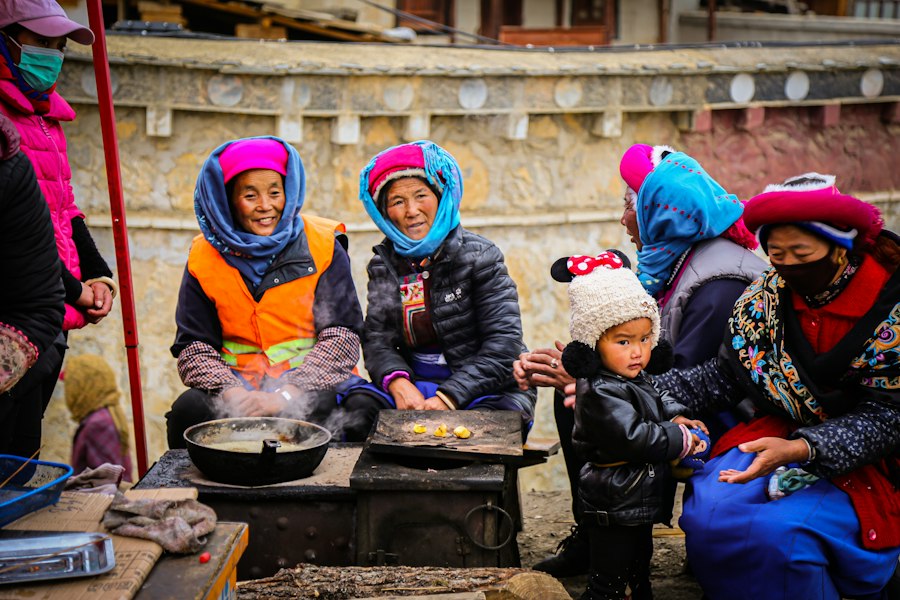
Winter wasn’t solely about solitary survival; it was also a potent time for communal gathering. As the outside world grew harsh and daylight hours dwindled, people naturally gravitated towards the warmth and company of others. Shared winter feasts were common, often serving as a culmination of the year’s hard work and a way to celebrate the successful storage of food. These weren’t necessarily grand, planned events in the modern sense, but rather spontaneous or planned get-togethers that reinforced social bonds.
These gatherings were about more than just filling bellies. They were vital cultural hubs. Storytelling was a central part of these occasions. Elders would recount tales of the past, sharing wisdom, history, and cultural narratives. This oral tradition was incredibly important for passing down knowledge and maintaining a sense of identity and continuity. Songs and music would also fill the air, providing entertainment and lifting spirits during a time that could otherwise feel isolating. Games and other forms of shared recreation helped to foster a sense of camaraderie and mutual reliance.
The act of sharing food itself held immense social and symbolic weight. It demonstrated abundance, even when resources were carefully rationed. It was a visible sign of a community’s ability to provide for its members. In times of hardship, which winter often brought, these communal meals served as a tangible reminder that no one was entirely alone in facing the challenges.
Ritual and Reverence: Marking the Solstice and Beyond
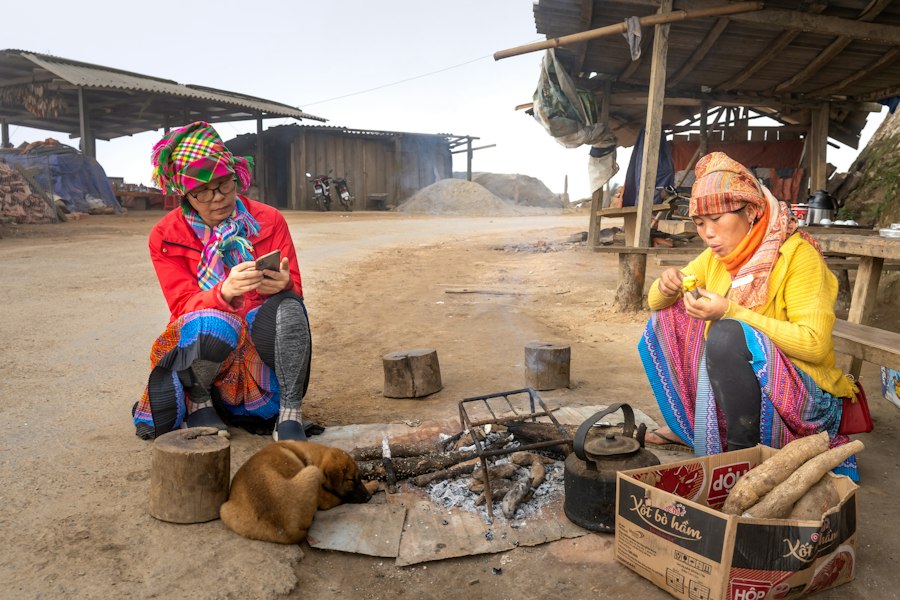
Many winter food-sharing traditions were deeply interwoven with ancient rituals and festivals, particularly those marking the winter solstice. This astronomical event, the shortest day and longest night of the year, held profound significance for many cultures. It symbolized the apparent death and rebirth of the sun, a powerful metaphor for the cyclical nature of life and the promise of returning light and warmth.
Take Samhain, the ancient Celtic festival that roughly corresponds to modern Halloween. It was seen as a liminal time, a period when the veil between the living world and the spirit world was thin. Feasts were held, often with offerings made to ancestors and spirits. The sharing of food at Samhain was a way to honor the deceased and to ensure good fortune for the coming year.
Yule, celebrated by Germanic peoples, also centered around the winter solstice. It was a time of feasting, gift-giving, and honoring the gods. The lighting of the Yule log and the feasting that accompanied it were symbolic acts of welcoming back the sun and celebrating the abundance of the harvest, even in its stored form.
The Dongzhi Festival, observed in East Asian cultures, is another example. It literally means “extreme of winter.” This festival traditionally involves gathering with family, eating special foods like dumplings or tangyuan (sweet rice balls), and celebrating the turning point of the year. The act of eating these specific foods during Dongzhi is a way to welcome the new cycle and to ward off the cold.
Across various cultures, these festivals provided a framework for communal activity and food sharing. They offered a structured way to acknowledge the turning of the seasons, to express gratitude for provisions, and to reinforce social and spiritual connections. The food consumed during these times often had symbolic meaning, further enriching the communal experience.
The Fabric of Survival: Communal Reliance
The overarching theme that emerges from these historical practices is the absolute necessity of communal survival. While individual families certainly maintained their own stores, the real strength lay in the interconnectedness of the community. Winter was a shared challenge, and facing it together was far more effective than attempting to go it alone.
Neighbors would undoubtedly rely on each other. If one family’s stores ran critically low, or if unexpected hardship struck (like illness or a lost animal), others would step in. This mutual support wasn’t necessarily formalized with written agreements, but was an implicit understanding within the social fabric. It was an act of pragmatism – ensuring the survival of one meant contributing to the overall resilience of the group.
Relatives, too, played a crucial role. Extended family networks often provided a primary layer of support. Sharing resources within a kinship group could mean the difference between survival and starvation. This might involve pooling stored goods, sharing labor for tasks like ice fishing or foraging for winter greens, or simply offering a place at the hearth for a struggling family member.
This emphasis on sharing limited supplies highlights a stark contrast to modern notions of individual stockpiling. In these historical contexts, hoarding might have been seen as detrimental to the community’s overall well-being. A truly secure winter was one where the entire group weathered the storm. This collective approach fostered a strong sense of solidarity and interdependence, vital for navigating the unforgiving nature of winter.
In ancient times, families often came together to share their winter food reserves, ensuring that everyone had enough to survive the harsh months ahead. This communal approach not only strengthened bonds within the community but also fostered a sense of solidarity during difficult times. For a deeper understanding of how modern communities can learn from these ancient practices, you might find this article on investment opportunities in Monterrey insightful, as it explores the importance of collaboration in building resilient economies. You can read more about it here.
The Echoes Today: Lingering Traditions and Modern Interpretations
| Ancient Family | Region | Type of Food Reserves | Average Quantity Stored (kg) | Sharing Frequency | Purpose of Sharing |
|---|---|---|---|---|---|
| Clan A | Northern Europe | Grains, Dried Meat | 150 | Monthly | Community Survival |
| Tribe B | Central Asia | Roots, Nuts, Dried Fruits | 120 | Biweekly | Mutual Support |
| Family C | Andes Mountains | Potatoes, Quinoa | 200 | Weekly | Preservation of Resources |
| Clan D | Arctic Circle | Fish, Seal Meat | 180 | Monthly | Ensuring Food Security |
| Tribe E | Sub-Saharan Africa | Grains, Tubers | 130 | Monthly | Community Bonding |
While the direct, literal practice of ancient families uniting to share specific winter food reserves might be less visible in its original form, the spirit of these traditions certainly lingers. We see echoes in modern holiday gatherings, potlucks, and community food drives. These events, while different in their context, still tap into the fundamental human need for connection and shared experience around food.
The emphasis on preparing for lean times has also evolved. Today, it might manifest as emergency preparedness kits or community resilience planning, rather than vast cellars of grain and dried meat. Yet, the underlying principle of foresight and ensuring sustenance remains.
Many cultural festivals that originated from winter solstice observances, like Christmas markets or specific regional celebrations, continue to involve communal eating and sharing. While the religious or spiritual underpinnings may have shifted for some, the social aspect of coming together around food during the winter months remains powerful.
Ultimately, the historical “ancient families uniting” wasn’t just about food; it was about building and sustaining a community capable of enduring hardship. It was about rituals that marked time and offered hope, and about the profound understanding that collective survival was the most effective strategy against the harsh realities of winter. These are lessons that, in various forms, continue to shape how we approach community and provision even today.

Life 20,000 Years Ago | When Your Ice Age Family Can’t Feed the Dog
FAQs
What were the primary reasons ancient families shared winter food reserves?
Ancient families shared winter food reserves primarily to ensure survival during harsh winter months when food sources were scarce. Sharing helped to strengthen community bonds, reduce the risk of starvation, and provide a safety net for families that may have had poor harvests or hunting seasons.
How did ancient families store food for winter?
Ancient families used various methods to store food for winter, including drying, smoking, fermenting, and root cellaring. These techniques helped preserve food by reducing moisture and preventing spoilage, allowing families to maintain a supply of essential nutrients throughout the winter months.
What types of food were commonly shared among ancient families during winter?
Commonly shared foods included grains, legumes, dried fruits, nuts, preserved meats, and root vegetables. These foods were often nutrient-dense and could be stored for long periods, making them ideal for sharing during the winter when fresh produce was limited.
How did sharing food reserves impact social structures in ancient communities?
Sharing food reserves fostered cooperation and interdependence among families, which helped to create strong social networks. This practice often led to the establishment of social hierarchies based on resource management and sharing capabilities, influencing community dynamics and relationships.
What role did rituals or traditions play in the sharing of winter food reserves?
Rituals and traditions often accompanied the sharing of winter food reserves, serving to reinforce community ties and cultural identity. These practices could include communal feasts, storytelling, and ceremonies that celebrated the harvest and the act of sharing, thereby promoting unity and gratitude within the community.