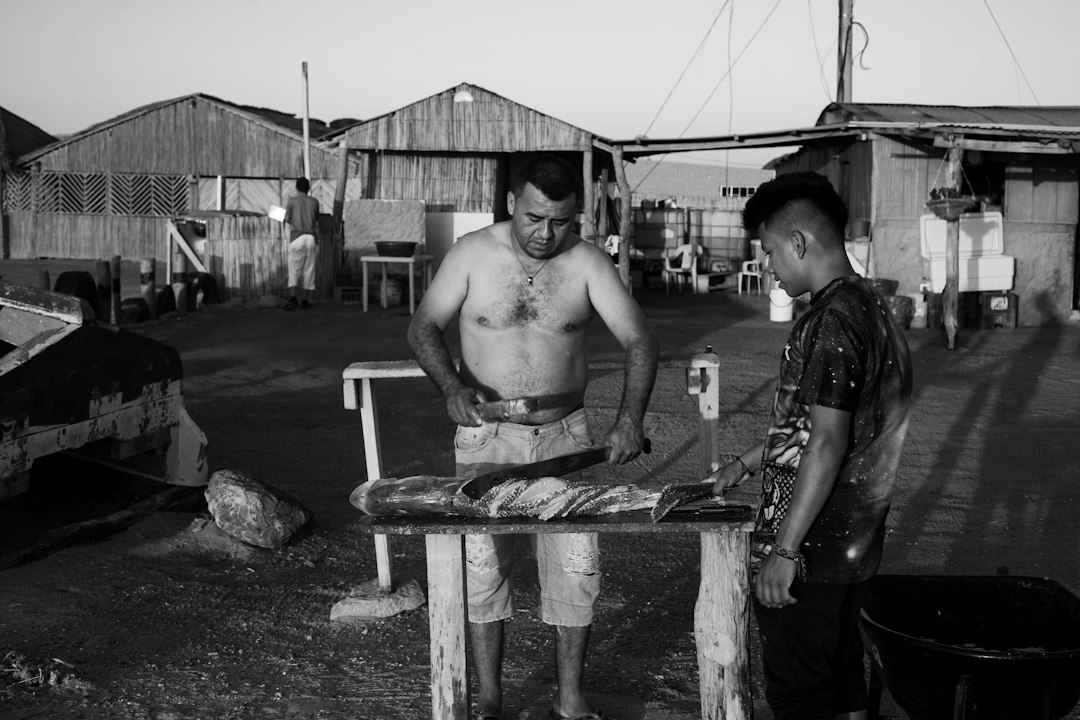
Figuring out how our Ice Age ancestors butchered and carried meat is key to understanding their survival. It wasn’t just about bringing down a big animal; it was a whole process of carefully breaking down a carcass, transporting it, and making sure it didn’t go to waste. This involved a surprising amount of skill and specialized tools.
The Art of the Stone Knife: Ice Age Butchery Tools
When we talk about Ice Age butchery, the first thing that comes to mind is the tools. Forget fancy stainless steel; these were masterfully crafted stone implements. Think of it as precision engineering, Stone Age style.
Shaping Stone for Sharpness
Archaeological findings, like those from a 2026 report, show that Ice Age toolmakers were far from haphazard. They didn’t just bash rocks together and hope for the best. Instead, they employed a sophisticated understanding of how to manage stone cores. By carefully striking these cores, they could produce incredibly sharp flakes. This deliberate process ensured they had reliable, sharp edges perfect for cutting through flesh and hide. It’s a testament to their ingenuity that these stone tools could be so effective.
Specialized Tools for Specific Tasks
The idea that Ice Age hunters used a variety of tools for different jobs is gaining more traction. A 2026 feature on Ice Age hunting highlights how they had specialized tools for butchering and breaking down carcasses efficiently. This wasn’t a one-size-fits-all situation. Different stone points and blades were likely used for tasks like skinning, gutting, and separating muscle groups. This efficiency was crucial because a large kill represented a huge amount of food, and getting it processed quickly would have been paramount to survival.
Clovis Points and Carcass Breakdown
Experimental archaeology, like that involving Clovis-style tools, provides concrete examples of this specialization. Researchers in recent studies have taken on the challenge of butchering a 1,000-pound bison carcass using replicas of ancient tools. They found that these tools were remarkably effective. Not only could they gut and skin the animal, but evidence suggests that even hafted points – points attached to a spear or handle – could be used to sever joints in the rib cage. This means they could dismantle the carcass into manageable sections with surprising ease.
Stone vs. Steel: The Efficiency of Ancient Tools
It might seem counterintuitive, but some Ice Age stone tools were so well-made they could rival modern steel knives. A report from the University of Michigan points out that stone tools were often effective enough for skinning that they sometimes worked better than steel knives. This speaks to the incredible sharpness and durability that ancient knappers could achieve through careful flaking and material selection. It’s a reminder that innovation isn’t always about new materials, but about mastering the materials you have.
In exploring the intricate practices of butchering and carrying meat during the Ice Age, one can gain insights into the survival strategies of early humans. The methods they employed not only reflect their understanding of animal anatomy but also their resourcefulness in transporting meat across challenging terrains. For a broader perspective on how modern practices, such as nearshoring, can optimize efficiency and resource management, you might find the article on maximizing benefits for US companies particularly interesting. You can read it here: Maximizing Benefits of Nearshoring for US Companies.
Bringing Home the Bacon: Transporting Meat in the Ice Age
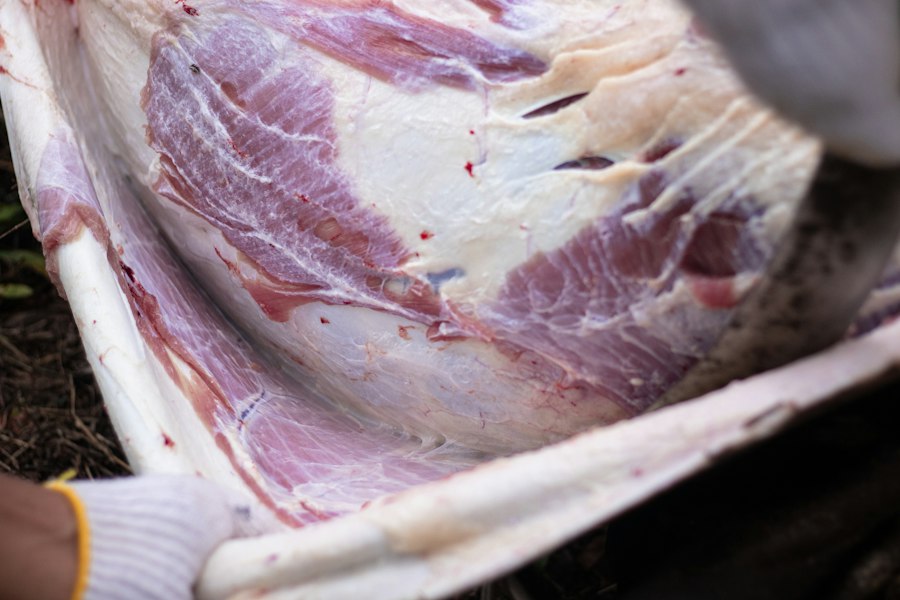
Once the animal was butchered, the next challenge was getting the valuable meat back to camp. This wasn’t about casually tossing a few steaks into a backpack. It involved strategy and understanding what parts were most worth the effort.
Prioritizing the Prize Cuts
Older research summaries, still very relevant today, describe a clear practice: carrying the most valuable meat back to camp first after skinning and butchering. This highlights a selective approach to butchery. Hunters weren’t necessarily bringing back every single bit of the animal. They would identify the prime cuts – the muscle groups with the most meat – and prioritize their transport. This made the effort of hauling worthwhile, ensuring the energy expended was matched by the caloric reward.
The Role of Hides in Transport
While meat was the primary concern for immediate sustenance, the hide was also incredibly valuable. Research indicates that hides were stripped for transport and later use. These hides weren’t just for clothing; they could be used for shelter, containers, and even as a form of currency or trade. So, while the meat fed the immediate needs of the group, the hide represented future resources and essential components for survival in a harsh climate.
Breaking Down for Easier Hauling
The process of dismantling carcasses wasn’t just about getting the best cuts. It was also about making the meat and hides manageable for transport over potentially long distances, sometimes across challenging terrain. The ability to separate joints, as demonstrated by experimental work with Clovis tools, meant that large animals could be broken down into sections that were easier to carry, either individually or by a group.
Keeping it Fresh: Ice Age Meat Preservation

The challenge didn’t end with butchering and transport. Keeping a kill from spoiling was as critical as the hunt itself. Ice Age people had to be inventive to extend the life of their precious meat.
Natural Refrigeration: The Power of Cold
The obvious method of preservation in the Ice Age was, of course, the cold. Living in frigid environments provided a natural advantage. Carcasses could be stored in the open during winter months, effectively acting as a giant freezer. This simple yet effective method allowed groups to have a consistent supply of meat for extended periods, significantly reducing the pressure of daily hunting.
Underwater Storage: A Surprisingly Effective Method
A more fascinating preservation technique comes from a University of Michigan report: underwater storage. Early North American hunters preserved meat by submerging it in water. This method likely worked by limiting oxygen availability, which slows down the growth of spoilage bacteria. Rivers, lakes, and ponds would have provided readily accessible and naturally cool environments for this purpose. It’s a clever adaptation that demonstrates a deep understanding of natural processes.
Pit and Bog Storage: Harnessing the Earth
Beyond water, other natural features were utilized for preservation. Studies mention the use of pits and bogs for storage. Digging pits would provide a cooler, more stable environment than the surface, especially during warmer periods. Bogs, with their acidic and anaerobic conditions, could also inhibit bacterial growth, creating an environment similar to modern pickling. These methods, along with the natural cold, helped to stretch valuable food resources.
Social Dynamics and Meat Processing: More Than Just Food
The processing of meat in the Ice Age was not solely an individual or small-group activity. It was deeply intertwined with the social structure and daily life of these ancient communities.
Communal Efforts and Knowledge Sharing
The successful butchering and transport of a large animal would have required a coordinated effort. This likely involved multiple individuals, pooling their skills and strength. Such communal activities would have fostered social bonds and facilitated the transfer of knowledge. Younger hunters would have learned by observing and participating in these complex processes, ensuring the continuation of these vital survival skills across generations.
Evidence in the Archaeological Record
Clovis-associated sites, as noted in a 2025 anthropology update, provide compelling evidence for meat processing being central to Ice Age lifeways. These sites often contain butchered mammoth and bison remains alongside hearths and stone tools. The presence of hearths indicates that meat was not just transported but also cooked and consumed at these locations. This suggests that butchering and processing were not confined to the kill site but were integrated into the activities at the main living areas.
Dietary Insights and Resource Management
The selective butchery observed, where hunters removed only high-value cuts, also provides insights into their dietary strategies and resource management. It indicates a pragmatic approach to maximizing nutrition from each kill. This selective process would have influenced how groups planned their movements and where they chose to camp, often near water sources or areas where large game was likely to be found. The ability to preserve meat through various methods further underscores their sophisticated resource management.
The practices of butchering and carrying meat during the Ice Age reveal fascinating insights into the survival strategies of early humans. These ancient techniques not only provided essential nutrition but also played a crucial role in the development of social structures and community cooperation. For a deeper understanding of how these early innovations shaped human civilization, you can explore a related article that discusses the advancements of lost civilizations and their impact on our modern world. Check it out here.
The Legacy of Ice Age Survival Skills
| Metric | Estimated Value | Unit | Notes |
|---|---|---|---|
| Average weight of hunted animal | 500 | kg | Large Ice Age mammals like mammoths or bison |
| Typical butchering time | 3-6 | hours | Depends on group size and tools available |
| Carrying distance to camp | 5-10 | km | Varied by terrain and group mobility |
| Average meat yield per animal | 60-70 | % of body weight | Includes muscle and organ meat |
| Ice preservation duration | Several days to weeks | days/weeks | Cold climate allowed natural refrigeration |
| Number of people involved in butchering | 4-10 | persons | Cooperative effort for efficiency |
| Tools used | Stone knives, scrapers, bone tools | N/A | Typical Ice Age butchering implements |
The skills our Ice Age ancestors developed for butchering and carrying meat were fundamental to their success. They weren’t just brute force hunters; they were intelligent, resourceful individuals who understood their environment and how to utilize its bounty to its fullest.
A Testament to Human Ingenuity
The deliberate creation of sharp stone tools, the specialized use of different implements, the strategies for transporting heavy carcasses, and the various methods of preservation all speak volumes about human ingenuity. These weren’t accidental discoveries; they were the result of generations of observation, experimentation, and adaptation. These skills allowed them to thrive in challenging environments and lay the groundwork for future human development.
Connecting to Our Ancestral Past
Understanding these ancient survival skills offers a tangible connection to our ancestral past. It reminds us that the challenges faced by early humans were significant, and their solutions were often elegant and effective. The practices of butchering and meat transport, though seemingly basic, were complex systems that ensured the survival and propagation of our species. They are a crucial part of the human story.

Life 20,000 Years Ago | When Your Ice Age Family Can’t Feed the Dog
FAQs
What techniques did Ice Age humans use for butchering meat?
Ice Age humans employed various techniques for butchering meat, including the use of sharp stone tools such as flint knives and scrapers. They would typically start by skinning the animal, followed by dismembering it into manageable pieces. The bones were often broken to access the marrow, and the meat was cut into strips or chunks for easier transport and preservation.
How did Ice Age humans transport meat after butchering?
After butchering, Ice Age humans transported meat using several methods. They often carried smaller cuts of meat in animal hides or woven baskets. For larger quantities, they might have used sledges made from wood or bone, or they could have dragged the meat on the ground, especially in snowy conditions. The use of pack animals, such as dogs, may have also facilitated the transport of heavier loads.
What preservation methods were used for meat during the Ice Age?
To preserve meat during the Ice Age, humans utilized several methods, including drying, smoking, and freezing. Drying involved hanging meat in the sun or near a fire to remove moisture, while smoking added flavor and further inhibited bacterial growth. In colder climates, freezing was a natural preservation method, as temperatures would often drop below freezing, allowing meat to be stored for extended periods.
What types of animals were commonly hunted for meat during the Ice Age?
During the Ice Age, humans hunted a variety of large and small animals for meat. Commonly hunted species included mammoths, woolly rhinoceroses, reindeer, and bison. Smaller game such as rabbits, birds, and fish were also part of their diet. The choice of animals depended on the region and the availability of species in their environment.
How did the butchering and carrying of meat impact Ice Age human societies?
The butchering and carrying of meat were crucial for the survival and development of Ice Age human societies. Access to meat provided essential nutrients, supporting population growth and social structures. The ability to transport and store meat allowed for greater mobility, enabling groups to follow migratory patterns of animals and adapt to changing climates. This practice also fostered communal activities and skills sharing, strengthening social bonds within groups.