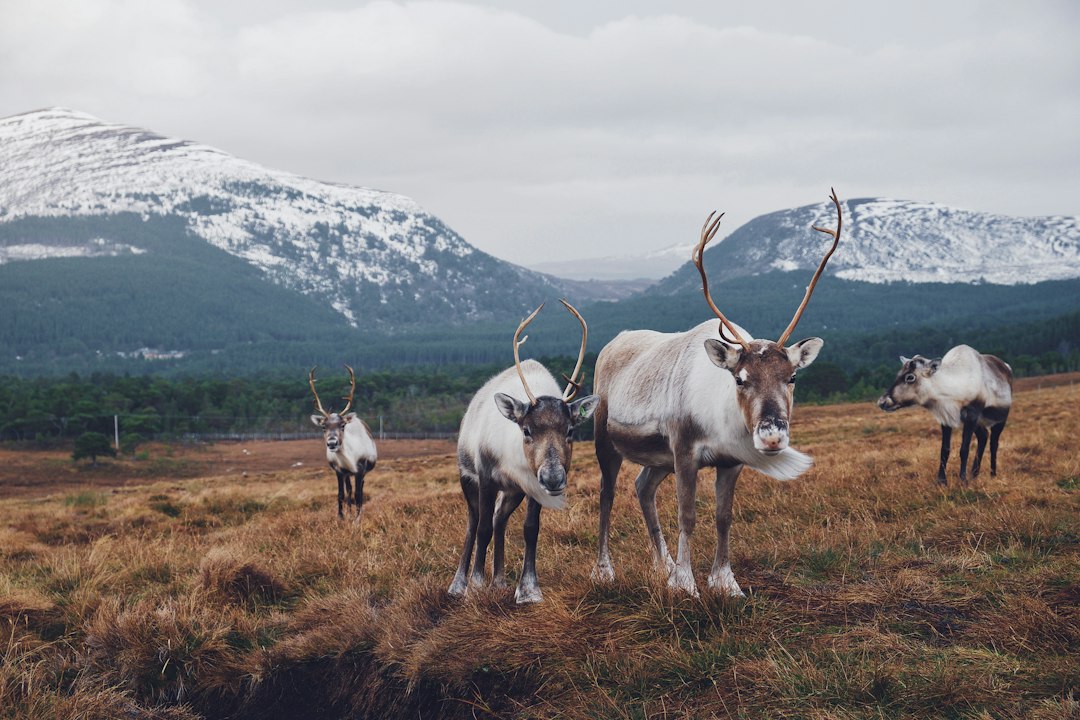
Figuring out where reindeer are in a snowy wilderness is a combination of old-school skills and some seriously clever modern tech. While GPS collars have become the go-to for herders to keep tabs on their herds, especially for movement and overall well-being, the age-old methods of tracking by foot still hold their ground, particularly in areas where technology might not reach. It’s all about understanding the animal, the environment, and the best tools for the job at hand, whether that’s managing a herd or finding game.
Reading the Snow: Traditional Tracking Skills
Even with all the fancy gadgets, knowing how to read the snow and understand animal behavior is still fundamental for anyone venturing into reindeer territory, especially for hunting. These skills are honed over time and are essential when technology fails or isn’t available.
Footprints and Signage
The most obvious sign is the track itself. In snow, reindeer tracks are usually easy to spot. Look for the distinct cloven hoof print. The size and depth can tell you a lot. A deep track suggests a heavier animal or one moving with purpose. A scattered track might mean the animal was running or spooked.
Freshness of Tracks
Determining how fresh a track is crucial. Fresh tracks will have sharp edges, and snow within the track might still be powdery or uncompressed. As a track ages, the edges will soften, and wind can blow snow back into it. In very cold conditions, the snow might even freeze in the track. If it’s been snowing, look for tracks that appear on top of the fresh snow, or look for where the wind has sculpted the edges.
Gait and Direction
Observe the pattern of the tracks. A steady walk will show a consistent stride. If you see a zig-zagging pattern or a lot of disturbed snow, the reindeer might be spooked or running. A series of deep, bounding leaps can indicate a predator pursuit. The direction the tracks are heading can give you an idea of where the animal might be going – towards feeding grounds, water sources, or shelter.
Understanding Reindeer Behavior
Beyond just the tracks, understanding typical reindeer behavior in a snowy environment is key. Where do they typically bed down? Where do they look for food?
Feeding Patterns
Reindeer are herbivores and rely on lichen, mosses, and grasses. In winter, they’ll often dig through the snow to find these food sources. Look for areas with disturbed snow, often in shallow depressions or on south-facing slopes where the snow might be thinner. The presence of many such dug-up areas can indicate recent activity.
Bedding Areas
Reindeer will seek shelter from the wind and predators. Look for areas where the snow is flattened or scuffed. They often prefer slightly elevated areas or the lee side of hills, trees, or rocks. The presence of droppings can also indicate a recent bedding site.
Social Dynamics
Reindeer are often found in herds, though the size can vary depending on the season and location. If you find a single set of tracks, it doesn’t necessarily mean there’s only one animal. They might be spread out feeding. However, a tight cluster of tracks suggests a group moving together.
Reindeer tracking and hunting in the snow is a fascinating subject that intertwines traditional practices with modern technology. For those interested in exploring the cultural significance and unique sounds associated with wildlife, a related article can be found at The Mystical Sound of Chavín de Huantar, which delves into the connections between ancient civilizations and their interactions with nature. This piece highlights how sound and environment play crucial roles in understanding wildlife behaviors, including those of reindeer in their snowy habitats.
Modern Marvels: GPS and Smart Tracking Technologies
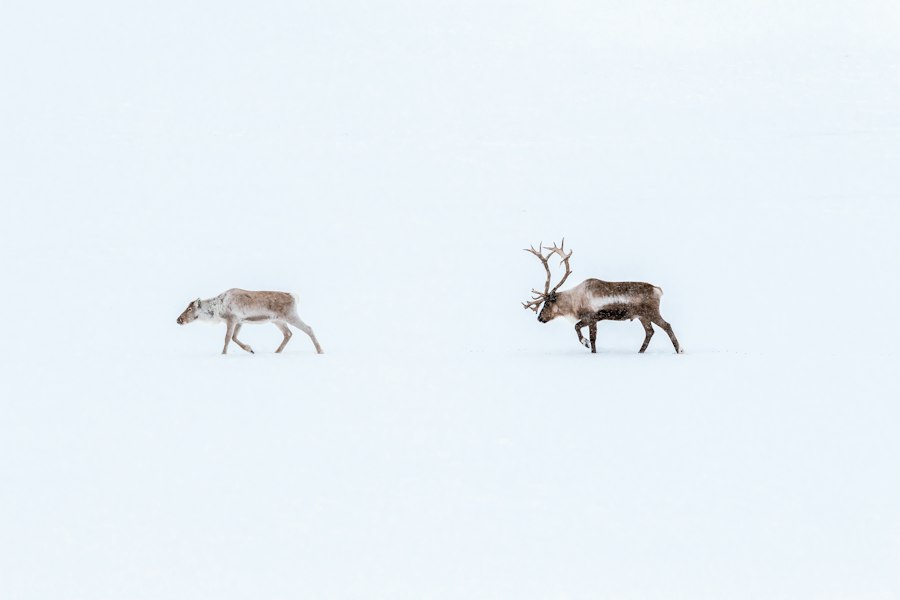
The integration of technology has revolutionized how reindeer are managed and, by extension, how they can be located. GPS collars, once a research tool, are now a standard for many herding operations.
GPS Collars: The Herder’s Eyes
These collars are essentially miniature tracking devices that transmit location data. They can be fitted to individual animals, providing a constant stream of information about their whereabouts.
Satellite and GSM Connectivity
Most modern GPS collars utilize satellite signals to determine location and then transmit this data via cellular networks (GSM) or satellite communication. This allows herders to receive real-time location data even in remote areas, provided there’s some level of cellular coverage or a satellite uplink.
Movement Visualization
The data isn’t just a string of coordinates. Sophisticated software translates this into visualizations on maps. Herders can see the movement patterns of their animals, identify areas they are frequenting, and even detect unusual behavior that might indicate injury or predator presence. This movement data is invaluable for understanding herd dynamics and optimizing grazing.
Real-time Smart Tracking Systems
Finland, in particular, has been at the forefront of developing integrated smart tracking systems. These go beyond simple GPS.
Mobile Apps and Mapping Platforms
These systems often combine GPS collar data with mobile applications and advanced mapping platforms. This means herders can access all the information on their smartphones or tablets, making it easier to monitor their herds while out in the field. Maps can display herd locations, individual animal movements, and even terrain information.
Networked Sensors and Welfare Monitoring
The goal isn’t just knowing where the reindeer are, but also understanding their well-being. Networked sensors can monitor environmental conditions, and some systems are being designed to detect distress signals. This holistic approach is key to modern herding.
Low-Power Networks for Vast Areas
The sheer size of Arctic territories presents a challenge for transmitting data. Newer systems are tackling this by using low-power, wide-area networks (LPWAN).
LoRaWAN and Base Stations
Technologies like LoRaWAN are designed for long-range communication with minimal power consumption. This means collars can transmit data over vast distances to strategically placed base stations. These base stations then relay the information to a central server. This is crucial for maintaining connectivity in areas where traditional cell towers are non-existent.
Extended Battery Life
The low power requirements of LPWAN technology significantly extend the battery life of the tracking devices. This is a major advantage in harsh environments where frequent battery replacements would be impractical and costly.
Advanced Arctic Tracking Solutions
Researchers and developers are continually innovating to overcome the unique challenges of tracking in the Arctic.
Drone Relays and Pocket Nodes
To improve data transmission in remote and rugged terrain, drone relays are being explored. These drones can act as mobile base stations, collecting data from collars and relaying it back to a main hub. Pocket nodes, small portable devices, can also serve a similar function, extending the network coverage.
Multiple Base Stations
Deploying a network of multiple base stations in key locations can create a more robust and comprehensive tracking grid. This redundancy ensures that even if one base station is offline, data can still be collected and transmitted through others.
Safety First: Navigating and Surviving the Snowy Wilderness
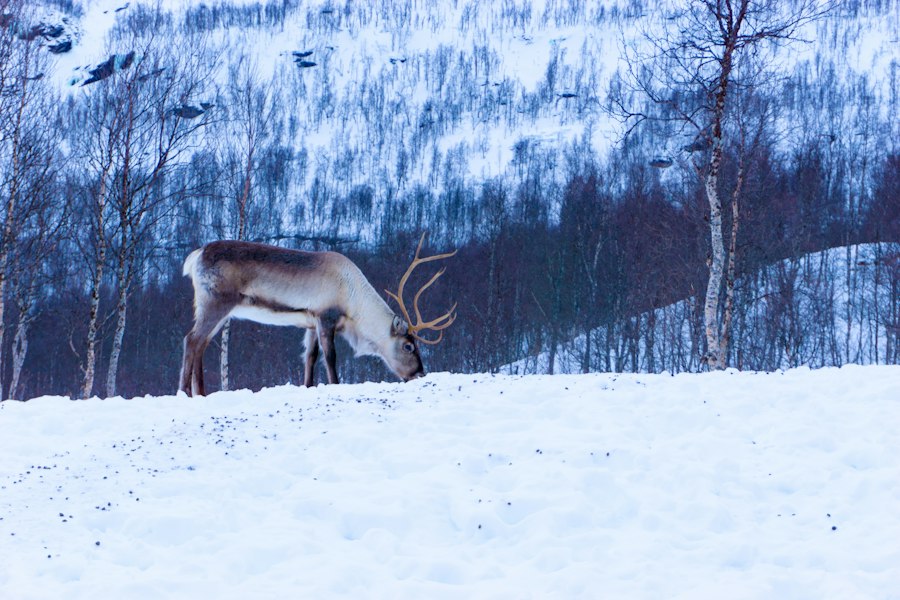
When you’re out tracking or hunting in a snowy wilderness, your safety is paramount. The environment itself is a significant challenge, and being prepared can make all the difference between a successful outing and a dangerous situation.
Ice Safety Tools and Techniques
The presence of ice, whether on frozen lakes, rivers, or even thin layers on the ground, presents a unique hazard.
Measuring Ice Thickness
Knowing how thick ice is before attempting to cross it is critical. While traditional methods involve drilling small holes, newer prototypes are being developed. A submerged ultrasonic buoy can be deployed to measure ice thickness remotely. This provides a more objective and potentially safer way to assess ice conditions, especially in areas where visibility is poor or the ice is unpredictable.
Recognizing Hazardous Ice
Beyond just thickness, understanding visual cues of weak ice is important. Areas with dark patches, open water nearby, or where water is flowing over the ice are all warning signs. Always err on the side of caution.
Weather Preparedness and Navigation
Snowy wilderness conditions can change rapidly. Being prepared for extreme weather and knowing how to navigate is essential.
Layered Clothing and Essential Gear
Effective clothing is a multi-layered system designed to trap heat and wick away moisture. Start with a base layer to manage sweat, add an insulating mid-layer for warmth, and finish with a windproof and waterproof outer layer. Essential gear includes a map and compass (and knowing how to use them), a GPS device, a first-aid kit, emergency shelter, extra food and water, and a reliable way to start a fire.
Navigation in Low Visibility
When snowstorms or fog reduce visibility to near zero, navigation becomes extremely difficult. Relying on natural landmarks is impossible. In these situations, GPS devices and compass readings are vital. If visibility is extremely poor, it might be best to stay put or seek immediate shelter until conditions improve.
Communication and Emergency Procedures
Having a plan for emergencies and the means to communicate can be a lifesaver.
“Death Collars” and Alert Systems
For managed herds, some advanced systems include “death collars” or other alert mechanisms. These are designed to notify herders rapidly if a collared animal is killed by a predator or incapacitated. This allows for a swift response, whether to retrieve the carcass or investigate the predator activity.
Satellite Phones and Personal Locator Beacons (PLBs)
In areas with no cell service, satellite phones or Personal Locator Beacons (PLBs) are crucial for emergency communication. PLBs can send a distress signal with your location to rescue services. Regularly check their batteries and ensure they are registered.
Integrating Technology with Traditional Hunting
The hunter in the snowy wilderness often finds themselves at the intersection of cutting-edge technology and age-old tracking prowess. While technology can offer advantages, the fundamental skills of reading the environment remain indispensable.
Electronic Tracking for Locating Game
GPS technology isn’t just for herders. For hunters, it can be a powerful tool for locating game, especially in vast and challenging terrains.
Pre-Scouting and Hotspots
Before the hunt, GPS devices can be used to mark promising areas identified through scouting or local knowledge – areas known for animal activity, water sources, or preferred feeding grounds. During the hunt, a GPS can record your path, preventing you from getting lost and allowing you to retrace your steps.
Partner Tracking
If hunting with a partner or group, sharing GPS coordinates can help maintain contact and ensure everyone stays within a reasonable proximity. It also aids in coordinating search efforts if someone becomes separated.
Using Drones for Reconnaissance
Drones have emerged as a valuable tool for pre-hunt reconnaissance and even during the hunt itself.
Aerial Views and Terrain Analysis
Drones equipped with high-resolution cameras can provide aerial views of the terrain, revealing potential game trails, water sources, and areas where animals might be bedding down. This can save significant time and energy compared to covering the ground on foot.
Identifying Animal Sign from Above
In some cases, drones can even help spot animal sign from the air, such as large groups of animals or areas of disturbed vegetation that might indicate feeding. However, it’s important to be aware of drone regulations and the potential for spooking game with the noise and presence of the drone.
Traditional Snow-Tracking as a Complement
Despite the technological advancements, traditional snow-tracking remains a core skill for hunters.
Tracking on Foot with Skis or Snowshoes
In many scenarios, especially where electronic tracking is unavailable or unreliable, hunters still rely on tracking on foot, utilizing skis or snowshoes. This allows for stealthy movement and a more intimate understanding of the animal’s movements.
Patience and Observation
The true art of traditional tracking lies in patience and keen observation. It’s about noticing the subtle signs – a disturbed branch, a patch of melted snow, a single dropped pellet – that tell a story of where the animal has been and where it might be going. This skill is often developed through years of experience in the wilderness.
Reindeer tracking and hunting in the snow is a fascinating subject that highlights the intricate relationship between indigenous cultures and their environment. For those interested in exploring the broader implications of resource management and territorial claims, a related article discusses the geopolitical struggles surrounding lunar resources, which can provide insight into how resource allocation affects communities on Earth. You can read more about this topic in the article found here. Understanding these dynamics can deepen our appreciation for the challenges faced by those who rely on traditional practices in a rapidly changing world.
Ethical Considerations and Future Trends
| Metric | Description | Typical Values | Measurement Method |
|---|---|---|---|
| Reindeer Population Density | Number of reindeer per square kilometer in a tracked area | 5 – 30 reindeer/km² | Aerial surveys, GPS collar data |
| Tracking Distance | Average distance covered while tracking reindeer in snow | 10 – 25 km per day | GPS tracking, manual tracking logs |
| Snow Depth | Depth of snow affecting tracking and hunting efficiency | 20 – 80 cm | Snow probes, weather stations |
| Reindeer Movement Speed | Average speed of reindeer movement in snowy terrain | 3 – 8 km/h | GPS collars, motion sensors |
| Hunting Success Rate | Percentage of hunts resulting in a successful catch | 30% – 60% | Hunter reports, field observations |
| Tracking Accuracy | Percentage of correctly identified reindeer tracks | 85% – 95% | Expert validation, camera traps |
| Time to Locate Herd | Average time taken to find a reindeer herd in snowy conditions | 1 – 3 hours | Field tracking logs, GPS data |
As technology advances and our understanding of reindeer and their habitats deepens, ethical considerations and future trends in tracking and hunting become increasingly important.
Minimizing Disturbance and Impact
The goal of any tracking or hunting endeavor in the wilderness should be to minimize disturbance to the environment and the animals.
Respecting Wildlife and Habitat
Modern tracking technologies, while efficient, can also lead to increased human presence and potential disruption. It’s vital to use these tools responsibly, avoiding unnecessary intrusion into sensitive habitats or during critical breeding or calving periods.
Responsible Hunting Practices
Ethical hunting involves understanding the species, adhering to regulations, and taking a clean, humane shot. Technology should aid in this by helping hunters make more informed decisions, not by facilitating reckless pursuit.
The Future of Reindeer Tracking
The field of reindeer tracking is continuously evolving.
AI and Predictive Analytics
The integration of Artificial Intelligence (AI) and predictive analytics holds promise for the future. AI could analyze vast datasets from GPS collars and environmental sensors to predict animal movements, identify potential disease outbreaks, or anticipate resource conflicts.
Citizen Science and Data Sharing
There’s a growing potential for citizen science initiatives, where everyday users can contribute to reindeer tracking efforts through apps and data sharing platforms. This collaborative approach can broaden the scope of research and conservation.
Balancing Technology and Traditional Knowledge
Ultimately, the future likely lies in a synergistic approach, blending the capabilities of advanced technology with the invaluable wisdom and experience of traditional knowledge holders. This combined approach will be most effective in ensuring the sustainable management and conservation of reindeer populations in the vast, snowy wilderness.

Life 20,000 Years Ago | When Your Ice Age Family Can’t Feed the Dog
FAQs
What is reindeer tracking?
Reindeer tracking involves monitoring the movements and behaviors of reindeer in their natural habitats, often using GPS collars or other tracking technologies. This practice helps researchers understand migration patterns, population dynamics, and the impact of environmental changes on reindeer herds.
How is reindeer hunting regulated?
Reindeer hunting is regulated by local and national laws that vary by region. Regulations typically include specific hunting seasons, quotas, and licensing requirements to ensure sustainable populations and minimize ecological impact. Hunters must often adhere to guidelines that promote ethical hunting practices.
What equipment is commonly used for reindeer hunting in the snow?
Common equipment for reindeer hunting in snowy conditions includes specialized firearms or bows, snowshoes or skis for mobility, camouflage clothing to blend into the environment, and tracking devices to locate herds. Additionally, hunters may use sleds to transport harvested animals.
What are the challenges of hunting reindeer in snowy environments?
Hunting reindeer in snowy environments presents several challenges, including harsh weather conditions, deep snow that can hinder movement, and the difficulty of tracking animals in whiteout conditions. Additionally, hunters must be skilled in navigating the terrain and understanding reindeer behavior to increase their chances of a successful hunt.
Why is reindeer hunting important for indigenous communities?
Reindeer hunting is crucial for many indigenous communities as it provides a vital source of food, clothing, and materials for traditional practices. It also plays a significant role in cultural identity and heritage, fostering a connection to the land and ancestral ways of life. Sustainable hunting practices are essential for maintaining these traditions while ensuring the health of reindeer populations.