
So, what’s the big deal about this prehistoric rock shelter find? Essentially, archaeologists have stumbled upon a remarkably well-preserved ancient site that offers a rare peek into how our ancestors, specifically Neanderthals, survived during harsh winter nights. It’s not just a few old rocks; it’s a snapshot of daily life, showing evidence of sophisticated behaviors like woodworking, all protected by a natural rock overhang. This kind of discovery is exciting because it fills in crucial gaps in our understanding of prehistoric survival strategies and Neanderthal capabilities.
Whispers from Under the Overhang: The Discovery
Imagine archaeologists carefully brushing away centuries of sediment. That’s precisely what led to the uncovering of this significant prehistoric shelter. Tucked away beneath a natural rock roof, this site wasn’t just a random cave; it was a chosen spot, offering crucial protection from the elements. The “astonishing find” mentioned in related reports hints at something special, and it’s this natural architecture that likely made it a prime location for a prehistoric dwelling.
A Natural Fortress
The rock roof itself is more than just a geological feature; it’s a key element of the shelter’s significance. This overhang would have provided a dry, relatively warm space, a stark contrast to the exposed landscapes outside during a prehistoric winter. Think of it as nature’s own built-in protection, a natural defense against blizzards, freezing winds, and the general harshness of the Pleistocene epoch. Its presence was fundamental to making the site habitable for prolonged periods.
Uncovering the Past Layer by Layer
The process of discovery would have been meticulous. Archaeologists wouldn’t just see the shelter; they’d be excavating layers of earth, each potentially holding clues. The deeper they dig, the older the artifacts and evidence become. Finding tools, remnants of fires, or even organic materials preserved in the dry conditions beneath the rock would have been pivotal moments, slowly piecing together the story of who used this shelter and when.
The concept of prehistoric winter nights spent beneath rock roofs evokes a sense of survival and adaptation in ancient times. These natural shelters provided protection from the harsh elements, allowing early humans to endure the cold and darkness of winter. For a deeper understanding of how environmental factors influenced ancient societies, you may find the article on the collapse of Bronze Age trade networks insightful. It explores how climatic changes and resource scarcity affected human settlements and their interactions. You can read more about it in this article: The Collapse of Bronze Age Trade Networks.
Neanderthal Ingenuity: More Than Just Tools
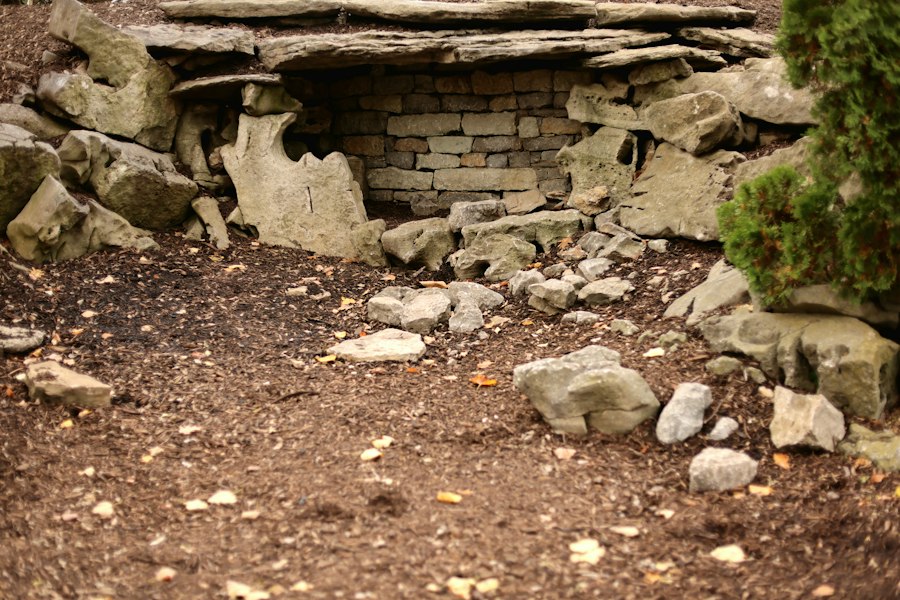
What makes this discovery particularly compelling is the strong suggestion of Neanderthal involvement, coupled with evidence of woodworking. This isn’t just about finding old bones; it’s about understanding their cognitive abilities and practical skills. The presence of worked wood, found in such a well-preserved context, points to a level of sophistication that sometimes gets overlooked when we think of Neanderthals.
The Art of Shaping Wood
Woodworking, even in prehistoric times, requires planning, knowledge of materials, and the right tools. Finding evidence of this at a winter shelter suggests Neanderthals weren’t just passively surviving; they were actively modifying their environment to improve their lives. This could mean shaping branches for structural support, creating tools for hunting or processing food, or even crafting items for warmth or comfort. It speaks volumes about their adaptability.
Tools of the Trade
The tools found alongside the worked wood are crucial. Were they stone tools designed for shaping wood? Were there specialized implements that have long since decomposed? The archaeological context would have provided answers. The relationship between the tools and the worked wood is a direct link to the activities that took place within the shelter, offering a tangible connection to the Neanderthals’ hands-on approach to their world.
A Winter’s Night: Reconstructing Prehistoric Life
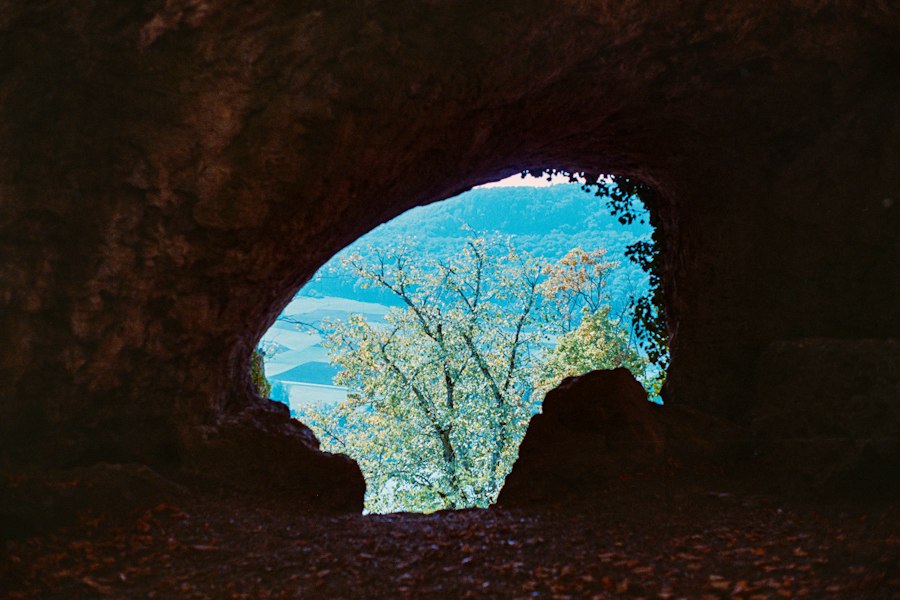
This shelter offers a unique window into a specific moment in time: a prehistoric winter. By examining the deposits within the shelter, scientists can begin to reconstruct what life was like for its inhabitants during the colder months, a period that would have been particularly challenging for survival. The protected environment likely allowed for more prolonged occupation and potentially a more settled existence than in more exposed areas.
Surviving the Chill
The presence of hearths or fire pits would be a primary indicator of how they combatted the cold. Evidence of ash, charcoal, and heat-altered stones would confirm that fire played a central role in their lives, providing warmth, light, and a way to cook food. The size and placement of these hearths could also offer clues about the size of the group and their social dynamics.
Sustenance and Survival
What did they eat? The shelter might preserve remnants of their diet. This could include animal bones from hunted prey, seeds or plant matter gathered from the surrounding environment, or even fish bones if the shelter was near a water source. Analyzing these remains helps us understand their hunting strategies, their knowledge of local flora and fauna, and their resourcefulness in securing food during lean winter months. The protected environment might also have offered better preservation of such organic materials.
Beyond the Firelight: The Broader Implications
This discovery isn’t just about one specific shelter or one group of Neanderthals. It contributes to a much larger picture of human evolution and behavior. Every well-preserved prehistoric site offers valuable data points that refine our understanding of ancient lifeways. The evidence of complex behaviors like woodworking, especially when linked to Neanderthals, challenges some long-held assumptions and opens up new avenues of research.
Rethinking Neanderthal Capabilities
For a long time, Neanderthals were often portrayed as less intelligent or less capable than our direct ancestors, Homo sapiens. However, discoveries like this one, showing advanced tool use and adaptation to challenging environments, increasingly paint a more nuanced picture. It suggests they possessed a sophisticated understanding of their world and the skills to manipulate it to their advantage, possibly even engaging in behaviors we previously attributed solely to Homo sapiens.
The Importance of Context
The preservation of this shelter is key. A pristine site, with undisturbed layers of sediment and intact artifacts, allows for incredibly detailed analysis. Unlike sites that have been heavily eroded or disturbed over millennia, this shelter offers a more complete and accurate representation of prehistoric life. This contextual integrity is what makes such finds so invaluable to archaeologists and paleoanthropologists, allowing for robust interpretations of ancient behaviors and environments.
Exploring the concept of prehistoric winter nights beneath rock roofs can lead to fascinating insights about early human life and survival strategies. For instance, a related article discusses the intriguing Piri Reis map, which offers a glimpse into ancient navigation and cartography. This map not only highlights the geographical knowledge of its time but also raises questions about the civilizations that existed long before modern history. To learn more about this captivating subject, you can read the article on the authenticity of the Piri Reis map here.
Preserving the Past for Future Understanding
| Metric | Value | Unit | Description |
|---|---|---|---|
| Temperature | -10 | °C | Estimated average winter night temperature beneath rock roof |
| Rock Roof Thickness | 2 | meters | Average thickness of rock roof providing shelter |
| Wind Speed Outside Shelter | 15 | km/h | Typical wind speed during winter nights outside the rock shelter |
| Humidity | 75 | % | Relative humidity inside the rock shelter during winter night |
| Duration of Night | 14 | hours | Length of winter night in prehistoric times at the location |
| Fire Temperature | 600 | °C | Approximate temperature of fire used for warmth beneath rock roof |
| Carbon Dioxide Levels | 0.08 | % | Estimated CO2 concentration inside shelter due to fire and respiration |
Discoveries like this underscore the critical need for ongoing archaeological research and the protection of prehistoric sites. Each new find adds another piece to the complex puzzle of our past, and the work done here, in meticulously uncovering and analyzing the shelter, will inform our understanding for years to come. The detailed study of such sites allows us to not only learn about our distant ancestors but also to better appreciate the long and dynamic history of life on Earth.
The Scientific Process in Action
The reporting of this find, even with its initial limited details, highlights the scientific process. Researchers observe, hypothesize, excavate, analyze, and then disseminate their findings. While the full publication may not be immediately available, the initial reports indicate a significant discovery that will undoubtedly be further detailed in scientific journals. This slow, careful process ensures that our understanding of the past is built on solid evidence.
The Ongoing Story of Human Origins
This rock shelter is just one chapter in the vast, ongoing narrative of human evolution. As technology advances and new sites are discovered, our knowledge continues to grow and evolve. Findings like this reinforce the idea that the story of our origins is far more complex and fascinating than we might have once imagined, with many more remarkable revelations likely waiting to be unearthed from beneath layers of time.

Life 20,000 Years Ago | When Your Ice Age Family Can’t Feed the Dog
FAQs
What is the significance of prehistoric winter nights beneath rock roofs?
Prehistoric winter nights beneath rock roofs provide insight into the survival strategies of early humans and their adaptation to harsh climates. These natural shelters offered protection from the elements, allowing prehistoric people to create a safe environment for resting, socializing, and developing tools.
What types of evidence have been found in rock shelters from prehistoric times?
Archaeological evidence found in rock shelters includes stone tools, pottery fragments, animal bones, and remnants of fire pits. These artifacts help researchers understand the daily lives, diets, and cultural practices of prehistoric communities.
How did prehistoric humans utilize rock roofs during winter?
Prehistoric humans utilized rock roofs as natural shelters to escape the cold and harsh winter weather. These shelters provided insulation and protection from wind and snow, allowing them to maintain warmth and safety while they rested or engaged in communal activities.
What role did fire play in prehistoric winter nights beneath rock roofs?
Fire played a crucial role in prehistoric winter nights by providing warmth, light, and a means to cook food. It also served as a social focal point, where individuals could gather, share stories, and strengthen community bonds during long, cold nights.
Are there any notable archaeological sites featuring prehistoric rock shelters?
Yes, there are several notable archaeological sites featuring prehistoric rock shelters, such as the Lascaux Caves in France and the Blombos Cave in South Africa. These sites have yielded significant findings that contribute to our understanding of prehistoric life and culture.