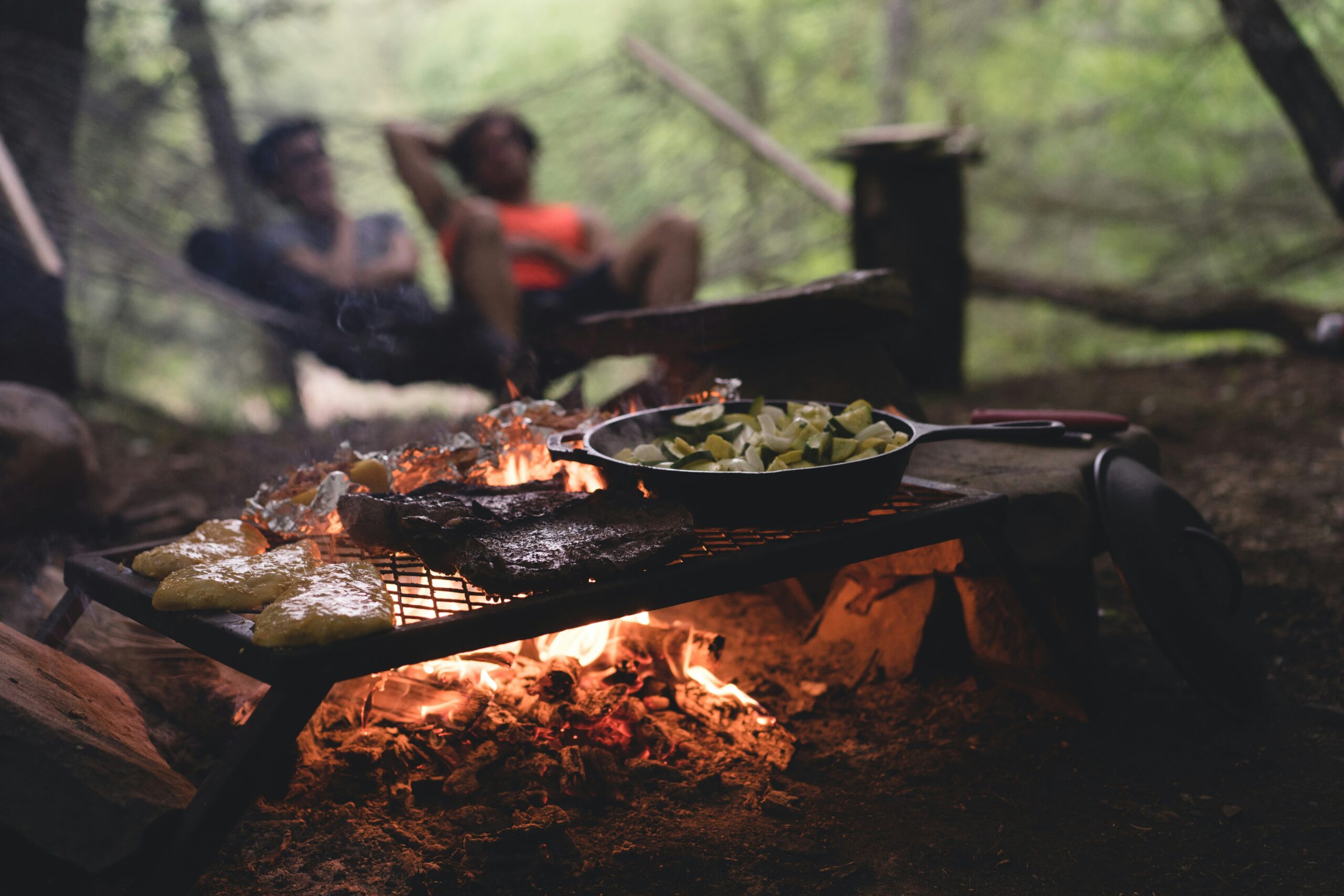
Sharing fire and food around a central hearth in primitive shelters wasn’t just about basic survival; it was a fundamental way early humans and their ancestors forged strong community bonds. This communal living created a focal point for daily life, influencing everything from resource management to social interaction.
The Hearth as the Heart of the Camp
Think of a primitive shelter, perhaps a cave overhang or a simple lean-to. At its core, you’d likely find a fire. This wasn’t just a random flame; it was the hub around which life revolved. Early humans understood the immense value of a shared fire. It was the primary source of warmth, especially as dusk fell and temperatures dropped, making extended daylight activities possible and providing a safer, more comfortable environment for sleeping. But its function went far beyond mere physical comfort.
More Than Just Warmth: The Multifaceted Role of Fire
The fire provided light, pushing back the darkness and allowing for activities to continue after sunset. This extended the usable hours of the day, giving groups more time for social interaction, tool refinement, and planning. It was also crucial for protection. The light and crackle of flames could deter predators, offering a sense of security that was vital for the survival of a vulnerable group. Furthermore, the fire was the indispensable tool for cooking. Processing food over a fire made it more digestible, killed harmful bacteria, and unlocked new nutritional benefits, significantly improving diet and overall health. This shared resource, the fire, naturally drew people together, creating a central gathering point that fostered a sense of unity.
Toolmaking and Social Learning by the Firelight
Beyond cooking and warmth, the hearth was often the site of other essential activities. The controlled heat of the fire was used for shaping tools, hardening spear tips, and even preparing materials like hides. Watching skilled individuals work by the fire, and participating in these tasks, was a primary way knowledge was passed down through generations. Younger members learned by observation and practice, absorbing crucial skills and understanding the social norms associated with these activities. This shared learning environment, illuminated and warmed by the communal fire, cemented intergenerational bonds and ensured the continuity of essential skills within the group.
In exploring the significance of sharing fire and food in primitive shelters, one can draw parallels to the communal aspects of early human life, which fostered social bonds and survival strategies. A related article that delves into fascinating discoveries about ancient human behavior and their environments can be found at this link. This resource provides insights into how early communities thrived through cooperation and resource sharing, highlighting the importance of these practices in shaping human history.
Food: A Shared Resource, A Shared Future
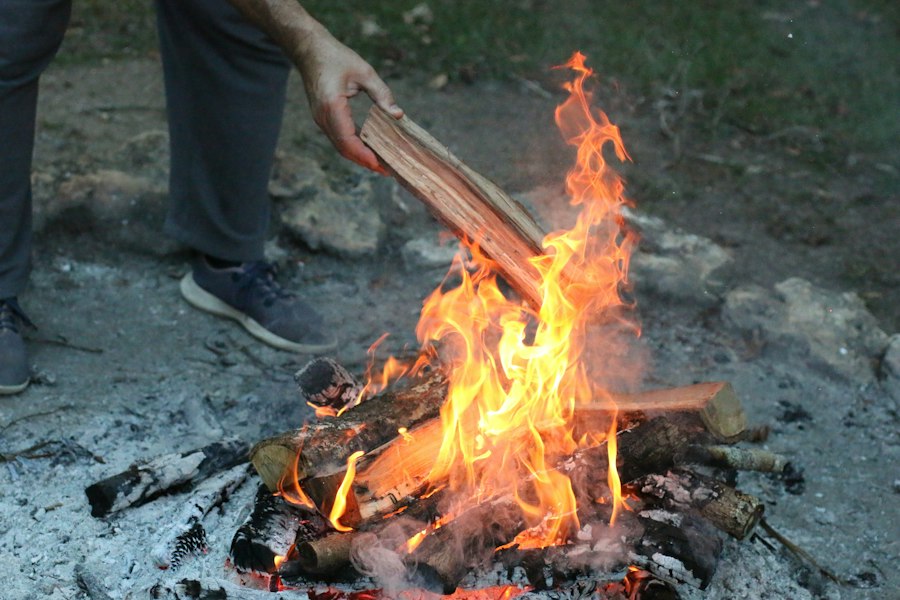
The act of sharing food, especially when prepared and consumed communally around a hearth, was a powerful social glue. It wasn’t just about distributing calories; it was about reinforcing group identity and mutual reliance. The effort involved in acquiring food, whether through hunting, gathering, or fishing, was often a collective endeavor. Bringing these resources back to the shelter and preparing them together highlighted the interdependence of the group.
The Social Structure of Sustenance
New research increasingly suggests that food-sharing was intrinsically tied to social structure and survival. Cooperation wasn’t optional; it was the bedrock of group life. This extended beyond the hunt or gathering expedition to the preparation and consumption of meals. Working together to process game, prepare roots or berries, and then sharing the resulting cooked food created a tangible demonstration of commitment to the group’s well-being. This shared experience of sustenance reinforced alliances, built trust, and ensured that even those who were less successful on any given day would still be provided for, strengthening the overall resilience of the community.
Communal Cooking and Hearth-Side Traditions
Evidence from ancient shelters and archaeological sites points to the existence of shared but distinct communal habits around food processing and hearth use. This suggests that different groups, and perhaps even different families within a larger encampment, developed their own unique traditions for how food was prepared and shared. These traditions weren’t just arbitrary customs; they were likely born out of practical considerations, resource availability, and the social dynamics of the group. Participating in these rituals, whether it was a specific way of butchering an animal or a method for cooking certain plants, further solidified group identity and created a sense of belonging. The hearth became the stage for these culinary and social performances, weaving a tapestry of shared experiences.
Building Bonds Through Shared Effort

The very act of maintaining a communal shelter and its central fire demanded collaboration. This wasn’t a solitary pursuit. It required the coordinated efforts of the entire group, fostering a sense of collective responsibility and shared purpose.
In exploring the significance of sharing fire and food in primitive shelters, one can gain insights into the communal aspects of early human life. The act of gathering around a fire not only provided warmth and protection but also fostered social bonds through shared meals. This concept of community is echoed in various aspects of modern society, including economic discussions about resource sharing and security. For a deeper understanding of how these themes resonate today, you might find it interesting to read about the implications of economic shifts in this article on asset seizure. You can find it here: asset seizure.
The Social Dynamics of Firewood Gathering
Recent archaeological findings highlight that the gathering of firewood and the strategic placement of hearths were not random acts but conscious social choices. People didn’t just pick a spot; they selected living areas that offered good access to fuel sources. This meant that the daily chore of collecting wood was a shared responsibility. Groups would venture out together, or in coordinated parties, to gather the necessary fuel. The effort involved in transporting wood, often in significant quantities, back to the shelter further underscored the need for cooperation. This shared labor, driven by the necessity of maintaining the communal fire, directly contributed to building stronger interpersonal connections.
Hearth Placement as a Social Decision
The placement of the hearth itself within the shelter was also a social decision. Its location would have been chosen to maximize its benefits for the group – providing warmth and light to the living and sleeping areas while also being a safe distance from flammable materials. This decision-making process likely involved discussion and consensus, further strengthening group cohesion. The hearth, positioned at the center of communal activity, became a physical representation of the group’s shared needs and their collective ability to meet them. It was a tangible symbol of their interconnectedness and their commitment to each other’s comfort and safety within the shared space.
The Shelter: A Nucleus of Social Interaction
The primitive shelter, with its central hearth and shared meals, was more than just a place to escape the elements. It was the nucleus of social life, a microcosm of the community’s interactions and relationships.
Creating a Shared Space for Daily Life
Within the confines of a shelter, individuals were constantly in close proximity. This enforced closeness, particularly around the warmth and activity of the fire, naturally led to increased communication and interaction. Daily tasks, from mending tools to caring for children, often happened within earshot and sight of each other. This constant, low-level social engagement helped to diffuse potential conflicts, foster understanding, and build a shared rhythm of life. The shelter provided a safe and defined space for the group to exist, interact, and collectively manage their daily needs, reinforcing their reliance on one another.
From Individual Survival to Collective Resilience
Ultimately, sharing fire and food in primitive shelters transformed the concept of survival. It shifted the focus from isolated individual effort to collective resilience. The ability to pool resources, share labor, and provide mutual support around a central hearth meant that the group as a whole was more likely to overcome challenges – whether it was a harsh winter, a scarcity of food, or the threat of predators. This cooperative model, built around the fundamental acts of sharing fire and sustenance within a communal shelter, laid the groundwork for increasingly complex social structures and laid the foundation for the enduring human capacity for community.

Life 20,000 Years Ago | When Your Ice Age Family Can’t Feed the Dog
FAQs
What are the benefits of sharing fire in primitive shelters?
Sharing fire in primitive shelters provides warmth, protection from predators, and a means to cook food. It also fosters social interaction and bonding among group members, enhancing cooperation and community building.
How does cooking food over a fire improve nutrition?
Cooking food over a fire can improve nutrition by making it easier to digest and increasing the bioavailability of certain nutrients. It also helps to kill harmful bacteria and parasites, making food safer to consume.
What types of primitive shelters are commonly used for sharing fire and food?
Common types of primitive shelters include lean-tos, teepees, and earth lodges. These structures are designed to provide protection from the elements while allowing for a central fire pit for cooking and warmth.
What materials are typically used to build primitive shelters?
Primitive shelters are often constructed using natural materials such as wood, leaves, grass, and mud. These materials are readily available in the environment and can be easily manipulated to create sturdy and functional structures.
How does sharing food contribute to social dynamics in primitive communities?
Sharing food in primitive communities reinforces social bonds and establishes hierarchies and roles within the group. It promotes cooperation and reciprocity, which are essential for survival and the overall cohesion of the community.