It sounds like you’re interested in some real-life stories of people who have faced the extreme challenges of Ice Age-like wilderness. While there isn’t a single, specific release titled “Volatile Ice Age Wilderness: True Survival Stories from the Frozen Past” that I can pinpoint right now, the concept itself is incredibly compelling, and there’s a wealth of existing material – particularly in podcasting – that delves into precisely these kinds of harrowing experiences. Think of it as the spirit of “Volatile Ice Age Wilderness” living on in gripping narratives of survival against the odds in incredibly cold environments. We can explore some of the themes and actual stories that fit this description, drawing from recent, real accounts of people battling the frozen unknown.
Tales from the Edge of the Frozen World
The idea of an “Ice Age wilderness” conjures images of vast, unforgiving landscapes, where survival is a minute-by-minute battle. While we’re not currently in a glacial period, pockets of Earth still offer conditions that mirror those harsh environments. These are the places where human resilience is tested to its absolute limits, and where stories of survival aren’t just entertainment, but lessons in resourcefulness and sheer grit. The good news is, these aren’t just hypothetical scenarios; there are actual people whose lives have been shaped by encounters with these formidable conditions, and their stories are being shared.
Surviving the Unimaginable Cold
When we talk about Ice Age-like conditions, we’re referring to temperatures that would be instantly life-threatening without proper preparation and immense luck. Think of it like this: the human body is designed for a much milder climate. Exposure to extreme cold, especially for prolonged periods, starts a cascade of dangerous processes that can quickly overwhelm our defenses. Understanding how people have navigated these situations, even when unprepared, gives us a window into not just survival, but the very edge of human endurance.
The Psychological Battleground
It’s easy to focus on the physical aspects of surviving in extreme cold – the frostbite, the hypothermia, the sheer struggle for warmth. But equally important, and perhaps even more challenging, is the mental battle. Isolation, fear, and the overwhelming sense of hopelessness can be just as dangerous as the weather itself. The stories we’ll touch upon often highlight the incredible mental fortitude required to keep going when everything in you is screaming to give up. It’s about maintaining a clear head when panic is a luxury you can’t afford.
In exploring the gripping narratives of survival during the volatile ice age wilderness, one can draw parallels to the themes of deception and reality presented in modern contexts. For a deeper understanding of how perception can be manipulated, consider reading the article titled “The Illusion of Truth: How Power Conceals Reality.” This piece delves into the complexities of truth and perception, much like the survival stories that highlight the stark realities faced by individuals in extreme conditions. You can find the article here: The Illusion of Truth: How Power Conceals Reality.
Modern Encounters with Ancient Extremes
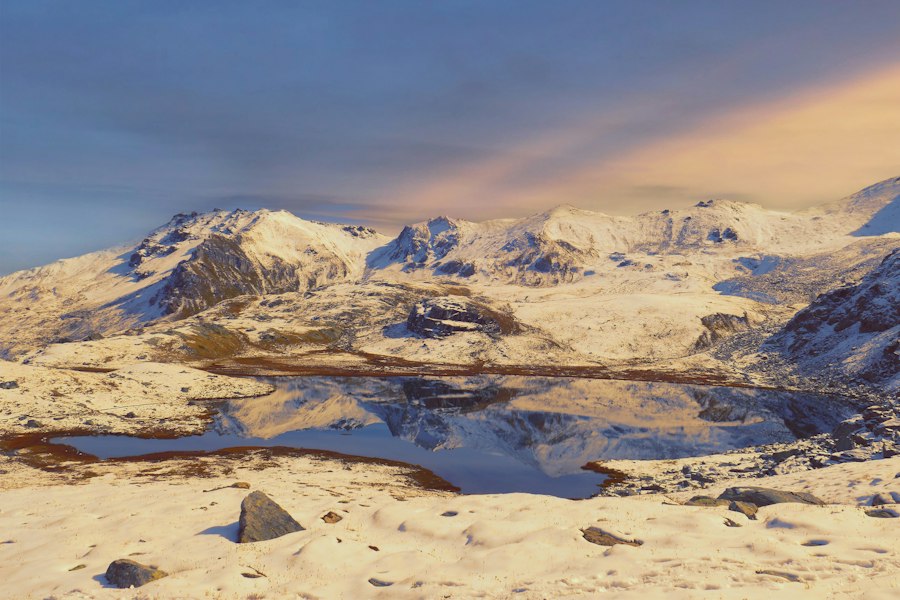
While the actual Ice Age has passed, certain places on our planet still offer a taste of its brutal conditions. These are often remote, high-altitude regions or the Arctic fringes, where weather can change with terrifying speed, and where a simple misstep can have catastrophic consequences. These aren’t stories from dusty history books; they are recent accounts from individuals who have found themselves in life-or-death situations in environments that feel as ancient and unforgiving as any Ice Age landscape.
The Perils of Denali’s Ridge
One recent example that captures the essence of a volatile, frozen wilderness is the story from Denali, the tallest peak in North America. Imagine spending “two weeks” on a mountain ridge where the “most beautiful” scenery can abruptly turn “killer.” This isn’t an exaggeration; Denali is known for its brutal weather. Sudden blizzards, hurricane-force winds, and extreme cold can trap climbers, turning an ambitious expedition into a desperate fight for survival. These narratives often detail the meticulous planning, the equipment failures, and the sheer willpower that can mean the difference between life and death at those altitudes. The stories from Denali are a stark reminder that even in the modern era, nature’s power in these extreme environments remains supreme.
Glacier National Park’s Icy Grip
Another area that presents formidable challenges is Glacier National Park. Here, the stories are often about hikers caught off guard. A common theme is how quickly a planned outing can turn into a survival ordeal. Consider the story of a 19-year-old who found himself “three nights stranded in Glacier National Park without shoes.” This highlights a critical survival point: being unprepared, even for a seemingly short trip, can have devastating consequences. Losing footwear in freezing conditions leads to rapid frostbite and immobility, making any hope of self-rescue incredibly slim. These accounts are less about mountaineering triumphs and more about everyday people facing extraordinary circumstances due to a lapse in judgment or a twist of fate.
Unlikely Survivors: Stories of Incredible Endurance
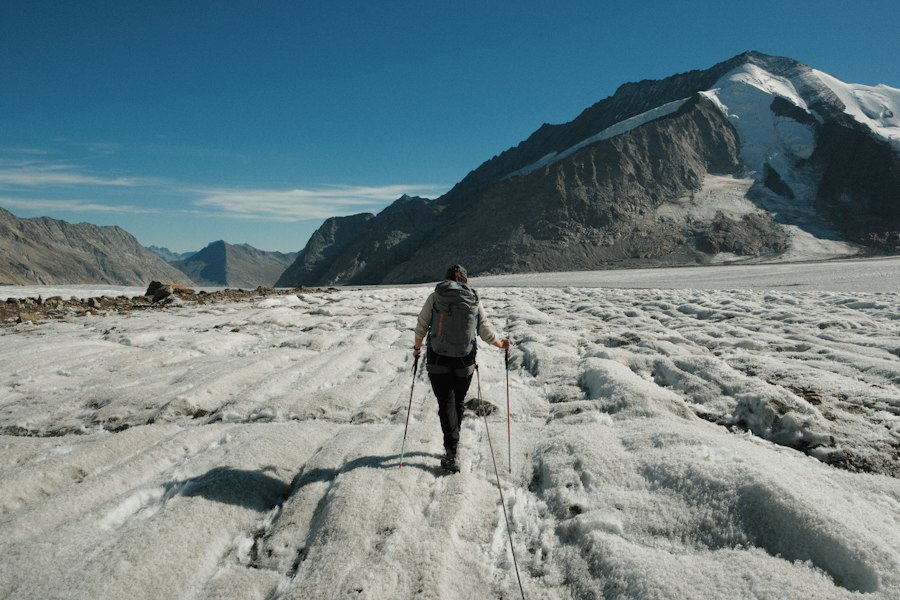
Some of the most compelling narratives are about individuals who have survived against all odds, often when medical professionals would have predicted the worst. These are the stories that defy explanation and offer a profound look at human adaptability and the body’s surprising resilience under duress. They are testaments to both the will to live and the often-unforeseen capabilities of the human system when pushed to its absolute limits in freezing temperatures.
Jean Hilliard: A Frosty Miracle
One such extraordinary tale is that of Jean Hilliard. Her story is a prime example of surviving extreme hypothermia. She was found frozen, essentially, at -22°F (-30°C). For context, these temperatures alone are incredibly dangerous, and combined with exposure, they typically lead to fatality. Hilliard’s survival, and subsequent recovery, is a remarkable case that has baffled medical experts. It’s not just about enduring the cold; it’s about what happens to the body when it’s pushed that far and how it can, against all expectations, begin to heal. Her story emphasizes that sometimes, the human body can achieve what seems physically impossible.
Leon Crane: A Trek Through the Arctic Wild
Then there’s the epic journey of Leon Crane, who undertook a “120-mile Arctic Alaska trek.” This isn’t a casual hike; this is a deliberate immersion into one of the harshest inhabited environments on Earth. Such expeditions require meticulous planning, specialized gear, and an intimate understanding of the terrain and weather. Crane’s story likely involves navigating vast, frozen landscapes, dealing with unpredictable ice conditions, and facing the psychological toll of prolonged isolation in an unforgiving environment. It’s a testament to human determination and the ability to adapt to conditions that would quickly defeat most people. His trek is a modern-day echo of the challenges faced by early explorers and indigenous peoples who have long inhabited these frozen frontiers.
Lessons from the Frozen Frontier
The stories from these volatile, frozen wildernesses offer more than just thrilling accounts of survival. They provide practical insights into the dangers of extreme cold and the fundamental needs for staying alive when temperatures plummet. They underscore the importance of preparation, awareness, and respect for the power of nature.
The Critical Role of Preparation
In virtually every story of survival in extreme cold, preparation is the first line of defense. This isn’t just about packing a warm coat. It involves understanding the weather forecast, knowing the terrain, having the right equipment, and informing others of your plans. For instance, the Denali stories often highlight how even experienced climbers can be caught out by the mountain’s fickle nature, reinforcing that no amount of experience can completely negate the need for rigorous preparation. The Glacier National Park incident with the shoeless hiker is a stark reminder that even seemingly minor oversights, like proper footwear, can have life-threatening consequences.
Understanding Hypothermia and Frostbite
The science behind hypothermia and frostbite is crucial for anyone venturing into cold environments. Hypothermia occurs when your body loses heat faster than it can produce it, causing a dangerous drop in core temperature. Frostbite happens when body tissue freezes, often affecting extremities like fingers, toes, and ears. Jean Hilliard’s extreme case, while exceptional, underscores how severe hypothermia can become. Understanding the early symptoms of both conditions, and knowing how to prevent them (staying dry, layering clothing, staying hydrated, and avoiding alcohol), is paramount. These stories serve as real-world case studies of what happens when these protective measures fail.
Surviving in the harsh conditions of a volatile ice age wilderness presents unique challenges that have fascinated adventurers and historians alike. These survival stories often highlight the resilience and ingenuity of those who faced extreme climates and scarce resources. For a deeper understanding of how environmental factors can influence human behavior and geopolitical dynamics, you might find it interesting to explore the article on the shifting relationships between the US, Mexico, and China. You can read more about it here.
Echoes of the Past in Today’s Wilderness
| Story Title | Setting | Main Survival Challenge | Duration of Survival | Key Survival Strategy | Outcome |
|---|---|---|---|---|---|
| Frozen Horizon | Glacial tundra, Ice Age | Extreme cold and scarce food | 6 months | Building insulated shelters and ice fishing | Rescued after signaling with fire |
| Icebound Odyssey | Mountainous Ice Age wilderness | Blizzards and avalanches | 3 weeks | Using natural caves and rationing supplies | Survived and found safe passage |
| Shadows of the Frost | Frozen forest, Ice Age | Predatory animals and freezing temperatures | 2 months | Crafting weapons and fire management | Escaped to a warmer valley |
| Glacier’s Edge | Coastal Ice Age cliffs | Limited fresh water and hypothermia | 1 month | Melting ice for water and layering clothing | Reached a nearby settlement |
| Frozen Silence | Ice Age plains | Isolation and mental endurance | 4 months | Maintaining routines and mental focus | Self-rescue after building a sled |
These modern-day survival sagas are not just isolated incidents; they are echoes of experiences that humans have faced for millennia. The challenges of finding shelter, sourcing food, and navigating treacherous landscapes in icy conditions are timeless. The people who brave these environments today are, in a way, reliving the struggles of our ancestors who lived through actual Ice Ages.
The Human Drive to Explore and Endure
There’s an intrinsic human drive to explore the unknown, to push boundaries, and to test our limits. This drive is what led early humans to migrate across continents and survive in diverse climates, including those dramatically colder than our current norm. The expeditions to places like Denali and the treks through Arctic Alaska are modern manifestations of this ancient impulse. They remind us that while our technology has advanced, the fundamental challenges of surviving in harsh environments remain. The stories of Jean Hilliard and Leon Crane, in particular, highlight this enduring capacity for human endurance and the sheer will to live, even when faced with what seems like insurmountable odds. They serve as powerful narratives of how, even when the odds are stacked against them, humans can find a way to endure and survive.

Life 20,000 Years Ago | When Your Ice Age Family Can’t Feed the Dog
FAQs
What are volatile ice age wilderness survival stories?
Volatile ice age wilderness survival stories refer to narratives that depict the challenges and experiences of individuals or groups attempting to survive in harsh, icy environments reminiscent of the last Ice Age. These stories often highlight the struggle against extreme cold, scarcity of resources, and the need for innovative survival techniques.
What types of skills are essential for survival in ice age conditions?
Essential skills for survival in ice age conditions include building shelters to protect against the cold, sourcing and purifying water, foraging for edible plants, hunting or trapping animals for food, and navigating through snow-covered terrains. Knowledge of fire-making techniques is also crucial for warmth and cooking.
Are there real-life examples of survival stories from ice age environments?
Yes, there are real-life examples of survival stories from ice age environments, particularly from archaeological findings and historical accounts of prehistoric humans. These stories often involve early humans adapting to their surroundings, using tools made from stone and bone, and developing social structures to enhance their chances of survival.
How do modern survival techniques compare to those used in the ice age?
Modern survival techniques often incorporate advanced tools and knowledge, such as GPS navigation and modern clothing materials, which differ significantly from the primitive methods used during the ice age. However, many fundamental skills, such as fire-making, shelter-building, and foraging, remain relevant and are still taught in contemporary survival training.
What lessons can be learned from ice age wilderness survival stories?
Lessons from ice age wilderness survival stories include the importance of adaptability, resourcefulness, and teamwork in overcoming extreme challenges. These narratives also emphasize the significance of understanding one’s environment and the need for preparation and planning in survival situations.