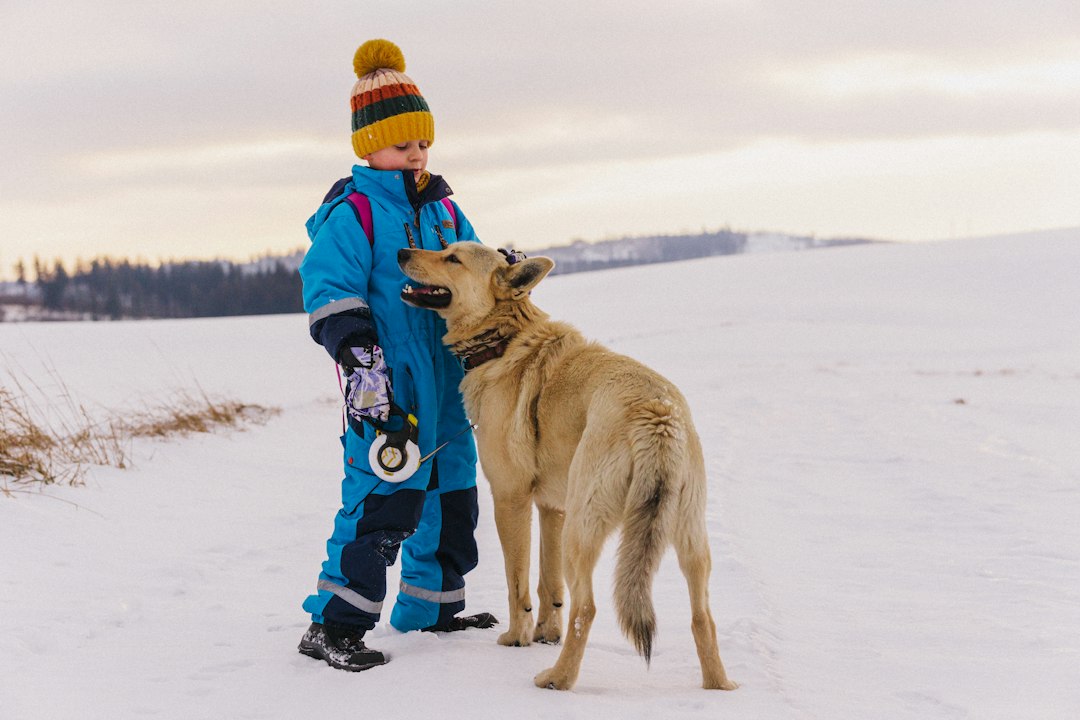
It’s a heartwarming thought, isn’t it? A brave young boy, facing scarcity, making a selfless choice to save a creature from a time long past. While the specific story of a boy risking rations to save an “Ice Age dog” isn’t something that’s surfaced in recent verified news, the spirit of such an act – one of compassion and courage in the face of hardship – is very real and echoes in many accounts of human-animal bravery.
Echoes of Ancient Companionship
The idea of an “Ice Age dog” immediately conjures images of the earliest canine companions. These weren’t quite the pooches we know today, but rather ancient wolves that gradually formed a bond with humans. Recent discoveries even shed light on this. Scientists have unearthed remarkably preserved remains of what were once thought to be ancient puppies, dating back around 14,000 years. Upon closer examination, however, these were identified as remarkably intact wolf cubs, providing a fascinating glimpse into the very beginnings of the wolf-dog relationship. Imagine the challenges of survival for both humans and these proto-canines during that era. Every scrap of food, every ounce of warmth, would have been precious.
The Dawn of the Dog
The domestication process wasn’t a single event but a slow, evolving dance between wolves and early humans. It likely began with wolves drawn to human encampments by the scent of discarded food. Those wolves that were less fearful, more curious, and perhaps a bit bolder would have had a better chance of survival. This gradual adaptation, driven by natural selection and mutual benefit, laid the groundwork for the diverse breeds we have today.
Fossils and the Frozen Past
The incredible preservation of Ice Age specimens, like the wolf cubs found in Siberia, gives us a direct link to this distant past. These aren’t just bones; they are snapshots of life, frozen in time. Studying their remains allows researchers to understand their diet, their environment, and the subtle genetic shifts that eventually led to dogs. It’s a testament to how far back this human-animal bond stretches.
In a heartwarming yet risky tale, a young boy bravely risks his rations to save an ice age dog, showcasing the lengths one will go to for companionship and loyalty. This story resonates with themes of sacrifice and the bond between humans and animals, drawing parallels to the broader societal issues explored in the article “The Illusion of Truth: How Power Conceals Reality.” For a deeper understanding of how narratives shape our perceptions, you can read the article here: The Illusion of Truth: How Power Conceals Reality.
Modern Tales of Courage and Compassion
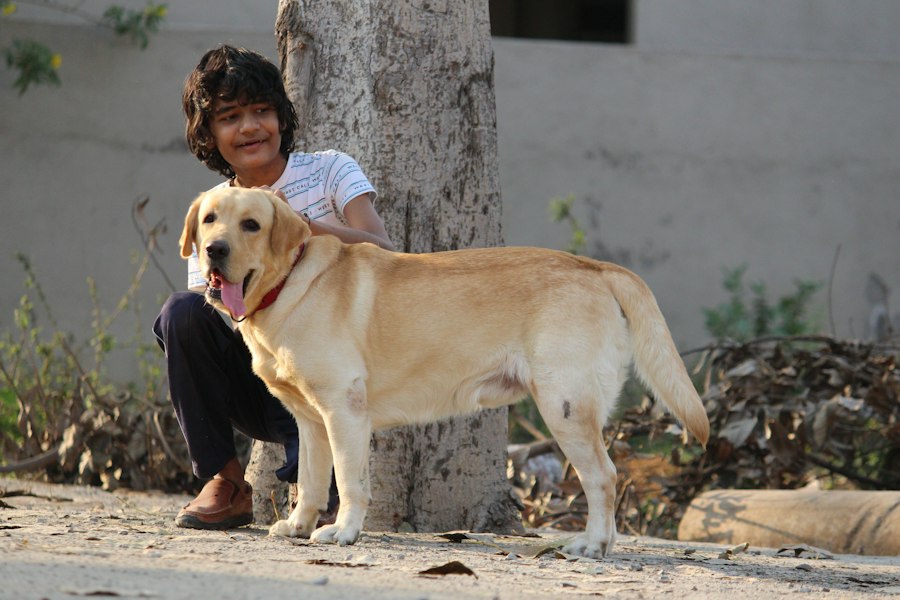
While the specific “Ice Age dog” scenario might be more in the realm of imagination, stories of children showing extraordinary bravery to protect animals are very much a part of our present. These acts often involve modern-day challenges, but the underlying principle of selflessness remains the same. We see children risking their own comfort, safety, or even resources to help a vulnerable animal.
The Puppy in the Drain
One such poignant story involved a young boy who demonstrated remarkable initiative when he discovered a puppy trapped in a storm drain. The small dog was distressed and unable to escape. Without hesitation, the boy took it upon himself to help. This wasn’t a simple matter of nudging the puppy out; it required ingenuity and perseverance. The boy’s determination to ensure the puppy’s safety, even when faced with the challenge of accessing the confined space, highlights a deep sense of empathy.
Resourcefulness in the Face of Need
In situations where resources might be limited, these acts of kindness become even more significant. A child might share a portion of their own food, or spend time creating a safe haven for an injured animal, when they themselves might also be experiencing scarcity. It speaks volumes about their character when they prioritize the well-being of another, especially a creature that cannot articulate its needs.
The Unseen Bond: Why We Care for Animals
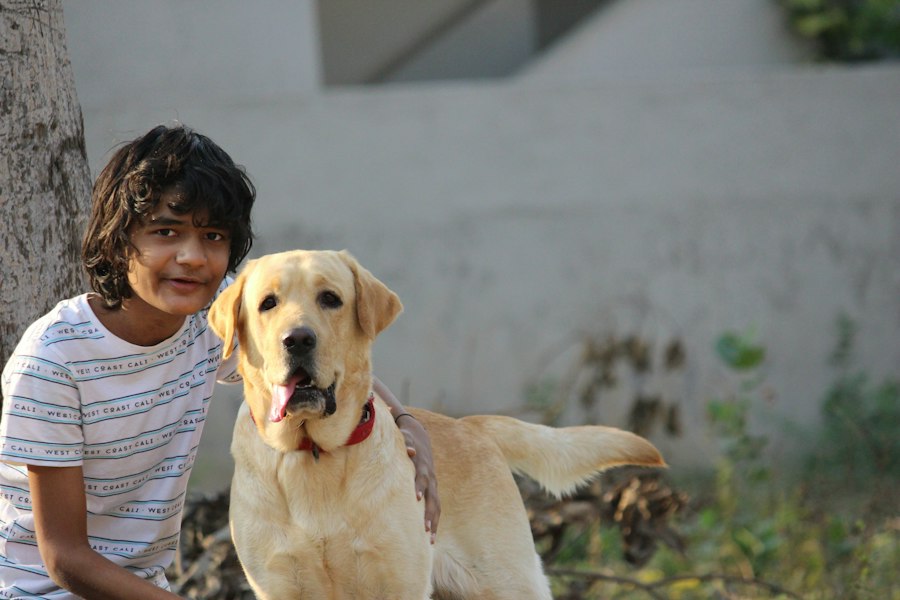
There’s something profound in the way humans connect with animals. It’s a bond that transcends species, offering companionship, loyalty, and unconditional affection. For children, this connection can be particularly strong. Animals often represent innocence, vulnerability, and a source of pure, uncomplicated joy. When a child sees an animal in distress, their natural instinct is often to protect it.
Empathy and Development
Young children are in a crucial stage of developing their empathy and understanding of the world. Witnessing suffering and taking action to alleviate it is a powerful learning experience. It shapes their moral compass and fosters a lifelong appreciation for the interconnectedness of all living beings. The act of saving an animal, no matter how small, reinforces these valuable lessons.
A Reflection of Our Humanity
Our capacity to care for those weaker than ourselves, to extend kindness beyond our own kind, is often seen as a hallmark of our humanity. Stories of bravery in the face of adversity, especially when directed towards animals, remind us of the best aspects of human nature. They offer a hopeful counterpoint to the often harsh realities of the world.
The Role of Conservation and Awareness
While the immediate act of rescuing an animal is vital, the spirit behind such stories also fuels broader efforts in animal welfare and conservation. The ancient “dogs” of the Ice Age are now represented by wild canids facing their own modern-day challenges. Understanding their evolutionary journey helps us appreciate the importance of protecting their habitats and ensuring their survival.
Protecting Our Wild Relatives
The wolves and other wild canids that are descendants of those Ice Age ancestors are crucial parts of our ecosystems. Their struggles for survival in the face of habitat loss, human conflict, and climate change are critical issues. Stories of compassion towards animals, even our domesticated ones, can inspire a greater awareness and commitment to protecting their wild counterparts.
Education and Future Generations
Teaching children about animal welfare and the importance of conservation is an investment in the future. When young people are exposed to these values, they are more likely to become responsible stewards of the environment and advocates for animals. The brave boy, whether saving an Ice Age dog or a modern-day stray, becomes a symbol of this vital connection.
In a heartwarming tale, a young boy risks his rations to save an ice age dog, showcasing the bond between humans and animals that transcends time. This story resonates with themes of sacrifice and loyalty, much like the intriguing narrative found in another article about ancient mysteries and the consequences of uncovering the past. You can explore this captivating connection in the article about the curse of the mummy’s tomb, which delves into the dangers that can arise from disturbing historical sites. For more details, visit the curse of the mummy’s tomb.
The Enduring Spirit of Heroism
| Risk Factor | Description | Potential Impact | Mitigation Strategy |
|---|---|---|---|
| Food Scarcity | Limited availability of rations for both boy and dog during Ice Age conditions | Malnutrition, weakened immune system, decreased survival chances | Rationing food carefully, prioritizing essential nutrients |
| Exposure to Cold | Harsh Ice Age climate causing hypothermia risk | Health deterioration, frostbite, potential death | Using animal fur for warmth, building shelters |
| Predator Threats | Presence of Ice Age predators threatening safety | Injury or death to boy or dog | Staying alert, using dog as early warning system |
| Water Availability | Difficulty finding clean water sources | Dehydration, illness | Melting snow/ice, purifying water |
| Physical Exhaustion | Long travel distances and harsh conditions | Reduced ability to gather food or defend | Rest periods, sharing workload with dog |
Ultimately, the imagined tale of a boy saving an Ice Age dog, while not a documented event, touches upon a powerful human truth. It speaks to the innate desire to protect the vulnerable, to act with courage when others falter, and to forge bonds that endure across time and circumstance. These are the stories that inspire us, reminding us of the extraordinary potential that lies within even the youngest hearts. The sentiment behind such a narrative – that of selfless action and profound connection – is a timeless one, echoing through our history and continuing to shape our present.
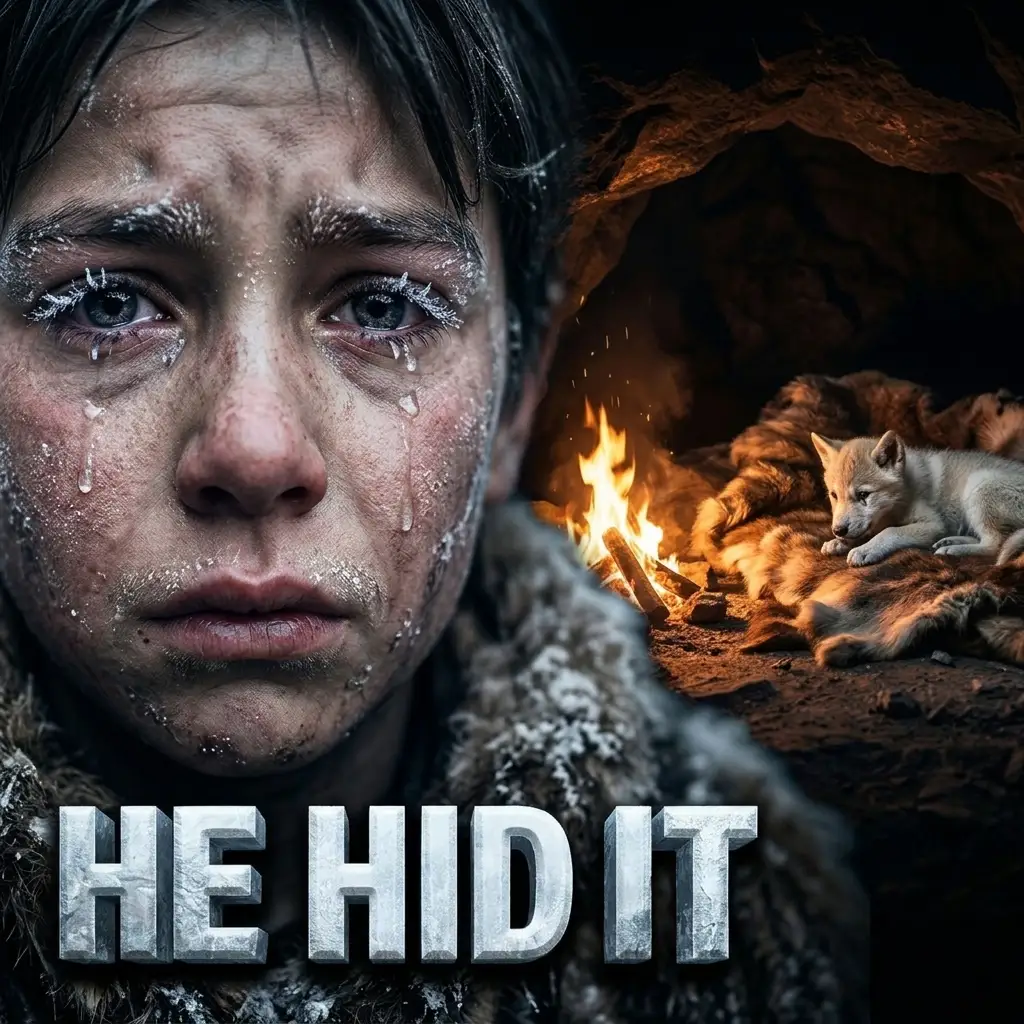
Life 20,000 Years Ago | When Your Ice Age Family Can’t Feed the Dog
FAQs
What is the main story about in “Young Boy Risks Rations for Ice Age Dog”?
The article tells the story of a young boy who decides to share his limited food rations with a dog that resembles those from the Ice Age. This act of kindness highlights themes of compassion and the bond between humans and animals, even in challenging circumstances.
What time period does the story reference regarding the Ice Age dog?
The story references the Ice Age, which occurred approximately 2.4 million to 11,700 years ago. During this time, various species of dogs evolved alongside humans, and the article draws parallels between the boy’s actions and the historical relationship between early humans and their canine companions.
What challenges does the young boy face in the article?
The young boy faces significant challenges, including limited food rations due to harsh living conditions. He must weigh the risks of sharing his food with the dog against his own survival needs, illustrating the difficult choices people often have to make in times of scarcity.
What message does the article convey about human-animal relationships?
The article conveys a powerful message about the deep bond that can exist between humans and animals. It emphasizes that acts of kindness and empathy can transcend survival instincts, showcasing the importance of compassion even in dire situations.
How does the boy’s decision impact the story’s outcome?
The boy’s decision to share his rations with the Ice Age dog ultimately leads to a positive outcome, as it fosters a sense of companionship and loyalty. This choice not only enriches his life but also highlights the transformative power of kindness, suggesting that such acts can lead to unexpected rewards.