
It might surprise you, but evidence suggests early humans were showing significant compassion to sick and injured dogs as far back as 14,000 years ago. Far from just seeing them as tools, they actively cared for these animals, even when they couldn’t contribute to the group.
A Puppy’s Fight for Life: The Bonn-Oberkassel Story
The story of the Bonn-Oberkassel dog, discovered in Germany and dating back about 14,000 years, is a powerful testament to early human empathy. When scientists re-examined this puppy’s remains, they found clear signs of canine distemper. This wasn’t a mild case; it indicated multiple severe bouts of illness during its young life. What’s remarkable is that this puppy survived.
Survival Against the Odds
Canine distemper is a serious disease, and without modern veterinary care, a puppy suffering from it would have faced incredibly difficult odds in the wild. The fact that this individual survived suggests it received dedicated care from its human companions. We’re talking about consistent efforts to keep it warm, ensure it stayed clean, and provide it with fluids.
The Crucial Role of Human Intervention
It’s highly probable that this sick puppy was hand-fed. When an animal is this unwell, it often loses its appetite or is too weak to eat or drink on its own. For humans to dedicate the time and resources to hand-feed a sick pup, especially when it was too ill to be of any practical use for hunting or protection, speaks volumes about their emotional connection. This wasn’t a creature they simply discarded when it became a burden.
In exploring the fascinating relationship between humans and dogs throughout history, one might find it intriguing to consider how early humans cared for their struggling canine companions during prehistoric times. The bond between humans and dogs has deep roots, and understanding the methods of care and companionship can shed light on our shared evolution. For a deeper dive into ancient practices and the secrets of our ancestors, you can read more in the article about ancient scribe secrets found at Unveiling Ancient Scribe Secrets: Hidden Writings.
More Than Just Companions: Family and Social Bonds

The Bonn-Oberkassel site offers even more compelling evidence of the deep relationship between early humans and dogs. The grave itself is considered the oldest known example of a joint human-dog burial. This wasn’t just any burial; it included a sick puppy, an adult man, an adult woman, and another dog.
A Shared Resting Place
The placement of the diseased puppy alongside humans and another dog in such a significant burial strongly suggests that dogs were viewed as much more than just working animals or food sources. They were integrated into the social fabric of the group, sharing their lives and, in this case, their final resting place. This implies they were considered social partners, and perhaps even family members.
Beyond Utility: Emotional Value
This level of care and inclusion in burial rituals points to an emotional bond that transcended the practical benefits dogs might have provided. It suggests that humans recognized the intrinsic value of these animals and felt a sense of responsibility and affection towards them, even in their most vulnerable states.
Evidence of Protection: The Baume Traucade Case
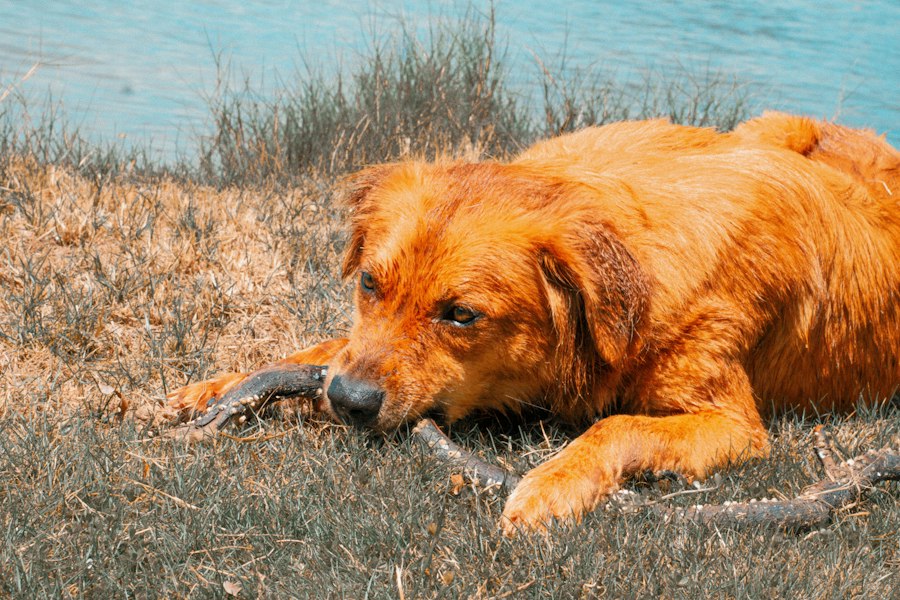
Pushing back the timeline for evidence of compassionate care, the 16,000-year-old Palaeolithic dog skeleton found at Baume Traucade in France tells another important story. This individual bore the marks of serious physical trauma, specifically multiple healed vertebrae fractures.
Surviving Severe Injuries
The presence of healed fractures is key. It means this dog didn’t just sustain an injury and succumb to it. Instead, it lived long enough for its bones to mend. Bone healing, especially in the spine, is a complex and painful process that requires significant time and protection from further harm.
A Commitment to Healing
For this dog to have healed, it would have needed consistent care from its human associates. This likely involved being kept safe from predators, preventing it from putting undue stress on its injured spine, and possibly even being assisted in moving. Protecting an injured animal long enough for it to recover implies a deliberate and ongoing effort to support its well-being.
An Extended History of Caregiving
The Baume Traucade discovery suggests that the pattern of humans caring for injured canids is much older than previously thought. It demonstrates a commitment to the welfare of these animals, even when they were severely incapacitated. This isn’t just about keeping a healthy, useful animal around; it’s about investing in the recovery of a vulnerable one.
Integrated Lives: The Hunter-Gatherer Camps
Recent genetic and archaeological research on early dogs from around 15,000 to 16,000 years ago paints a consistent picture: these canids were already deeply embedded within hunter-gatherer societies. They weren’t living on the fringes; they were part of the daily life of these human groups.
Shared Resources, Shared Lives
The evidence shows that early dogs were consuming similar food sources as humans, including smaller fish. This indicates they were not only present in human camps but were also sharing in the resources obtained through hunting and gathering. This sharing suggests a level of integration and trust.
Careful Treatment and Burial Practices
Furthermore, the discovery of early dog remains being carefully buried alongside humans or in specific designated areas supports the idea of close, caregiving relationships. These aren’t haphazard burials; they suggest a deliberate act of honoring the animal and acknowledging its place within the community. This practice reinforces the long-standing pattern of humans forming meaningful bonds with canids.
In exploring the challenges of caring for a struggling dog in prehistory, it is fascinating to consider how early humans may have developed their nurturing instincts alongside their survival skills. The bond between humans and dogs likely played a crucial role in both companionship and hunting efficiency. For a deeper understanding of how the evolution of social structures influenced the care of animals, you can read more in this insightful article about the evolution of the American factory worker. This connection highlights the importance of cooperation and empathy throughout history, not just in human relationships but also in our interactions with animals. To learn more, visit this article.
A Deeper Ancestry of Compassion: Pre-Dog Wolves
| Aspect | Prehistoric Care Practices | Possible Metrics |
|---|---|---|
| Nutrition | Sharing hunted food or scraps with injured or weak dogs | Frequency of food sharing, types of food provided |
| Protection | Keeping struggling dogs within the group for safety | Number of dogs protected, duration of protection |
| Medical Care | Use of natural remedies like herbs or poultices | Types of remedies used, recovery rates |
| Social Support | Maintaining social bonds and companionship for weak dogs | Time spent near group, social interactions |
| Mobility Assistance | Helping injured dogs move or hunt | Instances of assistance, impact on survival |
The evidence for early human compassion might even extend back before the full domestication of dogs, to their wolf ancestors. Studies of 5,000-year-old wolves on a remote Baltic island have revealed individuals who had suffered severe limb damage but still managed to survive.
Wolves Benefiting from Human Presence
What’s significant about these wolves is that they lived in an environment where human presence was known. The survival of these severely injured wolves suggests they may have been provisioned or sheltered by humans. This could have involved leaving food scraps or offering some form of protection from harsh conditions or predators.
Broadening the Scope of Empathy
This finding broadens the understanding of early human compassion beyond just domesticated dogs. It suggests that humans may have had a predisposition to show care and support to canids in general, even their wilder counterparts. This implies that the roots of the human-dog bond and the associated caregiving behaviors are deeply ancient, stretching back into a time when the distinctions between wolves and early dogs were perhaps less clear. It hints at a more nuanced and widespread human capacity for empathy towards these animals.

Life 20,000 Years Ago | When Your Ice Age Family Can’t Feed the Dog
FAQs
What were common health issues faced by dogs in prehistory?
In prehistory, dogs often faced health issues such as parasites, malnutrition, and injuries from hunting or living in the wild. They were also susceptible to diseases that could spread from wild animals, as well as dental problems due to their diet, which often included tough, raw materials.
How did prehistoric humans care for their dogs?
Prehistoric humans likely cared for their dogs by providing food scraps from their own meals, shelter from harsh weather, and companionship. They may have also used herbs and natural remedies to treat minor injuries or ailments, reflecting an early understanding of animal care.
What role did dogs play in prehistoric societies?
Dogs played a crucial role in prehistoric societies as hunting companions, protectors, and even as sources of warmth. They assisted in hunting game, helped guard settlements, and provided emotional support to humans, which fostered a symbiotic relationship between the two species.
How did the diet of prehistoric dogs differ from modern dogs?
The diet of prehistoric dogs was primarily composed of raw meat, bones, and whatever scraps humans provided. Unlike modern dogs, which often consume processed kibble or specialized diets, prehistoric dogs had a more varied and natural diet that depended on their environment and the availability of food sources.
What evidence do we have of dog care in prehistoric times?
Evidence of dog care in prehistoric times includes archaeological findings such as dog burials, which indicate that humans valued their dogs enough to bury them with care. Additionally, remains of dogs found alongside human settlements suggest that they were fed and cared for, reflecting a close bond between species.