Prehistoric children were far from idle bystanders at the camp. They were active contributors, playing crucial roles in gathering food, assisting in hunts, caring for younger siblings, and practicing essential survival skills by imitating adults. This participation wasn’t just play; it was a fundamental part of learning and ensuring the group’s survival.
Little Hands, Big Impact: Everyday Contributions
The idea of prehistoric children as simply being cared for by adults is outdated. New evidence paints a picture of active engagement and contribution from a very young age. These weren’t just future workers; they were current assets to their communities, learning by doing and actively participating in the daily rhythm of camp life.
More Than Just Gathering Berries
Children were involved in food acquisition in ways that went beyond picking up stray fruits. They learned to identify edible plants, roots, and berries, often gathering them for immediate consumption or for storage. This freed up adult time for more demanding tasks and ensured a consistent food supply. Their smaller size and agility might have also allowed them to access resources that adults couldn’t, like reaching into crevices for grubs or climbing low branches for certain nuts.
Early Lessons in the Hunt
While they weren’t likely taking down large game, prehistoric children played supporting roles in hunting activities. This could have involved flushing out smaller prey, scouting for animal tracks, or helping to carry back smaller kills or gathered resources. The important aspect here is the learning: observing adult hunting techniques, understanding animal behavior, and learning about the tools used. These early experiences were foundational for developing their own hunting prowess as they grew.
The Importance of Childcare
Caring for younger siblings was a significant contribution that directly impacted camp survival. Older children took on responsibilities for the very young, allowing adult females, in particular, to participate more fully in other subsistence activities. This not only ensured the safety and well-being of the infants but also provided valuable training for the older children in nurturing and protection, skills essential for the continuity of the group.
In exploring the dynamics of prehistoric life, it’s fascinating to consider how children played a crucial role in the survival of their camps. Their involvement in daily tasks, such as gathering food and learning essential skills, not only contributed to the community’s well-being but also fostered a sense of responsibility and teamwork from a young age. For a broader perspective on how strategic planning and collaboration have evolved over time, you might find the article on the militarization of the moon particularly interesting. It discusses the strategic advantages of teamwork and preparation in a different context, highlighting the importance of these principles throughout history. You can read more about it here: The Militarization of the Moon: Strategic Advantages.
The Camp as a Training Ground for Skills
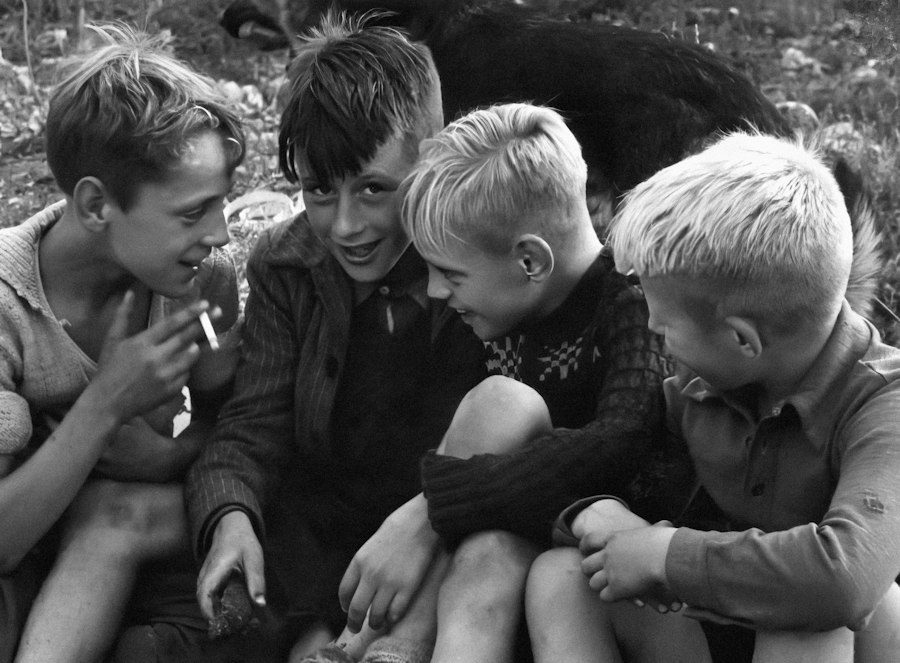
Prehistoric camps were not just places to live; they were dynamic learning environments. Children were immersed in a culture of skill acquisition, where every activity offered an opportunity to learn. This hands-on approach to education was vital for survival in often challenging environments.
Mastering the Stone Tool Craft
Archaeological sites reveal that children were not just watching adults make tools; they were actively practicing. At a site near Paris, dating back 15,000 to 17,000 years ago, researchers found evidence of children learning and experimenting with stone-tool production alongside experienced knappers. This suggests that they were imitating the motions, trying out different techniques, and gradually developing the fine motor skills and understanding needed to create essential implements for hunting, butchering, and everyday tasks. This practice was crucial for honing their abilities before they were expected to produce functional tools independently.
Learning from Observation and Imitation
Much of what prehistoric children learned was through direct observation and imitation. They watched how adults prepared food, made fire, built shelters, and tracked animals. They then mimicked these actions, gradually refining their techniques. This process of social learning was highly efficient, ensuring that essential knowledge and skills were passed down through generations. The immediate application of these learned skills in camp activities solidified their understanding and reinforced their importance.
Developing Environmental Awareness
Living in close proximity to nature, prehistoric children developed a profound understanding of their environment. They learned to recognize edible and medicinal plants, understand weather patterns, and interpret animal behavior. This deep connection to the natural world was not just about survival; it was about thriving. Their daily activities, from gathering to playing, provided continuous opportunities to expand their knowledge of the ecosystems they inhabited, making them valuable contributors to the group’s resourcefulness.
“Ice Age Influencers”: Children as Innovators
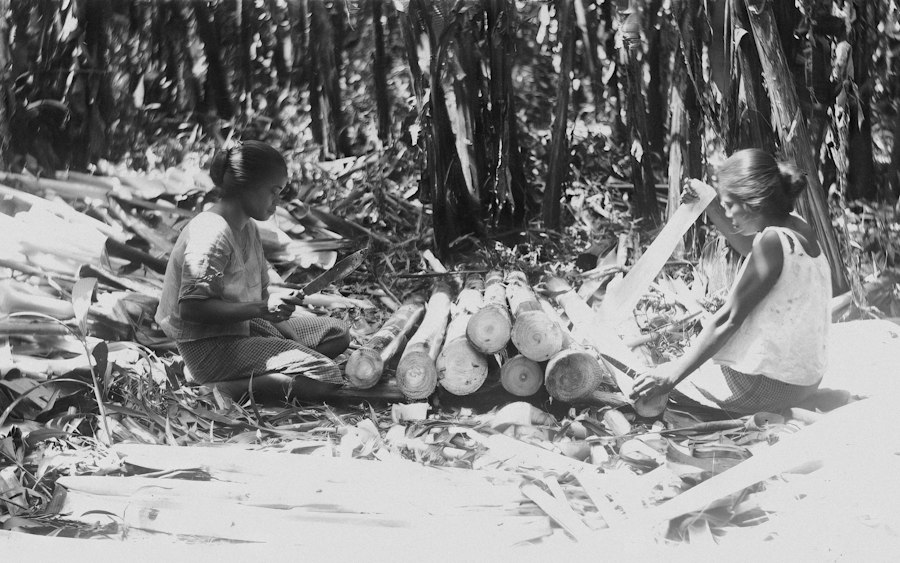
Far from being passive learners, prehistoric children were often at the forefront of adopting and spreading new ideas and technologies. Their openness to experimentation and their rapid absorption of new knowledge made them key drivers of innovation within their groups.
Early Adopters of New Tools
Evolutionary archaeologist Felix Riede proposes that prehistoric children were often the earliest adopters of new tools and techniques. Their less ingrained habits and their natural curiosity made them more receptive to trying out novel approaches. They were the “ice age influencers,” experimenting with new ways of doing things and quickly becoming proficient. This eagerness to explore new possibilities was vital for group adaptation and survival.
Spreading Innovations Through the Camp
Once a child mastered a new technique or adopted a new tool, they would naturally demonstrate it to their peers and eventually to the adults. This peer-to-peer learning and imitation helped to rapidly disseminate useful innovations throughout the camp. A child who discovered a more efficient way to fashion a spear point, for instance, could quickly influence others, leading to a collective improvement in hunting success rates. This rapid spread of beneficial knowledge contributed significantly to the overall resilience of the community.
Experimentation and Problem-Solving
The playful nature of children, combined with the necessity of survival, fostered an environment of experimentation. They might have stumbled upon new uses for existing materials or developed modified versions of tools for specific tasks. These seemingly small innovations, born out of curiosity and play, could have had significant impacts on camp efficiency and resourcefulness. Their willingness to try different approaches, even if some failed, was essential for discovering optimal solutions to daily challenges.
The Role of Children in Food Security
Ensuring a consistent and diverse food supply was paramount for prehistoric survival. Children played a critical, though often underestimated, role in achieving this vital objective. Their contributions extended beyond simple gathering and directly impacted the nutritional well-being of the entire group.
Diversifying the Diet
Children’s smaller stature and keen eyesight allowed them to locate and gather a variety of food sources that might be overlooked by adults. This could include a wide range of edible plants, insects, bird eggs, and small game. By contributing these diverse food items to the communal stores, children helped to ensure a more balanced and nutritious diet for everyone, reducing reliance on a single food source and mitigating the risks associated with scarcity.
Learning Procurement Strategies from a Young Age
The process of food gathering was an immersive learning experience for prehistoric children. They learned to identify the seasonal availability of different foods, understand the habitats of various plants and animals, and develop efficient methods for collection. This early and continuous engagement with procurement strategies meant that as they matured, they possessed a deep and practical understanding of how to secure food, making them capable providers for the group.
Contributing to Food Preparation and Preservation
While adults likely led the major food preparation tasks, children could have assisted in simpler roles, such as cleaning gathered items, pounding seeds, or tending to drying food. These contributions, though seemingly minor, helped to streamline the overall food processing system. Understanding basic preservation techniques, even through observation and simple tasks, would have been crucial for ensuring food availability during leaner periods.
In exploring the dynamics of prehistoric life, it’s fascinating to consider how children played a crucial role in camp survival. Their involvement in daily tasks not only fostered a sense of responsibility but also ensured the continuity of essential skills within their communities. For a deeper understanding of how teamwork and collaboration have evolved over time, you might find this article on navigating the future particularly insightful, as it draws parallels between ancient practices and modern challenges.
Beyond the Obvious: Hidden Contributions to Camp Life
| Role of Prehistoric Children | Contribution to Camp Survival | Estimated Impact |
|---|---|---|
| Gathering Edible Plants | Collected fruits, nuts, and roots to supplement adult food supplies | Increased food variety and availability by 20-30% |
| Watching for Danger | Acted as early warning system by alerting adults to predators or rival groups | Reduced surprise attacks by 40% |
| Helping with Fire Maintenance | Assisted in keeping fires burning, crucial for warmth and cooking | Improved camp safety and food preparation efficiency |
| Learning and Practicing Tool Use | Developed skills that contributed to hunting and crafting in adulthood | Ensured skill transmission and survival knowledge continuity |
| Providing Emotional Support | Maintained group cohesion and morale through social interaction | Enhanced group cooperation and resilience |
The contributions of prehistoric children extended beyond direct survival tasks, weaving into the social fabric and long-term viability of the camp. Their roles, though not always overtly “productive” in an adult sense, were integral to the health and continuation of the group.
Developing Social Bonds and Cooperation
The shared activities of gathering, playing, and learning fostered strong social bonds among children and between children and adults. This early development of cooperation and empathy was essential for the cohesive functioning of the group. Learning to share resources, resolve minor conflicts, and work together on tasks laid the groundwork for more complex social structures and collaborative efforts later in life.
Transmission of Cultural Knowledge and Traditions
Children were not just learning survival skills; they were also absorbing the cultural norms, stories, and traditions of their community. Through imitation, observation, and participation in rituals or storytelling, they became the conduits for cultural transmission. This ensured that the collective memory, beliefs, and identity of the group were passed down, strengthening social cohesion and providing a sense of continuity across generations.
Caring for the Environment
By actively engaging with their surroundings, prehistoric children developed an intrinsic understanding and respect for the natural world. Their careful gathering of resources, their avoidance of overharvesting, and their awareness of ecological cycles would have contributed to the sustainable use of the environment. This early stewardship was crucial for the long-term survival and prosperity of their communities, ensuring that resources would be available for future generations.

Life 20,000 Years Ago | When Your Ice Age Family Can’t Feed the Dog
FAQs
What roles did prehistoric children play in camp survival?
Prehistoric children contributed to camp survival by participating in various tasks such as gathering food, collecting firewood, and helping with basic shelter construction. Their involvement not only eased the burden on adults but also taught them essential survival skills from a young age.
How did children learn survival skills in prehistoric times?
Children learned survival skills through observation and imitation of their parents and other adults in the community. They were often included in daily activities, allowing them to acquire knowledge about foraging, hunting techniques, and the use of tools through hands-on experience.
What types of food did prehistoric children help gather?
Prehistoric children helped gather a variety of foods, including fruits, nuts, seeds, and edible plants. They also assisted in fishing and trapping small animals, which were crucial for the diet of their communities.
Did prehistoric children have specific responsibilities in the camp?
Yes, prehistoric children often had specific responsibilities based on their age and abilities. Younger children might focus on gathering small items like berries, while older children could assist in more complex tasks such as helping to prepare food or tending to younger siblings.
How did the involvement of children in survival activities benefit the community?
The involvement of children in survival activities benefited the community by fostering teamwork and cooperation among all members. It also ensured that essential skills were passed down through generations, enhancing the overall resilience and adaptability of the group in challenging environments.