When you picture surviving a brutal winter in the wild, you might imagine a solitary figure battling the elements. But the reality, especially in more primitive settings or when modern comforts are stripped away, often involves a different kind of partnership: you and your dog. The idea of a loyal companion isn’t just a heartwarming notion; for millennia, dogs have been integral to human survival, particularly in harsh winter conditions. Think about it – who else is going to be as eager to brave the cold with you, offer a furry warmth on a freezing night, or even help locate resources when you’re struggling? This isn’t about a video game or a fictional story; it’s about the historical and practical role dogs have played in human resilience.
Preparing for the Chill: Gear Up Your Duo
Survival, especially in winter, hinges on preparation. This isn’t just about what you pack; it’s about what you prepare for together. Your dog is not just a passenger; they are an active participant in staying alive and well. Thinking ahead about their needs is just as crucial as ensuring you have shelter and food.
Shelter Strategies for Two
Finding or creating shelter from the wind and snow is paramount. For a human, this might mean a well-insulated tent or a natural windbreak. For your dog, it’s about the same principles, but with their specific anatomy in mind. A thick coat of fur is great, but it doesn’t make them immune to frostbite or hypothermia.
- Natural Shelters: Caves, dense thickets of evergreens, or even a deep snowdrift can offer surprising protection. Look for locations that block the wind and will retain some body heat. You can even enhance these by digging out a bit more snow or piling up branches. Your dog can help dig or scout out promising spots.
- Improvised Shelters: If you have any materials – a tarp, extra blankets, even large pieces of bark – you can create a windbreak. A simple lean-to can be effective, especially if you can position it so the prevailing wind hits a solid wall. Your dog can be a great help in carrying lighter materials or acting as a temporary anchor for a tarp in calmer conditions.
- Insulation is Key: Regardless of the shelter, the ground is your enemy. Try to elevate your sleeping area. For your dog, this means a thick layer of dry leaves, pine needles, or even their own bedding. If it’s extremely cold, your body heat will be a significant factor. Sleeping close to your dog, with them between you and the coldest surface, offers mutual warmth.
Food and Water: Sustaining Your Team
Winter drastically changes the availability of food and water. Your dog’s nutritional needs will increase significantly in the cold, and their ability to forage will be limited.
- High-Calorie Diet: Your dog will need more food, and it needs to be calorie-dense. If you’re hunting or foraging, ensure you’re setting aside enough for them. If you have access to dry kibble, increase their portions. Fat and protein are their friends in the cold.
- Water Sources: Finding unfrozen water can be a challenge. Melting snow is an option, but it’s energy-intensive and can lower body temperature if consumed directly. Boiling it first is always best. For your dog, ensure they have access to water, even if it’s just lukewarm. Dehydration is a silent killer, even in cold weather. If you’re on the move, carrying water specifically for your dog is a good idea.
- Foraging for Two: If you’re relying on the land, understand what’s safe for both of you. Many berries and roots that are safe for humans might be toxic to dogs. Stick to what you know is safe for both species. Your dog’s keen sense of smell might help locate game, but ensure you are the one identifying and preparing it.
Footwear and Paw Protection
This is a big one for your canine companion. Their paws are their connection to the world and are incredibly vulnerable to frostbite, ice balls, and cuts from ice or sharp debris.
- Paw Wax or Booties: If you have them, use them. Paw wax can create a protective barrier against ice and salt. Dog booties offer the best protection but can be tricky to get a dog to wear consistently. Start introducing them gradually before a trip.
- Regular Inspection: Make it a routine to check your dog’s paws every time you stop. Look for ice build-up between the toes, any cuts, or signs of redness or swelling. Gently melt any ice balls with your hands or warm water.
- Traction: In icy conditions, your dog will struggle for traction. If you’re on a steep slope, you might need to assist them or find a safer route. Their ability to navigate snow and ice is often less than yours, especially in deep drifts.
As the harsh winter months approach, the bond between humans and their loyal companions becomes even more vital for survival and comfort. In this context, understanding the dynamics of companionship can be enriched by exploring various aspects of resilience and adaptation in challenging environments. For a deeper insight into navigating difficult situations, you might find it interesting to read the article on challenges and opportunities in the South China Sea, which highlights the importance of strategic partnerships and collaboration. You can access the article here: Navigating the South China Sea: Challenges and Opportunities.
Navigating the Frozen Landscape: Your Dog as a Partner
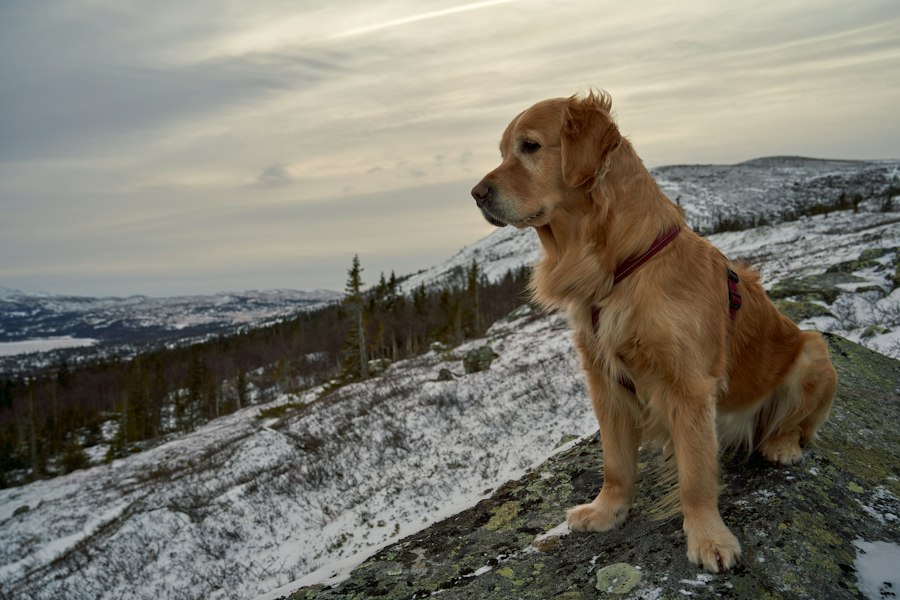
Beyond just companionship, dogs offer practical advantages in a winter survival scenario. Their senses and physical capabilities can be a significant asset, but you need to understand their limits.
Scouting and Navigation Aids
A dog’s nose and ears are far superior to ours, and this can be leveraged for survival.
- Scent Tracking: Dogs can often detect prey or potential hazards long before you can. They might pick up the scent of a hidden rabbit under the snow or the distant presence of a dangerous animal.
- Warning Systems: A dog’s alertness can serve as an early warning system for approaching weather changes, predators, or even unstable ice. A change in their behavior – increased nervousness, growling, or whining – is a signal to pay attention.
- Trail Breaking: In deep snow, a dog that’s less bothered by the cold can sometimes lead the way, breaking a trail that makes it easier for you to follow. However, this can be exhausting for them, so don’t overdo it.
Carrying and Hauling
If you have a larger, well-conditioned dog, they can potentially help carry supplies. This is where you need to be realistic about their capabilities and the load.
- Sled Dogs: Historically, sled dogs were essential for transporting goods and people across vast, frozen distances. This requires specialized training and equipment.
- Pack Dogs: Even without a sled, a dog can carry a modest pack. This could include food, water, or other essential gear. Ensure the pack is balanced and doesn’t chafe. Never overload your dog; it’s a recipe for injury. A good rule of thumb is no more than 25% of their body weight for short distances, and less for extended periods.
- Assisting with Gear: In a pinch, a strong dog might be able to help drag a lighter load, like a small sledge or a bundle of firewood. This is best for short bursts and with their willing participation.
Monitoring for Hazards
Dogs are often more sensitive to environmental changes than humans.
- Ice Stability: Dogs may instinctively avoid areas of thin ice. If your dog seems hesitant or refuses to cross a frozen surface, trust their judgment.
- Avalanche Awareness: While not foolproof, dogs can sometimes sense vibrations or changes in the snowpack that might indicate avalanche risk. Their unease can be an important cue.
- Predator Detection: A dog’s barking or agitation can alert you to the presence of larger predators, giving you time to react or avoid a confrontation.
Maintaining Health and Morale: The Dog’s Wellbeing is Yours
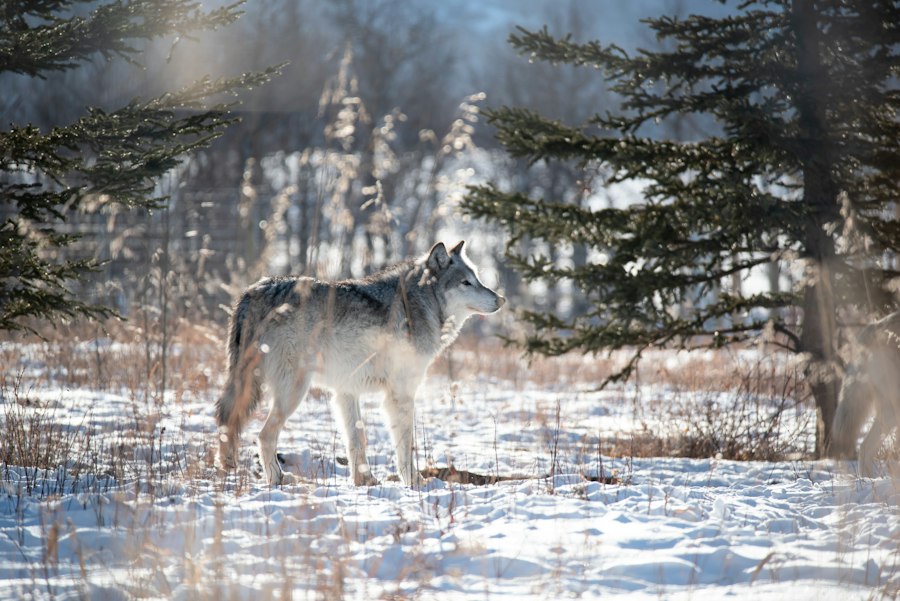
A sick or injured dog is a massive liability in a survival situation. Their physical health directly impacts your ability to survive, and their morale is crucial for your own mental fortitude.
Recognizing and Treating Winter Ailments
Just like humans, dogs are susceptible to cold-related issues. Being able to identify and address them quickly can be life-saving.
- Hypothermia: Symptoms include shivering, lethargy, weakness, and a reluctance to move. In severe cases, breathing becomes shallow and pulse slows. Get your dog into a warm, dry environment immediately. If possible, use your body heat and warm, dry blankets. Offer warm (not hot) liquids.
- Frostbite: This usually affects extremities like ears, tail, and paws. Look for pale or gray skin, and cold, stiff tissue. Gently warm the affected area with lukewarm water or your body heat. Do not rub. Seek veterinary care if possible, but in a primitive scenario, focus on gentle rewarming and preventing further damage.
- Dehydration: Even in the cold, dogs can become dehydrated. Keep an eye on their energy levels and gum moisture.
- Injuries: Sprains, cuts, and broken bones are more likely in slippery or rough terrain. Learn basic canine first aid. For minor cuts, clean them with boiled and cooled water and use a clean bandage. For more serious injuries, stabilization is key until you can get professional help.
The Importance of Rest and Recovery
A tired dog is an inefficient and vulnerable dog.
- Adequate Sleep: Ensure your dog has a warm, dry place to sleep undisturbed. They need just as much, if not more, rest than you in cold conditions to conserve energy.
- Warmth During Rest: Never let your dog sleep directly on snow or ice, even if they have a thick coat. Create a raised bed or a thick layer of insulating material.
- Dryness: Wet fur loses its insulating properties quickly. If your dog gets wet, dry them as thoroughly as possible as soon as you can.
Mental Fortitude: Your Dog’s Emotional State
Your dog relies on you for comfort and reassurance. Their anxiety or fear can be contagious, impacting your own ability to stay calm and focused.
- Routine and Predictability: While survival is chaotic, try to maintain some semblance of routine for feeding, rest, and activity. This provides a sense of security.
- Positive Reinforcement: Even in a tough situation, praise and gentle interaction can go a long way. Your calm demeanor will help your dog stay calm.
- Play and Distraction: Short periods of play, if conditions allow, can be excellent for morale, both for you and your dog. It helps release tension and reminds you of the joy in your partnership.
Understanding the Bond: Beyond Utility
The relationship between a human and their dog in a survival situation transcends mere utility. It’s a deep, primal bond forged in mutual reliance and shared experience. This is where the “loyal companion” aspect truly shines.
Trust and Dependability
In a world where everything else can be uncertain, the unwavering presence of your dog can be a profound source of stability. They depend on you for everything, and in turn, their presence provides comfort, warmth, and a sense of shared purpose.
- Emotional Support: When you’re cold, scared, or discouraged, your dog’s presence can be a powerful antidote. Their simple act of lying next to you, or nudging your hand, can make a significant difference.
- Shared Responsibility: Knowing that you are responsible for another living being can be a powerful motivator to keep going, to find that extra bit of strength.
- Communication Beyond Words: Dogs are masters of reading body language and vocal cues. They understand your stress, your fear, and your determination, often responding in ways that are deeply reassuring.
The Co-Evolutionary Advantage
It’s worth remembering that dogs and humans have evolved together for thousands of years, specifically in challenging environments. Arctic communities relied heavily on sled dogs for transportation and survival in extreme cold. This isn’t a new phenomenon; it’s a continuation of an ancient partnership.
- Ancient Adaptations: The traits that make dogs excellent companions in harsh conditions – their stamina, their ability to endure cold, their strong social bonds with humans – are the result of millennia of co-evolution.
- Mutual Benefit: This partnership was, and remains, mutually beneficial. Humans provided food, shelter, and companionship, while dogs provided hunting assistance, protection, and invaluable help in navigating and surviving difficult terrains and climates.
A Constant in the Chaos
When faced with the overwhelming challenges of a primitive winter, the familiar and loving presence of your dog can be a grounding force. They are a constant, a reminder of home and connection, even when you are far from it. This shared journey strengthens the bond in ways that everyday life cannot replicate. Surviving together isn’t just about the physical act of staying alive; it’s about weathering the storm, both external and internal, side-by-side.
As the harsh winds of a primitive winter howl outside, the warmth of a loyal companion can make all the difference in surviving the cold. The bond between humans and their faithful pets has been a source of comfort and strength throughout history, especially during challenging times. For those interested in exploring how companionship shapes our experiences, a fascinating read can be found in this article about the evolution of exploration and the role of companionship in overcoming adversity. You can check it out here.
Practical Skills for a Two-Person (and Four-Legged) Survival
| Metric | Description | Value | Unit |
|---|---|---|---|
| Companion Type | Type of loyal companion during winter | Dog | N/A |
| Average Body Temperature | Typical body temperature maintained by companion | 38.5 | °C |
| Fur Insulation Thickness | Thickness of fur providing insulation | 3 | cm |
| Daily Food Intake | Amount of food consumed daily to maintain energy | 1500 | kcal |
| Average Loyalty Rating | Estimated loyalty level based on behavior | 9 | Scale 1-10 |
| Companionship Hours | Average hours spent together daily | 12 | hours |
| Survival Assistance | Tasks performed to aid survival (e.g., hunting, alerting) | Hunting, Alerting | N/A |
Beyond just having a dog with you, there are specific skills you’ll want to hone that directly involve your canine partner in a winter survival context. These aren’t just for theoretical scenarios; they’re practical applications of the bond.
Training for the Wild
Basic obedience is essential, but winter survival calls for specific training.
- “Stay” and “Come”: These are critical for safety. A dog that can be reliably called back to you or made to stay put when you’re navigating dangerous terrain or hunting is invaluable.
- Leave It: This is vital for preventing your dog from eating something toxic or chasing dangerous wildlife.
- Retrieving: If your dog can retrieve, it can be used for fetching dropped items, bringing back small game, or even carrying a light rope.
- Working in Harness (Optional but Beneficial): For larger, strong dogs, training them to work in a harness, even for pulling a very light load or breaking trail, can be a significant advantage.
First Aid Skills Tailored to Canines
You are your dog’s vet in a primitive survival situation.
- Wound Care: Knowing how to clean, bandage, and treat common injuries like cuts, abrasions, and punctures is crucial.
- Recognizing Internal Issues: While you can’t treat everything, being able to identify signs of internal bleeding, shock, or serious illness can help you make critical decisions about moving or resting.
- Paw Care Essentials: As mentioned, regular paw checks and knowledge of how to treat ice balls, cuts, and frostbite are non-negotiable.
- Basic Hydration and Nutrition Management: Understanding their needs and how to meet them when resources are scarce is key.
Communication and Intuition
This is perhaps the most advanced, yet most profound, skill. Learning to interpret your dog’s subtle cues is a form of communication that can save lives.
- Body Language: Beyond barking, a dog’s posture, ear position, tail carriage, and vocalizations all tell a story. Learning to read these nuances will help you understand their needs, fears, and perceptions of their environment.
- Pre-emptive Action: If your dog is consistently agitated by a certain direction or area, investigate. Their instincts are often sharper than our own when it comes to potential dangers.
- Trusting Your Dog’s Instincts: Sometimes, your dog will balk at crossing a certain area or will repeatedly signal unease. In a survival situation, it’s often wiser to trust their intuition than to push forward blindly. This isn’t about anthropomorphizing; it’s about recognizing their sensory input and learned behaviors.
This partnership, built on thousands of years of shared existence and mutual dependency, transforms a solo struggle for survival into a collaborative effort. Your loyal companion isn’t just there for warmth or company; they are an integral part of your survival strategy in the harshest of winters.

Life 20,000 Years Ago | When Your Ice Age Family Can’t Feed the Dog
FAQs
What role did loyal companions play during primitive winters?
Loyal companions, often in the form of domesticated animals like dogs, played a crucial role during primitive winters by providing warmth, protection, and assistance in hunting and gathering food. Their presence helped humans survive harsh conditions by offering companionship and emotional support, which was vital for mental well-being during long, cold months.
How did early humans care for their loyal companions during winter?
Early humans took various measures to care for their loyal companions during winter, including building shelters to protect them from the cold and providing food through hunting or gathering. They often shared their resources, ensuring that their companions had enough to eat and a warm place to rest, fostering a mutually beneficial relationship.
What types of animals were commonly considered loyal companions in primitive societies?
In primitive societies, dogs were the most common loyal companions, valued for their loyalty, hunting skills, and ability to assist in herding livestock. Other animals, such as cats, were also kept for companionship and pest control, but dogs were the primary animals associated with survival and partnership during harsh winters.
How did the bond between humans and their companions evolve during winter months?
The bond between humans and their companions evolved significantly during winter months as both parties relied on each other for survival. This interdependence strengthened their relationship, leading to deeper emotional connections and the development of social behaviors that enhanced cooperation and communication between species.
What impact did loyal companions have on the survival of early human communities during winter?
Loyal companions had a profound impact on the survival of early human communities during winter by aiding in hunting, providing warmth, and offering protection against predators. Their ability to assist in various tasks allowed humans to conserve energy and focus on essential survival activities, ultimately increasing the chances of thriving through the winter months.