Life was a constant challenge for our Pleistocene ancestors, and the specter of starvation was an ever-present reality. It wasn’t just about finding food; it was about finding it consistently, managing unpredictable availability, and often competing with other hungry mouths, both human and non-human. Survival hinged on a deep understanding of the environment, incredible adaptability, and a willingness to exploit every possible resource.
The Unpredictable Pantry: Food Scarcity and Availability
The Pleistocene epoch, often called the Ice Age, wasn’t a monolithic block of ice. It was a period of dramatic climate swings, with glacial periods of intense cold interspersed with warmer interglacial periods. This climatic instability had a direct and profound impact on food availability. Imagine a world where the plants and animals you relied on could disappear or drastically change their distribution with little warning.
Seasons of Plenty and Famine
During warmer interglacial periods, ecosystems might have been more robust, supporting larger populations of prey animals. Forests might have expanded, offering more plant-based food sources. However, even these periods could be unpredictable. A particularly harsh winter, a drought, or a disease outbreak could decimate local animal populations, leaving human groups struggling.
The more common glacial periods presented an even greater challenge. Vast ice sheets covered significant portions of the globe, drastically altering landscapes and pushing many species towards extinction or forcing them into smaller, more fragmented habitats. Vegetation would have been sparse in many areas, and the available prey animals would have been adapted to colder conditions, often large and formidable. This meant that food sources weren’t just scarce; they were often harder to acquire and process.
The Ghost of Past Meals: Scavenging as a Strategy
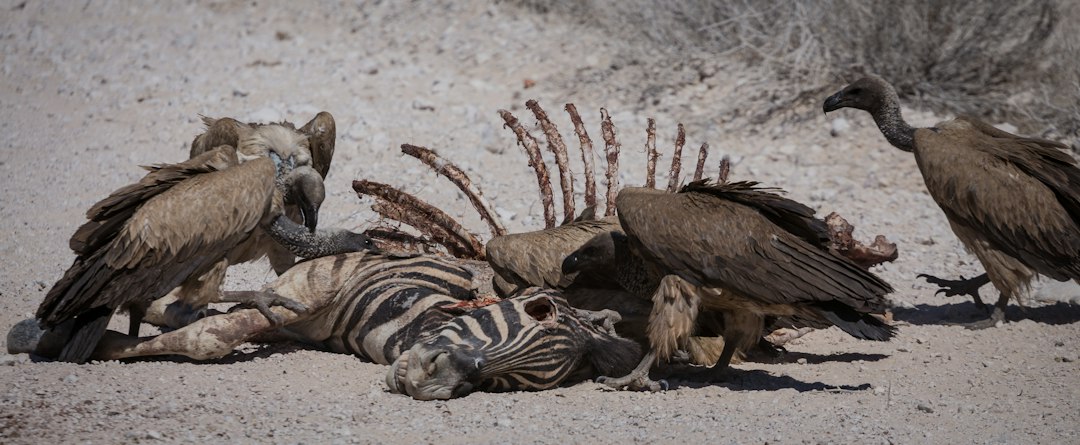
While hunting was undoubtedly a crucial part of the diet, new research suggests that scavenging was not a desperate last resort but a consistently valuable survival tactic. Think of it this way: why expend enormous energy and risk injury trying to bring down a mammoth when a saber-toothed cat or a dire wolf might have already done the hard work for you?
Our ancestors were likely adept at recognizing the signs of a fresh kill, whether it was the presence of carrion birds or the lingering scent of blood. They would have needed to be quick and assertive to claim their share before other scavengers, including other human groups, arrived. This strategy required a keen understanding of predator behavior and kill sites, and the ability to process carcasses efficiently to extract as much nutrition as possible before it spoiled or was claimed by others. The evidence of early humans in Italy butchering elephants, for instance, points to a sophisticated approach to utilizing large carcasses, not just for meat but likely for bones, marrow, and even hides.
During the Pleistocene epoch, early humans faced numerous challenges, including periods of starvation due to fluctuating climates and the availability of resources. This era, marked by the last Ice Age, forced our ancestors to adapt their hunting and gathering strategies to survive. For a deeper understanding of how ancient civilizations managed their resources and fortified their settlements against environmental challenges, you can explore the article on ancient city fortifications at Uncovering Ancient City Fortification Secrets. This resource provides insights into the resilience and ingenuity of human societies in the face of adversity.
Masters of the Hunt and the Haul: Diverse Prey and Hunting Techniques
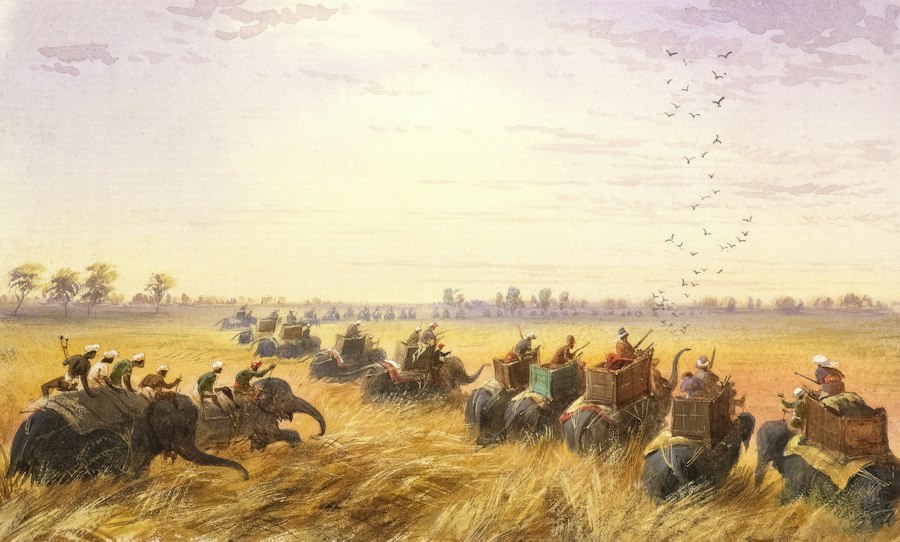
While scavenging provided a crucial safety net, humans were also formidable hunters. Their success wasn’t dependent on a single food source but on their ability to adapt their hunting strategies to a wide range of prey. This meant understanding the behavior, habitats, and vulnerabilities of various animals, from small game to the truly gigantic.
The Megafauna Feast: Risks and Rewards
The Pleistocene is famous for its megafauna – huge animals like mammoths, mastodons, giant ground sloths, and woolly rhinoceroses. These were incredibly valuable food resources, offering a substantial amount of meat, fat, and other nutrients that could sustain a group for a long time. However, hunting such animals was fraught with danger. A misstep could lead to serious injury or death from a charging mammoth or a swipe from a giant bear.
Successfully hunting megafauna would have required sophisticated planning, cooperative effort, and specialized tools. Evidence suggests that early humans used coordinated drives, ambushes, and potentially even traps to bring down these giants. The use of stone-tipped spears, thrown with force and accuracy, would have been essential. The butchering of these large animals would have also been a significant undertaking, requiring tools made from stone, bone, and antler to break through thick hides and heavy bones.
Beyond the Giants: A Broader Menu
It’s easy to focus on the mammoths and mastodons, but our ancestors weren’t solely reliant on these massive creatures. They also hunted smaller game like deer, horses, and bison, which might have been more readily available in certain environments and less risky to pursue. Furthermore, they would have hunted a variety of birds and collected eggs.
In regions like Argentina, research indicates that humans were utilizing diverse animal resources, including giant armadillos. This demonstrates a flexibility in their diet, adapting to whatever the local ecosystem provided. They weren’t picky eaters; they were pragmatic survivors, taking advantage of every edible creature within reach. This broad dietary strategy was vital for buffering against the unpredictable fluctuations in the availability of any single prey species.
The Tools of Survival: Technology and Ingenuity
Survival in the Pleistocene wasn’t just about brawn; it was about brains and the clever use of tools. The development and refinement of stone tool technology were fundamental to overcoming the challenges of acquiring and processing food, as well as for defense and shelter.
Sharpening the Edge: Lithic Technology
Stone tools were the bedrock of Pleistocene technology. From simple choppers and handaxes to more sophisticated bifaces and blades, these tools allowed early humans to butcher carcasses efficiently, cut through tough hides, scrape bones for marrow, and even shape wood and bone for other purposes. The quality and complexity of stone tools evolved over time, reflecting increasing knowledge and skill.
The process of creating these tools, known as knapping, required a deep understanding of stone properties and precise control. Different types of stone, like flint, chert, and obsidian, were preferred for their flaking qualities. The ability to create sharp edges and sturdy tools was directly linked to the ability to extract nutrients from food sources that would otherwise be inaccessible. For example, sharp stone tools would have been essential for cutting meat from bones and for skinning animals to utilize their hides.
Beyond Stone: Working with Bone and Wood
While stone tools are the most enduring evidence we have, it’s highly probable that early humans also made extensive use of organic materials like wood, bone, and antler. These materials could be fashioned into spears, digging sticks, containers, and even early forms of needles for sewing hides to create clothing. The ability to work with these materials would have expanded their hunting capabilities, allowed for more efficient food processing, and contributed to their overall resilience in a challenging environment. Imagine crafting a sturdy spear for hunting or a wooden digging stick to unearth edible roots. These were not trivial innovations; they were critical for survival.
Adapting to a Changing World: Climate and Ecosystem Fluctuations
The Pleistocene was not a static environment. It was a period of dynamic change, with dramatic shifts in climate that reshaped landscapes and altered the availability of resources. For our ancestors, this meant constant adaptation. The ability to respond to these environmental challenges was a key factor in their survival.
The Glacial Grind: Cold and Resource Depletion
The advance and retreat of glaciers had a profound impact on Pleistocene ecosystems. During glacial periods, vast ice sheets would expand, leading to significant drops in global temperatures and changes in precipitation patterns. This could result in the expansion of tundra and steppe environments in some areas, while others might have experienced increased aridity.
These climatic shifts could lead to the decline or disappearance of certain plant and animal species, making traditional food sources scarce. A 1.1-million-year-old cooling event, for example, is hypothesized to have contributed to the demise of early human populations in Europe by severely limiting food resources due to extreme cold. Surviving these periods required not only resilience in the face of cold but also the ability to find new food sources and adapt hunting and foraging strategies to the prevailing conditions.
The Warming Trend: Opportunities and New Threats
Interglacial periods, while generally warmer, also presented challenges. These could be characterized by increased rainfall and the expansion of forests in some regions, which might have brought new types of game and plant life. However, warmer periods could also lead to increased competition for resources as more species, including other human groups, thrived.
Furthermore, rapid warming events could disrupt established ecosystems, leading to the spread of new diseases or the decline of species adapted to cooler climes. The research showing saber-toothed cats not starving before their extinction suggests that ecosystem collapses weren’t always driven by straightforward resource scarcity for all species. This implies complex interactions within the environment, where shifts could benefit some and threaten others, including humans. Our ancestors had to be constantly monitoring their surroundings, recognizing changes, and adjusting their behavior accordingly.
Life during the Pleistocene epoch was marked by dramatic climate changes that significantly impacted the availability of food sources, often leading to starvation among early human populations. As they adapted to their environments, these early humans developed various survival strategies, which are explored in detail in a related article that discusses how paleoclimate data can help us understand ancient civilizations. For more insights on this fascinating topic, you can read the article here.
The Social Fabric: Cooperation and Knowledge Transfer
| Metric | Details |
|---|---|
| Time Period | 2.58 million to 11,700 years ago |
| Climate Conditions | Repeated glacial cycles causing fluctuating food availability |
| Common Causes of Starvation | Harsh winters, droughts, reduced vegetation, overhunting |
| Impact on Human Populations | Increased migration, development of hunting tools, dietary diversification |
| Animal Adaptations | Migration, hibernation, fat storage, dietary shifts |
| Starvation Survival Strategies | Scavenging, cooperative hunting, food caching |
| Estimated Starvation Duration | Days to weeks depending on resource availability |
| Effects on Ecosystems | Population declines, shifts in predator-prey dynamics |
Survival in the Pleistocene was rarely a solitary endeavor. The complex challenges of acquiring food, defending against predators, and navigating harsh environments necessitated cooperation and the sharing of knowledge.
Strength in Numbers: The Power of the Group
Hunting large game, especially the megafauna, would have been incredibly difficult, if not impossible, for individuals working alone. Coordinated group hunts, where individuals played specific roles, were essential for success. This required communication, trust, and a shared understanding of tactics.
Beyond hunting, groups would have benefited from collective defense against predators. A larger, coordinated group could deter threats that would overwhelm a single individual or a small family unit. Sharing food resources within the group also acted as an insurance policy against individual hunting failures or periods of scarcity. If one person or family had a poor day of foraging, they could rely on the contributions of others.
Passing Down the Lore: Learning and Innovation
The knowledge required for Pleistocene survival was complex and diverse. It included understanding animal behavior, identifying edible plants and their seasonal availability, knowing how to fashion and use tools, recognizing dangerous weather patterns, and navigating the landscape. This knowledge wasn’t innate; it had to be learned and passed down through generations.
Oral traditions, observation, and direct mentorship would have been crucial for transmitting this vital information. The elders and experienced individuals within a group would have held a wealth of knowledge that could mean the difference between life and death for younger generations. As environments changed and new challenges arose, the ability to learn, innovate, and adapt these inherited skills was paramount. The Pleistocene was a testament to the power of human ingenuity, resilience, and the enduring strength of social bonds in the face of overwhelming odds.

Life 20,000 Years Ago | When Your Ice Age Family Can’t Feed the Dog
FAQs
What was the Pleistocene Epoch?
The Pleistocene Epoch, often referred to as the Ice Age, lasted from about 2.6 million to approximately 11,700 years ago. It was characterized by repeated glacial cycles where large parts of the Earth were covered by ice sheets, leading to significant changes in climate, sea levels, and ecosystems.
What were the primary causes of starvation during the Pleistocene?
Starvation during the Pleistocene was primarily caused by environmental factors such as extreme cold, which affected food availability, and the migration patterns of large herbivores that early humans relied on for sustenance. Additionally, competition for resources and changes in vegetation due to glacial advances contributed to food scarcity.
How did early humans adapt to survive starvation in the Pleistocene?
Early humans adapted to survive starvation by developing various strategies, including hunting and gathering diverse food sources, creating tools for hunting and processing food, and forming social groups for cooperative hunting. They also learned to exploit seasonal resources and migrate to areas with more abundant food supplies.
What role did megafauna play in the diet of Pleistocene humans?
Megafauna, such as mammoths, saber-toothed cats, and giant ground sloths, were crucial to the diet of Pleistocene humans. These large animals provided significant amounts of meat, fat, and other resources. The hunting of megafauna was a key survival strategy, but their eventual extinction due to climate change and human hunting practices led to increased food scarcity.
What evidence do we have of starvation in Pleistocene populations?
Evidence of starvation in Pleistocene populations comes from archaeological findings, including skeletal remains showing signs of malnutrition, such as reduced bone density and growth defects. Additionally, analysis of ancient tools and settlement patterns indicates periods of resource scarcity and reliance on alternative food sources during harsh climatic conditions.