This seems like a story you’re interested in, but it’s not something that’s popping up in the usual places like recent book releases, movie news, or even in gaming circles. If “Surviving the Ancient Fury: A Prehistoric Family’s Disaster Tale” is a real thing, it’s likely either brand new and hasn’t hit the radar yet, or it’s still in the works and not officially announced. Without more details on what kind of thing it is – a book, a movie, a game, or even a short article – it’s tough to pinpoint it.
Unearthing the Mystery: Where is This Tale?
It’s a curious situation when a title doesn’t readily appear in searches, especially when it sounds as compelling as a prehistoric family battling a disaster. You’d expect something with “ancient fury” and “disaster” to at least generate some buzz, whether it’s a gritty survival novel, a thrilling animated film, or perhaps even a thought-provoking game. However, when you dig into what’s being talked about in the realms of entertainment and literature, this specific story isn’t on the shelves or in the previews.
The Silence from the Shelves and Screens
Checking the latest announcements, reviews, and industry news for books, films, and series doesn’t bring up “Surviving the Ancient Fury: A Prehistoric Family’s Disaster Tale.” This goes for both current releases and what’s slated for the near future, like 2025 or 2026. It’s not showing up in library new release lists or in entertainment press coverage. This silence is quite telling; it suggests that if it exists, it’s not yet a widely publicized or released work.
No Echoes in the Digital Streams
Furthermore, searches through podcast descriptions, film databases, and streaming service previews for anything resembling a prehistoric family facing a disaster under this exact title have also come up empty. This reinforces the idea that this specific narrative isn’t currently a publicly available piece of media.
In exploring the resilience of families during prehistoric natural disasters, one can draw parallels to the intriguing mysteries surrounding ancient civilizations, such as the alignment of the Giza Pyramid. This article delves into the architectural marvels of the pyramids and their potential connections to astronomical events, which may have influenced the survival strategies of those who lived during that era. For a deeper understanding of how ancient societies adapted to their environments, you can read more in this related article: The Giza Pyramid Alignment Mystery.
What Does This Lack of Information Mean?
The absence of readily available information about “Surviving the Ancient Fury: A Prehistoric Family’s Disaster Tale” points to a few likely scenarios. It doesn’t necessarily mean the story doesn’t exist, but rather that its presence in the public sphere is limited or yet to happen.
The “Just Dropped” Scenario
One possibility is that this is a very new creation. Think of independent authors or small production studios. They might release their work quietly, and it can take some time for it to get indexed by major databases, reviewed by critics, or picked up by wider media. This is especially true for smaller projects that don’t have large marketing budgets. It might be out there, but it’s still on the fringe, waiting to be discovered.
The “Still in the Oven” Scenario
Another strong contender is that “Surviving the Ancient Fury: A Prehistoric Family’s Disaster Tale” is still in development. It could be a working title, a project in the early stages of writing or production. In these phases, details are often kept under wraps. Creators might be refining the story, seeking funding, or still assembling their team. Until it’s ready for a formal announcement or release, it wouldn’t appear in news feeds or catalogs.
What’s Happening in the Prehistoric and Disaster Genres?
While this specific title might be a ghost for now, the broader themes it suggests – prehistoric life and disaster – are certainly alive and well in the news and in creative works. It’s just that the focus is on different aspects or under different names.
Science’s Ancient Warnings
Much of the recent news related to prehistoric times and disasters centers on scientific discoveries. Researchers are constantly unearthing new fossils, piecing together ancient climate patterns, and investigating the evidence of colossal prehistoric events like volcanic eruptions. These scientific findings often make headlines, painting a picture of the Earth’s dramatic past, but they are factual accounts, not fictional narratives.
The Breadth of Disaster Narratives
In the world of entertainment, disaster stories are a perennial favorite. You’ll find plenty of films and books about impending apocalypses, natural calamities, and the human struggle to survive them. However, when you look for prehistoric settings, the focus tends to be on survival against the elements, megafauna, or tribal conflicts, rather than a singular, specific “disaster tale” with that particular title.
Why More Information is Key
To give you a more precise answer about “Surviving the Ancient Fury: A Prehistoric Family’s Disaster Tale,” it would be incredibly helpful to know a bit more about its origin. The medium it belongs to can dramatically change where we’d look for information.
Is it a Book, Film, or Something Else?
If it’s a book, knowing the author’s name would allow for a deeper dive into publishing databases and literary agent listings. If it’s a film or television series, the director, studio, or even a key actor could provide the necessary clues to track down its status. Even if it’s a video game or a piece of interactive fiction, that context would open up different avenues for research.
Refining the Search with Specifics
Without these identifiers, searching becomes like looking for a specific pebble on a vast beach. Providing details like “it’s a novel by [author name],” or “it’s a documentary in development,” or “it’s an indie game from [developer],” would significantly narrow down the search and allow for a more targeted investigation into specialized industry or catalog sources.
In the realm of prehistoric survival stories, one captivating account is that of a family navigating the challenges posed by natural disasters, showcasing their resilience and ingenuity. Their journey mirrors the incredible skills of ancient seafarers, who relied on their knowledge of the stars and ocean currents to find their way across vast distances. For a deeper understanding of such navigation techniques, you can explore this insightful article on Polynesian wayfinding, which highlights the remarkable abilities of these early explorers. Discover more about their methods here.
Navigating the Unknown
| Metric | Data/Value | Description |
|---|---|---|
| Disaster Type | Volcanic Eruption | Primary natural disaster affecting the family |
| Family Members | 5 | Number of individuals in the prehistoric family |
| Survival Duration | 3 Weeks | Time family survived post-disaster in harsh conditions |
| Food Sources | Wild Plants, Small Game | Types of food gathered and hunted for survival |
| Water Source | Nearby Stream | Primary water source used by the family |
| Injuries Sustained | 2 Minor Cuts | Number and severity of injuries during disaster |
| Shelter Type | Cave | Natural shelter used for protection |
| Fire Usage | Yes | Use of fire for warmth and cooking |
| Communication Method | Gestures and Sounds | Means of communication among family members |
| Outcome | Survived and Relocated | Final status of the family after the disaster |
For now, “Surviving the Ancient Fury: A Prehistoric Family’s Disaster Tale” remains an enigma in the public domain. The absence of its appearance in recent news, literary catalogs, or entertainment previews suggests it’s either a very new indie project that hasn’t been widely indexed yet, or it’s a concept still in its formative stages. The world of prehistoric survival and disaster is rich with stories, but this particular one hasn’t made its grand entrance into public awareness. If you happen to have any more details about its creator or intended medium, that might just be the key to unlocking its story.
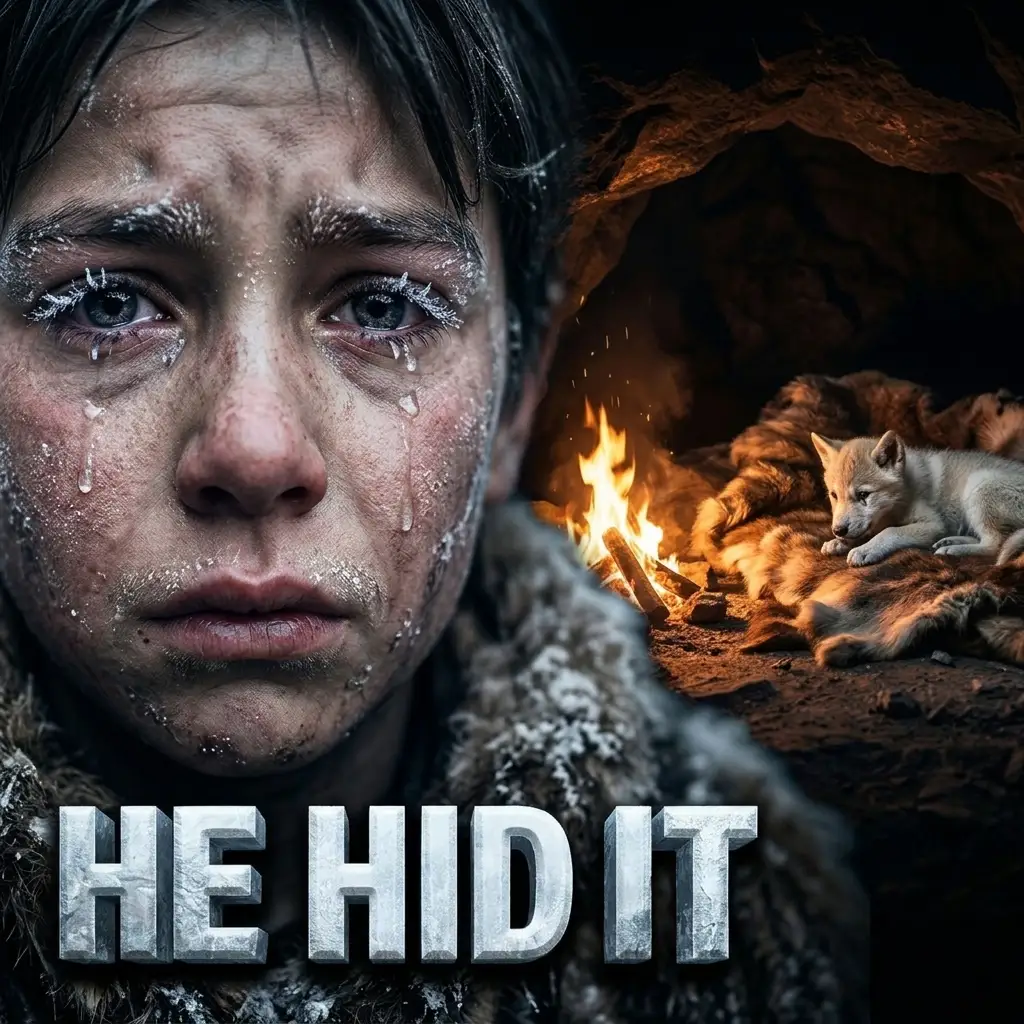
Life 20,000 Years Ago | When Your Ice Age Family Can’t Feed the Dog
FAQs
What types of natural disasters did prehistoric families face?
Prehistoric families faced various natural disasters, including volcanic eruptions, earthquakes, floods, and severe storms. These events could drastically alter their environment, affecting their food sources and living conditions.
How did prehistoric families prepare for natural disasters?
Prehistoric families likely developed survival strategies based on their experiences and observations. They may have identified safe locations, gathered resources, and created shelters to protect themselves from potential disasters.
What role did community play in survival during disasters?
Community cooperation was crucial for survival during natural disasters. Families would band together to share resources, knowledge, and labor, increasing their chances of survival and recovery after a disaster struck.
What evidence do we have of prehistoric families surviving natural disasters?
Archaeological findings, such as remnants of shelters, tools, and food storage, provide evidence of how prehistoric families adapted to and survived natural disasters. Additionally, oral traditions and cave paintings may depict their experiences and responses to such events.
How did natural disasters impact the evolution of prehistoric societies?
Natural disasters likely influenced the evolution of prehistoric societies by prompting migrations, changes in settlement patterns, and the development of new technologies for survival. These challenges may have driven innovation and social cohesion among groups.