
Fiscal crises have affected numerous regions globally, presenting challenges for governments, citizens, and economic analysts. These crises are defined by substantial budget deficits and debt levels that exceed sustainable thresholds. Contributing factors include economic recessions, inefficient resource allocation, and unexpected international developments.
When governments cannot maintain balanced budgets, the effects extend throughout society, impacting public service delivery and individual economic circumstances. Addressing these financial challenges requires immediate attention, as they can undermine community stability and resident welfare. Recent global events, including pandemics and geopolitical conflicts, have intensified fiscal pressures.
These developments have strained government budgets and exposed weaknesses in current economic frameworks. Governments face the dual challenge of meeting immediate public needs while maintaining long-term fiscal viability. The effects of these crises are becoming more evident as they unfold.
Developing comprehensive approaches to manage these financial difficulties is essential, as delayed action may result in extended periods of economic instability and public hardship.
Key Takeaways
- Fiscal crisis leads to significant budget cuts and austerity measures affecting public services.
- Increased unemployment and economic downturn strain local government finances.
- Housing instability and rising homelessness become critical issues.
- Education, healthcare, and small businesses face severe challenges.
- Recovery strategies focus on sustainable economic growth and restoring public trust.
Impact on Public Services
The impact of the fiscal crisis on public services has been profound and far-reaching. As governments face mounting financial pressures, essential services such as healthcare, education, and infrastructure maintenance often bear the brunt of budget cuts. Citizens who rely on these services find themselves grappling with reduced access and diminished quality.
For instance, hospitals may struggle to maintain adequate staffing levels or provide necessary medical equipment, leading to longer wait times and compromised patient care. Similarly, schools may face overcrowded classrooms and limited resources, hindering students’ educational experiences. Moreover, the strain on public services can exacerbate existing inequalities within society.
Vulnerable populations, including low-income families and marginalized communities, often depend heavily on government support. When fiscal constraints lead to service reductions, these groups are disproportionately affected, further widening the gap between those who have access to resources and those who do not. The erosion of public services not only diminishes the quality of life for many but also undermines social cohesion and trust in government institutions.
Budget Cuts and Austerity Measures
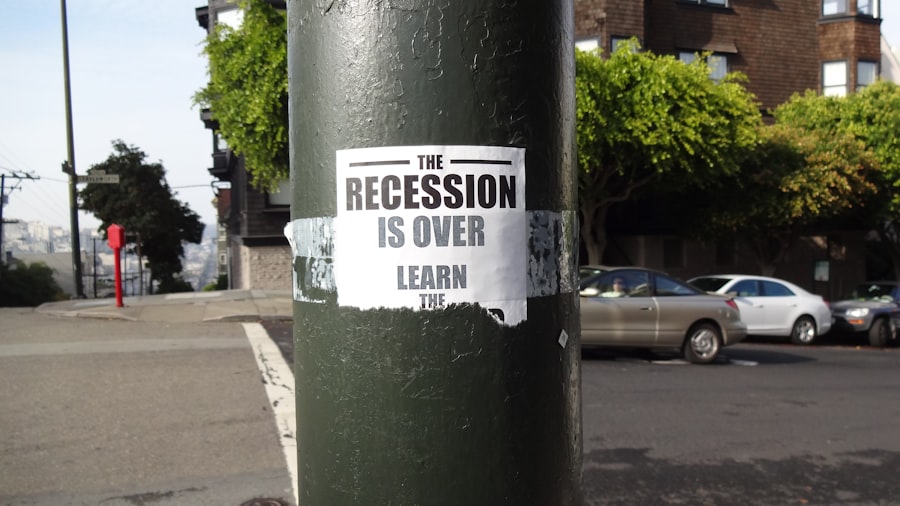
In response to the fiscal crisis, many governments have resorted to budget cuts and austerity measures as a means of regaining financial stability. These measures often involve slashing funding for various programs and services, which can have immediate and long-lasting effects on communities. While proponents argue that austerity is necessary to restore fiscal health, critics contend that such measures disproportionately impact those who are already vulnerable.
The debate surrounding austerity highlights the tension between fiscal responsibility and social equity. Budget cuts can manifest in various ways, from reduced funding for public transportation to layoffs of essential workers in healthcare and education. As local governments tighten their belts, the consequences become evident in the form of deteriorating infrastructure and diminished public safety.
Citizens may find themselves facing longer commutes due to cutbacks in transit services or reduced police presence in their neighborhoods. The ripple effects of these austerity measures can create a cycle of decline that is difficult to reverse, as communities struggle to recover from the loss of vital services.
Unemployment and Economic Downturn
The fiscal crisis has also contributed to rising unemployment rates and a broader economic downturn. As businesses face increased taxes and reduced consumer spending due to budget cuts, many are forced to downsize or close altogether. This creates a vicious cycle where job losses lead to decreased economic activity, further exacerbating the fiscal challenges faced by governments.
The resulting unemployment not only affects individuals and families but also places additional strain on social safety nets that are already stretched thin. The economic downturn resulting from the fiscal crisis can have long-term implications for workforce development and community resilience. With fewer job opportunities available, individuals may struggle to find stable employment, leading to increased reliance on government assistance programs.
This situation can create a sense of hopelessness among those affected, as they grapple with uncertainty about their financial futures. The challenge for policymakers lies in finding ways to stimulate economic growth while addressing the immediate needs of those impacted by rising unemployment.
Strain on Local Government Finances
| City | Year of Crisis | Debt Amount (in billions) | Unemployment Rate (%) | Population (millions) | Key Causes | Resolution Measures |
|---|---|---|---|---|---|---|
| Detroit, MI | 2013 | 18.5 | 16.7 | 0.67 | Decline in auto industry, population loss, pension liabilities | Bankruptcy filing, pension restructuring, asset sales |
| New York, NY | 1975 | 14.0 | 10.0 | 7.9 | Budget deficits, declining tax revenues, economic recession | Federal loan guarantees, budget cuts, tax increases |
| Philadelphia, PA | 1991 | 1.2 | 12.5 | 1.5 | Declining manufacturing base, high debt, pension costs | State intervention, budget restructuring, layoffs |
| Chicago, IL | 2015 | 8.0 | 9.0 | 2.7 | Underfunded pensions, high debt, declining tax base | Debt refinancing, pension reforms, spending cuts |
| San Bernardino, CA | 2012 | 0.45 | 14.0 | 0.22 | Housing market collapse, high unemployment, budget deficits | Bankruptcy filing, state oversight, service reductions |
Local governments are often on the front lines when it comes to managing the impacts of a fiscal crisis. As they rely heavily on property taxes and state funding, any downturn in the economy can lead to significant revenue shortfalls. This strain on local finances can result in difficult decisions regarding service delivery and community investment.
In many cases, local governments are forced to make tough choices about which programs to prioritize, often leading to cuts in essential services that directly affect residents’ quality of life. The financial strain experienced by local governments can also hinder their ability to respond effectively to emerging challenges. For instance, when budgets are tight, local authorities may struggle to invest in infrastructure improvements or public safety initiatives.
This lack of investment can create a cycle of decline that is difficult to break, as deteriorating conditions further erode public trust and community engagement. As local governments navigate these financial challenges, they must also consider innovative solutions that can help them maintain essential services while working toward long-term fiscal sustainability.
Housing and Homelessness

The fiscal crisis has had a profound impact on housing markets and homelessness rates across many regions. As budgets tighten and funding for affordable housing initiatives dwindles, more individuals and families find themselves at risk of losing their homes. The rising cost of living combined with stagnant wages creates a perfect storm for housing instability, pushing vulnerable populations into precarious situations.
The increase in homelessness not only represents a humanitarian crisis but also poses significant challenges for local governments tasked with addressing this issue. Moreover, the lack of affordable housing options can lead to increased competition for limited resources among those in need. As more individuals seek assistance, shelters become overcrowded, and support services struggle to keep pace with demand.
This situation can create a sense of desperation among those affected by homelessness, further complicating efforts to provide effective solutions. Addressing the housing crisis requires a multifaceted approach that includes increased investment in affordable housing development, supportive services for those experiencing homelessness, and policies aimed at preventing eviction.
Effects on Education and Healthcare
The fiscal crisis has far-reaching implications for both education and healthcare systems. In many regions, budget cuts have led to reduced funding for schools, resulting in larger class sizes, fewer resources for teachers, and diminished extracurricular opportunities for students. The long-term effects of these cuts can hinder educational attainment and limit future opportunities for young people.
As schools struggle to provide quality education amidst financial constraints, the disparities between affluent districts and those with fewer resources become increasingly pronounced. Similarly, healthcare systems face significant challenges as a result of budgetary pressures. Hospitals may be forced to reduce services or lay off staff, leading to longer wait times for patients and decreased access to essential care.
Preventive services may also suffer as funding is redirected toward immediate needs rather than long-term health initiatives.
Rising Crime Rates
The fiscal crisis has been linked to rising crime rates in many communities as economic instability breeds desperation among individuals facing financial hardship. As unemployment rises and social services dwindle, some individuals may turn to crime as a means of survival. This increase in criminal activity can create a cycle of fear within communities, leading residents to feel unsafe in their neighborhoods.
The strain on law enforcement agencies further complicates this issue; with limited resources available for policing and crime prevention initiatives, communities may find it challenging to address rising crime effectively. Moreover, the relationship between economic downturns and crime rates underscores the importance of addressing underlying social issues that contribute to criminal behavior. Investing in community programs that provide support for at-risk individuals can help mitigate some of the factors that lead to crime.
By focusing on prevention rather than solely punitive measures, communities can work toward creating safer environments while addressing the root causes of criminal activity.
Challenges for Small Businesses
Small businesses often bear the brunt of economic downturns associated with fiscal crises. As consumer spending declines due to budget cuts and rising unemployment rates, many small enterprises struggle to stay afloat. These businesses are typically more vulnerable than larger corporations due to limited financial reserves and access to capital.
Consequently, when faced with declining revenues, small businesses may be forced to make difficult decisions regarding staffing levels or even closure. The challenges faced by small businesses during a fiscal crisis extend beyond immediate financial concerns; they also impact local economies as a whole. Small businesses play a crucial role in job creation and community development; their decline can lead to further economic stagnation within neighborhoods.
Supporting small businesses through targeted assistance programs or incentives can help foster resilience within local economies while promoting entrepreneurship as a means of recovery.
Strategies for Recovery
In light of the challenges posed by the fiscal crisis, developing effective strategies for recovery is essential for communities seeking stability and growth. Policymakers must prioritize investments in infrastructure projects that create jobs while enhancing public services. By focusing on initiatives that stimulate economic activity—such as improving transportation networks or investing in renewable energy—governments can lay the groundwork for long-term recovery.
Additionally, fostering collaboration between public and private sectors can yield innovative solutions that address pressing issues such as housing affordability or workforce development. Engaging community stakeholders in decision-making processes ensures that recovery efforts are tailored to meet local needs while promoting inclusivity. By adopting a holistic approach that considers social equity alongside economic growth, communities can work toward building resilience in the face of future challenges.
Conclusion and Future Outlook
The fiscal crisis presents significant challenges that require urgent attention from policymakers at all levels of government. As communities grapple with the consequences of budget cuts and economic downturns, it is crucial to prioritize strategies that promote recovery while addressing underlying social issues. The path forward will not be easy; however, by fostering collaboration among stakeholders and investing in sustainable solutions, communities can emerge stronger from this crisis.
Looking ahead, it is essential for governments to learn from past experiences and adopt proactive measures that prevent future fiscal crises from occurring. By prioritizing transparency in budgeting processes and ensuring equitable access to resources, policymakers can build trust within communities while promoting long-term stability. Ultimately, navigating the complexities of the fiscal crisis will require resilience, innovation, and a commitment to fostering inclusive growth for all members of society.
In recent years, several major U.S. cities have faced significant fiscal crises, leading to budget cuts and service reductions that impact residents’ quality of life. A related article that delves into the financial struggles of urban areas and their implications can be found at this link. This piece provides an in-depth analysis of the factors contributing to these fiscal challenges and explores potential solutions for recovery.
WATCH THIS! 🚨 Chicago’s Fiscal Cliff: Why America’s First City Is About to Fall
FAQs
What is a fiscal crisis in the context of major US cities?
A fiscal crisis in major US cities refers to a situation where a city faces severe financial difficulties, including budget deficits, inability to meet debt obligations, and challenges in funding essential public services.
What are common causes of fiscal crises in major US cities?
Common causes include declining tax revenues due to economic downturns, increased pension and healthcare costs, mismanagement of funds, reduced federal or state aid, and unexpected expenses such as natural disasters.
Which major US cities have experienced fiscal crises?
Cities such as Detroit, Chicago, New York City, and Philadelphia have experienced fiscal crises at various times, often requiring state intervention or federal assistance to stabilize their finances.
How do fiscal crises impact residents of affected cities?
Fiscal crises can lead to cuts in public services like education, public safety, and infrastructure maintenance, increased taxes or fees, layoffs of city employees, and reduced investment in community programs.
What measures can cities take to address a fiscal crisis?
Cities may implement budget cuts, restructure debt, renegotiate labor contracts, increase taxes or fees, seek state or federal aid, and pursue economic development initiatives to increase revenue.
What role does state or federal government play during a city’s fiscal crisis?
State or federal governments may provide financial assistance, impose oversight or control over city finances, and offer technical support to help cities develop recovery plans.
Can fiscal crises in cities affect the broader economy?
Yes, fiscal crises can impact the broader economy by reducing consumer spending, lowering investor confidence, and potentially increasing borrowing costs for other municipalities.
How can fiscal crises be prevented in major US cities?
Prevention strategies include maintaining balanced budgets, building reserve funds, prudent debt management, transparent financial reporting, and proactive economic planning.