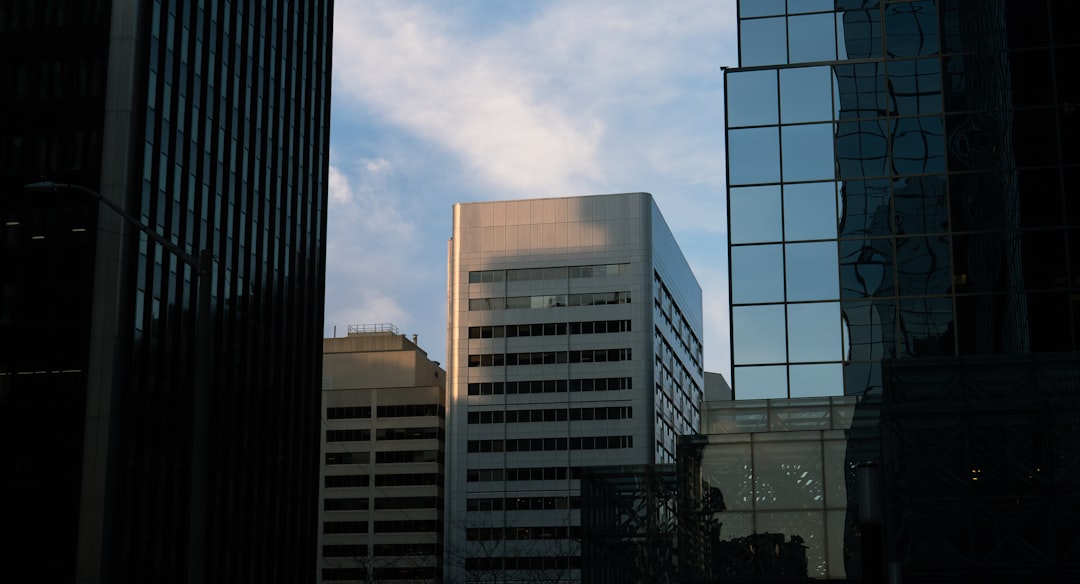
Downtown office vacancy rates have emerged as a critical indicator of urban economic health, drawing attention from urban planners, real estate experts, and business communities. The increasing empty office spaces in city centers raises legitimate concerns about downtown vitality in areas traditionally serving as economic engines. These vacancy statistics reflect fundamental changes in business operations and workplace practices.
A comprehensive understanding of these vacancy patterns is essential for stakeholders working to reinvigorate urban centers and stimulate economic development. Downtown office vacancy rates have substantial economic implications. Elevated vacancy levels often indicate economic decline, resulting in lower property valuations and diminished municipal tax collection.
In contrast, low vacancy rates typically reflect robust business activity, which attracts investment capital and encourages innovation. As municipalities confront vacancy rate fluctuations, it becomes necessary to identify the root causes of these trends and develop effective revitalization approaches.
Key Takeaways
- Downtown office vacancy rates have been rising due to multiple economic and social factors.
- Remote work trends significantly contribute to increased vacancies in downtown office spaces.
- Local businesses and the broader economy are negatively impacted by higher office vacancies.
- Strategies and solutions are being explored to attract tenants and revitalize downtown office areas.
- Experts predict continued changes in vacancy rates, emphasizing the need for proactive measures.
Factors Contributing to the Rise in Vacancy Rates
Several factors have converged to drive the rise in downtown office vacancy rates. One of the most prominent influences has been the shift toward remote work, accelerated by the COVID-19 pandemic. Many companies have adopted flexible work arrangements, allowing employees to work from home or other locations.
This shift has led to a reevaluation of office space needs, with many businesses downsizing or even vacating their downtown offices altogether. The result has been an oversupply of available office space, contributing significantly to rising vacancy rates. Additionally, economic fluctuations and uncertainties have played a role in this trend.
Businesses facing financial challenges may opt to reduce their physical footprint as a cost-saving measure. The increasing prevalence of co-working spaces and flexible office solutions has also altered the landscape, as companies seek more adaptable arrangements that do not require long-term commitments. These factors combined have created a perfect storm for downtown office vacancies, prompting a need for innovative solutions to attract tenants back to these spaces.
Impact on Local Businesses and Economy
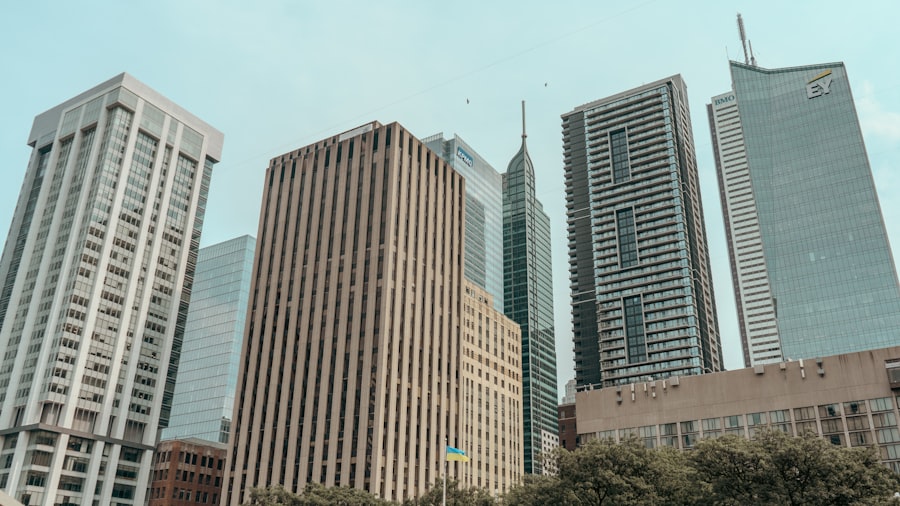
The rise in downtown office vacancy rates has far-reaching implications for local businesses and the overall economy. As office buildings sit empty, surrounding businesses—such as cafes, restaurants, and retail shops—experience a decline in foot traffic and patronage. This reduction in customers can lead to decreased sales and revenue for these establishments, creating a ripple effect that can harm the local economy.
The vibrancy of downtown areas often relies on the presence of a diverse mix of businesses that cater to office workers, and when vacancy rates rise, this ecosystem can be severely disrupted. Moreover, high vacancy rates can deter new businesses from entering the market. Potential investors may view vacant office spaces as a sign of economic instability or lack of demand, leading them to reconsider their plans for expansion or relocation.
This hesitance can stifle innovation and entrepreneurship in urban centers, ultimately hindering economic growth. As local economies struggle with these challenges, it becomes increasingly important for stakeholders to collaborate on strategies that can revitalize downtown areas and restore their appeal.
Comparison of Current Vacancy Rates to Previous Years
To fully understand the current landscape of downtown office vacancy rates, it is essential to compare them to previous years. Historically, many urban centers enjoyed relatively low vacancy rates, often hovering around 10% or lower during periods of economic growth. However, recent data indicates a significant uptick in these rates, with some cities reporting vacancies exceeding 20%.
This stark contrast highlights the dramatic shifts that have occurred in the commercial real estate market.
Younger generations are increasingly prioritizing work-life balance and flexibility over traditional office environments.
As a result, businesses are reevaluating their real estate strategies, leading to a surplus of available office space in downtown areas. By examining these trends over time, stakeholders can gain valuable insights into the evolving nature of work and its impact on urban landscapes.
Strategies for Attracting Tenants to Downtown Office Spaces
| Year | Quarter | Vacancy Rate (%) | Available Office Space (sq ft) | New Office Space Added (sq ft) | Average Rent per sq ft |
|---|---|---|---|---|---|
| 2023 | Q1 | 15.2 | 1,200,000 | 50,000 | 35.50 |
| 2023 | Q2 | 14.8 | 1,170,000 | 30,000 | 36.00 |
| 2023 | Q3 | 16.0 | 1,260,000 | 80,000 | 34.75 |
| 2023 | Q4 | 15.5 | 1,220,000 | 40,000 | 35.00 |
| 2024 | Q1 | 14.9 | 1,180,000 | 25,000 | 36.25 |
In light of rising vacancy rates, it is crucial for property owners and city planners to develop effective strategies for attracting tenants back to downtown office spaces. One approach is to enhance the appeal of these spaces by investing in modern amenities and flexible layouts that cater to the needs of contemporary businesses. Features such as collaborative workspaces, high-speed internet access, and wellness facilities can make downtown offices more attractive to potential tenants.
Another strategy involves fostering a sense of community within downtown areas. By creating vibrant public spaces, hosting events, and promoting local businesses, cities can enhance the overall experience for employees working in these environments. Additionally, offering incentives such as reduced rent or tax breaks for businesses willing to occupy vacant spaces can encourage companies to consider relocating to downtown areas.
By implementing these strategies, stakeholders can work together to revitalize urban centers and reduce vacancy rates.
Potential Solutions for Decreasing Vacancy Rates
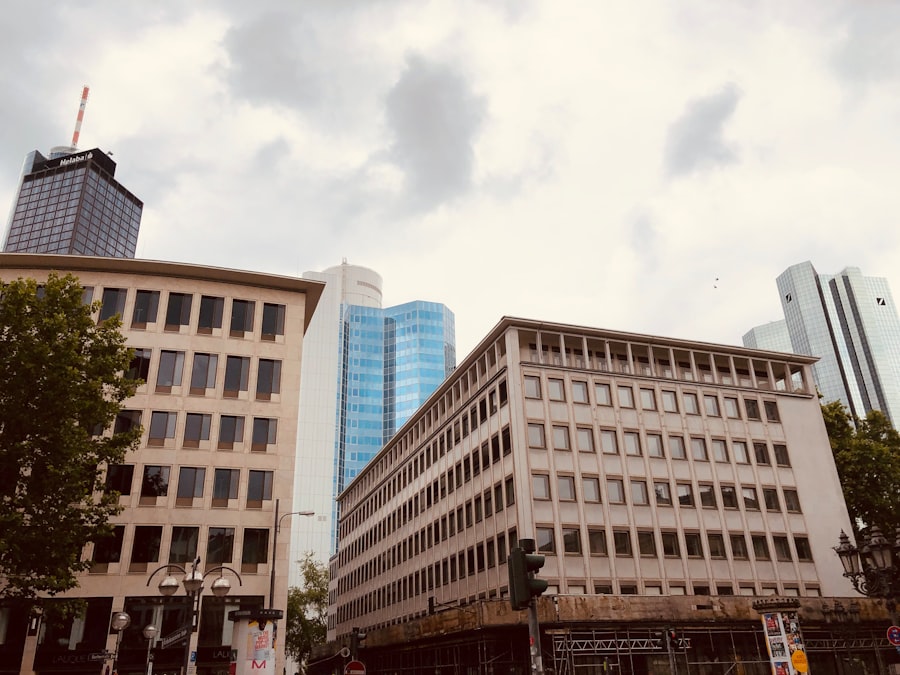
Addressing high downtown office vacancy rates requires a multifaceted approach that considers both immediate solutions and long-term strategies. One potential solution is repurposing vacant office spaces for alternative uses, such as residential units or mixed-use developments. This approach not only addresses the surplus of office space but also contributes to the creation of vibrant communities where people can live, work, and play.
Furthermore, cities can invest in infrastructure improvements that enhance accessibility and connectivity within downtown areas. Improved public transportation options, pedestrian-friendly streetscapes, and green spaces can make these areas more attractive to both businesses and employees. By prioritizing urban design that fosters a sense of place and community engagement, cities can create an environment that encourages businesses to thrive while simultaneously reducing vacancy rates.
Analysis of the Types of Businesses Leaving Downtown Offices
Understanding which types of businesses are vacating downtown offices is essential for developing targeted strategies to address vacancy rates. Many traditional industries—such as law firms and financial services—have been particularly affected by the shift toward remote work. These sectors often require less physical space as they adapt to new operational models that prioritize flexibility.
Conversely, some sectors are thriving despite high vacancy rates in downtown areas. Technology companies and startups are increasingly seeking flexible office solutions that allow them to scale quickly without committing to long-term leases. This shift presents an opportunity for property owners to attract these businesses by offering adaptable spaces that cater to their unique needs.
By analyzing the trends among departing businesses, stakeholders can better understand the evolving landscape of commercial real estate and tailor their strategies accordingly.
Effects of Remote Work on Downtown Office Vacancy Rates
The rise of remote work has had a profound impact on downtown office vacancy rates. As companies embrace flexible work arrangements, many employees have opted to work from home or other locations outside traditional office settings. This shift has led businesses to reassess their need for large office spaces, resulting in increased vacancies in urban centers.
Moreover, remote work has changed employee expectations regarding workplace environments. Many workers now prioritize amenities such as outdoor spaces, wellness facilities, and proximity to residential areas over traditional office features. As a result, property owners must adapt their offerings to meet these evolving preferences if they hope to attract tenants back to downtown offices.
The challenge lies in finding ways to create appealing work environments that align with the new realities of remote work while also addressing the surplus of vacant spaces.
Predictions for Future Vacancy Rate Trends
Looking ahead, predictions for future downtown office vacancy rate trends remain uncertain but suggest a continued evolution in the commercial real estate landscape. Experts anticipate that while some cities may experience stabilization in vacancy rates as businesses adapt to hybrid work models, others may continue to see fluctuations based on economic conditions and workforce preferences. Additionally, as more companies embrace flexible work arrangements permanently, there may be a shift toward smaller office footprints or co-working spaces that cater to diverse tenant needs.
This trend could lead to a reimagining of downtown office spaces as multifunctional environments that prioritize collaboration and community engagement over traditional layouts. Stakeholders must remain vigilant in monitoring these trends and adapting their strategies accordingly to ensure the vitality of urban centers.
Interviews with Real Estate Experts and Business Owners
To gain deeper insights into the current state of downtown office vacancy rates, interviews with real estate experts and business owners provide valuable perspectives. Many experts emphasize the importance of adaptability in navigating this changing landscape. They highlight that property owners must be willing to innovate and rethink their approaches to attract tenants effectively.
Business owners echo these sentiments, noting that their decisions regarding office space are heavily influenced by employee preferences for flexibility and collaboration. They stress the need for landlords to invest in modern amenities and create environments that foster creativity and productivity.
Conclusion and Call to Action for Revitalizing Downtown Office Spaces
In conclusion, the rising downtown office vacancy rates present both challenges and opportunities for urban centers across the globe. As cities grapple with shifting workforce dynamics and changing business needs, it is essential for stakeholders—property owners, city planners, business leaders—to collaborate on innovative solutions that revitalize these vital spaces. By embracing adaptability, investing in modern amenities, and fostering community engagement, cities can create vibrant environments that attract tenants back to downtown offices.
A call to action is necessary: stakeholders must come together to reimagine downtown areas as dynamic hubs that cater not only to businesses but also to the communities they serve. Through strategic planning and collaboration, it is possible to breathe new life into vacant office spaces while ensuring that urban centers remain thriving economic engines for years to come. The future of downtown offices depends on proactive measures taken today—an investment in revitalization that will yield benefits for all involved.
As cities continue to adapt to changing work environments, office vacancy rates in downtown areas have become a significant concern for urban planners and business owners alike. A related article that delves deeper into this topic can be found at this link, where various factors influencing these rates are discussed, along with potential strategies for revitalizing urban office spaces.
WATCH THIS! 🚨 Chicago’s Fiscal Cliff: Why America’s First City Is About to Fall
FAQs
What are office vacancy rates downtown?
Office vacancy rates downtown refer to the percentage of available office space in the central business district that is currently unoccupied or not leased.
Why are office vacancy rates important?
Office vacancy rates are important indicators of the health of the commercial real estate market and the local economy. High vacancy rates may suggest an oversupply of office space or reduced demand, while low rates typically indicate strong demand and limited availability.
How are office vacancy rates calculated?
Vacancy rates are calculated by dividing the total amount of unoccupied office space by the total amount of office space available in the downtown area, then multiplying by 100 to get a percentage.
What factors influence office vacancy rates downtown?
Factors include economic conditions, business growth or decline, changes in work habits (such as remote work trends), new office developments, rental prices, and local government policies.
How do office vacancy rates affect rental prices?
Generally, higher vacancy rates can lead to lower rental prices as landlords compete for tenants, while lower vacancy rates can drive rental prices up due to limited availability.
Can office vacancy rates impact local businesses?
Yes, high vacancy rates may reduce foot traffic and economic activity in downtown areas, potentially affecting retail and service businesses that rely on office workers.
Where can I find current office vacancy rates downtown?
Current vacancy rates can be found through commercial real estate reports, local government publications, real estate agencies, and market research firms specializing in commercial properties.
Do office vacancy rates vary by city?
Yes, vacancy rates vary significantly by city and even by neighborhood within a city, depending on local economic conditions, demand for office space, and development activity.
How has remote work affected downtown office vacancy rates?
The rise of remote and hybrid work models has generally increased office vacancy rates in many downtown areas, as some companies reduce their physical office space needs.
What strategies are used to reduce high office vacancy rates downtown?
Strategies include offering rental incentives, repurposing office spaces for alternative uses, improving building amenities, and promoting downtown areas as attractive business locations.