
The housing affordability crisis has emerged as a pressing issue in many urban and suburban areas across the globe. As housing prices continue to soar, a significant portion of the population finds itself grappling with the harsh reality of being unable to afford suitable living conditions. This crisis is not merely a matter of economics; it intertwines with social justice, public health, and community stability.
The implications of this crisis extend beyond individual households, affecting entire communities and the broader economy. In recent years, the gap between wages and housing costs has widened dramatically, leading to increased financial strain on families and individuals. The dream of homeownership, once a cornerstone of the American Dream, is slipping away for many.
As the crisis deepens, it becomes increasingly clear that urgent action is needed to address the multifaceted challenges posed by rising housing costs. Understanding the underlying factors contributing to this crisis is essential for developing effective solutions that can restore balance to the housing market.
Key Takeaways
- Housing affordability is a growing crisis influenced by economic, social, and policy factors.
- Vulnerable communities face disproportionate impacts, exacerbating inequality and homelessness.
- Government policies and real estate stakeholders play critical roles in both causing and solving the crisis.
- Innovative approaches, including new housing models and financial tools, are essential to improve affordability.
- The crisis has broad psychological, social, and global implications, requiring coordinated action and awareness.
Factors Contributing to the Housing Affordability Crisis
Several interrelated factors contribute to the ongoing housing affordability crisis. One of the most significant is the imbalance between supply and demand. In many urban areas, population growth has outpaced the construction of new housing units, leading to a scarcity of available homes.
This shortage drives up prices, making it increasingly difficult for prospective buyers and renters to find affordable options. Additionally, zoning laws and land-use regulations often hinder the development of new housing projects, further exacerbating the supply issue. Another critical factor is the rising cost of construction materials and labor.
As demand for housing increases, so too does the cost of building new homes. This inflation in construction costs is often passed on to consumers, resulting in higher prices for both new and existing homes. Furthermore, economic conditions such as interest rates and inflation can significantly impact housing affordability.
When interest rates rise, mortgage payments become more expensive, pushing homeownership further out of reach for many families.
Impact of the Housing Affordability Crisis on Different Communities
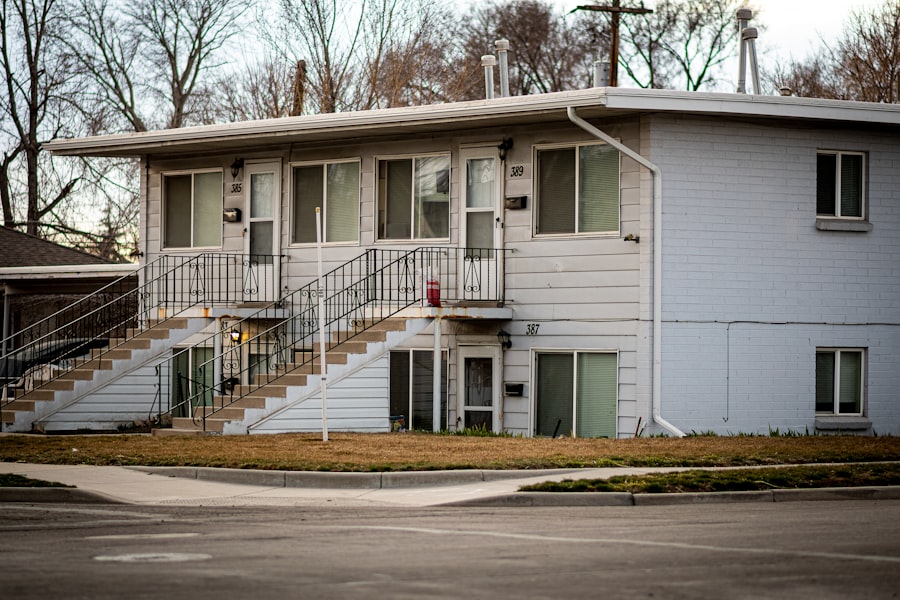
The housing affordability crisis does not affect all communities equally; its impact varies significantly based on socioeconomic status, race, and geographic location. Low-income families and marginalized communities often bear the brunt of rising housing costs, leading to increased rates of displacement and homelessness. In many cases, these families are forced to make difficult choices between paying for housing and meeting other essential needs such as food, healthcare, and education.
Moreover, the crisis can exacerbate existing inequalities within communities. As wealthier individuals move into neighborhoods with lower housing costs, they can drive up property values and rents, pushing long-time residents out of their homes. This phenomenon, known as gentrification, can lead to a loss of cultural identity and community cohesion as established residents are replaced by newcomers who may not share the same values or history.
The resulting social fragmentation can have lasting effects on community dynamics and overall well-being.
Government Policies and Initiatives to Address the Housing Affordability Crisis
In response to the growing housing affordability crisis, various government policies and initiatives have been proposed and implemented at local, state, and federal levels. One common approach is the introduction of rent control measures aimed at stabilizing rental prices in high-demand areas. While these policies can provide immediate relief for tenants, they often face criticism for potentially discouraging new construction and investment in rental properties.
Another strategy involves increasing funding for affordable housing development through public-private partnerships. By incentivizing developers to build low-income housing units, governments can help bridge the gap between supply and demand. Additionally, programs that provide financial assistance to first-time homebuyers can empower individuals and families to enter the housing market more easily.
However, these initiatives require careful planning and execution to ensure they effectively address the root causes of the affordability crisis.
The Role of Real Estate Developers and Investors in the Housing Affordability Crisis
| Metric | Value | Unit | Year | Notes |
|---|---|---|---|---|
| Median Home Price | 450,000 | USD | 2023 | National average in the United States |
| Median Household Income | 70,000 | USD | 2023 | National average in the United States |
| Housing Affordability Index | 120 | Index (100 = affordable) | 2023 | Below 100 indicates unaffordable housing |
| Percentage of Income Spent on Housing | 35 | % | 2023 | Threshold for housing cost burden |
| Renters Spending >30% Income on Rent | 48 | % | 2023 | Indicates cost burdened renters |
| Homeownership Rate | 65 | % | 2023 | National average in the United States |
| Average Monthly Rent | 1,500 | USD | 2023 | National average |
| Number of Affordable Housing Units Needed | 7,000,000 | Units | 2023 | Estimated national shortage |
Real estate developers and investors play a crucial role in shaping the housing landscape. Their decisions regarding where and how to build can significantly influence housing availability and affordability. In many cases, developers prioritize high-end projects that promise greater returns on investment, often neglecting the need for affordable housing options.
This focus on luxury developments can exacerbate the affordability crisis by further limiting options for low- and middle-income families. However, there is potential for real estate developers to contribute positively to addressing the crisis. By embracing innovative building practices and prioritizing mixed-income developments, they can create communities that cater to a diverse range of residents.
Collaborations with local governments and non-profit organizations can also lead to more inclusive housing solutions that benefit all community members rather than just a select few.
Innovative Solutions to Alleviate the Housing Affordability Crisis
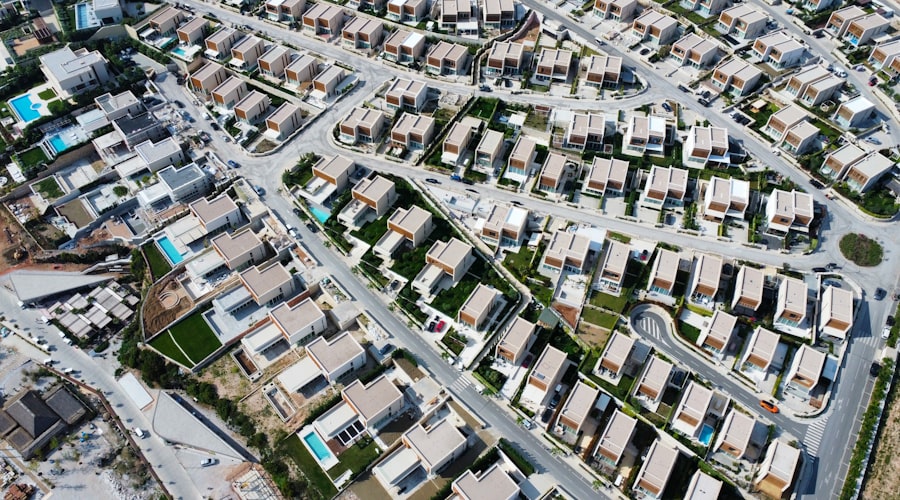
As the housing affordability crisis continues to escalate, innovative solutions are emerging from various sectors aimed at alleviating its impact. One promising approach is the use of modular construction techniques that allow for faster and more cost-effective building processes. By reducing construction time and labor costs, these methods can help bring affordable housing units to market more quickly.
Additionally, community land trusts have gained traction as a viable solution for preserving affordable housing in rapidly gentrifying neighborhoods. These non-profit organizations acquire land and develop it with a focus on long-term affordability, ensuring that homes remain accessible to low- and moderate-income families even as property values rise. Such initiatives empower communities to take control of their housing futures while promoting stability and inclusivity.
The Connection Between the Housing Affordability Crisis and Homelessness
The relationship between housing affordability and homelessness is both direct and complex. As housing costs rise beyond what low-income individuals can afford, many are pushed into precarious living situations or outright homelessness. The lack of affordable housing options means that even those who are employed may struggle to secure stable shelter, leading to an increase in homelessness rates across various regions.
Moreover, homelessness itself can perpetuate a cycle of poverty that is difficult to escape. Individuals experiencing homelessness often face barriers such as job instability, lack of access to healthcare, and social stigma that make it challenging to regain stable housing. Addressing the housing affordability crisis is therefore essential not only for preventing homelessness but also for supporting those who are currently experiencing it in their journey toward stability.
The Psychological and Emotional Toll of the Housing Affordability Crisis
The psychological impact of the housing affordability crisis extends far beyond financial stress; it affects individuals’ mental health and overall well-being. The constant worry about meeting rent or mortgage payments can lead to anxiety, depression, and feelings of hopelessness among those struggling with housing insecurity. Families may experience heightened stress levels as they navigate difficult decisions about where to live or how to allocate limited resources.
Children growing up in unstable housing situations are particularly vulnerable to these emotional tolls. Research has shown that frequent moves or living in overcrowded conditions can negatively impact children’s academic performance and social development. The long-term consequences of such instability can hinder their future opportunities and perpetuate cycles of poverty within families.
The Intersection of the Housing Affordability Crisis and Gentrification
Gentrification is a phenomenon closely linked to the housing affordability crisis, often serving as both a symptom and a contributing factor.
This process can erode community ties and disrupt social networks that have existed for generations.
While gentrification can bring investment and revitalization to struggling neighborhoods, it often does so at a significant cost to existing residents who may be forced out of their homes. Balancing development with community preservation is essential for ensuring that all residents benefit from neighborhood improvements rather than being pushed aside by rising costs.
The Global Perspective on the Housing Affordability Crisis
The housing affordability crisis is not confined to any single country; it is a global issue affecting cities around the world. From major metropolitan areas in North America and Europe to rapidly urbanizing regions in Asia and Africa, rising housing costs pose significant challenges for millions of people. Each region faces unique circumstances that shape its approach to addressing this crisis.
In some countries, innovative policies such as inclusionary zoning or social housing initiatives have been implemented with varying degrees of success. Learning from these global examples can provide valuable insights into potential solutions that could be adapted for different contexts. Collaborative efforts among nations may also foster knowledge sharing and best practices aimed at tackling this pressing issue on a larger scale.
Conclusion and Call to Action for Addressing the Housing Affordability Crisis
The looming housing affordability crisis demands urgent attention from policymakers, community leaders, real estate developers, and citizens alike. It is clear that a multifaceted approach is necessary—one that addresses supply shortages while also considering the needs of vulnerable populations affected by rising costs. By fostering collaboration among stakeholders and prioritizing innovative solutions, communities can work toward creating sustainable housing options that are accessible to all.
As individuals become more aware of this pressing issue, they are encouraged to advocate for policies that promote affordable housing development and support initiatives aimed at preserving existing affordable units. Engaging in local discussions about zoning laws or participating in community land trusts can empower citizens to take an active role in shaping their neighborhoods’ futures. Ultimately, addressing the housing affordability crisis requires collective action—an acknowledgment that everyone deserves a safe and stable place to call home.
The housing affordability crisis continues to be a pressing issue affecting many communities across the country. A recent article discusses various strategies that local governments can implement to address this challenge and improve access to affordable housing. For more insights on this topic, you can read the full article [here](https://www.realloreandorder.com/sample-page/).
WATCH THIS! 🚨 Chicago’s Fiscal Cliff: Why America’s First City Is About to Fall
FAQs
What is the housing affordability crisis?
The housing affordability crisis refers to the situation where a significant portion of the population struggles to afford adequate housing due to high costs relative to their income. This often results in increased financial stress, overcrowding, or homelessness.
What factors contribute to the housing affordability crisis?
Key factors include rising home prices, stagnant wages, limited housing supply, increased demand in urban areas, zoning regulations, and economic disparities. Additionally, inflation and interest rate changes can impact affordability.
Who is most affected by the housing affordability crisis?
Low- and moderate-income households, young adults, renters, and marginalized communities are typically the most affected. These groups often spend a disproportionate amount of their income on housing costs.
How is housing affordability measured?
Housing affordability is commonly measured by the percentage of income spent on housing costs. A standard benchmark is that housing is affordable if it costs no more than 30% of a household’s gross income.
What are the consequences of the housing affordability crisis?
Consequences include increased homelessness, overcrowding, reduced quality of life, financial instability, and negative impacts on health and education. It can also hinder economic growth and exacerbate social inequalities.
What solutions are proposed to address the housing affordability crisis?
Solutions include increasing the supply of affordable housing, implementing rent control policies, offering housing subsidies, reforming zoning laws, promoting mixed-income developments, and supporting first-time homebuyers.
How does the housing affordability crisis vary by location?
The crisis is often more severe in major metropolitan areas with high demand and limited housing supply. Rural areas may face different challenges, such as lack of infrastructure or economic opportunities, affecting affordability differently.
Can government policies help alleviate the housing affordability crisis?
Yes, government policies such as affordable housing programs, tax incentives, rent assistance, and regulatory reforms can play a significant role in improving housing affordability.
What role do developers and the private sector play in the housing affordability crisis?
Developers influence housing supply and pricing through the types of housing they build. The private sector can contribute to affordability by investing in affordable housing projects and partnering with governments on housing initiatives.
Is the housing affordability crisis a global issue?
Yes, many countries around the world face housing affordability challenges, though the severity and causes can vary based on local economic conditions, policies, and demographics.