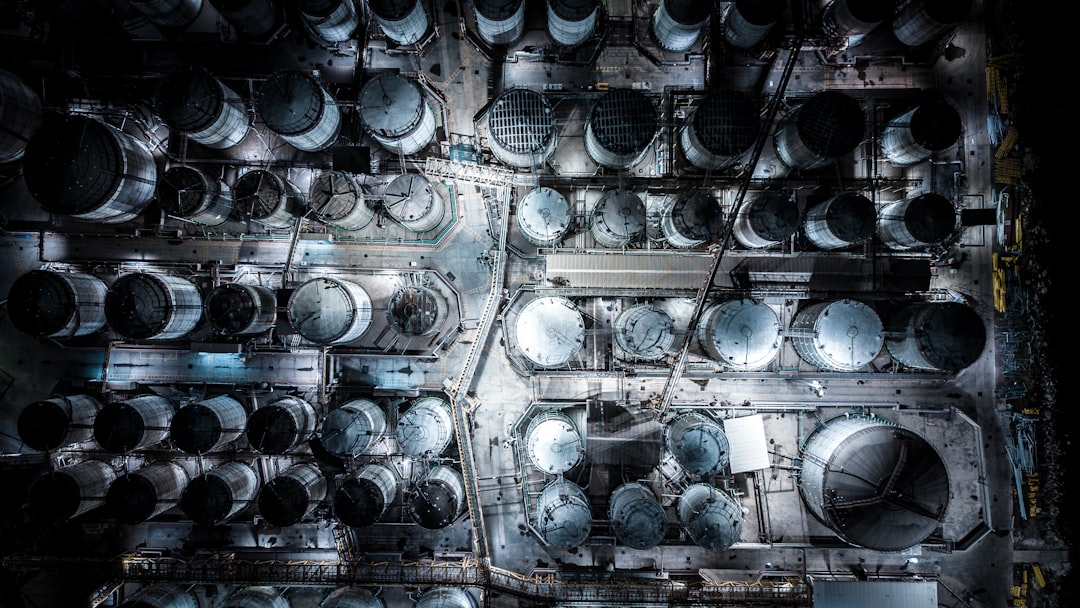
The global helium shortage represents a critical supply chain challenge affecting multiple industries worldwide. Helium, an inert noble gas, occurs naturally in extremely low concentrations within certain natural gas deposits, typically comprising less than 0.3% of the total gas composition. Current global helium production relies on extraction from these natural gas fields, with major production facilities located in the United States, Qatar, Algeria, and Russia.
Several factors contribute to the current supply shortage. Production facilities have experienced operational disruptions due to maintenance shutdowns, equipment failures, and geopolitical instability in key producing regions. Simultaneously, demand has increased substantially across sectors including healthcare (MRI machines), semiconductor manufacturing, fiber optic cable production, and aerospace applications.
The COVID-19 pandemic further disrupted supply chains and production schedules, intensifying existing shortages. Helium’s unique physical properties create additional supply challenges. As the second lightest element, helium cannot be manufactured artificially through industrial processes.
Once released into the atmosphere, helium escapes Earth’s gravitational field and is permanently lost to space. This characteristic makes helium a finite, non-renewable resource with no synthetic alternatives for many critical applications. The gas’s extremely low boiling point (-269°C) and chemical inertness make it irreplaceable in cryogenic cooling systems and specialized manufacturing processes.
The shortage has prompted industries to implement conservation measures, develop recycling systems, and seek alternative technologies where possible. However, the fundamental supply-demand imbalance continues to drive price volatility and availability concerns across helium-dependent sectors.
Key Takeaways
- Helium is critical for many industries, and its shortage poses significant challenges.
- Businesses must prioritize helium use and explore alternative gases and technologies.
- Conservation, recycling, and recovery efforts are essential to manage limited helium supplies.
- Strong collaboration with suppliers and long-term contracts can help secure helium access.
- Advocacy for government policies and diversifying supply sources are key to addressing the shortage.
Importance of Helium in Various Industries
Helium plays a pivotal role in numerous industries, making its availability critical for technological advancement and operational efficiency. In the medical field, helium is essential for magnetic resonance imaging (MRI) machines, which rely on superconducting magnets cooled by liquid helium to function effectively. The healthcare sector’s dependence on MRI technology underscores the importance of a stable helium supply, as any disruption could lead to delays in diagnostics and patient care.
Beyond healthcare, helium is integral to the electronics industry, where it is used in the production of semiconductors and fiber optics. The gas’s inert properties make it an ideal choice for creating a controlled atmosphere during manufacturing processes. Additionally, helium is utilized in scientific research, particularly in cryogenics and particle physics experiments.
The ability to cool materials to extremely low temperatures is vital for various experiments, making helium an indispensable resource in advancing scientific knowledge. The multifaceted applications of helium highlight its significance across diverse sectors, emphasizing the need for sustainable management of this precious resource.
Impact of the Helium Shortage on Businesses

The ramifications of the helium shortage extend far beyond mere inconvenience; they pose substantial challenges for businesses that rely on this gas for their operations. Companies in sectors such as healthcare, electronics, and aerospace have reported disruptions in their supply chains due to limited access to helium. This scarcity can lead to increased costs as businesses scramble to secure available supplies or seek alternative sources.
The financial implications can be severe, particularly for smaller companies that may lack the resources to absorb rising prices or invest in alternative technologies. Moreover, the shortage can hinder innovation and growth within industries that depend on helium for research and development. Delays in obtaining helium can stall projects and limit the ability to bring new products to market.
For instance, in the medical field, a shortage of helium could result in fewer MRI machines being operational, leading to longer wait times for patients and potentially compromising healthcare outcomes. As businesses grapple with these challenges, it becomes increasingly clear that addressing the helium shortage is not just a logistical issue but a critical factor in maintaining competitiveness and ensuring continued progress across various sectors.
Strategies for Prioritizing Helium Use
In light of the ongoing helium shortage, businesses must adopt strategic approaches to prioritize their use of this essential gas. One effective strategy involves conducting a thorough assessment of helium consumption across operations. By identifying areas where helium is used most critically, companies can allocate resources more efficiently and minimize waste.
For instance, organizations may find that certain processes or applications are more dependent on helium than others, allowing them to prioritize those areas while exploring alternatives for less critical uses. Another strategy involves fostering a culture of conservation within organizations. Educating employees about the importance of helium conservation can lead to more mindful usage practices.
Simple measures such as optimizing equipment settings or implementing better inventory management can significantly reduce helium consumption. By prioritizing efficiency and conservation, businesses can extend their helium supplies while also contributing to broader sustainability efforts.
Alternative Gases and Technologies
| Strategy | Description | Advantages | Disadvantages | Typical Use Cases |
|---|---|---|---|---|
| Priority Allocation | Helium is allocated first to critical industries such as healthcare and aerospace. | Ensures essential services maintain supply; reduces risk in critical sectors. | May limit availability for commercial or research uses; potential for disputes over priority. | Medical MRI machines, scientific research, space exploration. |
| Quota System | Fixed amounts of helium are allocated to different sectors based on historical usage or need. | Provides predictable supply; encourages efficient use within quotas. | Can be inflexible; may not adapt well to sudden changes in demand. | Industrial gas suppliers, party balloon manufacturers, electronics industry. |
| Market-Based Allocation | Helium is allocated based on market demand and price signals. | Encourages efficient use and innovation; supply adjusts to demand. | May price out smaller or less profitable users; potential for price volatility. | Commercial applications, research institutions with flexible budgets. |
| Rationing | Helium supply is limited and distributed in smaller amounts to all users. | Ensures all users receive some supply; prevents hoarding. | May reduce productivity; can be administratively complex. | Emergency situations, temporary shortages. |
| Recycling and Reuse Incentives | Encouraging recovery and reuse of helium to reduce demand on new supply. | Reduces overall helium consumption; environmentally sustainable. | Requires investment in technology; may not fully meet demand. | Industrial processes, scientific labs, MRI facilities. |
As the helium shortage continues to pose challenges, exploring alternative gases and technologies becomes increasingly important. While no direct substitute can fully replicate helium’s unique properties, certain alternatives may serve specific applications effectively. For instance, nitrogen is often used as a substitute in some cryogenic applications due to its availability and lower cost.
However, it is essential to recognize that alternatives may not provide the same performance levels as helium in all scenarios. In addition to alternative gases, advancements in technology may offer solutions to mitigate reliance on helium. Innovations such as improved cooling systems or alternative imaging techniques could reduce the demand for helium in medical applications.
Research into new materials and processes that do not require helium could also pave the way for more sustainable practices across industries. By investing in research and development focused on alternatives, businesses can position themselves to adapt to the evolving landscape shaped by the helium shortage.
Collaboration and Communication with Suppliers

Effective collaboration and communication with suppliers are vital components of managing the challenges posed by the helium shortage. Establishing strong relationships with suppliers can lead to better insights into supply chain dynamics and potential disruptions. By maintaining open lines of communication, businesses can stay informed about market trends and anticipate changes that may impact their access to helium.
Moreover, collaborative efforts can foster innovation in sourcing strategies. Companies may work together with suppliers to explore new extraction methods or invest in joint ventures aimed at increasing production capacity. By pooling resources and expertise, businesses can enhance their resilience against supply shortages while also contributing to long-term solutions for the industry as a whole.
Implementing Conservation Measures
Implementing conservation measures is a proactive approach that businesses can take to address the helium shortage effectively. Organizations can start by conducting audits of their current helium usage to identify areas where waste occurs. This assessment may reveal opportunities for improvement, such as optimizing equipment settings or enhancing maintenance practices to prevent leaks.
Additionally, companies can invest in training programs for employees to raise awareness about the importance of conserving helium. By fostering a culture of responsibility around resource usage, organizations can encourage staff members to adopt practices that minimize waste. Simple actions like ensuring proper storage conditions or promptly addressing leaks can collectively make a significant impact on overall consumption levels.
Investing in Helium Recycling and Recovery
Investing in helium recycling and recovery technologies presents a promising avenue for mitigating the effects of the ongoing shortage. Helium recycling involves capturing and reusing helium from processes where it would otherwise be lost, such as during manufacturing or laboratory experiments. By implementing recycling systems, businesses can significantly reduce their reliance on newly extracted helium while also lowering operational costs.
Recovery technologies are also gaining traction as a means of reclaiming helium from existing sources. These systems can capture helium that would typically escape into the atmosphere during various processes, allowing companies to repurpose it for their needs. By investing in these innovative solutions, organizations not only contribute to sustainability efforts but also enhance their long-term viability in an increasingly competitive market.
Negotiating Long-Term Contracts with Suppliers
In an environment characterized by uncertainty regarding helium availability, negotiating long-term contracts with suppliers can provide businesses with a sense of security and stability. Such agreements allow companies to lock in prices and secure consistent access to helium over an extended period.
When negotiating these contracts, it is essential for businesses to engage in transparent discussions with suppliers about their needs and expectations. Establishing mutually beneficial terms can foster stronger partnerships and encourage suppliers to prioritize their commitments. By taking proactive steps in contract negotiations, companies can position themselves favorably amidst ongoing supply challenges.
Diversifying Supply Sources
Diversifying supply sources is another critical strategy for businesses seeking to navigate the complexities of the helium shortage effectively. Relying on a single supplier or region for helium can expose organizations to significant risks if disruptions occur. By exploring multiple sources—whether through different suppliers or geographic regions—companies can enhance their resilience against supply chain vulnerabilities.
Additionally, diversifying supply sources may involve seeking out emerging markets or alternative extraction methods that have not been fully tapped yet. Engaging with new suppliers or investing in partnerships with companies exploring innovative extraction technologies can open up new avenues for securing helium supplies. This proactive approach not only mitigates risks but also fosters competition among suppliers, potentially leading to more favorable pricing structures.
Advocating for Government Intervention and Policy Changes
As the helium shortage continues to impact various industries, advocating for government intervention and policy changes becomes increasingly important. Policymakers play a crucial role in shaping regulations that govern resource extraction and management practices. By engaging with government officials and industry associations, businesses can raise awareness about the significance of helium as a strategic resource.
Advocacy efforts may focus on promoting policies that encourage investment in domestic helium production or support research into alternative technologies. Additionally, businesses can collaborate with stakeholders across sectors to develop comprehensive strategies aimed at addressing supply chain challenges related to helium availability. By working together with government entities and industry partners, organizations can contribute to creating a more sustainable framework for managing this vital resource.
In conclusion, addressing the ongoing helium shortage requires a multifaceted approach that encompasses understanding its implications across industries, implementing conservation measures, exploring alternatives, and fostering collaboration among stakeholders. As businesses navigate these challenges, proactive strategies will be essential for ensuring continued access to this critical resource while promoting sustainability and innovation within their operations.
For a deeper understanding of the implications and potential solutions surrounding helium allocation, you can refer to the article on this topic at this link. This article provides insights into the challenges faced by industries reliant on helium and discusses innovative approaches to manage its scarcity.
📌WATCH THIS! The Gas War: Why 3 Countries Control Your Hospital’s Future
FAQs
What is causing the current helium shortage?
The helium shortage is primarily caused by increased global demand, limited production capacity, and the depletion or maintenance shutdowns of key helium extraction facilities. Helium is a finite resource extracted mainly from natural gas fields, and supply constraints have led to shortages.
Why is helium important and in what industries is it used?
Helium is a critical gas used in various industries including medical imaging (MRI machines), scientific research, electronics manufacturing, aerospace, and party balloons. Its unique properties such as low boiling point and inertness make it indispensable for cooling and other specialized applications.
What are helium shortage allocation strategies?
Helium shortage allocation strategies are methods used by suppliers and industries to manage limited helium supplies. These strategies include prioritizing essential uses, rationing supplies, seeking alternative sources, recycling helium, and encouraging conservation to ensure critical needs are met during shortages.
How do companies prioritize helium distribution during a shortage?
During a shortage, companies typically prioritize helium distribution based on the criticality of the application. Medical and scientific uses often receive higher priority over non-essential uses like party balloons. Contracts may be adjusted, and allocations limited to ensure vital sectors maintain supply.
Are there alternatives to helium for its common uses?
While some applications can use alternative gases or technologies, many uses of helium, especially in cryogenics and scientific research, have no practical substitutes due to helium’s unique properties. Research into alternatives and helium recycling is ongoing to mitigate shortage impacts.
What can industries do to cope with helium shortages?
Industries can cope by improving helium efficiency, recycling helium, investing in alternative technologies, securing long-term supply contracts, and collaborating with suppliers on allocation plans. Awareness and planning help minimize disruption during shortages.
Is the helium shortage expected to continue in the future?
The helium shortage may persist in the near term due to limited production and high demand. However, new helium extraction projects, improved recycling, and strategic reserves may alleviate shortages over time. Market dynamics and technological advances will influence future supply stability.