
In recent years, the demand for helium has surged dramatically, driven primarily by its critical applications in high-tech industries. Helium is an essential component in various advanced technologies, including semiconductors, fiber optics, and medical imaging equipment such as MRI machines. As the world becomes increasingly reliant on technology, the need for helium is expected to grow even further.
The rise of quantum computing and the expansion of the telecommunications sector have also contributed to this heightened demand, as helium plays a vital role in cooling systems and maintaining the integrity of sensitive electronic components. Moreover, the aerospace industry has also become a significant consumer of helium, utilizing it in rocket propulsion systems and for inflating airships. The growing interest in space exploration and satellite technology has further amplified the need for this noble gas.
As industries continue to innovate and expand, the reliance on helium is likely to increase, creating a pressing need for stable and secure supply chains to meet this burgeoning demand.
Key Takeaways
- Helium demand is rapidly increasing due to its critical role in high-tech industries and national security.
- Helium production is highly concentrated in a few countries, making supply chains vulnerable to geopolitical instability.
- Political tensions, trade wars, and sanctions pose significant risks to the stability of helium supply.
- Diversifying helium sources and enhancing international cooperation are essential to secure supply chains.
- High-tech industries must adopt strategic measures to mitigate risks from geopolitical disruptions and price volatility.
The Concentration of Helium Production in a Few Key Countries
The global helium market is characterized by a striking concentration of production in a limited number of countries. The United States has historically been the largest producer, accounting for a significant portion of the world’s helium supply. However, other countries such as Qatar and Russia have emerged as key players in the market, further consolidating the production landscape.
This concentration poses challenges for global supply stability, as any disruption in these key regions can have far-reaching consequences for industries that depend on helium. The reliance on a few countries for helium production raises concerns about supply security. As geopolitical dynamics shift and tensions rise, the potential for supply disruptions increases.
Countries that dominate helium production may prioritize their domestic needs or engage in trade practices that could limit exports.
The Vulnerability of Helium Supply Chains to Political Instability
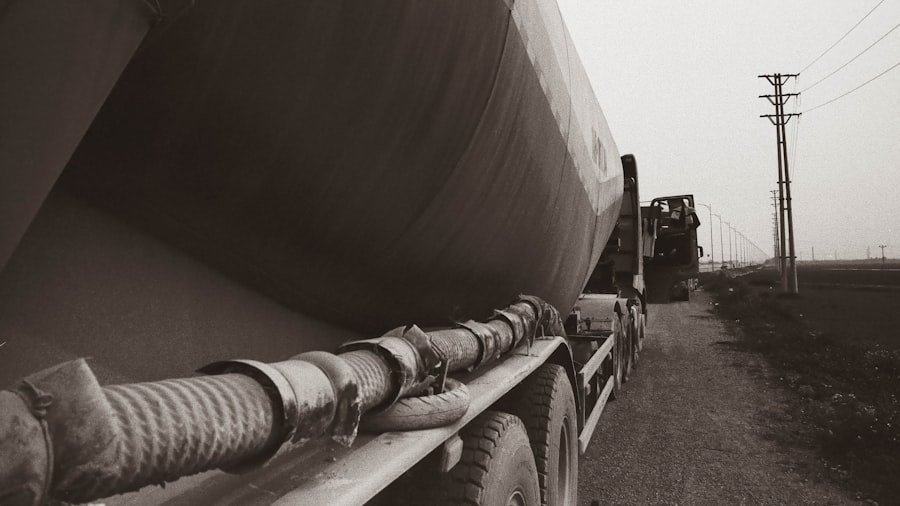
The helium supply chain is particularly susceptible to political instability, which can disrupt production and distribution channels. In regions where helium is extracted, political unrest or changes in government policies can lead to significant interruptions in supply. For instance, conflicts or sanctions can hinder operations at extraction facilities, resulting in reduced output and increased prices.
Furthermore, the geopolitical landscape is constantly evolving, with tensions between nations often leading to unpredictable outcomes. Countries that rely heavily on helium imports may find themselves at the mercy of political decisions made far from their borders.
As a result, high-tech industries must remain vigilant and proactive in assessing the risks associated with their helium supply chains to mitigate potential disruptions.
The Impact of Geopolitical Tensions on Helium Supply
Geopolitical tensions can have a profound impact on helium supply chains, affecting both availability and pricing. When diplomatic relations between countries deteriorate, trade agreements may be jeopardized, leading to restrictions on exports. For example, sanctions imposed on a helium-producing nation can create immediate shortages in countries that depend on that source.
Such disruptions can ripple through high-tech industries, causing delays in production and increased costs for manufacturers. Additionally, geopolitical tensions can lead to speculative trading in the helium market, further exacerbating price volatility. Investors may react to news of potential conflicts or trade disputes by driving up prices in anticipation of shortages.
This speculative behavior can create an unstable market environment, making it challenging for businesses to plan their operations effectively. As high-tech industries navigate these complexities, they must develop strategies to manage the risks associated with geopolitical tensions impacting their helium supply.
The Role of Helium in National Security and Defense
| Metric | Description | Current Status | Impact on Supply Chain | Mitigation Strategies |
|---|---|---|---|---|
| Global Helium Production Concentration | Percentage of helium produced by top 3 countries | Approximately 70% | High risk due to supply dependency on few regions | Diversify production sources, invest in alternative suppliers |
| Key Producing Countries | Countries dominating helium extraction (e.g., USA, Qatar, Algeria) | USA (40%), Qatar (25%), Algeria (15%) | Geopolitical tensions in these countries can disrupt supply | Establish strategic reserves, develop domestic production |
| Political Stability Index | Stability rating of helium-producing countries (scale 0-100) | USA: 85, Qatar: 70, Algeria: 55 | Lower stability increases risk of supply interruptions | Monitor political developments, create contingency plans |
| Export Restrictions | Frequency and severity of export controls on helium | Moderate, with occasional export quotas | Can limit availability and increase prices globally | Negotiate trade agreements, stockpile helium reserves |
| Transportation Risk | Risk of disruption in helium transport routes (pipelines, shipping) | Medium, due to geopolitical conflicts and infrastructure vulnerabilities | Delays and increased costs in helium delivery | Develop alternative routes, invest in secure logistics |
| Strategic Helium Reserves | Volume of helium held in government or private reserves | Limited, estimated at 10% of annual global consumption | Insufficient reserves increase vulnerability to supply shocks | Expand reserves, encourage private sector stockpiling |
| Market Price Volatility | Fluctuations in helium prices due to geopolitical events | High volatility observed in past 5 years | Impacts budgeting and planning for helium-dependent industries | Use futures contracts, diversify supply sources |
Helium’s significance extends beyond commercial applications; it also plays a crucial role in national security and defense. The gas is used in various military technologies, including missile guidance systems and surveillance equipment. Its unique properties make it an ideal choice for cooling sensitive components in advanced weaponry and communication systems.
As nations invest in their defense capabilities, the demand for helium within military applications is likely to grow. Moreover, access to reliable helium supplies can be viewed as a strategic asset for national security. Countries that control significant helium resources may leverage this advantage in geopolitical negotiations or conflicts.
As such, governments are increasingly recognizing the importance of securing their helium supply chains to ensure that they can maintain their defense readiness in an ever-changing global landscape.
The Potential for Disruption in Helium Supply from Trade Wars and Sanctions
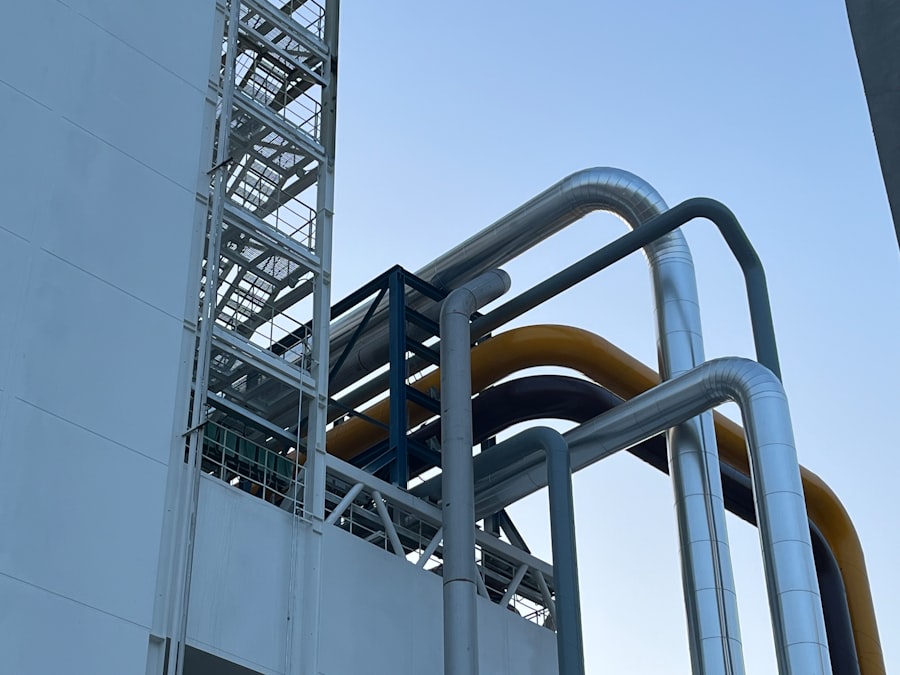
Trade wars and sanctions present significant risks to helium supply chains, as they can lead to abrupt changes in trade dynamics. When countries impose tariffs or restrictions on imports and exports, it can create bottlenecks in the flow of helium from producing nations to consuming markets. For instance, if a major supplier faces sanctions from a consuming country, it may be forced to seek alternative markets or reduce production levels, leading to shortages elsewhere.
The unpredictability of trade policies can also deter investment in helium production and infrastructure development. Companies may hesitate to commit resources to expand operations if they fear that future trade disputes could undermine their profitability. This reluctance can stifle innovation and limit the growth of new sources of helium, exacerbating supply challenges for high-tech industries that rely on this essential resource.
The Importance of Diversifying Helium Sources and Supply Routes
To mitigate the risks associated with geopolitical tensions and supply chain vulnerabilities, diversifying helium sources and supply routes is essential. By establishing relationships with multiple suppliers across different regions, industries can reduce their dependence on any single source of helium. This diversification strategy not only enhances supply security but also fosters competition among suppliers, potentially leading to more stable pricing.
Investing in alternative extraction methods and exploring new geographical regions for helium production can further bolster supply resilience. For example, advancements in technology may enable the extraction of helium from natural gas fields that were previously deemed unviable. By tapping into these untapped resources, industries can create a more robust supply chain that is less susceptible to geopolitical disruptions.
The Need for International Cooperation to Ensure Helium Supply Security
Given the global nature of the helium market, international cooperation is vital for ensuring supply security. Countries that produce helium must work collaboratively with consuming nations to establish frameworks that promote stable trade relationships and prevent disruptions caused by political tensions. Diplomatic efforts aimed at fostering dialogue between nations can help mitigate conflicts that may threaten helium supplies.
Additionally, international organizations can play a crucial role in facilitating cooperation among countries involved in helium production and consumption. By promoting transparency and information sharing regarding production levels and market trends, these organizations can help stabilize the market and reduce uncertainty for businesses reliant on helium.
The Potential for Price Volatility in the Helium Market due to Geopolitical Factors
The interplay between geopolitical factors and market dynamics creates an environment ripe for price volatility in the helium market. As tensions rise between nations or trade disputes emerge, prices may fluctuate dramatically based on speculation and perceived risks. This volatility poses challenges for businesses that require stable pricing to plan their operations effectively.
Moreover, sudden price spikes can lead to increased costs for high-tech industries that rely on helium as a critical input. Companies may find themselves facing budget constraints or having to pass on higher costs to consumers, potentially impacting their competitiveness in the market. To navigate this uncertainty, businesses must adopt flexible pricing strategies and remain agile in their procurement practices.
The Implications of Geopolitical Helium Supply Chain Risks for High-Tech Industries
The risks associated with geopolitical tensions and supply chain vulnerabilities have significant implications for high-tech industries reliant on helium. Disruptions in supply can lead to production delays, increased costs, and ultimately affect product availability in the market. As companies strive to innovate and meet consumer demands, any interruption in their access to helium can hinder their ability to deliver cutting-edge technologies.
Furthermore, as industries become more interconnected globally, the repercussions of helium supply chain disruptions can extend beyond individual companies to impact entire sectors. For instance, delays in semiconductor manufacturing due to helium shortages could ripple through various industries reliant on electronic components, leading to broader economic consequences.
Strategies for Mitigating Geopolitical Helium Supply Chain Risks
To address the challenges posed by geopolitical risks in helium supply chains, companies must implement proactive strategies aimed at enhancing resilience and security. One effective approach is conducting thorough risk assessments to identify potential vulnerabilities within their supply chains. By understanding where weaknesses lie—whether due to reliance on specific suppliers or geographic regions—companies can develop contingency plans to mitigate disruptions.
Additionally, fostering strong relationships with suppliers and engaging in collaborative partnerships can enhance communication and transparency throughout the supply chain. By working closely with suppliers to understand their capabilities and challenges, companies can better anticipate potential disruptions and develop strategies to address them proactively. Investing in research and development efforts aimed at finding alternative sources of helium or developing recycling technologies can also contribute to long-term supply security.
By diversifying sources and exploring innovative solutions, high-tech industries can reduce their dependence on traditional extraction methods and create a more sustainable future for helium utilization. In conclusion, as demand for helium continues to rise across high-tech industries, understanding the complexities of its supply chain becomes increasingly critical. By recognizing the geopolitical factors at play and implementing strategies to mitigate risks, companies can position themselves for success in an ever-evolving landscape marked by uncertainty and change.
The geopolitical risks associated with the helium supply chain have become increasingly significant, particularly as nations vie for control over this critical resource. For a deeper understanding of the implications of these risks, you can read the article on the topic at this link. This article explores the various factors influencing helium availability and the potential consequences for industries reliant on this essential gas.
📌WATCH THIS! The Gas War: Why 3 Countries Control Your Hospital’s Future
FAQs
What is the geopolitical helium supply chain?
The geopolitical helium supply chain refers to the global network of extraction, production, transportation, and distribution of helium, influenced by political, economic, and strategic factors among countries.
Why is helium important in global industries?
Helium is a critical resource used in various industries such as medical imaging (MRI machines), scientific research, electronics manufacturing, aerospace, and cryogenics due to its unique properties like low boiling point and inertness.
What are the main sources of helium worldwide?
The primary sources of helium are natural gas fields, with significant production in countries like the United States, Qatar, Algeria, Russia, and Poland.
How does geopolitics affect helium supply?
Geopolitical factors such as trade policies, international relations, regional conflicts, and export restrictions can disrupt helium production, limit access to reserves, or affect transportation routes, thereby impacting global supply.
What risks are associated with the helium supply chain?
Risks include political instability in producing regions, export controls, monopolistic market structures, limited alternative sources, and logistical challenges, all of which can lead to supply shortages or price volatility.
Are there any efforts to mitigate helium supply chain risks?
Yes, efforts include diversifying supply sources, developing helium recycling technologies, increasing strategic reserves, and fostering international cooperation to ensure stable and secure helium availability.
How does helium scarcity impact industries?
Helium scarcity can lead to increased costs, production delays, and limitations in technological advancements, particularly in sectors reliant on helium for critical applications.
Can helium be substituted in its applications?
In some cases, alternative gases or technologies can replace helium, but due to its unique properties, substitution is often limited or less effective, making helium irreplaceable in many uses.
What role do strategic reserves play in helium supply security?
Strategic helium reserves help buffer against supply disruptions by storing helium for emergency use, thereby stabilizing markets and ensuring continuous availability during geopolitical or market disturbances.
How can consumers and industries prepare for helium supply chain risks?
Consumers and industries can prepare by securing long-term supply contracts, investing in helium recycling, supporting alternative technologies, and staying informed about geopolitical developments affecting helium production and trade.