
Helium production capacity is critical across multiple industries, including healthcare, technology, and scientific research. As a finite, non-renewable resource extracted primarily from natural gas deposits, helium serves essential functions in MRI machines, semiconductor fabrication, fiber optic cable manufacturing, and cryogenic applications. The global helium market faces supply constraints due to limited production sources, with the majority of production concentrated in a few countries including the United States, Qatar, Algeria, and Russia.
The industrial demand for helium continues to grow, driven by expanding healthcare infrastructure, increased semiconductor production, and advancing scientific research requiring ultra-low temperature applications. Helium’s unique properties—including its extremely low boiling point of -269°C and chemical inertness—make it irreplaceable in many applications. Supply disruptions can result in significant cost increases and operational delays across dependent industries.
Helium has gained recognition as a strategic resource due to its concentrated production geography and growing industrial importance. Countries with substantial helium reserves and production infrastructure hold significant influence over global supply chains. The United States historically dominated global helium production through the Federal Helium Reserve, while Qatar has emerged as a major supplier through its natural gas operations.
Key Takeaways
- Helium production capacity is crucial for meeting global demand in scientific, medical, and industrial sectors.
- The United States, Qatar, and Algeria are leading countries in helium production.
- Technological advances are improving helium extraction efficiency and reducing environmental impact.
- Challenges include resource depletion, geopolitical issues, and environmental concerns.
- Government policies significantly influence helium production and its availability for economic growth and innovation.
Major Helium Producing Countries
The landscape of helium production is dominated by a few key players, each contributing significantly to the global supply. The United States has long been the leader in helium production, primarily due to its vast natural gas reserves that contain helium as a byproduct. The Hugoton and Pantex fields in Texas and New Mexico are particularly notable for their high helium concentrations.
This dominance has allowed the U.S. to establish a well-developed infrastructure for helium extraction and distribution, making it a cornerstone of the global helium market. In addition to the United States, Qatar has emerged as a significant contender in the helium production arena.
With its extensive natural gas resources, Qatar has invested heavily in helium extraction technologies, positioning itself as a key supplier to international markets. Other countries, such as Algeria and Russia, also contribute to global helium supplies, albeit to a lesser extent. The competition among these nations highlights the geopolitical implications of helium production, as countries vie for market share and influence in this critical sector.
Trends in Global Helium Production

Recent years have witnessed notable trends in global helium production that reflect changing market dynamics and technological advancements. One significant trend is the increasing demand for helium driven by its diverse applications. Industries such as healthcare, electronics, and aerospace are expanding their use of helium, leading to heightened competition for this finite resource.
As a result, producers are exploring new extraction methods and investing in infrastructure to meet this growing demand. Another trend is the shift towards more sustainable practices in helium production. As environmental concerns gain prominence, producers are seeking ways to minimize their ecological footprint.
This includes adopting cleaner extraction techniques and improving efficiency in processing facilities. The focus on sustainability not only addresses environmental challenges but also aligns with the broader global movement towards responsible resource management.
Challenges in Helium Production
Despite its importance, helium production faces several challenges that could impact future supply. One of the primary issues is the finite nature of helium reserves. As a non-renewable resource, the extraction of helium is inherently limited by geological factors.
Many existing fields are depleting, and new discoveries are becoming increasingly rare. This scarcity raises concerns about long-term availability and necessitates careful management of existing resources. Additionally, geopolitical factors can complicate helium production efforts.
Political instability in major producing countries can disrupt supply chains and create uncertainty in the market. Trade policies and tariffs may also impact the flow of helium across borders, further complicating the landscape for producers and consumers alike. These challenges underscore the need for strategic planning and collaboration among nations to ensure a stable supply of this essential resource.
Impact of Helium Production on the Environment
| Country | Annual Helium Production Capacity (Million Cubic Meters) | Percentage of Global Production | Main Production Sites |
|---|---|---|---|
| United States | 250 | 40% | Texas, Oklahoma, Kansas |
| Qatar | 150 | 24% | Ras Laffan Industrial City |
| Algeria | 60 | 10% | Hassi R’Mel Gas Field |
| Russia | 50 | 8% | Amur Gas Processing Plant |
| Poland | 20 | 3% | Wieliczka Salt Mine |
| Other Countries | 60 | 15% | Various small-scale sites |
The environmental impact of helium production is an increasingly important consideration as industries strive for sustainability. While helium itself is inert and does not contribute to greenhouse gas emissions, the extraction process can have significant ecological consequences. Natural gas extraction, which often includes helium as a byproduct, can lead to habitat disruption, water contamination, and air pollution if not managed properly.
Efforts are being made to mitigate these environmental impacts through improved extraction techniques and stricter regulations. Producers are exploring methods that reduce land disturbance and minimize waste generation during the extraction process. Additionally, there is a growing emphasis on recycling helium from industrial processes to reduce reliance on new extraction.
By adopting more sustainable practices, the industry can help balance the need for helium with environmental stewardship.
Technological Advances in Helium Production
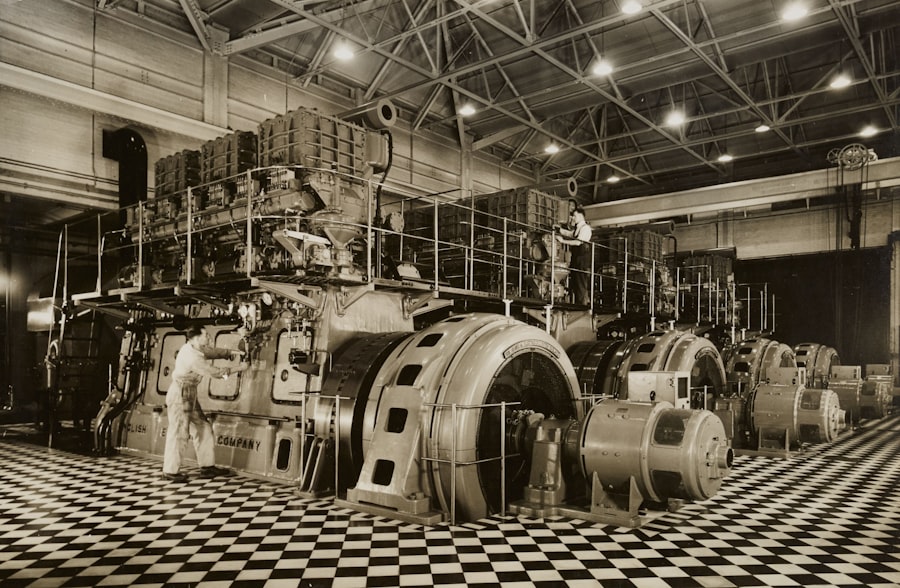
Technological innovation is playing a pivotal role in enhancing helium production capacity and efficiency. Advances in extraction techniques have allowed producers to tap into previously inaccessible reserves, increasing overall supply. For instance, improvements in cryogenic distillation processes have made it possible to separate helium from natural gas more effectively, resulting in higher yields.
Moreover, research into alternative sources of helium is gaining traction. Scientists are exploring methods to extract helium from unconventional sources such as volcanic gases or even from the atmosphere itself. While these technologies are still in their infancy, they hold promise for diversifying the supply chain and reducing dependence on traditional natural gas fields.
As technology continues to evolve, it may pave the way for a more sustainable and resilient helium production landscape.
Helium Production and Economic Growth
The relationship between helium production and economic growth is multifaceted and significant. As industries increasingly rely on helium for various applications, the demand for this resource translates into economic opportunities across multiple sectors. The healthcare industry, for example, benefits from the use of helium in MRI machines, which enhances diagnostic capabilities and drives growth within medical technology.
Furthermore, regions with substantial helium production capabilities often experience economic benefits through job creation and investment in infrastructure. The establishment of processing facilities and distribution networks stimulates local economies and fosters innovation within related industries. As countries recognize the economic potential of helium production, they are likely to invest more heavily in this sector, further driving growth and development.
Global Demand for Helium
Global demand for helium has surged in recent years due to its critical role in various high-tech applications. The healthcare sector remains one of the largest consumers of helium, utilizing it extensively in medical imaging technologies such as MRI machines. As advancements in medical technology continue to evolve, the demand for reliable helium supplies is expected to grow even further.
In addition to healthcare, industries such as electronics manufacturing and aerospace are also driving demand for helium. The semiconductor industry relies on helium for cooling processes during chip fabrication, while aerospace applications utilize it for pressurizing fuel tanks and other critical components. This diverse range of applications highlights the importance of maintaining a steady supply of helium to support technological advancements across multiple sectors.
Future Projections for Helium Production Capacity
Looking ahead, future projections for helium production capacity indicate both challenges and opportunities. As existing reserves continue to deplete, there is an urgent need for new discoveries and enhanced extraction methods to meet rising demand. Industry experts predict that without significant investment in exploration and technology development, global supply may struggle to keep pace with consumption trends.
However, there is also optimism regarding potential breakthroughs in extraction technologies that could unlock new sources of helium. Innovations such as improved separation techniques or alternative extraction methods may help alleviate some of the supply constraints currently facing the industry. By fostering collaboration between governments, researchers, and private companies, stakeholders can work together to ensure a sustainable future for helium production.
Government Policies and Helium Production
Government policies play a crucial role in shaping the landscape of helium production and ensuring its sustainability. Regulatory frameworks that promote responsible resource management can help mitigate environmental impacts while supporting economic growth within producing regions. Additionally, policies that encourage investment in research and development can drive innovation within the industry.
Countries with significant helium resources may also implement strategic initiatives aimed at securing their position in the global market. This could include establishing partnerships with private companies or investing in infrastructure development to enhance production capabilities. By aligning government policies with industry needs, nations can create an environment conducive to sustainable helium production.
The Role of Helium in Scientific and Industrial Applications
Helium’s unique properties make it indispensable across various scientific and industrial applications. In scientific research, it serves as a coolant for superconducting magnets used in particle accelerators and other advanced technologies. Its low boiling point allows researchers to conduct experiments at extremely low temperatures, facilitating breakthroughs in fields such as quantum physics.
In industrial settings, helium’s inert nature makes it ideal for applications requiring non-reactive environments. It is commonly used in welding processes to create strong joints without contamination from atmospheric gases. Additionally, its role in cryogenics enables advancements in materials science by allowing scientists to study materials at ultra-low temperatures.
As industries continue to innovate and expand their use of helium, its significance will only grow further. In conclusion, the importance of helium production capacity cannot be overstated as it underpins numerous sectors critical to modern society. From healthcare advancements to technological innovations, the demand for this unique resource continues to rise amid challenges related to supply constraints and environmental impacts.
By embracing technological advancements and fostering collaboration among stakeholders, the future of helium production can be secured while supporting economic growth and scientific progress worldwide.
Recent developments in helium production capacity worldwide have been highlighted in a comprehensive article that discusses the increasing demand for this essential resource. As countries strive to enhance their helium production capabilities, understanding the global landscape becomes crucial. For more insights on this topic, you can read the article at Real Lore and Order.
📌WATCH THIS! The Gas War: Why 3 Countries Control Your Hospital’s Future
FAQs
What is helium production capacity?
Helium production capacity refers to the total volume of helium gas that can be extracted, processed, and made available for commercial use by producers within a specific period, usually measured annually.
Which countries have the largest helium production capacity worldwide?
The United States, Qatar, Algeria, Russia, and Canada are among the countries with the largest helium production capacities globally, with the U.S. historically being the leading producer.
How is helium produced?
Helium is primarily produced as a byproduct of natural gas extraction. It is separated from natural gas through a process of cryogenic distillation and purification.
Why is helium production capacity important?
Helium production capacity is crucial because helium is a finite resource with unique properties used in medical imaging, scientific research, electronics manufacturing, and space exploration. Adequate production capacity ensures supply stability.
Are there any challenges affecting helium production capacity?
Yes, challenges include depletion of helium-rich natural gas fields, geopolitical factors, limited new discoveries, and the high cost of extraction and purification, which can impact global supply.
Is helium production capacity expected to increase in the future?
Some new helium reserves and production projects are under development, which may increase global capacity. However, the overall growth depends on exploration success, technological advances, and market demand.
How does helium production capacity impact global helium prices?
Helium production capacity directly influences supply levels. Limited capacity or disruptions can lead to shortages, driving prices up, while increased capacity can help stabilize or reduce prices.
What industries rely heavily on helium?
Industries such as healthcare (MRI machines), aerospace, electronics manufacturing, welding, and scientific research rely heavily on helium for its unique properties like low boiling point and inertness.
Can helium be recycled to reduce dependence on production capacity?
Yes, helium recycling technologies exist and are used in some applications to reduce consumption and dependence on new helium production, but recycling alone cannot meet total demand.
Where can I find updated information on global helium production capacity?
Updated information can be found through industry reports, government energy agencies, market research firms, and organizations specializing in natural gas and helium markets.