
Climate whiplash describes rapid transitions between extreme weather conditions occurring within short timeframes, typically weeks to months. This meteorological phenomenon involves abrupt shifts from one climatic extreme to its opposite, such as severe drought followed immediately by intense flooding, or record-breaking heat waves succeeded by unseasonably cold temperatures. Scientific research indicates that climate whiplash events result from disruptions to atmospheric circulation patterns, including changes to the jet stream and ocean-atmosphere interactions.
These disruptions are increasingly linked to anthropogenic climate change, which alters the stability of weather systems and increases the likelihood of persistent extreme conditions followed by sudden reversals. The measurable impacts of climate whiplash affect multiple sectors. Agricultural systems experience reduced crop yields and increased production costs due to unpredictable growing conditions.
Water management infrastructure faces challenges from alternating periods of scarcity and excess. Economic losses from climate whiplash events in the United States alone are estimated in the billions of dollars annually, encompassing damage to property, agriculture, and transportation networks. Current climate models project an increase in the frequency and magnitude of climate whiplash events as global temperatures continue to rise.
Regions particularly vulnerable include California, the Mediterranean basin, and parts of Australia, where natural climate variability intersects with warming trends to amplify extreme weather transitions.
Key Takeaways
- Climate whiplash refers to rapid and extreme shifts in climate patterns that can destabilize societies.
- Historical collapses, such as ancient civilizations, have been linked to abrupt climate changes.
- Modern societies face economic, social, political, and health challenges due to increasing climate whiplash events.
- Building resilience and implementing effective government policies are crucial to mitigating climate whiplash impacts.
- Addressing climate whiplash requires integrating environmental justice and sustainability for a stable future.
Historical Examples of Societal Collapse Due to Climate Whiplash
Throughout history, societies have faced collapse due to environmental changes that mirror the characteristics of climate whiplash. One notable example is the decline of the Maya civilization, which experienced a series of prolonged droughts interspersed with periods of intense rainfall. These climatic shifts disrupted agricultural production and led to resource scarcity, ultimately contributing to social unrest and the disintegration of their complex society.
The Maya’s reliance on predictable weather patterns made them particularly vulnerable to these abrupt changes, illustrating how climate whiplash can precipitate societal collapse. Another historical case is the fall of the Roman Empire, which was influenced by a combination of climate variability and resource mismanagement. During the late Roman period, Europe experienced significant climatic fluctuations that affected agricultural yields.
The resulting food shortages exacerbated social tensions and weakened the empire’s ability to respond to external threats. As climate conditions shifted dramatically, the empire struggled to maintain its vast territories, leading to fragmentation and decline. These historical examples underscore the critical relationship between climate variability and societal stability, offering valuable lessons for contemporary societies facing similar challenges.
The Role of Climate Whiplash in Modern Societal Collapse
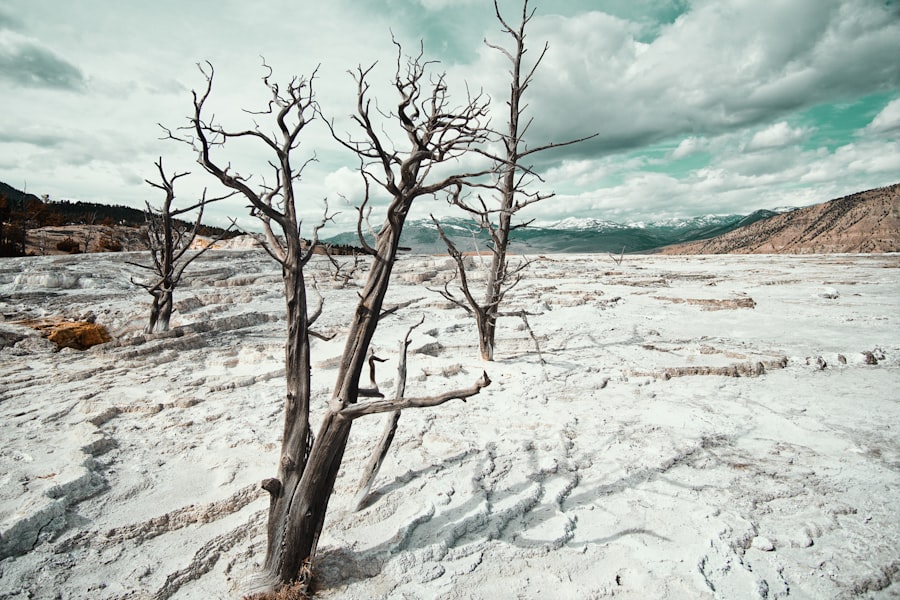
In today’s world, the impacts of climate whiplash are becoming increasingly evident as communities grapple with extreme weather events that disrupt daily life. From devastating hurricanes to unprecedented heatwaves followed by sudden cold snaps, modern societies are witnessing firsthand how these rapid changes can destabilize economies and social structures. For instance, regions that once enjoyed predictable seasonal patterns are now experiencing erratic weather that complicates agricultural planning and threatens food security.
This unpredictability can lead to increased migration as people flee areas rendered uninhabitable by extreme conditions. Moreover, climate whiplash exacerbates existing inequalities within societies. Vulnerable populations, including low-income communities and marginalized groups, often bear the brunt of these environmental shocks due to their limited resources and adaptive capacity.
As these groups struggle to cope with the consequences of climate whiplash, social tensions may rise, leading to conflict and further destabilization. The interplay between climate change and societal collapse is complex, but it is clear that addressing climate whiplash is essential for fostering resilience and ensuring a stable future for all.
Economic Impacts of Climate Whiplash
The economic ramifications of climate whiplash are profound and multifaceted. Sudden shifts in weather patterns can lead to significant disruptions in agricultural production, impacting food supply chains and driving up prices. For instance, a region that experiences an unexpected drought may see crop failures that not only affect local farmers but also ripple through national and global markets.
This volatility can create a cycle of economic instability, where communities struggle to recover from one disaster before facing another. Additionally, industries reliant on stable weather conditions—such as tourism and fishing—are also vulnerable to the impacts of climate whiplash. A sudden change in weather can deter tourists from visiting a region or disrupt fishing seasons, leading to job losses and economic decline.
The costs associated with repairing infrastructure damaged by extreme weather events further strain local economies, diverting resources away from essential services such as education and healthcare. As climate whiplash becomes more frequent, it is imperative for policymakers and businesses to develop adaptive strategies that mitigate these economic impacts.
Social and Political Impacts of Climate Whiplash
| Metric | Description | Example Data | Relevance to Climate Whiplash and Societal Collapse |
|---|---|---|---|
| Frequency of Extreme Weather Events | Number of extreme weather events (floods, droughts, heatwaves) per year | Increase from 50 events/year (1980s) to 150 events/year (2020s) | Higher frequency leads to rapid shifts in climate conditions, stressing societies |
| Annual Temperature Variability | Year-to-year temperature fluctuations in °C | ±1.5°C (1980s) to ±3.0°C (2020s) | Greater variability causes unpredictable growing seasons and resource scarcity |
| Crop Yield Variability | Yearly percentage change in staple crop yields | ±10% (stable climate) to ±30% (climate whiplash conditions) | Unstable food supply increases risk of famine and social unrest |
| Water Stress Index | Percentage of population living under water stress conditions | 25% (2000) to 40% (2020) | Water scarcity exacerbates conflicts and societal instability |
| Migration due to Climate Events | Number of people displaced annually by climate-related disasters | 20 million (2010) to 40 million (2020) | Mass displacement strains infrastructure and governance |
| Economic Loss from Climate Disasters | Annual economic damage caused by climate-related disasters (in billions) | 50 billion (1990s) to 250 billion (2020s) | Economic strain reduces capacity for adaptation and recovery |
| Social Unrest Incidents Linked to Climate Stress | Number of protests, riots, or conflicts attributed to climate-related issues | 5 incidents/year (1990s) to 25 incidents/year (2020s) | Increased social unrest can accelerate societal collapse |
The social consequences of climate whiplash extend beyond economic challenges; they also encompass shifts in community dynamics and political landscapes. As communities face increasing environmental stressors, social cohesion may fray under the pressure of resource scarcity and competition. Displacement due to extreme weather events can lead to tensions between migrants and host communities, exacerbating existing social divides.
In some cases, this can result in conflict over resources such as water or land, further destabilizing regions already grappling with the effects of climate change. Politically, climate whiplash can influence governance structures and policy responses. Governments may struggle to address the immediate needs of their populations while also planning for long-term adaptation strategies.
In some instances, political leaders may exploit environmental crises for their gain, using fear-mongering tactics to consolidate power or divert attention from other pressing issues. The interplay between climate whiplash and political dynamics underscores the need for inclusive governance that prioritizes resilience-building efforts across all sectors of society.
Health Impacts of Climate Whiplash
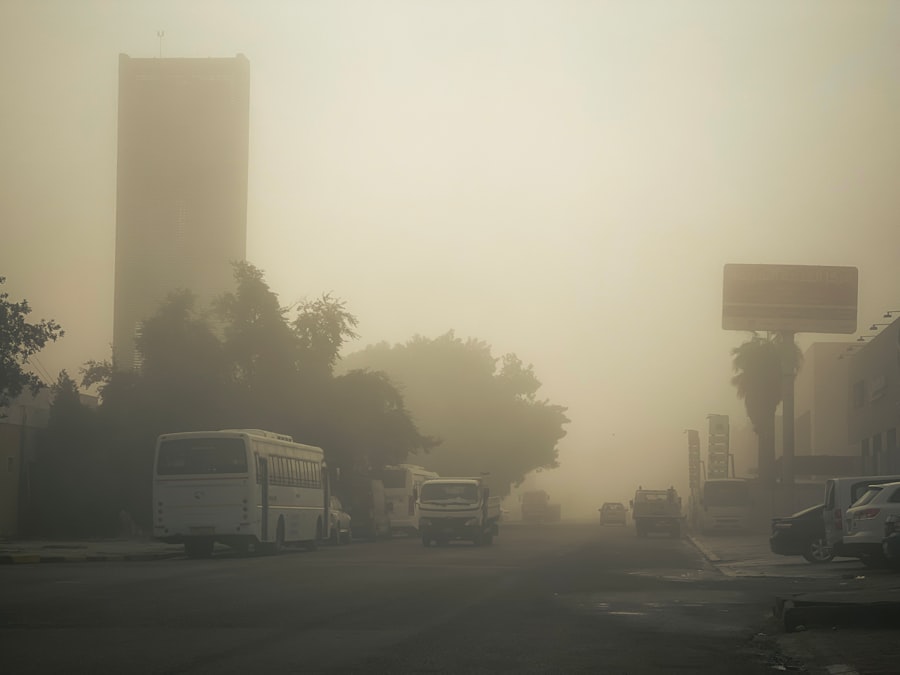
The health implications of climate whiplash are significant and varied, affecting both physical and mental well-being. Rapid changes in weather patterns can lead to increased incidences of heat-related illnesses during extreme heat events or respiratory issues during periods of poor air quality associated with wildfires or flooding. Vulnerable populations, including the elderly and those with pre-existing health conditions, are particularly at risk during these fluctuations.
Moreover, the psychological toll of experiencing climate whiplash can be profound.
Communities that have faced repeated climate shocks may develop a sense of helplessness or despair, further exacerbating mental health challenges.
Addressing these health impacts requires a comprehensive approach that includes not only immediate medical responses but also long-term mental health support systems.
Strategies for Mitigating the Impact of Climate Whiplash
To effectively mitigate the impacts of climate whiplash, a multifaceted approach is necessary. One key strategy involves investing in resilient infrastructure that can withstand extreme weather events. This includes upgrading drainage systems to handle heavy rainfall or implementing water conservation measures during droughts.
By enhancing infrastructure resilience, communities can better adapt to sudden changes in weather patterns and reduce vulnerability. Additionally, promoting sustainable agricultural practices can help mitigate the effects of climate whiplash on food security. Techniques such as crop diversification and agroecology can enhance resilience by allowing farmers to adapt to changing conditions while maintaining productivity.
Education and training programs for farmers on adaptive practices are essential for fostering a culture of resilience within agricultural communities.
The Importance of Resilience in the Face of Climate Whiplash
Building resilience is paramount in addressing the challenges posed by climate whiplash. Resilience encompasses not only physical infrastructure but also social systems that enable communities to adapt and thrive despite environmental stressors. Fostering strong social networks can enhance community cohesion and support systems during times of crisis.
When individuals feel connected to their communities, they are more likely to collaborate on solutions and share resources during difficult times. Moreover, resilience requires proactive planning at both local and national levels. Policymakers must prioritize long-term strategies that account for potential climate scenarios rather than merely reacting to immediate crises.
This forward-thinking approach can help communities anticipate challenges associated with climate whiplash and develop adaptive measures that promote sustainability and stability.
The Role of Government and Policy in Addressing Climate Whiplash
Governments play a crucial role in addressing the impacts of climate whiplash through effective policy development and implementation. Comprehensive climate action plans should prioritize resilience-building initiatives across various sectors, including agriculture, infrastructure, and public health. By integrating climate considerations into all aspects of governance, policymakers can create a more cohesive response to the challenges posed by rapid weather fluctuations.
Furthermore, collaboration between governments at different levels—local, regional, national, and international—is essential for addressing climate whiplash effectively. Sharing knowledge and resources can enhance adaptive capacity while fostering innovation in response strategies. Engaging with communities in decision-making processes ensures that policies reflect local needs and priorities, ultimately leading to more effective outcomes.
The Intersection of Climate Whiplash and Environmental Justice
The impacts of climate whiplash are not felt equally across society; marginalized communities often bear a disproportionate burden due to systemic inequalities. Environmental justice advocates emphasize the need for equitable solutions that address these disparities while promoting resilience-building efforts. Recognizing that low-income populations may lack access to resources necessary for adaptation is crucial for developing inclusive policies that prioritize vulnerable groups.
Moreover, addressing environmental justice requires acknowledging historical injustices that have contributed to current vulnerabilities. By centering marginalized voices in discussions about climate adaptation strategies, policymakers can ensure that solutions are equitable and effective in promoting resilience across all communities.
Building a Sustainable Future in the Face of Climate Whiplash
In conclusion, building a sustainable future in the face of climate whiplash necessitates a comprehensive approach that integrates resilience-building efforts across all sectors of society. By prioritizing sustainable practices in agriculture, infrastructure development, public health, and governance, communities can better adapt to the unpredictable nature of climate change. Furthermore, fostering social cohesion and inclusivity will enhance collective resilience while addressing systemic inequalities.
As societies navigate an increasingly volatile climate landscape, it is imperative that they learn from historical examples while embracing innovative solutions for adaptation. By recognizing the interconnectedness of environmental challenges and societal stability, communities can work towards a sustainable future that not only withstands the impacts of climate whiplash but thrives despite them.
Climate whiplash, characterized by extreme fluctuations in weather patterns, poses significant risks to societal stability and can contribute to the conditions that lead to societal collapse. A related article that delves into the implications of these rapid climate changes and their potential impact on communities can be found at com/’>Real Lore and Order.
This resource provides valuable insights into how climate variability can exacerbate existing social tensions and disrupt essential services, ultimately threatening the fabric of society.
WATCH THIS! 🏛️ Empires Didn’t Collapse—They Got Erased: The Pattern Nobody Sees
FAQs
What is climate whiplash?
Climate whiplash refers to the rapid and extreme swings between different climate conditions, such as sudden shifts from drought to intense rainfall or from heatwaves to cold spells. These abrupt changes can disrupt ecosystems, agriculture, and water supplies.
How does climate whiplash relate to societal collapse?
Climate whiplash can exacerbate existing vulnerabilities in societies by causing resource shortages, damaging infrastructure, and triggering economic instability. When combined with other stressors, these impacts may contribute to social unrest, displacement, and in extreme cases, societal collapse.
What causes climate whiplash?
Climate whiplash is primarily caused by changes in atmospheric and oceanic patterns influenced by global warming. Increased greenhouse gas emissions lead to more volatile weather systems, making extreme events more frequent and intense.
Can climate whiplash be predicted?
While meteorologists can forecast some extreme weather events, predicting the exact timing and severity of climate whiplash remains challenging due to the complex interactions within the climate system.
What are the potential impacts of climate whiplash on agriculture?
Rapid shifts between drought and heavy rainfall can damage crops, reduce yields, and disrupt planting and harvesting schedules, threatening food security.
How can societies adapt to climate whiplash?
Adaptation strategies include improving water management, investing in resilient infrastructure, diversifying crops, enhancing early warning systems, and developing emergency response plans.
Is climate whiplash a new phenomenon?
While extreme weather events have always occurred, the frequency and intensity of rapid climate swings have increased in recent decades due to human-induced climate change.
What role does climate whiplash play in global climate change discussions?
Climate whiplash highlights the need for urgent mitigation and adaptation efforts, as it underscores the unpredictable and severe consequences of climate change on human and natural systems.
Are certain regions more vulnerable to climate whiplash?
Yes, regions with already variable climates, such as parts of Africa, the western United States, and Australia, are particularly susceptible to the effects of climate whiplash.
What is societal collapse in the context of climate change?
Societal collapse refers to the breakdown of social, economic, and political structures within a society, often resulting from prolonged environmental stress, resource depletion, and inability to cope with climate-related challenges.