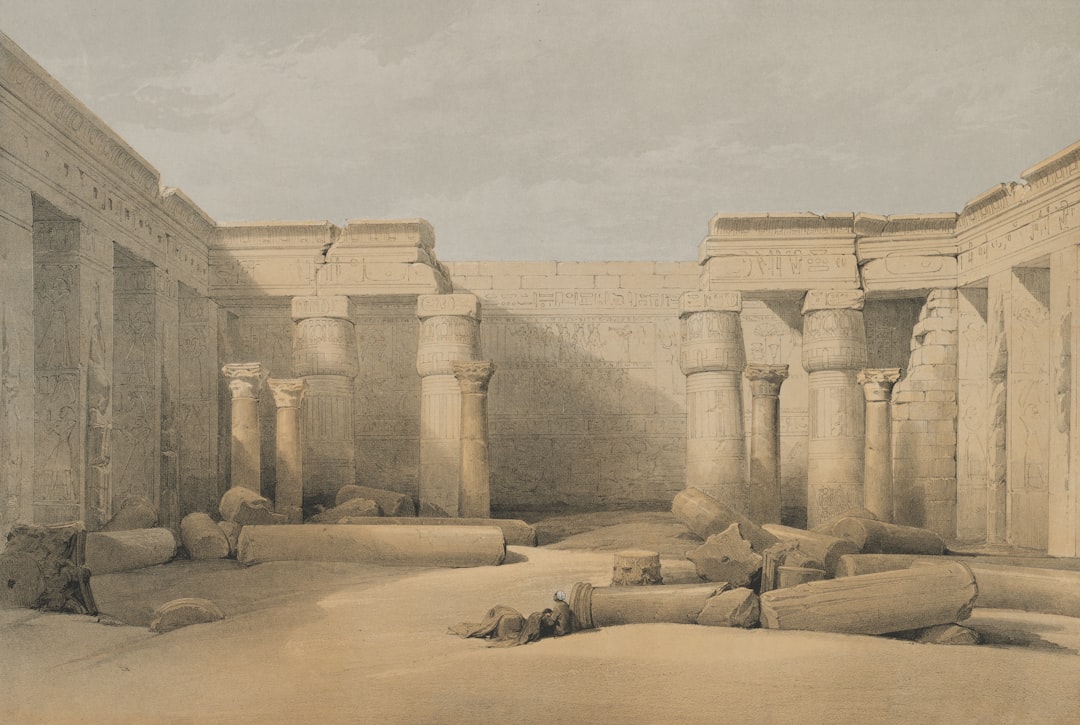
Ancient empires were large-scale political organizations that controlled extensive territories and governed diverse populations across multiple regions. These entities significantly influenced the development of human civilization through their administrative systems, cultural practices, and technological innovations. Major examples include the Roman Empire, Persian Empire, Chinese dynasties, and various Mesopotamian kingdoms that dominated different historical periods.
These empires typically emerged through military conquest, strategic alliances, or gradual territorial expansion. They established complex governmental structures to manage vast distances and heterogeneous populations, often incorporating local customs while imposing imperial authority. Many developed sophisticated infrastructure networks, including roads, communication systems, and administrative centers that facilitated trade and governance across their domains.
Ancient empires contributed substantially to human knowledge and cultural development. They advanced architectural techniques, as evidenced by Roman engineering, Persian palatial complexes, and Chinese imperial construction projects.
Military innovations, including organized armies, siege warfare, and strategic planning, emerged from imperial competition and expansion. The administrative, legal, and cultural frameworks established by ancient empires influenced subsequent civilizations and continue to affect modern political and social structures. Their historical records provide essential data for understanding early urbanization, economic systems, and cross-cultural interactions that shaped regional development patterns.
Key Takeaways
- Ancient empires rose through early conquests and strategic expansion.
- Their peak was marked by significant power, influence, and cultural achievements.
- Internal conflicts and external threats often led to their decline and eventual fall.
- The legacy of ancient empires continues to shape modern societies and political structures.
- Studying their rise and fall offers valuable lessons and insights relevant to contemporary empires.
The Early Rise of Ancient Empires
The early rise of ancient empires can be traced back to the development of agriculture and the establishment of settled communities. As societies transitioned from nomadic lifestyles to agrarian economies, they began to form complex social structures that laid the groundwork for future empires. The Fertile Crescent, often referred to as the cradle of civilization, witnessed the emergence of powerful city-states such as Sumer and Akkad.
These early entities set the stage for larger empires by fostering trade networks and cultural exchanges. As these city-states grew in power and influence, they began to consolidate their territories through alliances and conquests. The Akkadian Empire, for instance, unified various Sumerian city-states under a centralized authority, marking one of the first instances of imperial governance.
This early model of empire-building demonstrated the importance of military strength and strategic diplomacy in achieving dominance. The rise of ancient empires was not merely a result of conquest; it was also driven by innovation in administration and infrastructure that facilitated communication and trade across vast distances.
Expansion and Conquest

The expansion and conquest of ancient empires were often fueled by a combination of ambition, necessity, and opportunity. As empires sought to secure resources, expand their territories, and assert their dominance over rival states, military campaigns became a hallmark of imperial strategy. The Assyrian Empire, known for its formidable army and advanced warfare tactics, exemplified this aggressive expansionism.
Through a series of brutal conquests, the Assyrians established one of the largest empires in the ancient world, stretching from Mesopotamia to Egypt. Conquest was not solely about military might; it also involved strategic alliances and the incorporation of conquered peoples into the empire’s administrative framework. The Roman Empire, for example, employed a policy of assimilation that allowed conquered territories to retain certain aspects of their local governance while integrating them into the broader imperial system.
This approach not only facilitated control but also fostered loyalty among diverse populations. The expansionist policies of ancient empires often led to cultural exchanges that enriched both the conquerors and the conquered, resulting in a dynamic interplay of ideas, technologies, and traditions.
The Peak of Power and Influence
At their zenith, ancient empires wielded immense power and influence that extended far beyond their borders. The Roman Empire, for instance, reached its peak during the Pax Romana, a period characterized by relative peace and stability across its vast territories. This era allowed for unprecedented economic growth, cultural flourishing, and infrastructural development.
Roads, aqueducts, and monumental architecture became symbols of Roman engineering prowess and facilitated trade and communication throughout the empire. Similarly, the Han Dynasty in China experienced a golden age marked by advancements in technology, philosophy, and trade. The Silk Road emerged as a vital trade route connecting China with distant lands, enabling the exchange of goods, ideas, and cultural practices.
During this period, empires not only expanded their territorial reach but also became centers of learning and innovation. The flourishing arts and sciences within these empires laid the groundwork for future civilizations and contributed to humanity’s collective knowledge.
The Challenges and Threats Faced by Ancient Empires
| Empire | Time Period | Region | Peak Population (millions) | Notable Achievements | Capital City |
|---|---|---|---|---|---|
| Sumerian Empire | c. 4500–1900 BCE | Mesopotamia | 0.5 | Invention of writing (cuneiform), early city-states | Uruk |
| Egyptian Empire (Old Kingdom) | c. 2686–2181 BCE | North Africa (Nile Valley) | 1.5 | Pyramids construction, hieroglyphics | Memphis |
| Akkadian Empire | c. 2334–2154 BCE | Mesopotamia | 1.0 | First empire to unite city-states, Semitic language spread | Akkad |
| Hittite Empire | c. 1600–1178 BCE | Anatolia (modern Turkey) | 2.0 | Iron smelting, early legal codes | Hattusa |
| Assyrian Empire | c. 2500–609 BCE | Mesopotamia | 5.0 | Military innovations, extensive libraries | Nineveh |
| Babylonian Empire | c. 1894–539 BCE | Mesopotamia | 2.5 | Code of Hammurabi, advances in astronomy | Babylon |
| Persian Empire (Achaemenid) | c. 550–330 BCE | Middle East, parts of Asia and Africa | 17.0 | Royal Road, administrative system, tolerance policies | Persepolis |
| Maurya Empire | c. 322–185 BCE | Indian Subcontinent | 50.0 | Political unification of India, spread of Buddhism | Pataliputra |
| Roman Empire | 27 BCE–476 CE (West) | Europe, North Africa, Middle East | 56.0 | Law, engineering, roads, aqueducts | Rome |
| Han Dynasty | 206 BCE–220 CE | China | 60.0 | Silk Road, paper invention, Confucian bureaucracy | Chang’an |
Despite their grandeur, ancient empires were not immune to challenges and threats that could undermine their stability. External pressures from rival states often posed significant risks to imperial integrity. The Persian Empire faced constant threats from Greek city-states that sought to resist Persian dominance.
Similarly, the Roman Empire grappled with invasions from various barbarian tribes that tested its military capabilities and territorial boundaries. Internal strife also played a crucial role in destabilizing ancient empires. Political corruption, economic disparities, and social unrest could erode the foundations of even the most powerful states.
The late Roman Empire experienced a decline marked by civil wars and power struggles among competing factions. Such internal challenges often weakened an empire’s ability to respond effectively to external threats, creating a cycle of decline that could be difficult to reverse.
Internal Struggles and Decline
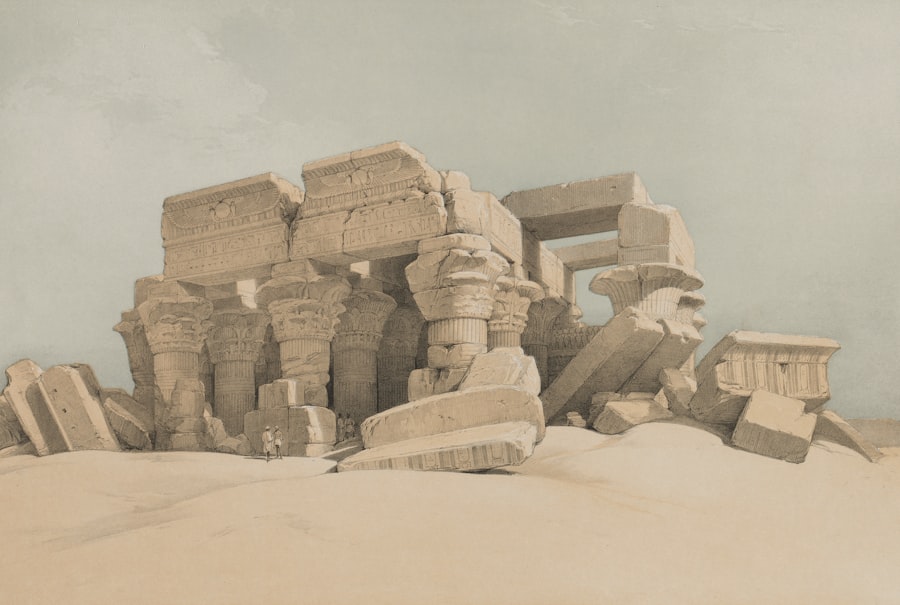
The internal struggles faced by ancient empires often stemmed from a combination of political instability, economic challenges, and social discontent. As empires expanded, they frequently encountered difficulties in managing diverse populations with varying interests and needs. The Roman Empire’s vastness made it increasingly challenging to govern effectively, leading to bureaucratic inefficiencies and corruption that undermined public trust.
Economic factors also played a significant role in the decline of ancient empires. Overreliance on slave labor in Rome created economic disparities that fueled social unrest among free citizens who struggled to find employment. Additionally, trade disruptions due to external conflicts or internal strife could lead to resource shortages that further exacerbated tensions within society.
As discontent grew among various factions, the cohesion necessary for maintaining an empire began to erode.
The Fall of Ancient Empires
The fall of ancient empires is often a complex process influenced by a multitude of factors rather than a singular event. The Western Roman Empire’s collapse in 476 CE serves as a poignant example; it was not merely due to barbarian invasions but rather a culmination of internal decay exacerbated by external pressures.
Similarly, the fall of the Han Dynasty was marked by corruption within its ruling elite and widespread peasant revolts that destabilized its authority. As central power weakened, regional warlords emerged, leading to fragmentation and chaos within the empire. These examples illustrate that the decline of ancient empires was rarely sudden; instead, it was often a gradual process marked by a series of crises that ultimately led to their downfall.
Legacy and Impact of Ancient Empires
The legacy of ancient empires is profound and far-reaching, influencing subsequent civilizations in various ways. Their contributions to governance, law, architecture, art, and culture continue to resonate throughout history. The Roman legal system laid foundational principles that still underpin modern legal frameworks today.
Similarly, advancements in engineering from ancient civilizations have shaped contemporary infrastructure. Culturally, ancient empires facilitated exchanges that enriched human knowledge and creativity. The blending of ideas from different cultures during periods of conquest led to innovations in philosophy, science, and art that transcended geographical boundaries.
The legacy of these empires serves as a reminder of humanity’s capacity for both greatness and folly—a duality that continues to shape societies around the world.
Lessons Learned from the Rise and Fall of Ancient Empires
The rise and fall of ancient empires offer valuable lessons for contemporary societies grappling with similar challenges. One key takeaway is the importance of adaptability; successful empires were often those that could respond effectively to changing circumstances—be it through military innovation or administrative reforms. This adaptability is crucial for modern nations facing globalization’s complexities.
Moreover, understanding the consequences of internal strife can inform current governance practices. Political corruption and social inequality can undermine stability; thus, fostering transparency and inclusivity is essential for maintaining societal cohesion. By studying the trajectories of ancient empires, modern leaders can glean insights into building resilient societies capable of weathering challenges while promoting unity among diverse populations.
Modern Parallels to Ancient Empires
In examining modern parallels to ancient empires, one can observe striking similarities in terms of power dynamics and territorial ambitions. Contemporary superpowers often exhibit behaviors reminiscent of historical empires—seeking influence through military presence or economic dominance on a global scale. The United States’ role in international affairs echoes aspects of Roman imperialism as it navigates complex geopolitical landscapes.
Additionally, issues such as nationalism and cultural identity reflect themes prevalent in ancient times when empires grappled with integrating diverse populations under a singular authority. Modern nations face similar challenges as they strive for unity amid growing multiculturalism. By recognizing these parallels, societies can better understand their own trajectories while learning from history’s lessons about governance and coexistence.
The Enduring Fascination with Ancient Empires
The enduring fascination with ancient empires stems from their rich narratives filled with triumphs and tragedies that resonate across time. Their stories evoke curiosity about human nature—ambition, conflict, creativity—and serve as cautionary tales about power’s fleeting nature. Documentaries, literature, films, and academic studies continue to explore these themes while captivating audiences worldwide.
Moreover, archaeological discoveries continually unveil new insights into these civilizations’ lives—offering glimpses into their cultures that spark further interest among scholars and enthusiasts alike. As long as humanity seeks to understand its past while navigating an uncertain future, the allure of ancient empires will remain an integral part of our collective consciousness—a testament to both our achievements and our vulnerabilities throughout history.
The deep history of ancient empires reveals the intricate tapestry of human civilization, showcasing how these powerful entities shaped the world we live in today. For a more in-depth exploration of this topic, you can read the article on the evolution of ancient societies at Real Lore and Order. This resource delves into the rise and fall of empires, providing valuable insights into their cultural, political, and economic impacts throughout history.
WATCH THIS! 🏛️ Empires Didn’t Collapse—They Got Erased: The Pattern Nobody Sees
FAQs
What is meant by the term “ancient empires”?
Ancient empires refer to large political entities or states that existed in antiquity, typically characterized by extensive territories, centralized authority, and diverse populations under a single ruler or government.
Which are some of the earliest known ancient empires?
Some of the earliest known ancient empires include the Akkadian Empire in Mesopotamia, the Egyptian Old Kingdom, the Hittite Empire in Anatolia, and the Indus Valley Civilization.
How did ancient empires expand their territories?
Ancient empires expanded through military conquest, strategic alliances, trade, colonization, and sometimes through the assimilation of neighboring cultures and peoples.
What role did ancient empires play in cultural development?
Ancient empires facilitated the spread of languages, religions, technologies, and artistic styles, contributing significantly to cultural exchange and the development of civilizations.
How were ancient empires governed?
Governance varied but often included a centralized authority such as a king or emperor, bureaucratic administration, legal codes, and systems for tax collection and resource management.
What led to the decline of many ancient empires?
Common factors in the decline of ancient empires include internal strife, economic difficulties, invasions by external forces, environmental changes, and administrative challenges.
Why is studying the deep history of ancient empires important?
Studying the deep history of ancient empires helps us understand the foundations of modern societies, political systems, cultural practices, and human interactions over time.
What sources do historians use to study ancient empires?
Historians rely on archaeological evidence, ancient texts and inscriptions, artifacts, architectural remains, and sometimes oral traditions to reconstruct the history of ancient empires.