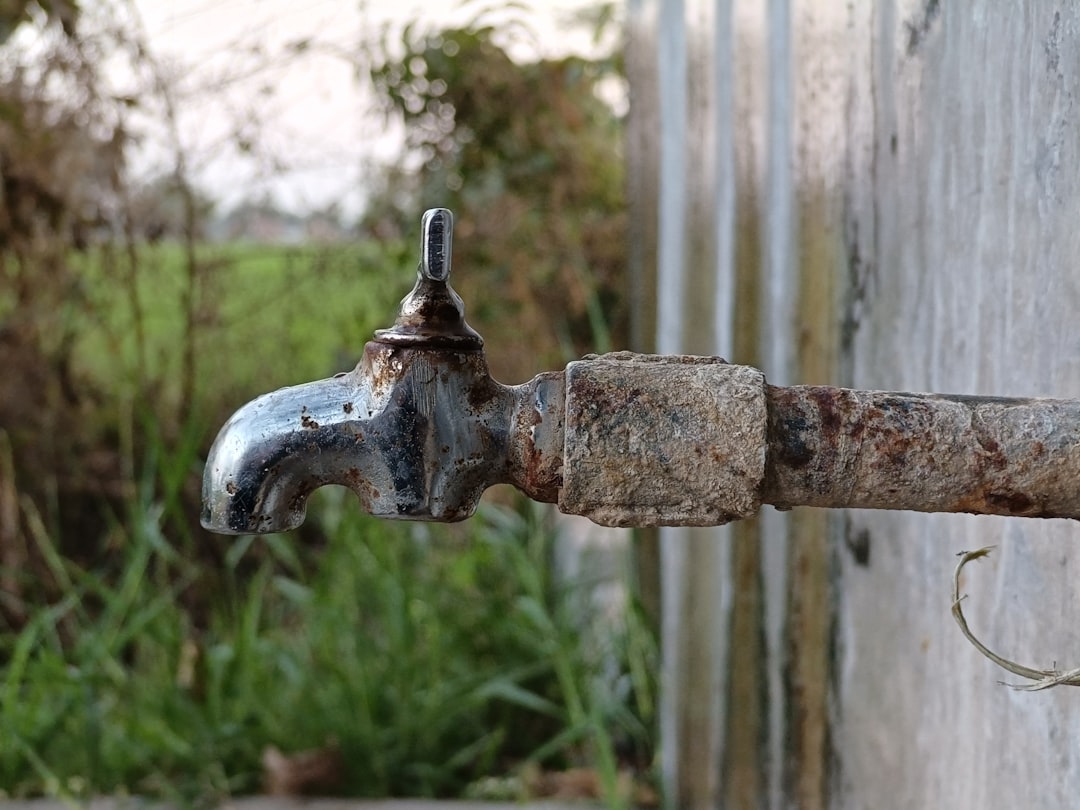
Throughout history, civilizations have consistently developed in close proximity to reliable water sources, establishing a fundamental dependency that has determined their trajectory from emergence to decline. Archaeological evidence demonstrates that major ancient civilizations, including those in Mesopotamia, the Indus Valley, Egypt, and China, all originated along river systems that provided essential resources for agriculture, transportation, and urban development. Water infrastructure has served as both an indicator and driver of civilizational advancement.
The Mesopotamians constructed extensive canal systems beginning around 3500 BCE to manage the Tigris and Euphrates rivers for irrigation. Similarly, the Roman Empire built over 400 kilometers of aqueducts to supply water to urban centers, while the Inca developed sophisticated terracing and water management systems in mountainous terrain. These engineering achievements enabled population growth, agricultural surplus, and economic specialization.
However, historical records reveal that water-related challenges have also contributed to civilizational collapse.
The Khmer Empire’s elaborate water management system at Angkor became unsustainable due to climate variability and maintenance demands.
These examples illustrate how civilizations that failed to adapt their water systems to environmental changes faced population displacement, economic disruption, and political instability.
Key Takeaways
- Water systems have been crucial to the rise and fall of civilizations throughout history.
- Mismanagement of irrigation and water resources often led to environmental degradation and societal collapse.
- Droughts and water scarcity significantly contributed to political conflicts and economic instability.
- Effective water management is essential for maintaining social order and preventing collapse.
- Studying past civilizations offers valuable lessons for sustainable water use and future civilization resilience.
The Importance of Water for Civilizations
Water is often referred to as the lifeblood of civilizations, a resource that sustains life and enables growth. It is essential for drinking, agriculture, sanitation, and industry. The availability of fresh water directly influences population density and urbanization.
In fertile regions where water is abundant, such as river valleys, civilizations flourished, leading to advancements in culture, technology, and governance. The agricultural revolution itself was predicated on the ability to cultivate crops in areas with reliable water sources, allowing societies to transition from nomadic lifestyles to settled communities. Moreover, water systems have historically facilitated trade and communication.
Rivers served as highways for transporting goods and people, fostering economic interdependence among neighboring regions. The establishment of trade routes along major waterways contributed to cultural exchanges and the spread of ideas. In this way, water not only supported the physical needs of civilizations but also acted as a catalyst for social and economic development.
The intricate networks of canals and irrigation systems developed by ancient societies exemplify how vital water management was to their prosperity.
Examples of Civilizations that Collapsed Due to Water Systems

History is replete with examples of civilizations that faced catastrophic declines due to mismanagement or depletion of their water resources. One notable case is that of the Maya civilization, which thrived in Mesoamerica for centuries. The Maya developed sophisticated agricultural techniques and urban centers reliant on a network of reservoirs and canals.
However, prolonged droughts combined with deforestation led to severe water shortages. As agricultural yields plummeted, social unrest grew, ultimately contributing to the civilization’s fragmentation and decline. Similarly, the ancient Indus Valley civilization faced a dramatic collapse attributed to changes in river patterns and climate variability.
The once-reliable monsoon rains began to wane, leading to reduced river flow in the Indus River system. This shift severely impacted agriculture and trade, resulting in urban decline and population dispersal. These examples underscore the critical role that water systems play in sustaining civilizations; when these systems falter, the repercussions can be dire.
The Role of Irrigation in Civilization Collapse
Irrigation has been a cornerstone of agricultural development throughout history, enabling civilizations to thrive in arid regions. However, reliance on irrigation can also lead to unintended consequences that contribute to societal collapse. In ancient Mesopotamia, for instance, extensive irrigation practices led to salinization of the soil.
As farmers diverted river water for their fields, salts accumulated in the soil over time, rendering it less fertile. This agricultural decline weakened the economic foundation of the civilization and contributed to its eventual downfall. The case of the Khmer Empire in Southeast Asia further illustrates how irrigation systems can become a double-edged sword.
The Khmer developed an intricate network of canals and reservoirs that supported their agricultural economy. However, over time, mismanagement and environmental changes led to flooding and sedimentation issues that compromised these systems. As agricultural productivity declined, so too did the empire’s ability to sustain its population and maintain political stability.
These examples highlight that while irrigation can enhance agricultural output, it must be managed sustainably to prevent long-term detrimental effects.
Environmental Degradation and Water Systems
| Metric | Description | Impact on Society | Example |
|---|---|---|---|
| Water Scarcity Index | Measures the ratio of water demand to available supply | High scarcity leads to agricultural failure and food shortages | Ancient Mesopotamia droughts |
| Water Quality Degradation | Level of pollutants and contaminants in water sources | Causes health crises and reduces usable water | Lead contamination in Flint, Michigan |
| Infrastructure Failure Rate | Frequency of breakdowns in water delivery systems | Disrupts water access, leading to social unrest | Collapse of Roman aqueducts |
| Population to Water Resource Ratio | Number of people dependent on a given water source | Overpopulation strains water availability | Indus Valley Civilization decline |
| Water Conflict Incidents | Number of disputes over water rights and access | Leads to political instability and warfare | Water wars in the Middle East |
| Agricultural Water Use Efficiency | Ratio of crop yield to water consumed | Low efficiency causes resource depletion and famine | Collapse of Mayan civilization |
Environmental degradation poses a significant threat to water systems and, by extension, the civilizations that depend on them. Deforestation, soil erosion, and pollution can all compromise the quality and availability of freshwater resources. As civilizations expand and industrialize, they often prioritize short-term gains over long-term sustainability, leading to practices that degrade their natural environment.
For instance, urbanization can lead to increased runoff and contamination of local water sources, exacerbating existing water scarcity issues. The impact of environmental degradation is not limited to immediate effects; it can create a cascade of challenges for civilizations. As water quality diminishes and availability becomes erratic, agricultural productivity suffers, leading to food insecurity and social unrest.
The historical record shows that many civilizations faced collapse not solely due to drought or flooding but because they failed to recognize the interconnectedness of their environmental practices with their water systems. Sustainable management of natural resources is crucial for ensuring the longevity of both water systems and the civilizations they support.
The Impact of Droughts on Civilizations

Droughts have historically been one of the most significant threats to civilizations reliant on consistent water supply for agriculture and daily life. Prolonged periods without rain can devastate crops, leading to food shortages and economic instability. The ancient Egyptians relied heavily on the annual flooding of the Nile River; when this cycle was disrupted by droughts or changes in climate patterns, it could spell disaster for their agricultural economy.
Such events not only affected food production but also had far-reaching implications for social cohesion and political stability. The consequences of drought extend beyond immediate agricultural impacts; they can trigger migrations as populations seek more hospitable environments. This movement can lead to conflicts over resources in areas already under strain from environmental pressures.
The collapse of various ancient civilizations can often be traced back to a series of drought events that eroded their capacity to sustain large populations. Understanding how droughts have shaped human history underscores the need for effective water management strategies that can mitigate these risks in contemporary society.
Water Management and Civilizations
Effective water management has been a hallmark of successful civilizations throughout history. Societies that developed comprehensive strategies for managing their water resources often experienced greater stability and prosperity than those that did not. Ancient Rome is a prime example; its extensive aqueduct system allowed for efficient transportation of fresh water across vast distances, supporting urban centers and public health initiatives.
The Romans understood that maintaining clean water supplies was essential not only for agriculture but also for public hygiene and overall quality of life. Conversely, poor water management practices can lead to dire consequences for civilizations. The decline of various societies often correlates with a failure to adapt their water management strategies in response to changing environmental conditions or population pressures.
As civilizations grow or face new challenges such as climate change or resource depletion, their ability to manage water effectively becomes increasingly critical. Lessons from history emphasize that proactive planning and sustainable practices are essential for ensuring long-term viability in an ever-changing world.
The Role of Water in Social and Political Conflict
Water scarcity has long been a source of conflict among societies, often exacerbating existing tensions or creating new ones. As populations grow and demand for freshwater increases, competition over limited resources can lead to disputes at local, national, or even international levels. Historical records reveal numerous instances where access to water has sparked wars or territorial disputes; the Tigris-Euphrates region has seen its share of conflicts rooted in competition for these vital waterways.
In modern times, the geopolitical implications of water scarcity continue to unfold as nations grapple with transboundary river systems and shared aquifers.
As climate change intensifies pressures on freshwater availability globally, it is likely that conflicts over water will become more pronounced unless collaborative management strategies are implemented.
The Influence of Water Systems on Economic Collapse
The economic stability of civilizations is often closely tied to their ability to manage water resources effectively. When water systems fail or become compromised due to mismanagement or environmental changes, the economic repercussions can be severe. Agricultural economies are particularly vulnerable; crop failures due to drought or flooding can lead to food shortages that drive up prices and destabilize markets.
This economic strain can result in widespread poverty and social unrest. Moreover, industries reliant on freshwater—such as textiles or food processing—can face significant challenges when access to clean water is restricted or polluted. Historical examples abound where economic collapse followed environmental degradation or poor water management practices.
The lessons learned from these instances highlight the importance of sustainable practices that prioritize both economic growth and environmental stewardship.
Lessons Learned from Past Civilizations’ Downfall
The study of past civilizations offers valuable insights into the critical role that water systems play in societal sustainability. One key lesson is the importance of adaptability; civilizations that failed to adjust their practices in response to changing environmental conditions often faced dire consequences. For instance, societies like the Ancestral Puebloans in North America experienced significant declines when they could not adapt their agricultural practices during prolonged droughts.
Another important takeaway is the necessity for integrated resource management approaches that consider not only immediate needs but also long-term sustainability. Civilizations that prioritized holistic management strategies—balancing agricultural demands with environmental health—tended to fare better over time. These lessons serve as cautionary tales for contemporary societies grappling with similar challenges related to water scarcity and environmental degradation.
The Future of Water Systems and Civilization Sustainability
As humanity faces unprecedented challenges related to climate change and population growth, the future sustainability of civilizations will hinge on effective management of water systems. Innovative technologies such as desalination, rainwater harvesting, and advanced irrigation techniques offer promising solutions for addressing freshwater scarcity in many regions around the world. However, these technologies must be implemented alongside policies that promote conservation and equitable access to resources.
Furthermore, fostering collaboration among nations sharing transboundary water resources will be essential for preventing conflicts over dwindling supplies. By learning from historical precedents and prioritizing sustainable practices today, societies can work towards ensuring that future generations inherit resilient water systems capable of supporting thriving civilizations. In conclusion, the intricate relationship between civilizations and their water systems has shaped human history profoundly.
Understanding this connection provides valuable insights into both past failures and future opportunities for sustainable development in an increasingly resource-constrained world.
The intricate relationship between water systems and the stability of societies has been a topic of significant research, highlighting how the mismanagement or collapse of these systems can lead to societal decline. For a deeper understanding of this phenomenon, you can explore the article on this subject at this link. This article delves into historical examples and contemporary implications, illustrating the critical role that sustainable water management plays in maintaining societal resilience.
WATCH THIS! 🏛️ Empires Didn’t Collapse—They Got Erased: The Pattern Nobody Sees
FAQs
What are water systems in the context of societies?
Water systems refer to the infrastructure and natural resources that manage the collection, distribution, and treatment of water for a community or society. This includes rivers, reservoirs, aqueducts, wells, pipes, and treatment plants.
How can the collapse of water systems impact a society?
The collapse of water systems can lead to a shortage of clean drinking water, poor sanitation, increased spread of diseases, agricultural failure, economic decline, and social unrest, ultimately destabilizing or collapsing societies.
What are common causes of water system collapse?
Common causes include natural disasters (droughts, floods, earthquakes), infrastructure failure due to aging or poor maintenance, contamination of water sources, overuse of water resources, and conflict or war damaging water infrastructure.
Can water scarcity lead to societal collapse?
Yes, prolonged water scarcity can undermine food production, health, and economic activities, which may trigger migration, conflict, and the breakdown of social order, contributing to societal collapse.
Are there historical examples of societies collapsing due to water system failures?
Yes, examples include the collapse of the ancient Mesopotamian civilizations due to salinization and irrigation failures, and the decline of the Ancestral Puebloans linked to drought and water shortages.
How does water pollution contribute to the collapse of water systems?
Water pollution contaminates drinking and irrigation water, making it unsafe and reducing available clean water. This can lead to health crises, reduce agricultural productivity, and strain water management systems.
What role does climate change play in water system stability?
Climate change affects precipitation patterns, increases the frequency of droughts and floods, and alters water availability, putting additional stress on water systems and increasing the risk of their collapse.
How can societies prevent the collapse of their water systems?
Prevention strategies include sustainable water management, investment in resilient infrastructure, pollution control, conservation efforts, diversification of water sources, and effective governance and planning.
Is water system collapse always sudden?
No, water system collapse can be gradual, with progressive degradation of water quality and availability, or sudden due to disasters or conflict that damage infrastructure.
What are the social consequences of water system collapse?
Consequences include increased poverty, health problems, displacement of populations, conflicts over remaining water resources, and loss of trust in governing institutions.