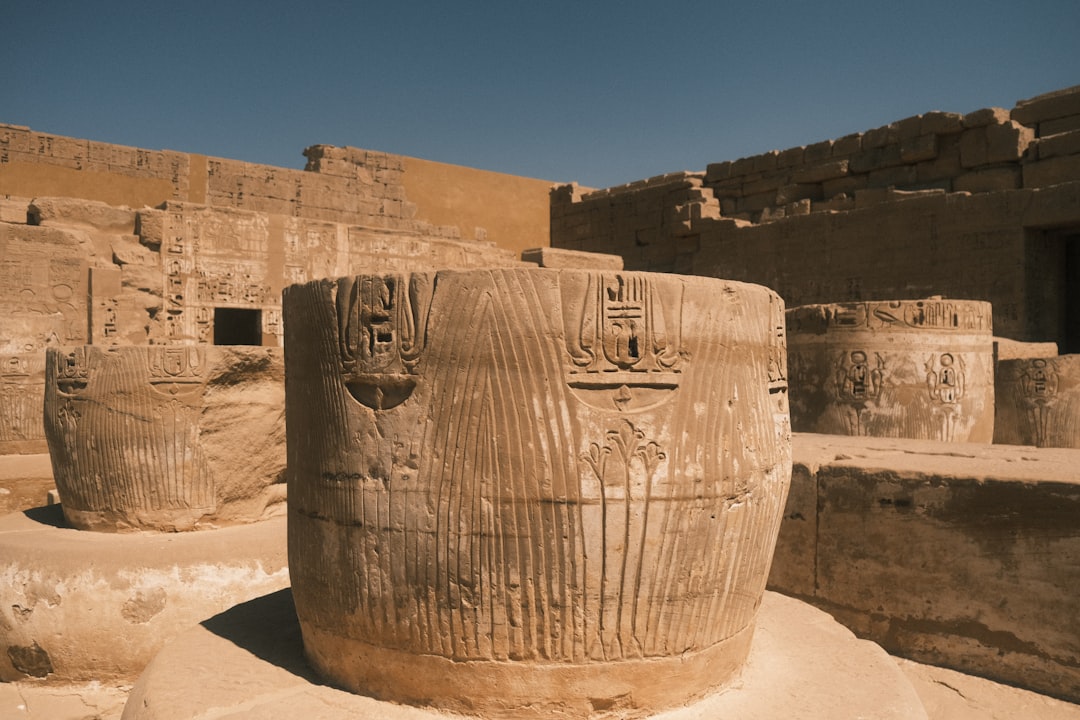
Ancient engineering constitutes a significant period in human technological development, demonstrating the problem-solving capabilities and technical knowledge of early civilizations. Structures such as the Egyptian pyramids and Roman aqueduct systems served essential functions while representing the technological and cultural achievements of their respective societies. Analysis of ancient engineering practices reveals how early civilizations utilized available natural resources, developed construction methodologies, and applied their understanding of physical principles to create durable structures that remain standing today.
Research into ancient engineering techniques provides important information about the origins of modern engineering principles and the continuous development of human technological innovation. Ancient engineering encompasses more than construction activities; it represents systematic approaches to problem-solving and knowledge application. As civilizations developed, their engineering capabilities advanced correspondingly, producing technological innovations that influenced subsequent historical developments.
Examination of ancient engineering methods and principles demonstrates the technical complexity and sophisticated understanding required for their implementation. This analysis covers multiple dimensions of ancient engineering, including its historical importance, construction techniques, mathematical principles, tools and materials used, and its influence on modern engineering practices.
Key Takeaways
- Ancient engineering relied heavily on precision and advanced mathematical knowledge.
- Specialized tools and materials were crucial for constructing enduring structures.
- Iconic engineering marvels demonstrate the ingenuity and skill of ancient civilizations.
- Ancient techniques continue to influence modern technology and engineering practices.
- Understanding and applying ancient engineering secrets can inspire future innovations.
The Importance of Precision in Ancient Engineering
Precision was paramount in ancient engineering, as even the slightest miscalculation could lead to catastrophic failures in construction. The architects and builders of ancient civilizations understood that their structures needed to be not only functional but also durable and aesthetically pleasing. This understanding drove them to develop methods that ensured accuracy in measurements and alignments.
For instance, the construction of the Great Pyramid of Giza required an extraordinary level of precision; its base is nearly perfectly level, and its sides are aligned with the cardinal points of the compass. Such meticulous attention to detail exemplifies the importance placed on precision in ancient engineering. Moreover, precision in ancient engineering was not solely about achieving structural integrity; it also played a crucial role in the cultural significance of these constructions.
Many ancient structures were designed to reflect religious beliefs or societal values, necessitating a high degree of accuracy to convey their intended messages. The alignment of temples with celestial bodies or the proportions of sacred buildings often required advanced knowledge of geometry and astronomy. Thus, precision was not merely a technical requirement but a fundamental aspect that intertwined with the cultural and spiritual dimensions of ancient societies.
Understanding Ancient Engineering Techniques

The techniques employed by ancient engineers were diverse and varied across different civilizations, each adapting their methods to suit their unique environments and resources. One prominent technique was the use of simple machines, such as levers, pulleys, and ramps, which facilitated the movement and placement of heavy materials. The Egyptians, for example, are believed to have used sledges and lubricated surfaces to transport massive stone blocks for pyramid construction.
This ingenuity in utilizing basic mechanical principles allowed them to achieve monumental feats that still captivate modern observers. In addition to simple machines, ancient engineers often relied on trial and error to refine their techniques. They meticulously documented their processes and learned from past mistakes, gradually improving their methods over generations.
The Romans excelled in this regard, developing advanced construction techniques such as the use of concrete and arches, which enabled them to build enduring structures like aqueducts and amphitheaters. By understanding the strengths and limitations of various materials, they were able to innovate and create architectural marvels that showcased their engineering prowess.
The Role of Mathematics in Ancient Engineering
Mathematics served as a cornerstone for ancient engineering, providing the necessary framework for understanding dimensions, proportions, and spatial relationships. Ancient civilizations recognized the importance of mathematical principles in achieving precision and efficiency in their constructions. The Egyptians utilized geometry extensively in their architectural designs, employing techniques such as the 3-4-5 triangle method to ensure right angles in their structures.
This mathematical approach not only facilitated accurate measurements but also contributed to the aesthetic harmony of their buildings. Furthermore, mathematics played a vital role in surveying land and planning construction projects. The Mesopotamians developed early forms of geometry for land measurement, which was essential for agriculture and urban planning.
Similarly, the Greeks made significant contributions to mathematics that influenced engineering practices. Figures like Euclid and Archimedes laid down foundational principles that would guide engineers for centuries to come. The integration of mathematics into engineering practices allowed ancient builders to achieve remarkable feats while ensuring that their structures were both functional and visually appealing.
Tools and Materials Used in Ancient Engineering
| Ancient Civilization | Engineering Achievement | Techniques Used | Precision Metrics | Materials |
|---|---|---|---|---|
| Ancient Egypt | Pyramids Construction | Use of leveling tools, plumb bobs, and sighting rods | Alignment within 3 arc minutes of true north | Limestone blocks, copper tools |
| Ancient Greece | Parthenon Architecture | Use of optical refinements and mathematical ratios | Column spacing accuracy within 1 cm over 30 m | Marble, bronze tools |
| Ancient Rome | Aqueducts and Roads | Surveying with chorobates and groma | Gradient precision of 0.1% over kilometers | Concrete, stone, lead pipes |
| Indus Valley | Urban Planning and Drainage | Grid layout with standardized brick sizes | Brick dimensions consistent within 1-2 mm | Baked bricks, mud mortar |
| Ancient China | Great Wall Construction | Use of standardized bricks and modular design | Brick size uniformity within 5 mm | Stone, bricks, tamped earth |
The tools and materials available to ancient engineers were crucial in determining the scope and scale of their projects. Stone was a primary material for many ancient civilizations, with different types being chosen based on availability and suitability for specific constructions. The Egyptians favored limestone and granite for their monumental structures, while the Greeks often used marble for its aesthetic qualities.
The selection of materials was not arbitrary; it was informed by an understanding of durability, weight, and local resources. In terms of tools, ancient engineers employed a range of implements that reflected their technological advancements. Simple hand tools such as chisels, hammers, and saws were essential for shaping stone and wood.
As civilizations progressed, more sophisticated tools emerged, including cranes and winches that facilitated the lifting of heavy materials.
The combination of appropriate materials and advanced tools enabled ancient engineers to push the boundaries of what was possible in construction.
Case Studies of Ancient Engineering Marvels
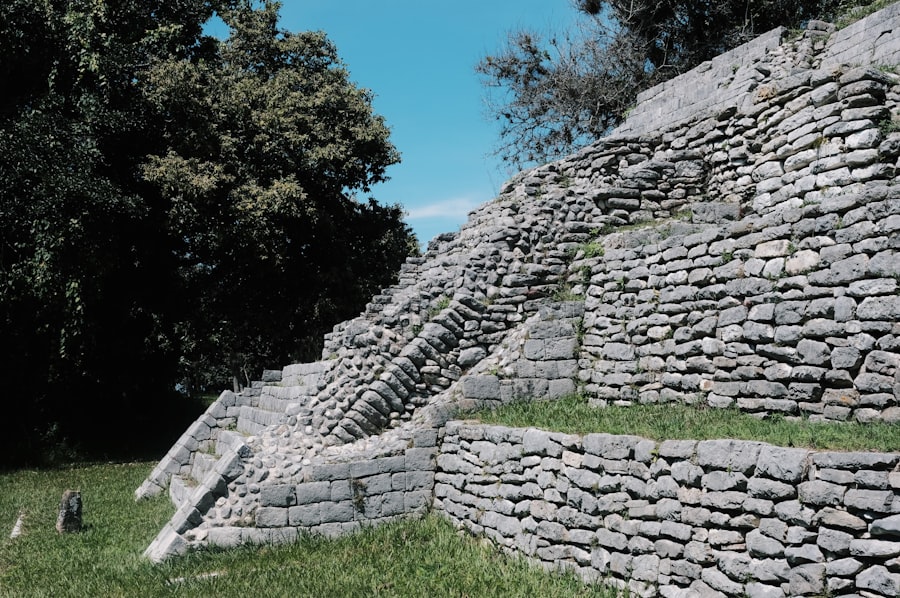
Several case studies exemplify the extraordinary achievements of ancient engineering across different cultures. One such marvel is the Great Wall of China, a monumental structure that spans thousands of miles across rugged terrain. Constructed over several dynasties, this wall showcases not only impressive engineering techniques but also strategic military planning.
Its design incorporated watchtowers and fortifications that allowed for effective defense against invasions. The sheer scale and complexity of the Great Wall highlight the collaborative efforts of countless workers who contributed to its construction over centuries. Another remarkable example is the Roman aqueduct system, which revolutionized water supply in urban areas.
These aqueducts utilized gravity to transport water from distant sources into cities, demonstrating an advanced understanding of hydraulics and engineering principles. The Pont du Gard in France stands as a testament to Roman ingenuity; this aqueduct bridge is not only functional but also an architectural masterpiece that has endured through time. Such case studies illustrate how ancient engineering was not merely about building structures but also about addressing societal needs through innovative solutions.
The Legacy of Ancient Engineering in Modern Society
The legacy of ancient engineering continues to resonate in modern society, influencing contemporary architectural practices and engineering principles. Many modern structures draw inspiration from ancient designs, incorporating elements such as arches, domes, and columns that have stood the test of time. The principles established by ancient engineers regarding load distribution, material strength, and structural integrity remain foundational in today’s construction practices.
Moreover, ancient engineering has left an indelible mark on urban planning and infrastructure development. The layout of cities often reflects principles derived from ancient civilizations, emphasizing functionality alongside aesthetic considerations. Modern engineers frequently revisit ancient techniques when faced with challenges such as sustainability and resource management.
By studying historical methods, they can glean insights into efficient practices that align with contemporary environmental concerns.
The Influence of Ancient Engineering on Modern Technology
The influence of ancient engineering extends beyond architecture; it has significantly shaped modern technology across various fields. Many contemporary machines and devices owe their design principles to innovations developed by ancient engineers. For instance, concepts such as levers and pulleys are foundational in mechanical engineering today.
The understanding of hydraulics gained from Roman aqueducts has informed modern plumbing systems and water management technologies. Additionally, advancements in materials science can trace their roots back to ancient practices. The Romans’ use of concrete laid the groundwork for modern construction materials that prioritize strength and durability.
Innovations such as reinforced concrete have evolved from these early techniques, allowing for even more ambitious architectural projects today.
Challenges and Solutions in Mastering Precision in Ancient Engineering
Mastering precision in ancient engineering was fraught with challenges that required innovative solutions from builders and architects alike. One significant challenge was the lack of advanced measuring instruments; early engineers relied on rudimentary tools such as ropes and wooden stakes for measurements. This limitation necessitated a deep understanding of geometry and spatial relationships to achieve accuracy in construction.
To overcome these challenges, ancient engineers developed ingenious methods for ensuring precision despite technological constraints. For example, they often employed sighting techniques using landmarks or celestial bodies to align structures accurately. Additionally, they utilized repetitive patterns and modular designs that allowed for consistency across large projects.
These solutions not only addressed immediate challenges but also laid the groundwork for future advancements in measurement techniques.
The Future of Ancient Engineering Secrets
As modern society continues to evolve technologically, there remains a growing interest in uncovering the secrets behind ancient engineering practices. Archaeological discoveries often reveal new insights into how ancient civilizations approached construction challenges, prompting researchers to explore these methods further. The integration of modern technology such as 3D scanning and computer modeling allows for a deeper understanding of ancient structures’ design principles.
Looking ahead, there is potential for rediscovering lost techniques that could inform sustainable building practices today. As contemporary society grapples with environmental challenges, revisiting ancient methods may provide valuable lessons in resource management and efficiency. By blending traditional knowledge with modern technology, future engineers may unlock new possibilities inspired by the ingenuity of their ancestors.
Applying Ancient Engineering Secrets in the Modern World
In conclusion, the study of ancient engineering offers profound insights into human creativity and problem-solving abilities throughout history. The precision required in construction, the innovative techniques developed over time, and the mathematical foundations laid by early engineers continue to influence modern practices today. As society faces new challenges related to sustainability and urbanization, revisiting these ancient secrets can provide valuable guidance.
By applying lessons learned from ancient engineering—such as resourcefulness, adaptability, and a commitment to precision—modern engineers can create solutions that honor both tradition and innovation. Embracing this legacy not only enriches contemporary practices but also fosters a deeper appreciation for the remarkable achievements of those who came before us. In doing so, society can continue to build upon the foundations laid by ancient civilizations while forging a path toward a sustainable future.
Ancient civilizations demonstrated remarkable skills in precision engineering, as evidenced by their architectural marvels and intricate tools. For a deeper exploration of this topic, you can read the article on ancient engineering techniques at Real Lore and Order, which delves into the methods and innovations that allowed these societies to achieve such impressive feats.
WATCH THIS! The Impossible Technology They Erased From History
FAQs
What is precision engineering in ancient civilizations?
Precision engineering in ancient civilizations refers to the ability to design and construct tools, structures, and machines with a high degree of accuracy and fine detail, often using limited technology but advanced knowledge of materials and measurement techniques.
Which ancient civilizations were known for their precision engineering?
Ancient civilizations such as the Egyptians, Greeks, Romans, Chinese, and Mayans are well-known for their achievements in precision engineering, demonstrated through their architectural marvels, intricate metalwork, and advanced machinery.
How did ancient civilizations measure and achieve accuracy?
Ancient engineers used tools like plumb bobs, leveling instruments, measuring rods, and simple geometry to achieve accuracy. They also relied on careful observation, trial and error, and standardized units of measurement to maintain precision.
What materials did ancient engineers use for precision work?
Materials such as bronze, copper, stone, wood, and later iron were commonly used. Skilled artisans developed techniques to shape and join these materials with great accuracy, including casting, carving, and metalworking.
Did ancient civilizations use any form of machinery to aid precision engineering?
Yes, ancient civilizations developed simple machines like pulleys, levers, and gears to assist in construction and manufacturing processes, enabling more precise control over movements and measurements.
How did ancient architects ensure the stability and precision of large structures?
They employed mathematical principles, such as geometry and proportion, along with empirical knowledge of materials and construction techniques. Careful planning, alignment with celestial bodies, and the use of scaffolding and templates helped ensure precision.
What role did astronomy and mathematics play in ancient precision engineering?
Astronomy and mathematics were crucial, providing a framework for measurement, alignment, and design. For example, the alignment of pyramids and temples often corresponded with celestial events, requiring precise calculations.
Can we see the influence of ancient precision engineering in modern technology?
Yes, many principles and techniques developed by ancient engineers laid the foundation for modern engineering and manufacturing, including the use of standardized measurements, mechanical advantage, and structural design concepts.
How did ancient civilizations pass down their knowledge of precision engineering?
Knowledge was transmitted through apprenticeships, written records, oral traditions, and practical demonstrations, ensuring that skills and techniques were preserved and refined over generations.
What challenges did ancient engineers face in achieving precision?
Challenges included limited tools and technology, variability in material quality, environmental factors, and the need for manual labor. Despite these, they achieved remarkable precision through ingenuity and careful craftsmanship.