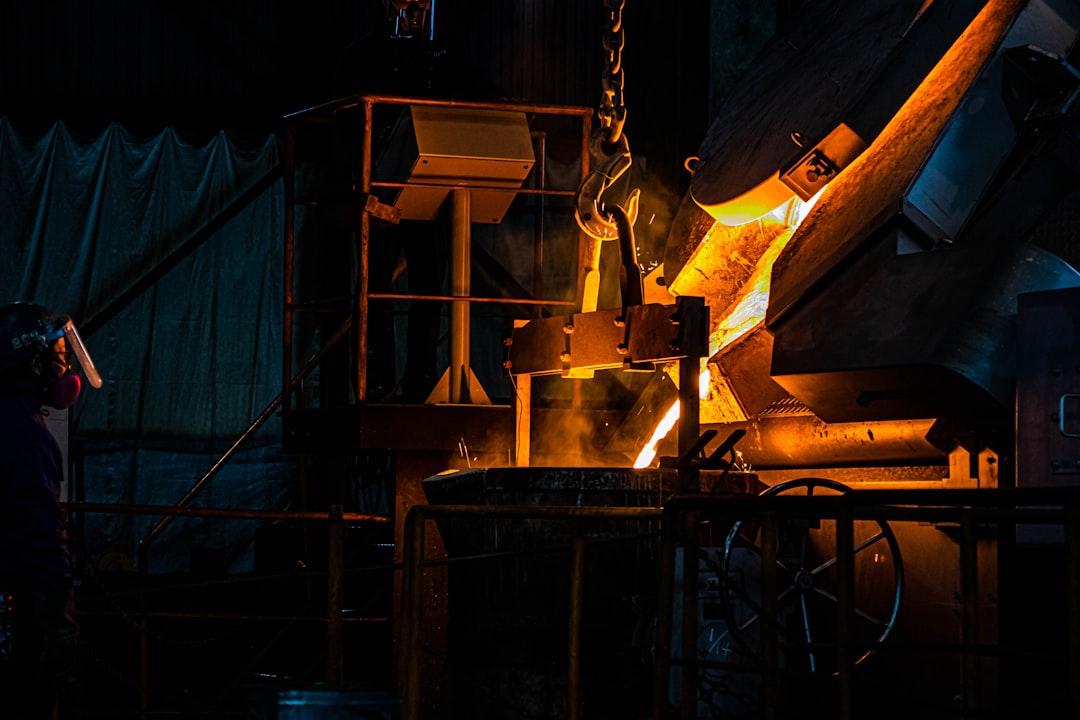
The Iron Pillar of Delhi is a 4th century CE iron monument constructed during the reign of Chandragupta II. The structure measures approximately 7 meters in height and weighs over 6 tons. Located in Delhi, India, the pillar demonstrates the metallurgical capabilities of ancient Indian craftsmen and has attracted scientific study due to its exceptional preservation.
The pillar’s most notable characteristic is its resistance to corrosion over a period exceeding 1,600 years. Unlike typical iron structures that develop rust within years of exposure to atmospheric conditions, this monument has maintained structural integrity with minimal oxidation. This preservation has generated scientific interest and research into ancient metallurgical techniques, the pillar’s chemical composition, manufacturing methods, and the mechanisms responsible for its corrosion resistance.
The monument also holds cultural and historical significance as an artifact of ancient Indian civilization and technological achievement.
Key Takeaways
- The Iron Pillar is a remarkable example of ancient Indian metallurgy known for its rust resistance.
- Its unique composition and manufacturing process contribute to its durability and corrosion resistance.
- Scientific studies reveal the pillar’s protective passive film that prevents rusting over centuries.
- The pillar holds significant cultural and historical importance, symbolizing advanced ancient technology.
- Modern metallurgy benefits from insights gained through studying the Iron Pillar’s preservation and conservation.
History of Ancient Metallurgy
The history of ancient metallurgy is a fascinating journey that traces back thousands of years, revealing how early civilizations harnessed the properties of metals to create tools, weapons, and structures. The advent of metallurgy marked a significant turning point in human development, transitioning societies from the Stone Age to the Bronze Age and eventually to the Iron Age. In India, metallurgy flourished particularly during the early centuries of the Common Era, with artisans mastering techniques that allowed them to produce high-quality iron and steel.
During this period, various regions in India became renowned for their metallurgical advancements. The use of iron became widespread, leading to innovations in agriculture, warfare, and construction. The production techniques employed by ancient Indian metallurgists were sophisticated; they utilized high-temperature furnaces and developed methods for smelting iron ore that resulted in remarkably pure metal.
The Iron Pillar is a prime example of this expertise, showcasing not only the technical skills of its creators but also their understanding of materials and their properties.
The Composition of the Iron Pillar
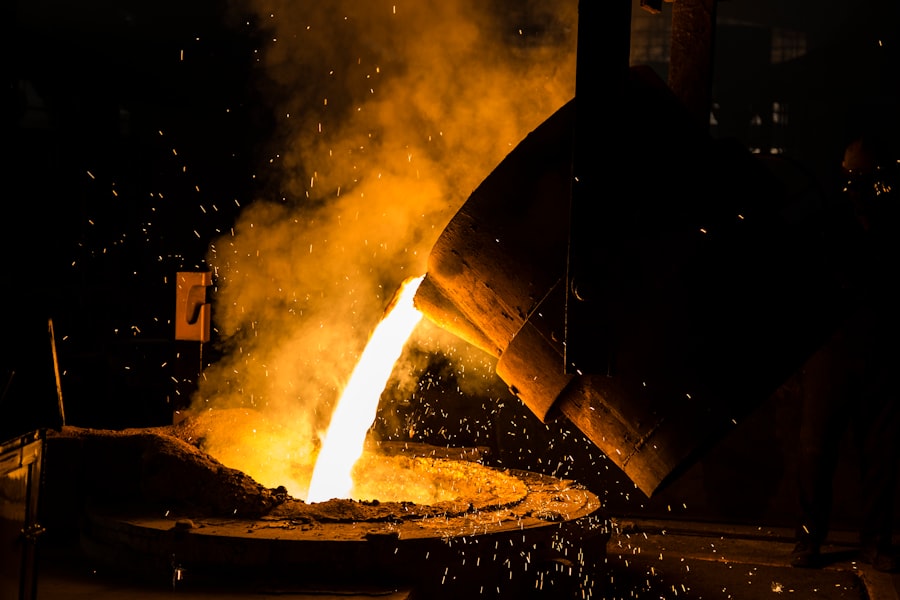
The composition of the Iron Pillar is one of its most intriguing aspects. Analysis reveals that it is composed primarily of wrought iron, which is known for its malleability and ductility. Unlike cast iron, wrought iron contains very low carbon content, making it less brittle and more suitable for forging into various shapes.
The specific composition of the Iron Pillar includes trace amounts of phosphorus and other elements that contribute to its unique properties. What sets the Iron Pillar apart from other iron artifacts is its remarkably low corrosion rate. Studies have shown that it contains about 98% iron, with only about 2% consisting of other elements such as carbon and manganese.
This high purity level is indicative of advanced smelting techniques employed by ancient metallurgists. Furthermore, the presence of a protective layer of iron oxide on its surface has played a crucial role in preventing further corrosion, allowing it to endure through centuries while remaining largely unscathed.
The Manufacturing Process of the Iron Pillar
The manufacturing process of the Iron Pillar reflects a high level of craftsmanship and knowledge possessed by ancient Indian metallurgists. It is believed that the pillar was created using a combination of techniques that included forging and welding. The artisans likely began by extracting iron ore from local deposits and then smelting it in high-temperature furnaces to produce wrought iron.
Once the iron was obtained, it would have been shaped into large sections through hammering and forging. These sections were then skillfully joined together using welding techniques that were advanced for their time. The precision with which these sections were assembled is evident in the pillar’s uniformity and structural integrity.
The entire process required not only technical skill but also an understanding of metallurgy that allowed for the creation of such a monumental piece.
The Rust Resistance of the Iron Pillar
| Metric | Value | Unit | Notes |
|---|---|---|---|
| Age of Iron Pillar | 1600 | Years | Estimated age since erection in Delhi, India |
| Iron Purity | 99.72 | % | High purity iron with minimal impurities |
| Phosphorus Content | 0.25 – 0.30 | % | Contributes to rust resistance by forming protective film |
| Carbon Content | 0.05 – 0.10 | % | Low carbon content typical of ancient wrought iron |
| Corrosion Rate | 0.01 | mm/year | Extremely low corrosion rate compared to modern iron |
| Protective Layer Composition | Iron Hydrogen Phosphate Hydrate | – | Thin passive film preventing rust formation |
| Environmental Conditions | Urban, humid subtropical | – | Exposure to Delhi’s climate for centuries |
| Manufacturing Technique | Forge welding and hot hammering | – | Ancient Indian ironworking methods |
One of the most remarkable features of the Iron Pillar is its extraordinary rust resistance. While most iron structures are prone to corrosion when exposed to moisture and air, this ancient pillar has remained largely free from rust for centuries. This phenomenon has intrigued scientists and historians alike, leading to extensive research aimed at uncovering the reasons behind its durability.
The rust resistance can be attributed to several factors, including its unique composition and environmental conditions. The presence of a protective layer of magnetite—a type of iron oxide—on the surface acts as a barrier against further oxidation. Additionally, the specific atmospheric conditions in Delhi, characterized by low humidity levels and minimal pollution, have contributed to preserving the pillar’s integrity over time.
This combination of factors has allowed the Iron Pillar to stand as a remarkable example of ancient engineering prowess.
The Scientific Analysis of the Iron Pillar
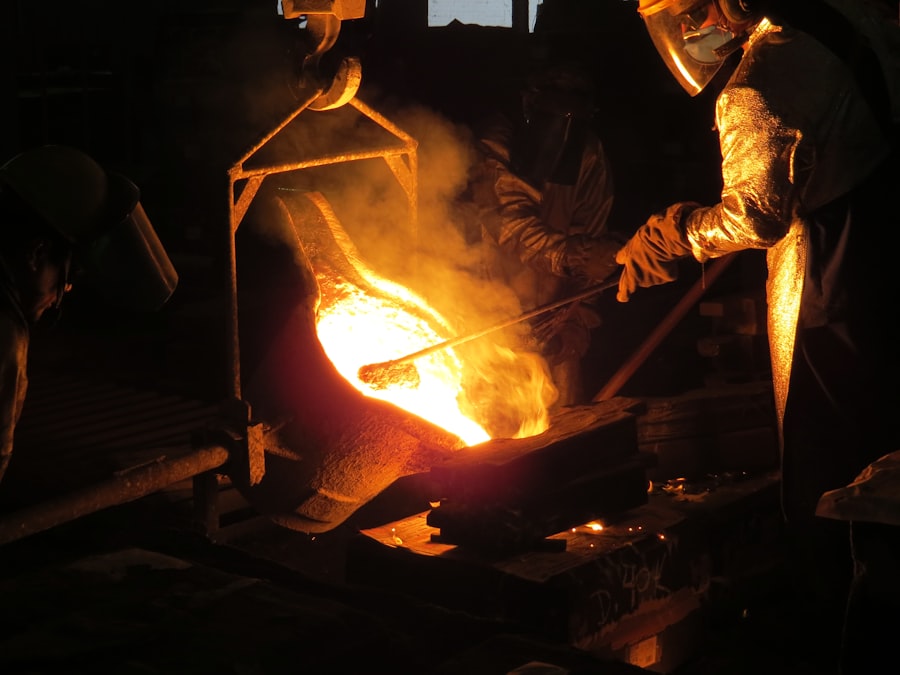
Scientific analysis has played a crucial role in understanding the properties and composition of the Iron Pillar. Various techniques have been employed to study its material characteristics, including metallography, chemical analysis, and non-destructive testing methods. These analyses have provided valuable insights into how ancient metallurgists achieved such remarkable results.
Metallographic studies have revealed details about the microstructure of the iron used in the pillar, showcasing fine grain structures that indicate careful control during production. Chemical analyses have confirmed the high purity levels of iron present in the pillar while also identifying trace elements that contribute to its unique properties. Such scientific investigations not only enhance knowledge about ancient metallurgy but also inspire modern engineers seeking to replicate similar durability in contemporary materials.
The Cultural and Historical Significance of the Iron Pillar
Beyond its scientific intrigue, the Iron Pillar holds immense cultural and historical significance.
The pillar is often associated with various legends and folklore, further embedding it into the cultural fabric of Indian society.
Historically, it represents a period when India was at the forefront of scientific advancements in metallurgy and engineering. The inscription on the pillar, written in Sanskrit, commemorates King Chandragupta II’s achievements and highlights his contributions to society. As such, it stands not only as an architectural marvel but also as a reminder of India’s historical legacy and its contributions to global knowledge.
Theories and Explanations for the Rust Resistance
Numerous theories have emerged regarding the rust resistance exhibited by the Iron Pillar.
These elements may have contributed to forming a protective patina on the surface that prevents further oxidation.
Another theory suggests that environmental factors play a significant role in preserving the pillar’s integrity. The specific climatic conditions in Delhi—characterized by low humidity levels—may have limited moisture exposure, reducing corrosion rates significantly. Additionally, some researchers propose that traditional methods used during its construction may have inadvertently contributed to its longevity by creating an optimal microenvironment around the pillar.
Modern Applications of Ancient Metallurgy
The study of ancient metallurgy has far-reaching implications for modern engineering and materials science. Insights gained from analyzing structures like the Iron Pillar can inform contemporary practices in metal production and preservation techniques. For instance, understanding how ancient artisans achieved such high purity levels in wrought iron can inspire modern metallurgists seeking to enhance material properties for various applications.
Moreover, lessons learned from ancient corrosion resistance can lead to innovations in protective coatings and treatments for modern metal structures. By studying how historical artifacts like the Iron Pillar have withstood environmental challenges over time, scientists can develop new strategies for prolonging the lifespan of contemporary infrastructure.
Preservation and Conservation Efforts for the Iron Pillar
Preserving historical artifacts like the Iron Pillar is essential for maintaining cultural heritage and providing future generations with insights into past civilizations. Various conservation efforts have been undertaken to protect this iconic structure from environmental degradation and human impact. These initiatives involve regular monitoring and maintenance to ensure that any signs of deterioration are addressed promptly.
Conservationists employ techniques such as cleaning and applying protective coatings to prevent further corrosion while ensuring that any interventions do not compromise the pillar’s historical integrity. Public awareness campaigns also play a vital role in promoting respect for this cultural treasure, encouraging visitors to appreciate its significance while minimizing potential damage caused by tourism.
The Legacy of the Iron Pillar
The legacy of the Iron Pillar extends far beyond its physical presence; it embodies centuries of knowledge, craftsmanship, and cultural significance that continue to resonate today. As one gazes upon this ancient marvel, it becomes evident that it represents not only an engineering feat but also a symbol of human achievement in overcoming challenges through innovation. In an era where technology continues to evolve rapidly, revisiting historical artifacts like the Iron Pillar serves as a reminder of humanity’s enduring quest for knowledge and excellence.
Its rust resistance remains an inspiration for modern scientists and engineers alike, urging them to explore new frontiers while honoring the wisdom embedded in our shared history. Ultimately, the Iron Pillar stands tall as a beacon of resilience—a testament to what can be achieved through skillful craftsmanship and an understanding of materials that transcends time itself.
The ancient Iron Pillar of Delhi is renowned for its remarkable rust resistance, a phenomenon that has intrigued scientists and historians alike. This impressive structure, which dates back to the 4th century CE, showcases the advanced metallurgical skills of ancient Indian craftsmen. For a deeper understanding of the techniques and materials used in ancient metallurgy, you can read more in this related article on metallurgy and its historical significance here.
WATCH THIS! The Impossible Technology They Erased From History
FAQs
What is the Iron Pillar of Delhi?
The Iron Pillar of Delhi is a historic structure located in the Qutb complex in Delhi, India. It is renowned for its remarkable resistance to corrosion despite being over 1,600 years old.
Why is the Iron Pillar famous in the study of ancient metallurgy?
The Iron Pillar is famous because it demonstrates advanced ancient Indian metallurgical skills, particularly its ability to resist rust and corrosion over centuries without significant degradation.
What materials were used to make the Iron Pillar?
The Iron Pillar is primarily made of wrought iron, with a high phosphorus content and very low sulfur and manganese, which contribute to its corrosion resistance.
How does the Iron Pillar resist rusting?
The pillar resists rusting due to the formation of a protective passive layer of iron hydrogen phosphate hydrate on its surface, which prevents further oxidation and corrosion.
What techniques did ancient metallurgists use to create corrosion-resistant iron?
Ancient metallurgists used techniques such as forge welding, controlled heating, and the use of high-phosphorus iron ore, which helped create a durable and corrosion-resistant iron structure.
Is the corrosion resistance of the Iron Pillar unique?
Yes, the Iron Pillar’s corrosion resistance is unique for its time and size, making it a significant example of ancient Indian metallurgical expertise.
Can modern metallurgy learn from the Iron Pillar?
Yes, modern metallurgy studies the Iron Pillar to understand ancient techniques and materials that contributed to its longevity, which can inspire new corrosion-resistant materials and methods.
What is the historical significance of the Iron Pillar?
The Iron Pillar is historically significant as it reflects the technological and scientific advancements of ancient India and serves as a symbol of the skill and knowledge of ancient Indian blacksmiths.
Has the Iron Pillar undergone any restoration?
The Iron Pillar has not undergone significant restoration; its preservation is largely due to its original metallurgical properties and the environmental conditions at its location.
Where can one see the Iron Pillar today?
The Iron Pillar is located in the Qutb complex in Mehrauli, Delhi, India, and is accessible to the public as a protected monument.