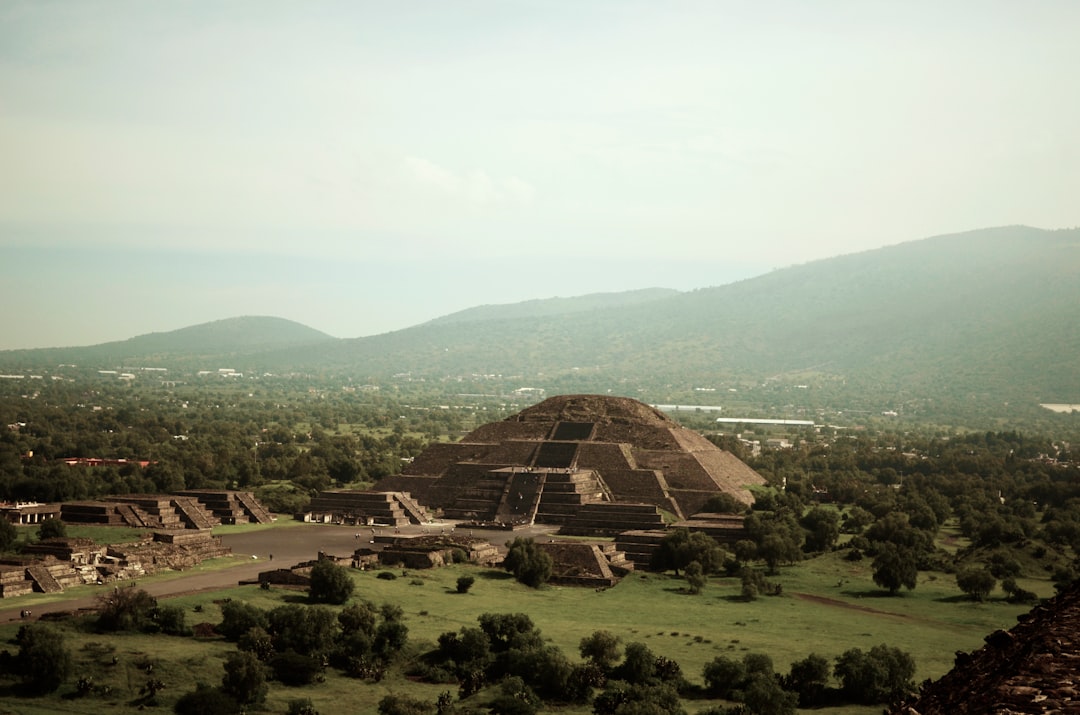
Throughout history, humanity has demonstrated an extraordinary capacity for innovation and creativity, particularly in the realm of engineering. Ancient civilizations, in their quest for progress, constructed monumental structures that not only served practical purposes but also reflected their cultural values and aspirations. These engineering wonders stand as testaments to the ingenuity and skill of their creators, showcasing advanced techniques and a deep understanding of materials and design.
From the towering pyramids of Egypt to the intricate aqueducts of Rome, these structures have captivated the imagination of generations, offering insights into the lives and beliefs of those who built them. The significance of these ancient engineering feats extends beyond their physical presence; they embody the spirit of human endeavor and the relentless pursuit of excellence. Each wonder tells a story of ambition, resourcefulness, and the desire to leave a lasting legacy.
As modern society continues to grapple with challenges related to infrastructure, sustainability, and urbanization, revisiting these ancient marvels can provide valuable lessons. The study of these structures not only enriches our understanding of history but also inspires contemporary engineers and architects to push the boundaries of what is possible.
Key Takeaways
- Ancient engineering marvels showcase advanced construction techniques and architectural innovation.
- The Great Pyramids and Machu Picchu highlight precision stone masonry and structural ingenuity.
- Roman aqueducts and Babylon’s Hanging Gardens demonstrate sophisticated water management systems.
- Defensive and public structures like the Great Wall and the Colosseum reflect strategic and social engineering.
- These wonders collectively represent the enduring legacy of human creativity and technical skill in antiquity.
The Great Pyramids of Egypt: Building with Precision
The Great Pyramids of Egypt, particularly the Pyramid of Giza, are perhaps the most iconic symbols of ancient engineering prowess. Constructed during the Fourth Dynasty of the Old Kingdom, these monumental structures were built as tombs for pharaohs, reflecting their divine status and the belief in an afterlife. The precision with which these pyramids were constructed is nothing short of astounding.
Each block of limestone was meticulously quarried, transported, and placed with remarkable accuracy, resulting in a structure that has stood the test of time for over 4,500 years. The construction techniques employed by the ancient Egyptians remain a subject of fascination and debate among historians and archaeologists. It is believed that a combination of skilled labor, advanced tools, and innovative methods were utilized to achieve such precision.
The alignment of the pyramids with celestial bodies demonstrates a sophisticated understanding of astronomy, while the organization of laborers into skilled teams highlights an early form of project management. The Great Pyramids not only serve as architectural marvels but also as a reflection of the social and political organization of ancient Egypt.
The Inca’s Machu Picchu: Stone Masonry Techniques
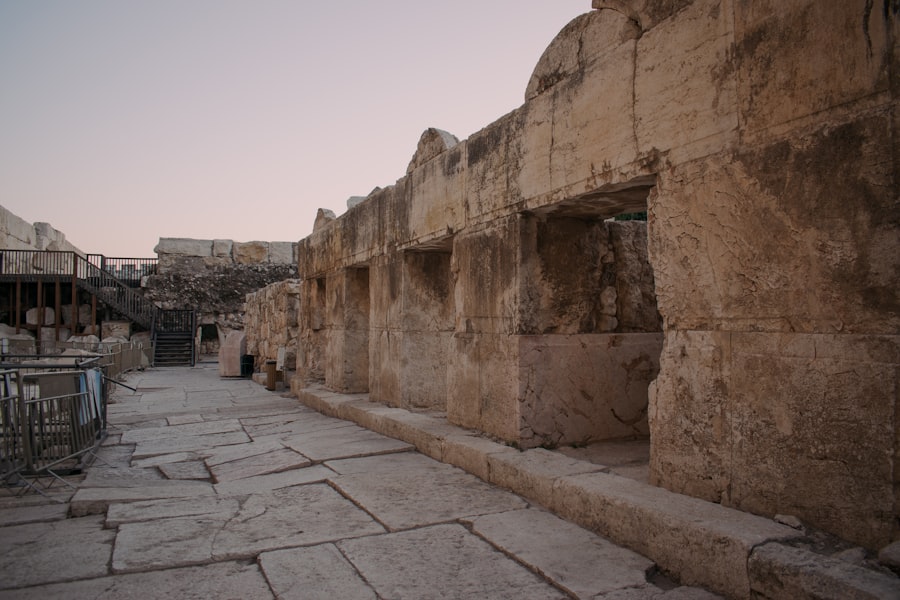
Machu Picchu, often referred to as the “Lost City of the Incas,” is a stunning example of Incan engineering and stone masonry techniques. Nestled high in the Andes Mountains of Peru, this archaeological site showcases the Incas’ ability to harmonize their constructions with the natural landscape. The precision with which the stones were cut and fitted together is remarkable; many blocks are so perfectly shaped that they do not require mortar to hold them in place.
This technique not only provided structural integrity but also allowed for flexibility during seismic events, a crucial consideration in this earthquake-prone region. The construction of Machu Picchu involved an intricate understanding of geology and topography. The Incas selected stones from nearby quarries and transported them using a combination of manpower and ingenious methods such as ramps and levers.
The layout of the city reflects careful planning, with agricultural terraces, religious sites, and residential areas all strategically positioned to maximize functionality and aesthetic appeal. Machu Picchu stands as a testament to the Inca civilization’s advanced engineering capabilities and their deep connection to their environment.
The Roman Aqueducts: Efficient Water Transportation
The Roman aqueducts represent one of the most significant achievements in ancient engineering, showcasing the Romans’ mastery over water transportation systems. These impressive structures were designed to transport fresh water from distant sources into cities and towns, ensuring a reliable supply for drinking, bathing, and irrigation. The aqueducts utilized gravity to move water across varying terrains, employing a series of arches, bridges, and tunnels to maintain a consistent gradient over long distances.
The construction of aqueducts required extensive planning and engineering expertise. Roman engineers meticulously surveyed landscapes to determine optimal routes, often overcoming significant obstacles such as mountains and valleys. The use of concrete allowed for greater flexibility in design, enabling the construction of durable arches that could support heavy loads.
The aqueducts not only improved public health by providing clean water but also facilitated urban growth and development throughout the Roman Empire. Their legacy can still be seen today in modern water supply systems.
The Great Wall of China: Ancient Defensive Architecture
| Ancient Civilization | Construction Techniques | Materials Used | Tools & Methods | Notable Structures |
|---|---|---|---|---|
| Ancient Egypt | Leveraging ramps and sledges to move heavy stones | Limestone, granite, sandstone | Copper chisels, stone hammers, wooden sledges, ropes | Pyramids of Giza, Temples of Karnak |
| Mesopotamia | Sun-dried bricks and bitumen for binding | Clay bricks, bitumen, reeds | Simple wooden tools, hand molds for bricks | Ziggurats, city walls of Babylon |
| Ancient Greece | Post and lintel construction with precise stone cutting | Marble, limestone | Bronze and iron tools, pulleys, cranes powered by humans or animals | Parthenon, Temple of Apollo |
| Ancient Rome | Use of concrete and arches for durable structures | Concrete, stone, brick, marble | Iron tools, cranes, scaffolding, wooden frameworks | Colosseum, aqueducts, Pantheon |
| Inca Empire | Precision stone fitting without mortar | Granite, andesite | Stone hammers, bronze tools, ropes, levers | Machu Picchu, Sacsayhuamán |
The Great Wall of China stands as one of the most ambitious defensive structures ever built, stretching over 13,000 miles across rugged terrain. Constructed over several dynasties, primarily during the Ming Dynasty, this monumental wall was designed to protect Chinese states from invasions by nomadic tribes from the north.
The architectural ingenuity behind the Great Wall is evident in its design features. Watchtowers were strategically placed along its length to provide vantage points for surveillance and communication. The wall’s thickness varied according to its location; in more vulnerable areas, it was built wider to accommodate troops and supplies.
The Great Wall not only served as a physical barrier but also as a symbol of national unity and strength. Its construction reflects the determination and resilience of the Chinese people throughout history.
The Colosseum: Innovative Amphitheater Construction
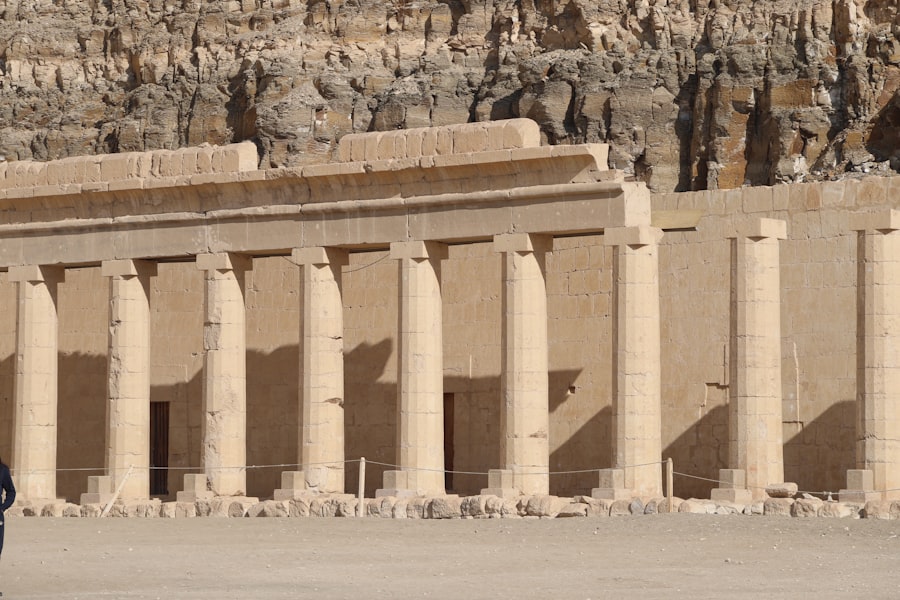
The Colosseum in Rome is an iconic symbol of ancient Roman engineering and entertainment culture. Completed in AD 80 under Emperor Titus, this grand amphitheater could hold up to 80,000 spectators who gathered to witness gladiatorial contests, animal hunts, and other spectacles. The Colosseum’s design exemplifies innovative construction techniques that allowed for both functionality and grandeur.
One remarkable aspect of the Colosseum’s architecture is its use of a complex system of vaults and arches that provided structural stability while maximizing seating capacity. The arena featured an elaborate network of corridors and passageways that facilitated efficient movement for both spectators and performers. Additionally, the Colosseum was equipped with advanced features such as retractable awnings to provide shade for audiences on hot days.
This architectural marvel not only served as a venue for entertainment but also reflected the social dynamics and values of Roman society.
The Parthenon: Greek Architectural Brilliance
The Parthenon stands as a pinnacle of ancient Greek architecture, embodying the ideals of beauty, harmony, and proportion that defined classical aesthetics.
The Parthenon’s design showcases advanced architectural principles such as symmetry and the use of optical illusions to enhance its visual appeal.
One notable feature of the Parthenon is its use of entasis—a slight curvature in columns that creates an illusion of straightness when viewed from a distance. This subtle detail reflects the Greeks’ deep understanding of human perception and their commitment to achieving perfection in design. The Parthenon’s intricate sculptures and friezes further illustrate the artistic mastery of ancient Greece, depicting mythological scenes that celebrate their cultural heritage.
As a result, the Parthenon remains an enduring symbol of Western civilization’s artistic and architectural legacy.
The Leshan Giant Buddha: Carving Monolithic Statues
The Leshan Giant Buddha is an extraordinary feat of engineering and artistry carved into a cliff face overlooking the confluence of three rivers in Sichuan Province, China. Completed during the Tang Dynasty in the 8th century AD, this colossal statue stands at 71 meters tall and is considered one of the largest stone Buddha statues in the world. Its construction involved meticulous planning and execution by skilled artisans who worked tirelessly to create this monumental figure.
The process of carving such a massive statue required not only technical expertise but also an understanding of geology and weathering patterns. The artisans employed advanced techniques to ensure that the statue would withstand natural elements while maintaining its intricate details. The Leshan Giant Buddha serves not only as a religious icon but also as a testament to human creativity and perseverance in overcoming challenges posed by nature.
The Moai of Easter Island: Ancient Sculpting Techniques
The Moai statues on Easter Island are among the most enigmatic creations of ancient engineering. Carved from volcanic tuff between 1400 and 1650 AD by the Rapa Nui people, these monolithic figures are characterized by their oversized heads and distinct facial features. Each Moai represents an ancestor or important figure within Rapa Nui culture, serving both spiritual and social functions within their communities.
The construction process involved sophisticated techniques for quarrying, transporting, and erecting these massive statues. It is believed that teams used wooden sledges or rolled logs to move them across the island’s rugged terrain—a feat that required significant coordination and effort. The Moai stand as symbols of cultural identity for the Rapa Nui people while also raising questions about resource management and societal organization on Easter Island.
The Hanging Gardens of Babylon: Ancient Irrigation Systems
The Hanging Gardens of Babylon are often regarded as one of the Seven Wonders of the Ancient World, although their existence remains shrouded in mystery. Descriptions from ancient texts suggest that these terraced gardens were built in Babylon during the reign of King Nebuchadnezzar II around 600 BC as a gift for his wife Amytis, who longed for her mountainous homeland. If they did exist, these gardens would have showcased remarkable engineering feats related to irrigation systems.
To sustain such lush greenery in an arid environment would have required innovative irrigation techniques capable of transporting water from nearby rivers or wells to elevated terraces. Ancient engineers would have had to devise methods for ensuring consistent moisture levels while preventing soil erosion—a challenge that speaks to their ingenuity in adapting agricultural practices to local conditions. While no definitive archaeological evidence has been found to confirm their existence, descriptions suggest that if they were real, they would have represented an extraordinary blend of nature and human creativity.
The Legacy of Ancient Engineering Wonders
The legacy left by ancient engineering wonders continues to resonate through time, inspiring awe and admiration across generations. These monumental structures not only reflect the technical prowess and artistic vision of their creators but also serve as cultural touchstones that connect modern society with its historical roots. Each wonder tells a unique story about human ambition—whether it be through monumental tombs like the Great Pyramids or intricate urban designs like Roman aqueducts.
As contemporary engineers grapple with modern challenges such as climate change and urbanization, revisiting these ancient marvels can provide valuable insights into sustainable practices and innovative solutions rooted in historical context. Ultimately, these engineering wonders remind humanity that creativity knows no bounds; they stand as enduring symbols of what can be achieved when vision meets determination—a legacy that will continue to inspire future generations for centuries to come.
Ancient civilizations demonstrated remarkable ingenuity in their construction techniques, often achieving monumental feats without the aid of modern tools. For a deeper exploration of how these early societies managed to build impressive structures using only primitive tools and methods, you can read the article on this topic at this link. This article delves into the various techniques and materials used by ancient builders, shedding light on their resourcefulness and engineering skills.
WATCH THIS! The Impossible Technology They Erased From History
FAQs
How did ancient civilizations transport heavy stones without modern machinery?
Ancient civilizations used a variety of methods to transport heavy stones, including rolling them on logs, dragging them on sledges lubricated with water or oil, and using manpower combined with simple machines like levers and ramps. Some cultures also utilized waterways to float large stones closer to construction sites.
What tools did ancient builders use if they didn’t have modern technology?
Ancient builders relied on basic tools made from stone, bronze, copper, and later iron. These included chisels, hammers, mallets, saws, and drills. They also used simple machines such as levers, pulleys, ramps, and scaffolding to aid in construction.
How were precise measurements and alignments achieved in ancient construction?
Ancient builders used tools like plumb bobs, leveling instruments, measuring rods, and sighting devices to achieve precision. They also employed mathematical knowledge, including geometry and astronomy, to align structures accurately with celestial bodies or cardinal directions.
What materials were commonly used in ancient construction?
Common materials included stone (limestone, granite, sandstone), mud bricks, wood, and clay. The choice depended on local availability. Some civilizations also used early forms of concrete or mortar to bind materials together.
How did ancient civilizations lift heavy stones into place?
They used ramps, levers, wooden cranes, and pulley systems powered by human or animal labor. Inclined planes allowed workers to move stones upward gradually, while levers helped position them precisely.
Did ancient builders have knowledge of engineering principles?
Yes, many ancient civilizations had advanced understanding of engineering principles such as load distribution, structural stability, and material properties. This knowledge was often passed down through apprenticeships and written records.
How long did it typically take to build large ancient structures?
Construction times varied widely depending on the size and complexity of the project. Some large monuments, like the Egyptian pyramids, took decades to complete, while smaller structures could be built in months or years.
Were ancient construction techniques similar across different civilizations?
While there were common principles like using simple machines and local materials, techniques varied based on cultural practices, available resources, and environmental conditions. For example, Mesopotamians used mud bricks extensively, whereas Egyptians favored stone.
How did ancient builders ensure the durability of their structures?
They selected durable materials, designed structures to distribute weight effectively, and sometimes incorporated features like drainage systems to prevent water damage. Many ancient buildings have survived thousands of years due to these careful construction methods.
Can modern engineers learn from ancient construction methods?
Yes, studying ancient techniques provides insights into sustainable building practices, use of local materials, and innovative problem-solving without reliance on modern technology. This knowledge can inspire contemporary architecture and engineering.