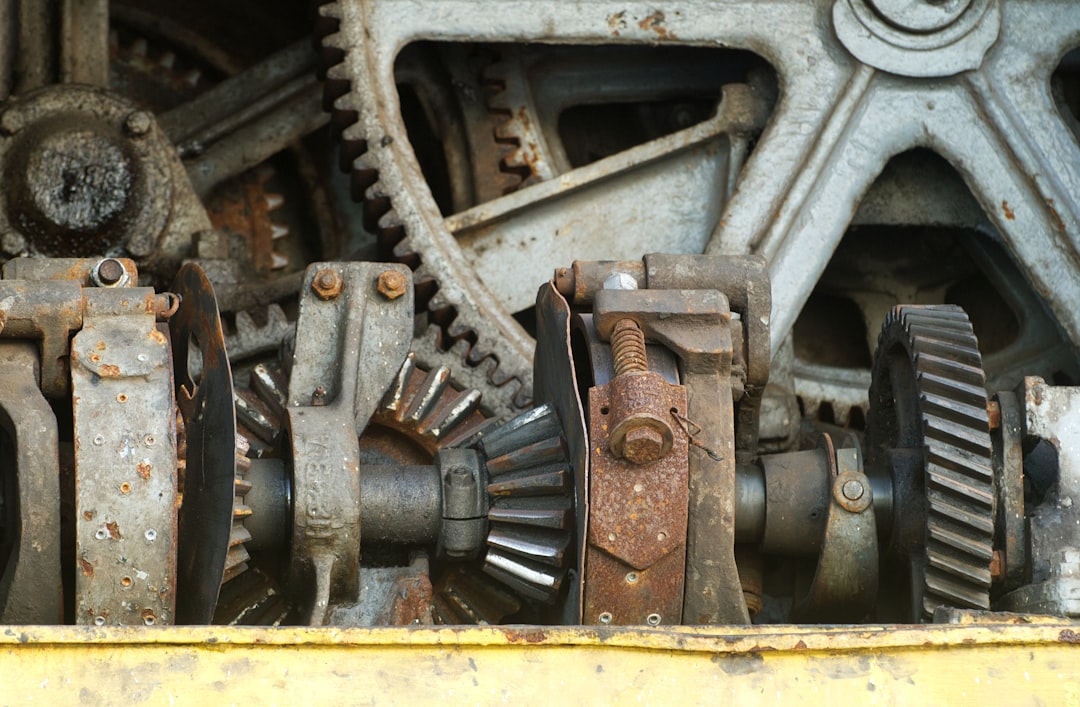
Differential gearing represents a significant mechanical engineering innovation that efficiently transfers power while allowing two outputs to rotate at different speeds. This capability makes it essential in vehicles and machinery. The technology is not exclusively modern; its principles were understood and applied by ancient civilizations to address complex mechanical challenges.
The historical development of differential gearing illustrates the progression of engineering knowledge across civilizations. As societies advanced, their technological requirements grew more sophisticated. Differential gearing became a crucial engineering breakthrough that enabled progress in transportation, agriculture, and industrial applications.
Studying the origins and implementations of this mechanism reveals how ancient engineering principles established the foundation for contemporary technological systems, demonstrating the lasting influence of early mechanical innovations.
Key Takeaways
- Differential gearing is a key mechanical concept with roots in ancient technology.
- Ancient mechanisms utilized differential gearing to achieve complex motion and functionality.
- The engineering principles behind differential gearing enabled innovations in early machinery.
- Ancient differential gearing influenced the development of modern mechanical and automotive systems.
- The legacy of ancient differential gearing continues to impact contemporary engineering and society.
The History of Ancient Mechanisms
The history of ancient mechanisms is a fascinating journey through time, revealing the ingenuity of early engineers who sought to improve their daily lives through technology. From the simple lever to complex gears, ancient civilizations developed a variety of mechanical devices that laid the foundation for future innovations. The Greeks, Romans, and Chinese were particularly notable for their contributions to mechanical engineering, creating devices that not only served practical purposes but also demonstrated a deep understanding of physics and mechanics.
One of the earliest known examples of mechanical devices can be traced back to ancient Greece, where inventors like Archimedes devised ingenious machines such as the screw pump and the compound pulley. These inventions showcased an understanding of leverage and force, principles that would later be integral to the development of differential gearing. Similarly, the Romans utilized gears and pulleys in their aqueducts and cranes, demonstrating an advanced grasp of mechanics that allowed them to construct monumental structures.
The evolution of these mechanisms set the stage for more complex inventions, including those that would incorporate differential gearing.
Understanding Differential Gearing
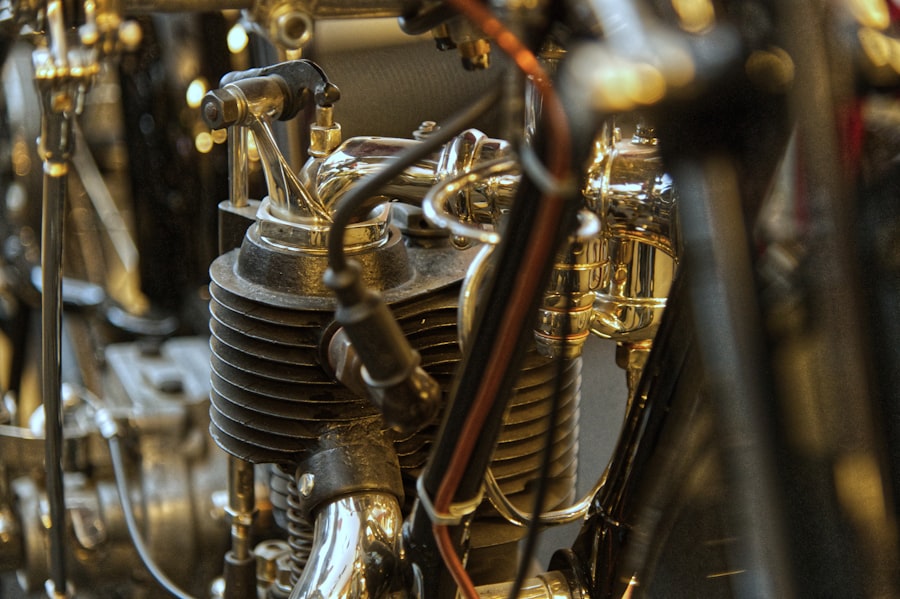
Differential gearing operates on the principle of allowing two outputs to rotate at different speeds while being driven by a common input. This mechanism is essential in applications where varying speeds are necessary, such as in vehicles during turns or when navigating uneven terrain. The fundamental design typically involves a set of gears arranged in such a way that they can transmit power while accommodating differences in rotational speed.
This capability is crucial for maintaining stability and control in various mechanical systems. At its core, differential gearing consists of a series of gears that interact with one another to achieve the desired output. The most common configuration includes a central gear known as the “crown gear,” which is connected to two side gears.
As power is applied to the crown gear, it allows the side gears to rotate at different speeds depending on the load and direction of movement. This design not only enhances efficiency but also reduces wear and tear on mechanical components, making it an invaluable addition to ancient machinery.
The Role of Differential Gearing in Ancient Technology
In ancient technology, differential gearing played a crucial role in enhancing the functionality and efficiency of various machines. Its ability to accommodate different rotational speeds made it particularly useful in applications such as chariots, waterwheels, and even early forms of clocks. By allowing for smoother operation and improved control, differential gearing contributed significantly to advancements in transportation and industry during ancient times.
For instance, in chariots, differential gearing enabled smoother turns by allowing the outer wheel to rotate faster than the inner wheel. This innovation not only improved maneuverability but also reduced the risk of accidents during travel. Similarly, waterwheels utilized differential gearing to optimize energy transfer from flowing water to mechanical systems, enhancing productivity in milling and irrigation processes.
The integration of differential gearing into these technologies exemplified how ancient engineers leveraged mechanical principles to solve practical challenges.
Examples of Ancient Mechanisms Utilizing Differential Gearing
| Mechanism | Time Period | Location | Type of Differential Gear | Function | Notable Features |
|---|---|---|---|---|---|
| Antikythera Mechanism | Circa 100-150 BCE | Ancient Greece | Epicyclic gearing (differential-like) | Astronomical calculations and calendar predictions | Complex gear trains with differential motion to track lunar and solar cycles |
| Al-Jazari’s Castle Clock | 1206 CE | Medieval Islamic World | Differential gear system | Timekeeping and automata control | Early use of differential gearing to combine motions for display and automation |
| Su Song’s Astronomical Clock Tower | 1088 CE | Song Dynasty, China | Complex gear trains with differential principles | Astronomical observations and timekeeping | Incorporated escapement and differential gearing for precise motion |
Several ancient mechanisms exemplify the application of differential gearing in innovative ways. One notable example is the Antikythera mechanism, an ancient Greek analog computer used to predict astronomical positions and eclipses. This intricate device employed a series of gears that allowed for differential motion, enabling users to calculate celestial events with remarkable accuracy.
The complexity of the Antikythera mechanism highlights the advanced understanding of mechanics possessed by ancient engineers. Another example can be found in ancient Chinese water clocks, which utilized differential gearing to regulate the flow of water and maintain accurate timekeeping. These clocks featured intricate gear systems that adjusted the rate at which water flowed into measuring containers, demonstrating an early application of differential principles in timekeeping technology.
Such mechanisms not only served practical purposes but also reflected the cultural significance placed on precision and innovation in ancient societies.
The Engineering Principles Behind Differential Gearing
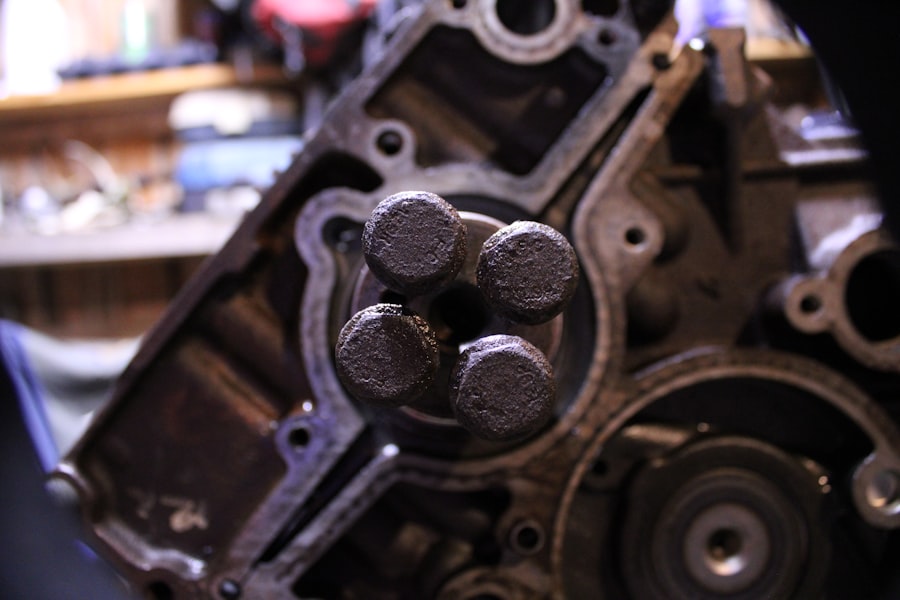
The engineering principles underlying differential gearing are rooted in fundamental concepts of physics and mechanics. At its essence, differential gearing relies on the interaction between gears to achieve varying rotational speeds while maintaining power transmission. The design typically involves a combination of spur gears or bevel gears arranged strategically to facilitate this interaction.
One key principle is the concept of gear ratios, which determines how many rotations one gear makes relative to another. By manipulating these ratios through careful design, engineers can create systems that allow for smooth transitions between different speeds. Additionally, friction plays a significant role in the efficiency of differential gearing; minimizing friction through precise engineering ensures optimal performance and longevity of mechanical components.
The Advantages and Innovations of Ancient Differential Gearing
The advantages of differential gearing in ancient technology were manifold, contributing significantly to advancements across various fields. One primary benefit was improved efficiency in power transmission, allowing machines to operate more smoothly and effectively. This efficiency translated into increased productivity in agriculture, transportation, and manufacturing processes, ultimately enhancing the quality of life for individuals within these societies.
Moreover, the innovations stemming from differential gearing paved the way for further technological advancements. As engineers experimented with gear configurations and designs, they discovered new ways to optimize machinery for specific tasks. This spirit of innovation fostered a culture of experimentation and creativity that would continue to influence engineering practices for centuries to come.
The Influence of Ancient Differential Gearing on Modern Technology
The influence of ancient differential gearing extends far beyond its initial applications; it has profoundly shaped modern technology in numerous ways. Many contemporary machines and vehicles still rely on principles derived from ancient designs, showcasing the enduring relevance of these early innovations. For instance, modern automobiles utilize sophisticated differential systems that allow for smooth cornering and enhanced traction on various terrains.
Additionally, advancements in robotics and automation have drawn inspiration from ancient mechanisms that employed differential gearing principles.
The legacy of ancient differential gearing serves as a testament to the timeless nature of human ingenuity and its capacity to adapt and evolve over time.
The Cultural and Societal Impact of Ancient Differential Gearing
The cultural and societal impact of ancient differential gearing cannot be overstated; it played a pivotal role in shaping civilizations by facilitating advancements in transportation, agriculture, and industry. As societies adopted these technologies, they experienced significant transformations that influenced their economic structures and social dynamics. Improved transportation systems enabled trade networks to flourish, fostering cultural exchange and collaboration among diverse communities.
Moreover, the efficiency gained through differential gearing contributed to agricultural productivity, allowing societies to support larger populations and develop more complex social structures. This shift laid the groundwork for urbanization and the rise of specialized professions, ultimately leading to the development of advanced civilizations characterized by innovation and creativity.
The Legacy of Ancient Differential Gearing in Contemporary Engineering
The legacy of ancient differential gearing continues to resonate within contemporary engineering practices. Modern engineers often draw inspiration from historical designs when developing new technologies or improving existing systems. The principles established by ancient inventors serve as foundational concepts that inform current engineering methodologies across various disciplines.
Furthermore, as society faces new challenges related to sustainability and efficiency, revisiting ancient innovations like differential gearing may provide valuable insights into creating more effective solutions. By understanding how early engineers approached problem-solving through mechanical design, contemporary engineers can harness this knowledge to address modern issues while honoring the legacy of those who came before them.
The Enduring Significance of Ancient Differential Gearing
In conclusion, the enduring significance of ancient differential gearing lies not only in its mechanical function but also in its profound impact on human civilization as a whole. From its origins in ancient mechanisms to its influence on modern technology, differential gearing represents a remarkable achievement that showcases human ingenuity at its finest. As societies continue to evolve and face new challenges, revisiting these foundational principles may inspire future innovations that honor the legacy left by early engineers.
The story of differential gearing is one that transcends time; it serves as a reminder of humanity’s capacity for creativity and problem-solving through technology. By understanding its historical context and applications, individuals can appreciate how far engineering has come while recognizing the importance of preserving this knowledge for future generations. Ultimately, the legacy of ancient differential gearing will continue to shape our world as we strive for progress and innovation in an ever-changing landscape.
Differential gearing has a fascinating history, particularly in ancient mechanisms where it played a crucial role in improving efficiency and functionality. For a deeper understanding of this topic, you can explore a related article that discusses the intricacies of ancient engineering and its applications. Check it out here: Ancient Mechanisms and Differential Gearing.
WATCH THIS! The Impossible Technology They Erased From History
FAQs
What is differential gearing?
Differential gearing is a mechanical system that allows two output shafts to rotate at different speeds while being driven by a single input. It is commonly used to distribute torque and accommodate variations in rotational speed between connected components.
Where was differential gearing first used in ancient mechanisms?
Differential gearing was notably used in the ancient Antikythera mechanism, a Greek device dating back to around 100 BCE. This complex astronomical calculator employed differential gears to model the irregular motion of the Moon and other celestial bodies.
How did ancient civilizations benefit from differential gearing?
Ancient civilizations used differential gearing to improve the accuracy and functionality of mechanical devices, particularly in astronomy and timekeeping. It allowed for the simulation of complex celestial movements and enhanced the precision of calendars and astrolabes.
What materials were used to create differential gears in ancient times?
Ancient differential gears were typically made from bronze or other metals available at the time. These materials were chosen for their durability and ability to be finely crafted into precise gear teeth.
How does differential gearing in ancient mechanisms compare to modern applications?
While the fundamental principles remain the same, modern differential gearing benefits from advanced materials, manufacturing techniques, and design optimizations. Ancient mechanisms demonstrated remarkable ingenuity but were limited by the technology and materials of their era.
Are there any surviving examples of ancient differential gearing?
Yes, the Antikythera mechanism is the most famous surviving example. It was discovered in a shipwreck off the coast of Greece and is currently housed in the National Archaeological Museum in Athens. Its intricate gear system includes early forms of differential gearing.
What role did differential gearing play in the Antikythera mechanism?
In the Antikythera mechanism, differential gearing was used to calculate the Moon’s variable speed and position relative to the Earth and Sun. This allowed the device to predict lunar phases and eclipses with remarkable accuracy for its time.
Did other ancient cultures develop differential gearing independently?
While the Antikythera mechanism is the most well-documented example, there is limited evidence that other ancient cultures, such as the Chinese or Romans, developed similar gearing systems. However, the complexity and use of differential gears in these cultures are not as well understood or preserved.
Why is the study of differential gearing in ancient mechanisms important?
Studying differential gearing in ancient mechanisms provides insight into the technological capabilities and scientific understanding of early civilizations. It highlights the sophistication of ancient engineering and informs the history of mechanical design and innovation.