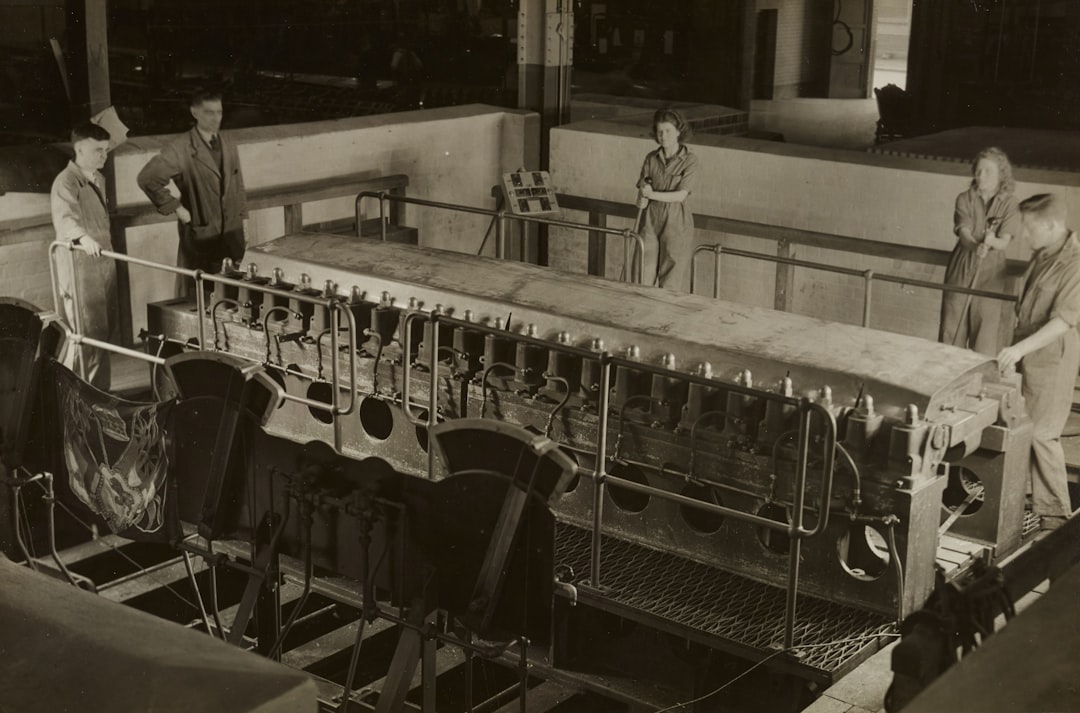
Throughout history, logistics systems have been fundamental to the development of human civilizations. Ancient production line logistics encompassed the organized coordination of resources, workforce, and materials to manufacture goods systematically. These operational frameworks enabled early societies to construct large-scale architectural projects and produce pottery, textiles, and other goods in quantities sufficient to support expanding populations and trade relationships.
Ancient production logistics systems demonstrated the problem-solving capabilities of early civilizations and their capacity to adapt organizational methods as societies grew in complexity. The coordination of production elements facilitated labor specialization, which contributed to technological advancement and economic development. Analysis of these historical production methods reveals the foundational principles that underpin contemporary logistics and supply chain management practices.
Key Takeaways
- Ancient production line logistics played a crucial role in streamlining manufacturing processes and resource management.
- Efficient organization and specialized tools were key to the success of ancient production line logistics.
- Ancient logistics systems significantly influenced trade, commerce, and the development of early economies.
- Challenges in ancient logistics were met with innovative solutions that laid the groundwork for modern supply chain practices.
- Lessons from ancient logistics continue to inform and improve contemporary business operations and supply chain management.
The Role of Logistics in Ancient Production Lines
Logistics in ancient production lines served as the backbone of economic activity, facilitating the movement of goods from raw material extraction to finished product delivery. This process involved meticulous planning and coordination among various stakeholders, including laborers, craftsmen, and traders. The successful execution of logistics ensured that resources were utilized efficiently, minimizing waste and maximizing output.
For instance, in ancient Egypt, the construction of the pyramids required not only skilled labor but also a well-organized supply chain to transport massive stones from quarries to construction sites. Moreover, logistics played a crucial role in maintaining quality control throughout the production process. By establishing standardized procedures and checkpoints, ancient societies could ensure that their products met specific criteria before reaching consumers.
The interplay between logistics and quality assurance laid the groundwork for future advancements in production techniques.
Examples of Efficient Ancient Production Line Logistics
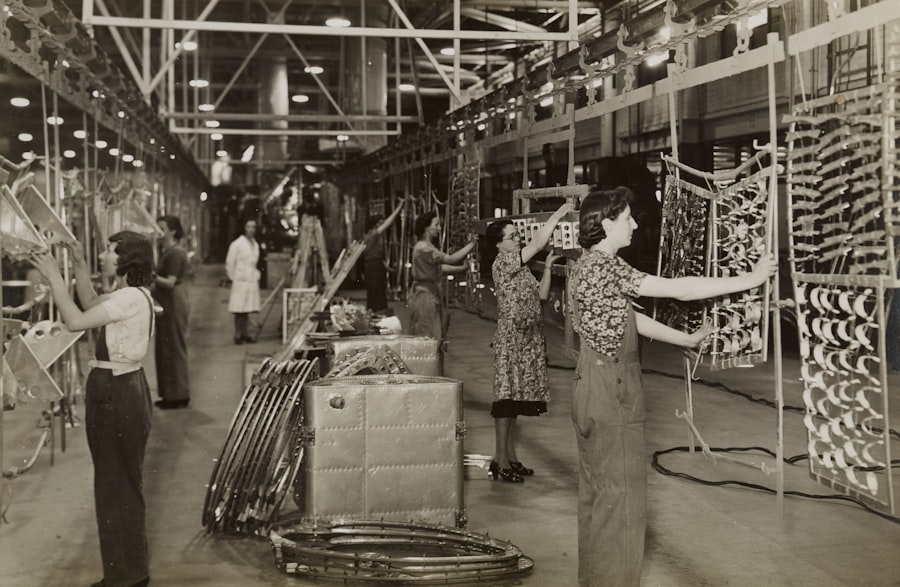
Several ancient civilizations exemplified efficient production line logistics through their innovative approaches to resource management. The Romans, for instance, developed an extensive network of roads and aqueducts that facilitated the transportation of goods across vast distances. This infrastructure allowed for the rapid movement of materials necessary for construction projects, such as temples and amphitheaters, as well as everyday goods like grain and wine.
The Roman emphasis on logistics not only supported their military campaigns but also contributed to the empire’s economic prosperity. Similarly, the Chinese civilization showcased remarkable logistical prowess during the Han Dynasty. The establishment of the Silk Road enabled the exchange of goods between East and West, creating a complex web of trade routes that required careful coordination.
The Chinese developed sophisticated methods for managing inventory and tracking shipments, ensuring that products such as silk and spices reached their destinations in a timely manner. These examples illustrate how ancient societies harnessed logistics to enhance production efficiency and expand their economic reach.
Tools and Techniques Used in Ancient Production Line Logistics
Ancient civilizations employed a variety of tools and techniques to optimize their production line logistics. One notable example is the use of simple yet effective measuring devices, such as weights and scales, which allowed for accurate assessment of raw materials. This precision was crucial in ensuring that artisans received the correct quantities needed for their crafts, thereby reducing waste and improving overall productivity.
In addition to measuring tools, ancient societies utilized organizational techniques such as division of labor and assembly lines. By assigning specific tasks to different workers, they could streamline the production process and increase output. For instance, in pottery workshops, one group might focus on shaping clay while another handled glazing and firing.
This specialization not only enhanced efficiency but also allowed artisans to hone their skills in specific areas, leading to higher-quality products.
The Importance of Organization in Ancient Production Line Logistics
| Ancient Civilization | Production Line Type | Key Materials Produced | Logistics Method | Estimated Output per Day | Notable Innovations |
|---|---|---|---|---|---|
| Ancient Egypt | Pottery and Brick Making | Clay Bricks, Pottery Vessels | Manual labor with river transport (Nile) | 500 bricks / 200 pottery items | Use of molds for uniform bricks |
| Ancient China (Han Dynasty) | Silk Production | Silk Fabric | River barges and pack animals | 100 meters of silk fabric | Assembly line for silk reeling |
| Ancient Rome | Weapon and Armor Manufacturing | Swords, Shields, Helmets | Road networks and carts | 50 swords / 30 shields | Standardized parts for mass production |
| Mesopotamia | Textile Weaving | Linen and Wool Cloth | River transport and pack animals | 300 meters of cloth | Use of foot-powered looms |
| Indus Valley | Bead and Jewelry Production | Beads, Ornaments | River and cart transport | 1000 beads / 200 ornaments | Standardized bead sizes and shapes |
Organization was paramount in ancient production line logistics, as it directly influenced the efficiency and effectiveness of production processes. A well-structured system ensured that resources were allocated appropriately, tasks were completed on time, and communication flowed smoothly among all parties involved. In many cases, this organization was formalized through hierarchies or guilds that established roles and responsibilities within the production environment.
Furthermore, effective organization facilitated adaptability in response to changing demands or unforeseen challenges. For example, during times of famine or war, ancient societies had to quickly adjust their production strategies to prioritize essential goods. A well-organized logistics system allowed them to pivot efficiently, ensuring that critical resources were available when needed most.
This flexibility underscored the importance of organization in maintaining stability within ancient economies.
The Influence of Ancient Production Line Logistics on Trade and Commerce
The logistics of ancient production lines had a profound impact on trade and commerce, shaping economic relationships both locally and internationally. As production became more efficient, surplus goods could be generated, leading to increased trade opportunities. This surplus not only fueled local markets but also enabled civilizations to engage in long-distance trade with neighboring regions or distant lands.
The establishment of trade routes was heavily influenced by logistical considerations. Merchants needed reliable pathways for transporting goods, which often required collaboration with local authorities to ensure safe passage. The development of trade networks facilitated cultural exchange as well; ideas, technologies, and customs spread alongside commodities.
Thus, ancient production line logistics not only bolstered economies but also fostered connections between diverse cultures.
Challenges and Solutions in Ancient Production Line Logistics
Despite their ingenuity, ancient societies faced numerous challenges in managing production line logistics. One significant obstacle was the variability of natural resources; fluctuations in crop yields or material availability could disrupt production schedules. To mitigate these risks, many civilizations developed contingency plans that included stockpiling essential resources during times of abundance or establishing trade agreements with neighboring regions.
Another challenge was the transportation of goods over long distances. Ancient roads were often rudimentary, making travel slow and hazardous. To address this issue, societies invested in improving infrastructure and developing specialized vehicles suited for different terrains.
For instance, the use of pack animals like camels or donkeys allowed for more efficient transport across deserts or rugged landscapes. These solutions exemplified how ancient civilizations adapted their logistics strategies to overcome obstacles.
The Legacy of Ancient Production Line Logistics in Modern Supply Chain Management
The principles established by ancient production line logistics continue to resonate in contemporary supply chain management practices. Modern businesses draw upon lessons learned from history to enhance efficiency and streamline operations. Concepts such as just-in-time inventory management can trace their roots back to ancient practices where timely resource allocation was crucial for success.
Moreover, the emphasis on organization and communication remains relevant today. Companies recognize that effective coordination among various departments is essential for meeting customer demands and maintaining competitive advantage.
The Role of Technology in Ancient Production Line Logistics
While technology in ancient times may not resemble today’s advanced systems, it played a vital role in enhancing production line logistics. Innovations such as the wheel revolutionized transportation methods, allowing for more efficient movement of goods over land. Similarly, advancements in metallurgy led to stronger tools that improved productivity in various crafts.
Additionally, record-keeping techniques were crucial for managing logistics effectively. Ancient scribes utilized clay tablets or papyrus scrolls to document transactions, inventory levels, and production schedules. This early form of data management laid the groundwork for modern inventory systems that rely on real-time tracking and analysis.
Case Studies of Successful Ancient Production Line Logistics
Several case studies highlight successful implementations of ancient production line logistics across different civilizations. The construction of the Great Wall of China serves as a prime example; it required meticulous planning and coordination among thousands of workers over several decades. The logistical challenges involved transporting materials from distant quarries while ensuring a steady supply of food and resources for laborers.
Another notable case is the textile industry in ancient Mesopotamia, where specialized workshops produced intricate fabrics for trade. These workshops employed organized labor divisions that maximized efficiency while maintaining high-quality standards. By examining these case studies, one can appreciate how effective logistics contributed to the success and longevity of these ancient enterprises.
Lessons Learned from Ancient Production Line Logistics for Modern Businesses
Modern businesses can glean valuable lessons from ancient production line logistics that remain applicable today. One key takeaway is the importance of adaptability; just as ancient societies adjusted their strategies in response to changing circumstances, contemporary companies must remain agile in an ever-evolving market landscape. Additionally, fostering collaboration among team members is essential for achieving operational success.
Ancient civilizations thrived on effective communication and coordination among various stakeholders; similarly, modern organizations benefit from breaking down silos and encouraging cross-functional teamwork. In conclusion, ancient production line logistics laid the foundation for many principles that govern contemporary supply chain management practices today. By studying these historical systems, modern businesses can enhance their operations while honoring the ingenuity of those who came before them.
In exploring the fascinating world of ancient production line logistics, one can gain valuable insights from the article available at Real Lore and Order. This resource delves into the intricate systems and methods employed by ancient civilizations to streamline their production processes, highlighting the innovative techniques that laid the groundwork for modern logistics. Understanding these historical practices not only enriches our knowledge of the past but also informs contemporary approaches to efficiency and organization in various industries.
WATCH THIS! The Impossible Technology They Erased From History
FAQs
What is meant by ancient production line logistics?
Ancient production line logistics refers to the methods and systems used in historical times to organize, manage, and optimize the flow of materials, labor, and products in manufacturing processes. This includes how ancient civilizations coordinated the supply of raw materials, the division of labor, and the distribution of finished goods.
Which ancient civilizations are known for early production line logistics?
Civilizations such as Ancient Egypt, Mesopotamia, the Indus Valley, and Ancient China demonstrated early forms of production line logistics. They developed organized workshops, standardized tools, and coordinated labor forces to produce goods efficiently.
How did ancient societies manage supply chains?
Ancient societies managed supply chains through centralized planning, record-keeping (such as cuneiform tablets or papyrus scrolls), and the use of specialized labor. They often relied on trade routes, storage facilities, and administrative systems to ensure the steady flow of materials.
What role did specialization play in ancient production lines?
Specialization was crucial; workers were often assigned specific tasks based on skill, which increased efficiency and output. This division of labor is considered a foundational element of production line logistics.
Were there any tools or technologies that supported ancient production line logistics?
Yes, tools such as standardized weights and measures, simple machines like pulleys and levers, and early forms of record-keeping technology helped support logistics. Infrastructure like roads and canals also facilitated the movement of goods.
How did ancient production line logistics impact economic development?
Efficient production line logistics allowed ancient economies to produce surplus goods, support larger populations, and engage in trade. This contributed to economic growth, urbanization, and the development of complex societies.
Can ancient production line logistics be compared to modern systems?
While less technologically advanced, ancient production line logistics share fundamental principles with modern systems, such as workflow organization, resource management, and supply chain coordination. Studying ancient methods provides insight into the evolution of manufacturing and logistics.
What sources provide information about ancient production line logistics?
Information comes from archaeological findings, ancient texts, inscriptions, and artifacts that reveal workshop layouts, production tools, and administrative records related to manufacturing and distribution.