
Measurement has been an integral part of human civilization since its inception. In ancient times, societies developed various techniques to quantify and compare physical attributes, such as length, weight, and volume. These early measurement systems were often based on natural phenomena or human anatomy, reflecting the environment and culture of the people who created them.
The significance of these techniques extends beyond mere numbers; they laid the groundwork for advancements in trade, architecture, and science. As civilizations evolved, so too did their methods of measurement, leading to increasingly sophisticated systems that would influence future generations. The study of ancient measurement techniques offers a fascinating glimpse into the lives of our ancestors.
By examining how they quantified their world, researchers can gain insights into their daily activities, economic practices, and even their philosophical beliefs. From the use of simple tools like sticks and stones to more complex devices such as the astrolabe, ancient measurement techniques reveal a great deal about the ingenuity and adaptability of early humans. This exploration not only highlights the importance of measurement in historical contexts but also underscores its enduring relevance in contemporary society.
Key Takeaways
- Ancient civilizations developed diverse measurement techniques crucial for their societal and architectural advancements.
- Measurement played a key role in the construction of monumental architecture and engineering feats.
- Tools and methods evolved over time, often influenced by astronomical observations and celestial bodies.
- Understanding ancient measurement systems provides insight into cultural, scientific, and technological progress.
- Ongoing research aims to preserve these techniques and explore their impact on modern science and future innovations.
The Importance of Measurement in Ancient Civilizations
In ancient civilizations, measurement served as a fundamental tool for organization and governance. Accurate measurements were essential for trade, agriculture, and construction, allowing societies to function efficiently and effectively. For instance, in Mesopotamia, the development of a standardized system of weights and measures facilitated commerce between city-states, promoting economic growth and stability.
Similarly, the Egyptians relied on precise measurements for their monumental architecture, ensuring that structures like the pyramids were built with remarkable accuracy. Moreover, measurement played a crucial role in the administration of resources. Ancient rulers needed to assess land for taxation purposes, which required a reliable system of measurement to determine the size and productivity of agricultural plots.
This need for accuracy extended to various aspects of life, from the distribution of food to the planning of urban spaces. As such, measurement was not merely a technical necessity; it was deeply intertwined with the social and political fabric of ancient societies.
The Role of Measurement in Architecture and Engineering
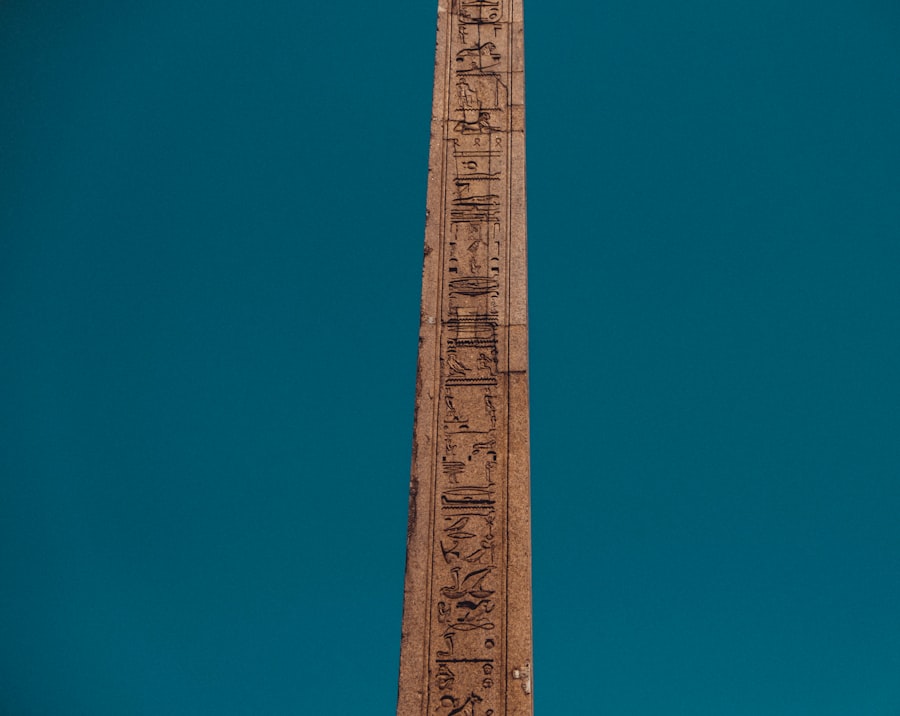
Architecture and engineering in ancient civilizations were profoundly influenced by measurement techniques. The construction of monumental structures, such as temples, palaces, and fortifications, demanded precise calculations to ensure stability and aesthetic appeal. The Greeks, for example, employed the principles of geometry to create harmonious proportions in their temples, while the Romans utilized advanced surveying tools to lay out their cities with remarkable precision.
These architectural feats were not only a testament to human creativity but also a reflection of the sophisticated measurement systems that underpinned them. In addition to aesthetics, accurate measurements were vital for structural integrity. Engineers had to consider factors such as weight distribution and material strength when designing buildings.
The use of standardized units allowed for consistent communication among builders and architects, reducing errors and enhancing collaboration. As a result, ancient civilizations were able to construct enduring monuments that have stood the test of time, showcasing the importance of measurement in achieving architectural excellence.
The Evolution of Measurement Tools and Techniques
The evolution of measurement tools and techniques is a fascinating journey that mirrors humanity’s quest for knowledge and precision. Early societies relied on rudimentary instruments such as measuring sticks or stones marked with specific lengths. As civilizations advanced, so did their tools; the invention of the ruler and the scale marked significant milestones in the history of measurement.
These innovations allowed for greater accuracy and consistency in quantifying physical dimensions. The development of more sophisticated instruments continued throughout history. The invention of the astrolabe in ancient Greece revolutionized navigation and astronomy by enabling users to measure angles between celestial bodies.
Similarly, the introduction of the pendulum clock in the 17th century transformed timekeeping by providing unprecedented accuracy. Each advancement in measurement tools not only improved practical applications but also expanded humanity’s understanding of the natural world.
Uncovering Ancient Measurement Systems
| Method | Description | Examples | Accuracy |
|---|---|---|---|
| Body Parts | Using parts of the human body as units of measurement (e.g., foot, cubit, handspan) | Cubit (length from elbow to fingertip), Foot, Handspan | Variable; dependent on individual but standardized culturally |
| Natural Objects | Using natural references such as grains of barley, seeds, or footsteps | Barleycorn as a unit of length, footsteps to measure distance | Low to moderate; approximate and context-dependent |
| Shadow Measurement | Using the length of shadows cast by objects or the sun to estimate time or height | Using a stick’s shadow to determine noon or measure height of objects | Moderate; depends on sun position and time of day |
| Counting and Tallying | Using marks, knots, or stones to keep track of quantities or events | Quipu (Incan knotted strings), tally marks on bones or wood | Good for discrete counts; less so for continuous measures |
| Body Movement | Using steps, paces, or arm spans to estimate distance or length | Measuring land by counting paces, using arm span for width | Moderate; depends on consistency of movement |
| Water Flow | Estimating volume or time by observing water flow rates or filling containers | Using water jars to measure volume, timing with water clocks | Moderate; influenced by container size and flow consistency |
Archaeologists and historians have made significant strides in uncovering ancient measurement systems through excavations and analysis of artifacts. By studying inscriptions on stone tablets or examining remnants of measuring devices, researchers can piece together how ancient cultures quantified their world. For instance, cuneiform tablets from Mesopotamia reveal detailed records of trade transactions that relied on specific weights and measures.
Additionally, comparative studies across different civilizations have shed light on commonalities and differences in measurement practices. For example, while the Egyptians used a system based on the royal cubit, other cultures developed their own unique units based on local customs or natural phenomena. This exploration not only enriches our understanding of ancient societies but also highlights the universal human need to measure and make sense of the world.
The Use of Astronomy and Celestial Bodies in Ancient Measurement
Ancient civilizations often turned to astronomy for guidance in their measurement practices. The movements of celestial bodies provided a reliable framework for timekeeping and navigation. Cultures such as the Maya and the Babylonians meticulously observed the stars and planets, developing calendars that were crucial for agricultural planning and religious ceremonies.
These astronomical observations were not merely scientific endeavors; they were deeply intertwined with cultural beliefs and practices. The use of celestial bodies extended beyond timekeeping; it also influenced navigation techniques for seafarers. Ancient mariners relied on constellations to guide their journeys across vast oceans.
This connection between measurement and celestial observation underscores humanity’s enduring fascination with the cosmos.
The Influence of Ancient Measurement Techniques on Modern Science and Technology
The legacy of ancient measurement techniques continues to resonate in modern science and technology.
For instance, the metric system, widely used today, has roots in earlier practices that sought standardization across different regions.
The principles established by ancient civilizations laid the groundwork for modern scientific inquiry by emphasizing accuracy and consistency. Furthermore, advancements in technology have allowed researchers to revisit ancient measurement techniques with new tools and methodologies. For example, modern imaging technologies can analyze ancient artifacts without causing damage, providing insights into how measurements were made in antiquity.
This intersection of ancient knowledge with contemporary technology fosters a deeper appreciation for the ingenuity of past civilizations while also informing current scientific practices.
The Cultural and Societal Implications of Ancient Measurement Techniques
Measurement techniques in ancient civilizations were not solely practical; they also carried significant cultural implications. The way societies measured time, space, and resources often reflected their values and beliefs. For instance, cultures that emphasized harmony with nature tended to develop measurement systems that aligned with natural cycles, such as lunar phases or seasonal changes.
This connection between measurement and cultural identity highlights how deeply intertwined these practices were with societal norms. Moreover, measurement systems could serve as tools of power and control. Rulers often dictated standards for weights and measures to assert authority over trade and resource distribution.
This imposition could lead to social stratification or conflict when different regions adhered to varying standards. Thus, understanding ancient measurement techniques provides valuable insights into the dynamics of power within societies.
Challenges and Limitations in Understanding Ancient Measurement Systems
Despite significant advancements in research, challenges remain in fully understanding ancient measurement systems. One major obstacle is the lack of standardized documentation from antiquity; many records have been lost or damaged over time. Additionally, variations in local practices can complicate efforts to establish a comprehensive understanding of how measurements were used across different cultures.
Interpreting archaeological findings also poses challenges due to potential biases or misinterpretations by researchers. The context in which artifacts are discovered can influence conclusions about their purpose or significance. As such, scholars must approach their analyses with caution, recognizing that our understanding of ancient measurement systems is continually evolving as new discoveries are made.
Preserving and Documenting Ancient Measurement Techniques
Preserving ancient measurement techniques is crucial for future generations to appreciate humanity’s historical journey toward understanding the world. Efforts to document these practices involve not only archaeological excavations but also interdisciplinary collaboration among historians, scientists, and cultural anthropologists. By combining expertise from various fields, researchers can create a more holistic view of how measurement shaped ancient societies.
Digital technologies have also emerged as powerful tools for preservation. High-resolution imaging allows for detailed documentation of artifacts without physical contact, while databases enable researchers to share findings globally. These advancements facilitate ongoing research into ancient measurement techniques while ensuring that knowledge is accessible to a wider audience.
The Future of Research and Exploration in Ancient Measurement Techniques
The future of research into ancient measurement techniques holds great promise as new technologies continue to emerge. Innovations such as artificial intelligence and machine learning may enable scholars to analyze vast amounts of data more efficiently than ever before. This could lead to breakthroughs in understanding how different cultures approached measurement or how these practices evolved over time.
Moreover, interdisciplinary collaboration will likely play a pivotal role in advancing this field of study. By bringing together experts from diverse backgrounds—such as archaeology, history, astronomy, and engineering—researchers can develop comprehensive frameworks for understanding ancient measurement systems. As exploration continues into this rich area of inquiry, humanity stands poised to uncover even more about its past while appreciating the foundational role that measurement has played throughout history.
Ancient civilizations developed remarkable methods to measure time, distance, and other quantities without the use of modern instruments. They relied on natural phenomena, such as the position of the sun and stars, as well as simple tools like shadows and water clocks. For a deeper exploration of how these ancient techniques were employed, you can read more in this related article on the topic at Real Lore and Order.
WATCH THIS! The Impossible Technology They Erased From History
FAQs
How did ancient people measure distances without modern instruments?
Ancient people often used body parts as units of measurement, such as the length of a foot, a handspan, or a cubit (the length from the elbow to the tip of the middle finger). They also used pacing, where the number of steps taken was counted to estimate distance.
What natural references did ancients use for measuring time?
Ancients measured time by observing natural cycles, such as the movement of the sun, moon phases, and the changing seasons. Sundials and water clocks were early tools developed to track time more precisely.
How were volumes and weights estimated in ancient times?
Volumes were often measured using standardized containers like jars or baskets, while weights were estimated using balance scales with known reference weights made from stones or metals.
Did ancient civilizations have standardized units of measurement?
Yes, many ancient civilizations developed standardized units of measurement to facilitate trade and construction. For example, the Egyptians used the cubit, and the Mesopotamians had their own systems based on body parts and fixed lengths.
How accurate were measurements without modern instruments?
While less precise than modern tools, ancient measurement methods were sufficiently accurate for everyday tasks like building, farming, and trading. Accuracy improved over time with the development of standardized units and measuring devices.
What role did astronomy play in ancient measurement?
Astronomy was crucial for ancient measurements, especially for timekeeping and navigation. Observing celestial bodies helped ancients create calendars and measure large distances by tracking the stars and planets.
How did ancient builders measure angles and align structures?
Ancient builders used simple tools like ropes, plumb bobs, and sighting rods to measure angles and align structures. They also relied on geometric principles and observations of the sun’s position to ensure accuracy.
Were there any cultural differences in measurement methods among ancient civilizations?
Yes, different cultures developed unique measurement systems based on their environment, needs, and traditions. For example, the Romans used the foot and mile, while the Chinese had their own units like the chi and li.