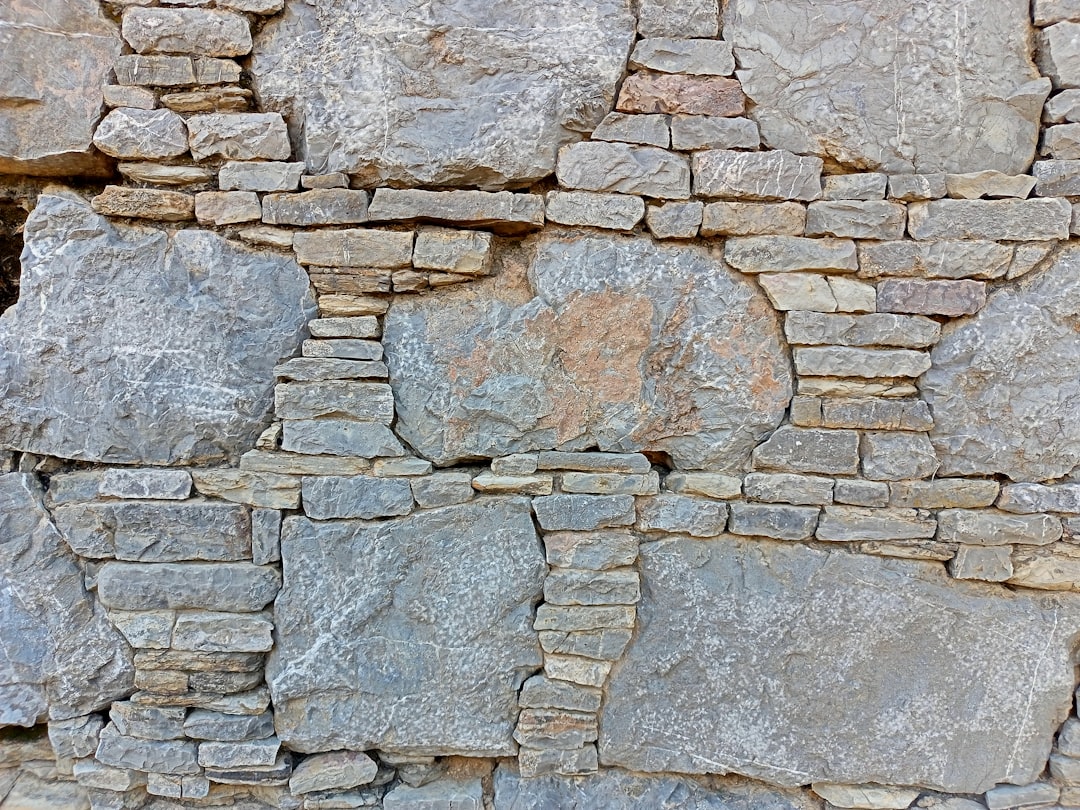
Mesoamerican stonework represents a remarkable achievement in the history of architecture and artistry, showcasing the ingenuity and skill of ancient civilizations such as the Maya, Aztec, and Olmec. These cultures, flourishing in regions that now encompass parts of Mexico, Guatemala, Belize, and Honduras, developed sophisticated techniques for quarrying, shaping, and assembling stone. The monumental structures they created—temples, pyramids, and ceremonial platforms—stand as testaments to their advanced understanding of materials and engineering principles.
The artistry involved in Mesoamerican stonework is not merely functional; it is imbued with cultural significance, reflecting the values, beliefs, and social hierarchies of the societies that produced them. The stonework of Mesoamerica is characterized by its precision and durability. The ancient builders employed a variety of local stones, including limestone, basalt, and volcanic rock, each chosen for its availability and suitability for specific purposes.
The craftsmanship involved in shaping these materials was not only a technical endeavor but also an artistic one, as intricate carvings and reliefs adorned many structures. This article delves into the importance of precision alignment in Mesoamerican architecture, the techniques and tools used by these ancient artisans, and the cultural significance of their work. By exploring these facets, one can gain a deeper appreciation for the legacy of Mesoamerican stonework and its enduring impact on modern architectural practices.
Key Takeaways
- Mesoamerican stonework showcases remarkable precision alignment, reflecting advanced architectural skills.
- Specialized tools and techniques enabled the creation of intricately aligned structures with cultural and spiritual significance.
- Astronomy and cosmology played a crucial role in guiding the orientation and design of Mesoamerican buildings.
- Comparisons reveal both unique innovations and shared methods with other ancient civilizations’ stonework.
- Ongoing preservation efforts and future research aim to deepen understanding and protect this architectural heritage.
The Importance of Precision Alignment in Mesoamerican Architecture
Precision alignment was a cornerstone of Mesoamerican architecture, influencing both the aesthetic appeal and structural integrity of their monumental constructions. The ancient builders demonstrated an exceptional understanding of geometry and spatial relationships, ensuring that their structures were not only visually striking but also stable over time. This meticulous attention to detail can be seen in the alignment of buildings with celestial bodies, which played a crucial role in their cultural practices.
For instance, many temples were oriented to capture the first light of the solstices or equinoxes, reflecting a deep connection between architecture and astronomy. Moreover, precision alignment facilitated the construction of complex urban layouts. Cities like Teotihuacan and Tikal were designed with a clear sense of order, where streets and plazas were arranged in relation to significant landmarks and celestial events.
This careful planning allowed for efficient movement within the city and reinforced social hierarchies through spatial organization. The alignment of structures not only served practical purposes but also symbolized the harmony between human endeavors and the natural world, reinforcing the belief systems that underpinned Mesoamerican societies.
Techniques and Tools Used in Mesoamerican Stonework
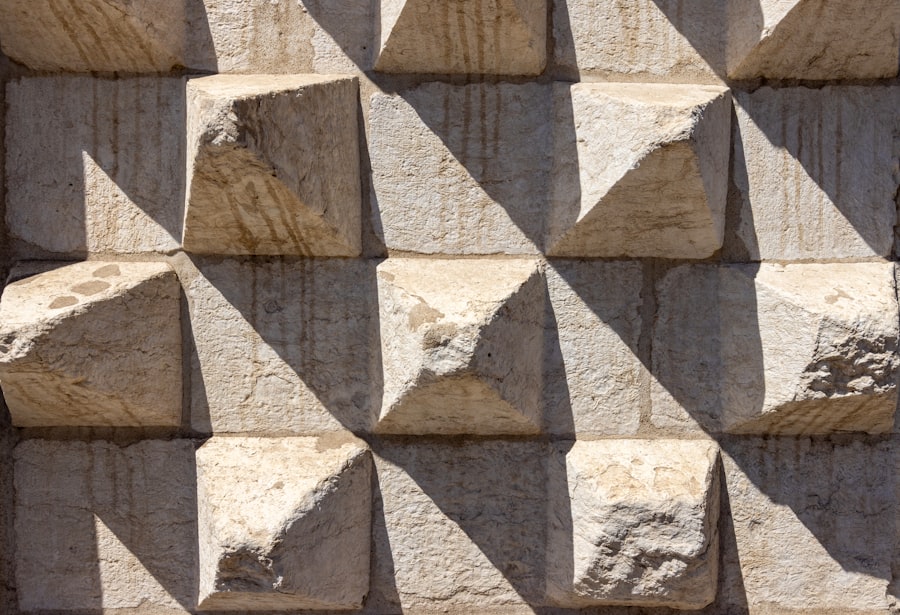
The techniques employed in Mesoamerican stonework were as diverse as the cultures that practiced them. One of the most notable methods was the use of simple yet effective tools made from harder materials. For instance, chisels crafted from obsidian or harder stones allowed artisans to carve intricate designs into softer limestone or volcanic rock.
These tools enabled them to achieve remarkable levels of detail in their sculptures and architectural elements. Additionally, the use of levers and wooden sledges facilitated the transportation of massive stone blocks from quarries to construction sites. Another significant technique involved the use of dry masonry, where stones were fitted together without mortar.
This method required exceptional skill in shaping stones to ensure they interlocked securely, providing stability to structures even in seismic regions. The builders often employed a technique known as “corbel arching,” which allowed them to create vaulted ceilings without the need for keystones or arches. This innovative approach not only enhanced the aesthetic appeal of their buildings but also demonstrated their advanced understanding of structural engineering principles.
Examples of Precision Alignment in Mesoamerican Structures
Numerous examples throughout Mesoamerica illustrate the importance of precision alignment in architectural design.
This alignment is not merely coincidental; it reflects the builders’ sophisticated knowledge of astronomy and their desire to create structures that resonated with cosmic significance.
The pyramid’s orientation allows for specific sunlight patterns during solstices, reinforcing its role as a ceremonial site. Similarly, the Temple of Kukulcán at Chichen Itza exemplifies precision alignment through its design. The pyramid features a staircase with 91 steps on each side, totaling 364 steps when combined with the top platform—symbolically representing the days of the year.
During the equinoxes, shadows cast by the setting sun create an illusion of a serpent slithering down the staircase, further emphasizing the connection between architecture and celestial events. Such examples highlight how precision alignment was not only a technical achievement but also a means of expressing cultural beliefs and values.
The Cultural and Spiritual Significance of Precision Alignment in Mesoamerican Architecture
| Metric | Description | Example Site | Precision Level | Measurement Method |
|---|---|---|---|---|
| Stone Block Fit | Gap between adjacent stone blocks | Inca Walls of Machu Picchu | Less than 1 mm | Laser scanning and calipers |
| Alignment Accuracy | Deviation from true cardinal directions | Teotihuacan Pyramids | Within 1° | GPS and compass measurements |
| Stone Cutting Angle | Precision of angled stone cuts for interlocking | Ollantaytambo Fortress | ±0.5° | Protractors and 3D modeling |
| Surface Smoothness | Flatness of stone surfaces for tight fit | Sacsayhuamán Walls | Surface deviation < 2 mm | Laser profilometry |
| Stone Weight Consistency | Uniformity in stone block sizes | Chichen Itza Platform Stones | ±5% variation | Weighing and volume estimation |
The cultural and spiritual significance of precision alignment in Mesoamerican architecture cannot be overstated. For these ancient civilizations, architecture was deeply intertwined with their cosmology and religious practices. The alignment of structures with celestial bodies was often seen as a way to connect the earthly realm with the divine.
Temples and pyramids served as portals through which worshippers could communicate with gods and ancestors, reinforcing social cohesion and cultural identity. Moreover, precision alignment often reflected broader societal values. The careful planning and execution required for such architectural feats demonstrated not only technical prowess but also a collective commitment to shared beliefs.
Structures like ball courts and ceremonial plazas were strategically placed within urban centers to facilitate communal gatherings and rituals. This spatial organization reinforced social hierarchies while fostering a sense of belonging among community members. In this way, precision alignment transcended mere aesthetics; it became a vital component of Mesoamerican identity.
The Role of Astronomy and Cosmology in Mesoamerican Stonework
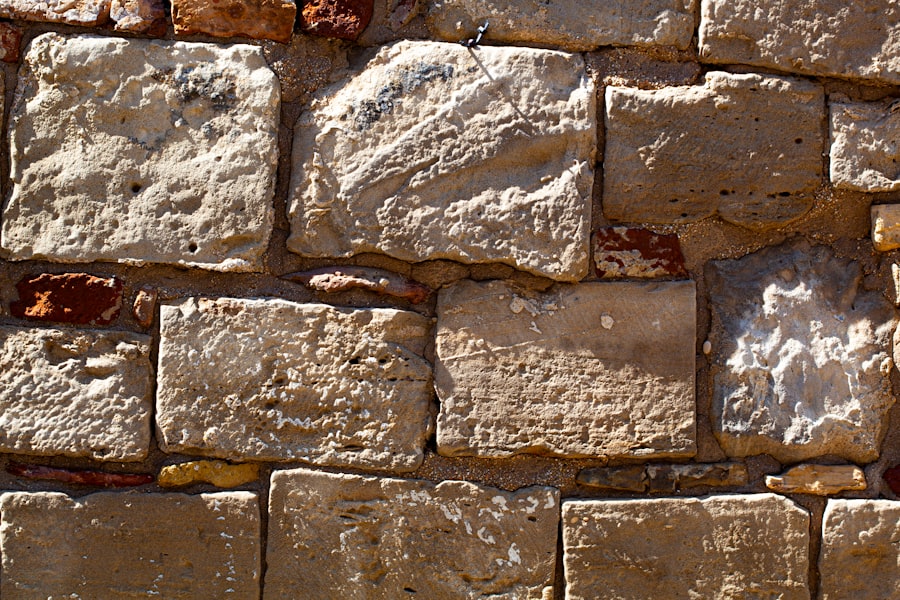
Astronomy played a pivotal role in shaping Mesoamerican stonework, influencing both architectural design and cultural practices. The ancient civilizations possessed an intricate understanding of celestial movements, which they meticulously recorded through calendars and astronomical observations. This knowledge informed their architectural choices, leading to structures that aligned with significant astronomical events such as solstices, equinoxes, and planetary cycles.
For instance, many temples were constructed to capture specific solar alignments during key moments in the agricultural calendar. This connection between architecture and astronomy underscored the importance of celestial phenomena in agricultural practices, religious ceremonies, and social organization. The alignment of structures with celestial bodies served as a reminder of humanity’s place within the cosmos, reinforcing spiritual beliefs that emphasized harmony between earth and sky.
Comparisons with Other Ancient Civilizations’ Stonework Techniques
When examining Mesoamerican stonework techniques, it is insightful to compare them with those employed by other ancient civilizations around the world. For example, ancient Egyptian builders utilized similar methods for quarrying and transporting massive stone blocks when constructing monumental structures like the pyramids at Giza. Both cultures demonstrated remarkable engineering skills; however, their approaches differed significantly due to geographical contexts and cultural priorities.
In contrast to Mesoamerican dry masonry techniques, ancient Greeks often relied on mortar to bind stones together in their temples and public buildings. While both civilizations achieved impressive architectural feats, Mesoamericans placed greater emphasis on precise stone fitting without adhesives—a testament to their advanced craftsmanship. Additionally, while Egyptian architecture often focused on monumental tombs for pharaohs, Mesoamerican structures frequently served dual purposes as both ceremonial sites and urban centers.
Challenges and Innovations in Mesoamerican Stonework
Mesoamerican stonework faced numerous challenges that required innovative solutions from its builders. One significant challenge was sourcing suitable materials from often distant quarries while navigating difficult terrain. To overcome this obstacle, ancient artisans developed ingenious methods for transporting heavy stones using wooden sledges or rolling logs—techniques that showcased their resourcefulness.
Another challenge lay in adapting construction methods to local environmental conditions. Many regions experienced seismic activity or heavy rainfall that could compromise structural integrity over time. In response, builders employed techniques such as corbel arching or reinforced foundations to enhance stability against natural forces.
These innovations not only ensured longevity but also reflected an adaptive approach to architecture that prioritized resilience.
The Legacy of Mesoamerican Stonework in Modern Architecture
The legacy of Mesoamerican stonework continues to resonate within modern architectural practices. Contemporary architects often draw inspiration from ancient techniques while incorporating them into innovative designs that reflect current values and technologies. The emphasis on precision alignment seen in Mesoamerican structures can be observed in modern sustainable architecture that seeks harmony with natural surroundings.
Furthermore, many modern buildings pay homage to Mesoamerican aesthetics through the use of local materials or design motifs inspired by ancient civilizations. This fusion of old and new highlights an ongoing dialogue between past achievements and contemporary aspirations—a testament to the enduring influence of Mesoamerican stonework on global architectural trends.
Preservation and Conservation of Mesoamerican Stonework
Preserving Mesoamerican stonework poses significant challenges due to environmental factors such as erosion, pollution, and climate change. Many ancient sites are at risk from natural disasters or human activities that threaten their structural integrity. As a result, conservation efforts have become increasingly vital in safeguarding these cultural treasures for future generations.
Organizations dedicated to archaeological preservation work tirelessly to document sites while implementing strategies for restoration where necessary. These efforts often involve collaboration between local communities, governments, and international organizations committed to protecting cultural heritage. By raising awareness about the importance of preserving Mesoamerican stonework, these initiatives aim not only to protect physical structures but also to honor the rich cultural narratives they embody.
Future Research and Discoveries in Mesoamerican Stonework
The field of Mesoamerican archaeology remains vibrant with ongoing research aimed at uncovering new insights into ancient stonework practices. Advances in technology—such as ground-penetrating radar or 3D modeling—allow researchers to explore previously inaccessible areas while gaining deeper understandings of construction techniques used by ancient builders. Future discoveries may shed light on lesser-known sites or reveal hidden aspects of well-documented structures that could reshape current interpretations about their significance within broader cultural contexts.
As scholars continue to investigate these ancient practices through interdisciplinary approaches combining archaeology with anthropology or history—the potential for new revelations about Mesoamerican stonework remains vast. In conclusion, Mesoamerican stonework stands as a remarkable testament to human creativity and ingenuity across centuries past—its legacy enduring through time while inspiring future generations toward innovative architectural endeavors rooted in respect for cultural heritage.
Mesoamerican stonework is renowned for its precision alignment, showcasing the advanced engineering skills of ancient civilizations. A fascinating exploration of this topic can be found in the article on the Real Lore and Order website, which delves into the techniques and cultural significance behind these remarkable constructions. For more insights, you can read the article here.
WATCH THIS! The Impossible Technology They Erased From History
FAQs
What is Mesoamerican stonework precision alignment?
Mesoamerican stonework precision alignment refers to the highly accurate and deliberate positioning of stones and architectural elements in ancient Mesoamerican structures. This precision often involves aligning stones with astronomical events, cardinal directions, or other significant cultural markers.
Which civilizations are known for Mesoamerican stonework precision alignment?
Civilizations such as the Maya, Aztec, Olmec, and Zapotec are well-known for their advanced stonework and precise alignments in their temples, pyramids, and other structures.
How did Mesoamerican builders achieve such precise stone alignments?
Mesoamerican builders used a combination of advanced surveying techniques, astronomical observations, and skilled craftsmanship. They employed tools like plumb bobs, sighting rods, and simple geometry to achieve precise alignments.
What purposes did the precision alignments serve?
The alignments often had religious, ceremonial, or calendrical significance. They could mark solstices, equinoxes, or other astronomical events, helping to regulate agricultural cycles and religious festivals.
Are there specific examples of Mesoamerican structures with notable stonework alignment?
Yes, examples include the Pyramid of Kukulcán at Chichen Itza, which aligns with the equinox sun to create a serpent shadow effect, and the observatory at Uxmal, which is aligned with Venus’s cycles.
Is the precision alignment unique to Mesoamerica?
While many ancient cultures worldwide practiced precise stone alignments, the specific methods and cultural meanings in Mesoamerica are unique to the region’s civilizations and their cosmology.
How has modern technology helped study Mesoamerican stonework precision?
Modern tools like 3D scanning, satellite imagery, and computer modeling have allowed researchers to analyze alignments more accurately and understand their astronomical and cultural significance.
Can Mesoamerican stonework precision alignment be seen today?
Yes, many ancient Mesoamerican sites are preserved and accessible to the public, allowing visitors to observe the precise alignments and architectural features firsthand.