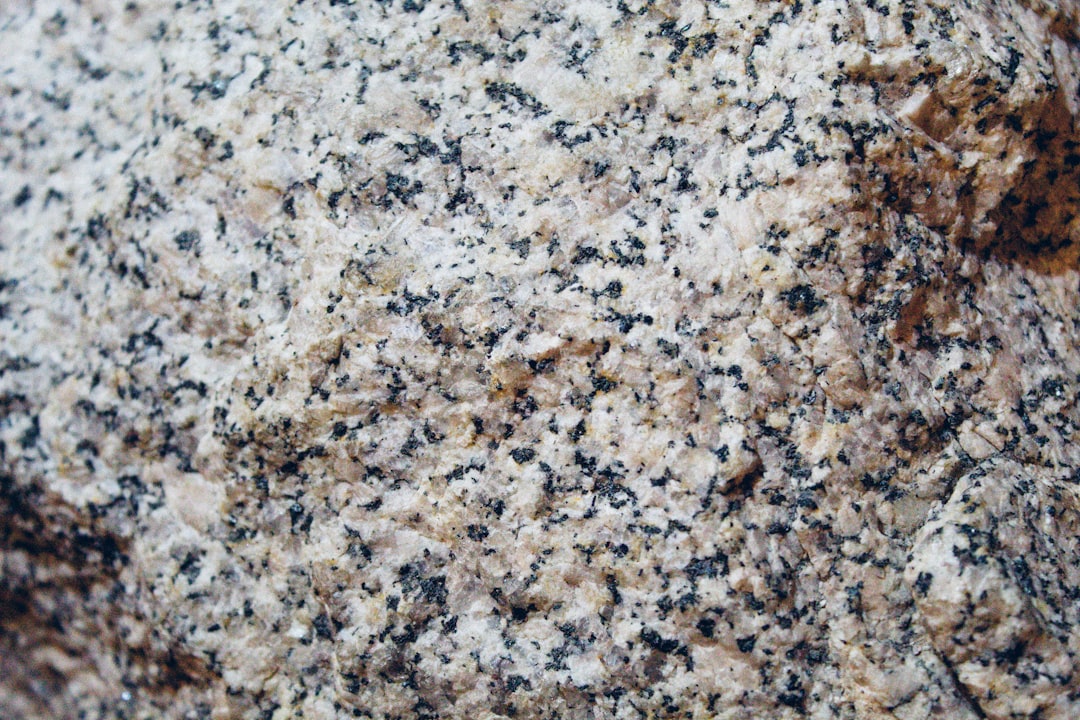
The Serapeum of Saqqara is an ancient underground burial complex located in Egypt, dating to the New Kingdom period (approximately 1550-1070 BCE) with later additions during the Ptolemaic era. The site contains 24 large granite and basalt sarcophagi, each weighing between 60-80 tons and measuring approximately 4 meters long, 2.3 meters wide, and 3.3 meters high. These sarcophagi were constructed to house the mummified remains of Apis bulls, which held sacred significance in ancient Egyptian religion as living manifestations of the god Ptah.
Archaeological evidence indicates that the Apis bulls were carefully selected based on specific physical characteristics and were worshipped during their lifetime at the nearby temple of Ptah in Memphis. Upon death, each bull underwent mummification and was interred in the Serapeum with elaborate burial goods. The precision of the sarcophagi construction demonstrates advanced stone-working techniques, including the use of copper and bronze tools, along with sophisticated methods for quarrying, transporting, and positioning these massive stone containers within the underground chambers.
The Serapeum was rediscovered by French archaeologist Auguste Mariette in 1851. Most sarcophagi were found empty, likely due to ancient tomb robbing, though some contained remnants of mummified bulls and associated burial artifacts. The site provides valuable insights into ancient Egyptian religious practices, particularly the cult of Apis, and demonstrates the technological capabilities of ancient Egyptian craftsmen in working with hard stone materials.
The complex remained in use for over 1,300 years, with the last known Apis burial occurring during the reign of Cleopatra VII.
Key Takeaways
- The Serapeum Boxes showcase remarkable ancient craftsmanship and precision engineering.
- Their geological composition provides insights into the materials and techniques used.
- The boxes hold significant cultural, historical, and symbolic meanings.
- Modern studies continue to analyze and debate their original purpose and controversies.
- Preservation efforts aim to protect the legacy of the Serapeum Boxes for future generations.
The Ancient Craftsmanship of the Serapeum Boxes
The craftsmanship displayed in the creation of the Serapeum boxes is nothing short of extraordinary. Each box is hewn from a single block of granite, showcasing the remarkable skill and dedication of ancient Egyptian artisans. The precision with which these boxes were carved is evident in their smooth surfaces and perfectly aligned edges, suggesting that the builders possessed advanced tools and techniques that have since been lost to time.
The ability to transport such massive stones from quarries located miles away further emphasizes the ingenuity and resourcefulness of these ancient craftsmen. Moreover, the decorative elements found on some of the boxes add another layer of complexity to their craftsmanship. Intricate carvings and hieroglyphics adorn the surfaces, often depicting religious symbols and motifs associated with the afterlife.
These embellishments not only enhance the aesthetic appeal of the boxes but also serve as a testament to the cultural significance placed on death and rebirth in ancient Egyptian society. The meticulous attention to detail reflects a deep reverence for the deceased and an understanding of their journey into the afterlife, underscoring the importance of craftsmanship in conveying spiritual beliefs.
The Geological Significance of the Serapeum Boxes
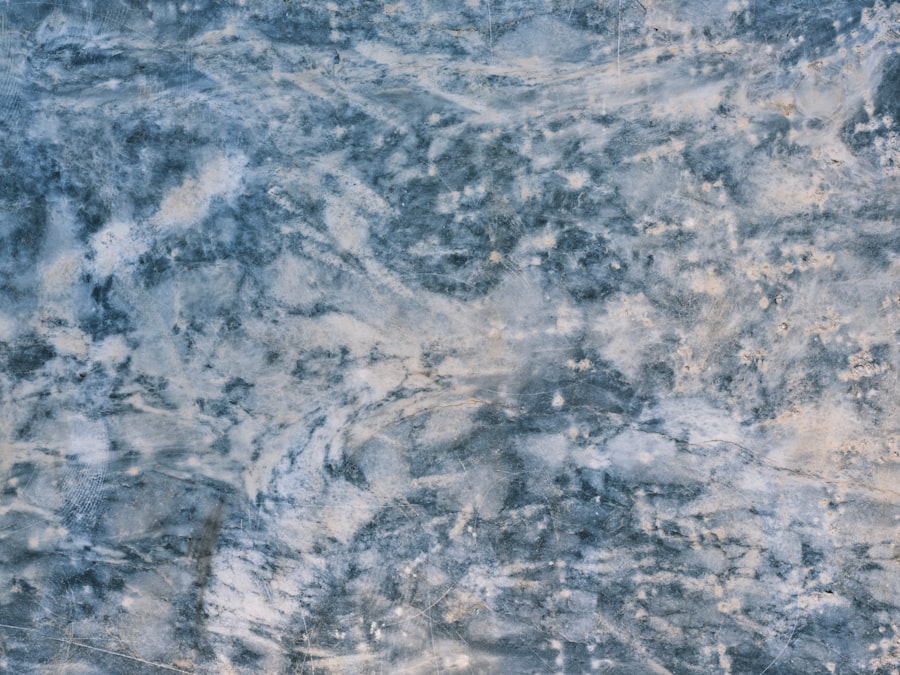
The geological context of the Serapeum boxes is as fascinating as their craftsmanship. The granite used in their construction originates from quarries located in Aswan, a region known for its high-quality stone. This choice of material not only speaks to the aesthetic preferences of ancient Egyptians but also highlights their understanding of geology and material properties.
Granite, with its durability and resistance to erosion, was an ideal choice for creating lasting monuments intended to honor the dead. Additionally, the geological features surrounding Saqqara provide insight into the environmental conditions that influenced ancient construction practices. The proximity to the Nile River facilitated transportation, allowing builders to move heavy stones with relative ease.
Understanding these geological factors is crucial for archaeologists seeking to reconstruct the methods employed in creating such monumental structures.
The Precision Engineering of the Serapeum Boxes
The engineering prowess demonstrated in the construction of the Serapeum boxes is remarkable, particularly when considering the tools and techniques available during ancient times. The precision with which these massive stone structures were crafted suggests a sophisticated understanding of geometry and physics. Each box was meticulously designed to fit its lid perfectly, creating a seal that has withstood millennia.
This level of accuracy indicates that ancient engineers possessed knowledge that would not be fully appreciated until much later in history. Furthermore, the methods used to transport and position these heavy boxes are a testament to ancient ingenuity. It is believed that sledges were employed to move the stones across sandy terrain, possibly lubricated with water to reduce friction.
Once at their destination, ramps or levers may have been utilized to lift and place the boxes into their final resting positions. Such engineering feats challenge modern assumptions about ancient capabilities, prompting scholars to reconsider what was possible in a time long before modern machinery.
The Purpose of the Serapeum Boxes
| Metric | Value | Unit | Description |
|---|---|---|---|
| Material | Granite | Type | Primary stone used for Serapeum boxes |
| Box Dimensions | 2.5 x 1.2 x 1.0 | meters | Average external dimensions of a Serapeum box |
| Wall Thickness | 0.3 | meters | Thickness of granite walls for structural integrity |
| Weight | 5,000 | kilograms | Approximate weight of a single granite box |
| Precision Tolerance | ±2 | millimeters | Manufacturing precision for fitting lid and base |
| Surface Finish | Polished | Type | Surface treatment for aesthetic and preservation |
| Load Capacity | 10,000 | kilograms | Maximum load the box can structurally support |
| Manufacturing Method | Precision Cutting & Polishing | Process | Techniques used to achieve exact dimensions and finish |
The purpose of the Serapeum boxes has been a subject of extensive debate among historians and archaeologists. While it is widely accepted that they served as burial sites for sacred bulls, questions remain regarding their specific function within religious practices. Some scholars argue that these boxes were not merely tombs but rather ceremonial vessels designed for rituals associated with death and rebirth.
The Apis bulls were considered manifestations of the god Ptah, and their burial in such grand structures underscores their significance in ancient Egyptian cosmology. Additionally, some theories suggest that the boxes may have played a role in ancestor worship or offerings made to deities. The elaborate nature of their construction implies that they were intended for more than just practical use; they were likely imbued with spiritual meaning.
This multifaceted purpose reflects the complexity of ancient Egyptian beliefs surrounding life, death, and the afterlife, highlighting how these boxes served as focal points for communal rituals and individual devotion.
The Cultural and Historical Significance of the Serapeum Boxes
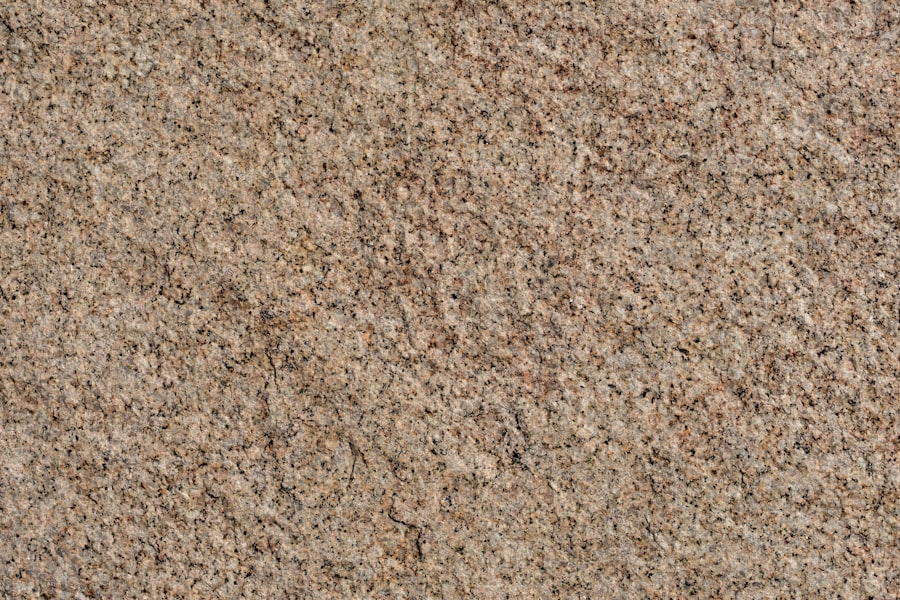
The cultural significance of the Serapeum boxes extends beyond their physical presence; they embody key aspects of ancient Egyptian society and belief systems. As repositories for sacred bulls, these boxes symbolize the intersection of religion, politics, and social structure in ancient Egypt. The Apis bulls were not only revered as divine entities but also served as symbols of fertility and prosperity, linking them directly to agricultural cycles and national identity.
Historically, the Serapeum represents a period of great architectural achievement during which monumental structures were constructed to honor both gods and pharaohs. The site itself reflects broader trends in ancient Egyptian funerary practices, showcasing how beliefs about death evolved over time.
The Symbolism of the Serapeum Boxes
The symbolism inherent in the Serapeum boxes is rich and multifaceted, reflecting deep-seated beliefs about life, death, and divinity in ancient Egypt. The Apis bulls interred within these boxes were seen as earthly manifestations of gods, bridging the gap between mortals and the divine. This connection imbues the boxes with profound spiritual significance, as they served as vessels for transporting these sacred beings into the afterlife.
Moreover, the design elements found on the boxes often carry symbolic meanings related to resurrection and eternal life. Hieroglyphics and motifs depicting deities associated with rebirth reinforce this theme, suggesting that these structures were not merely tombs but gateways to another realm. The symbolism embedded within each box invites contemplation on humanity’s relationship with mortality and spirituality, making them powerful artifacts that resonate across time.
The Controversies Surrounding the Serapeum Boxes
Despite their historical importance, the Serapeum boxes have not been without controversy. Debates surrounding their origins, construction methods, and intended purposes have sparked discussions among scholars and enthusiasts alike. Some researchers question whether traditional theories adequately explain how such massive structures were created without modern technology.
Alternative hypotheses have emerged, ranging from lost civilizations possessing advanced knowledge to extraterrestrial involvement—though these ideas often lack substantial evidence. Additionally, controversies arise regarding access to these archaeological treasures. As interest in ancient Egypt continues to grow, issues surrounding preservation versus tourism come into play.
Balancing public access with conservation efforts poses challenges for authorities tasked with protecting these invaluable artifacts while allowing for continued study and appreciation by future generations.
The Modern Study and Analysis of the Serapeum Boxes
In recent years, advancements in technology have opened new avenues for studying the Serapeum boxes. Non-invasive techniques such as 3D scanning and imaging allow researchers to analyze these structures without causing damage. Such methods provide insights into their construction techniques and reveal hidden details that may have gone unnoticed by previous generations of archaeologists.
Furthermore, interdisciplinary approaches combining archaeology with fields like engineering and materials science are enhancing our understanding of these ancient artifacts. By examining wear patterns on tools used for carving or analyzing stone samples for chemical composition, modern scholars are piecing together a more comprehensive picture of how these monumental structures were created and utilized within their cultural context.
The Preservation of the Serapeum Boxes
Preserving the Serapeum boxes poses significant challenges due to their age and exposure to environmental factors over time. Efforts are underway to protect these artifacts from deterioration caused by humidity fluctuations, pollution, and human activity. Conservationists employ various techniques ranging from climate control within storage facilities to careful restoration practices aimed at maintaining structural integrity while respecting historical authenticity.
Public awareness campaigns also play a crucial role in preservation efforts by educating visitors about responsible tourism practices when visiting archaeological sites like Saqqara. By fostering a sense of stewardship among those who encounter these treasures firsthand, there is hope for ensuring that future generations can continue to marvel at the craftsmanship and cultural significance embodied by the Serapeum boxes.
The Legacy of the Serapeum Boxes
The legacy of the Serapeum boxes extends far beyond their physical presence at Saqqara; they represent a profound connection between past civilizations and contemporary society’s quest for understanding its roots. As symbols of ancient Egyptian ingenuity and spirituality, these artifacts continue to inspire awe and curiosity among scholars, tourists, and enthusiasts alike. Moreover, they serve as reminders of humanity’s enduring fascination with death, spirituality, and cultural identity—themes that resonate across cultures throughout history.
By studying artifacts like the Serapeum boxes, modern society can gain valuable insights into its own beliefs about mortality while appreciating the rich tapestry woven by those who came before us. In this way, the legacy of these ancient structures lives on, inviting exploration into both their mysteries and our shared human experience.
The precision of the granite boxes found in the Serapeum of Saqqara has long fascinated researchers and enthusiasts alike. These enigmatic structures, believed to date back to ancient Egypt, showcase an extraordinary level of craftsmanship that raises questions about the technological capabilities of the civilization at the time. For a deeper exploration of the mysteries surrounding ancient artifacts and their implications, you can read more in this related article on our site: Ancient Artifacts and Their Secrets.
WATCH THIS! The Impossible Technology They Erased From History
FAQs
What are Serapeum boxes?
Serapeum boxes are stone containers found in the Serapeum of Saqqara, an ancient Egyptian burial site. They were used to house the mummified remains of sacred Apis bulls, which were considered manifestations of the god Ptah.
What material are Serapeum boxes made from?
Serapeum boxes are primarily made from granite, a durable and hard stone that was commonly used in ancient Egyptian architecture and sculpture.
Why is granite used for Serapeum boxes?
Granite was chosen for its strength, durability, and ability to be precisely carved. This ensured the protection of the sacred remains inside and allowed for detailed inscriptions and decorations.
What does “granite precision” refer to in the context of Serapeum boxes?
“Granite precision” refers to the highly accurate and skillful craftsmanship involved in carving the granite boxes. Ancient Egyptian artisans achieved remarkable precision in shaping and fitting the granite blocks, often without modern tools.
How were the Serapeum boxes constructed?
The boxes were carved from large granite blocks using copper tools, abrasives, and skilled labor. The artisans employed precise measurements and techniques to create smooth surfaces and tight-fitting lids.
Where is the Serapeum located?
The Serapeum is located in Saqqara, Egypt, near the ancient capital of Memphis. It served as a burial site for the Apis bulls over several centuries.
What is the historical significance of the Serapeum boxes?
The Serapeum boxes provide valuable insights into ancient Egyptian religious practices, craftsmanship, and burial customs. They also demonstrate the advanced stone-working techniques of the time.
Are Serapeum boxes decorated or inscribed?
Yes, many Serapeum boxes feature inscriptions and carvings, including hieroglyphs that record the names of the bulls, dates, and religious texts related to the Apis cult.
Can the public view Serapeum boxes today?
Some Serapeum boxes and artifacts are displayed in museums, while the Serapeum site itself is accessible to visitors, though access may be limited due to preservation efforts.
What challenges are involved in studying Serapeum boxes?
Challenges include the boxes’ massive size and weight, weathering and damage over time, and the difficulty of interpreting inscriptions due to erosion or incomplete records.