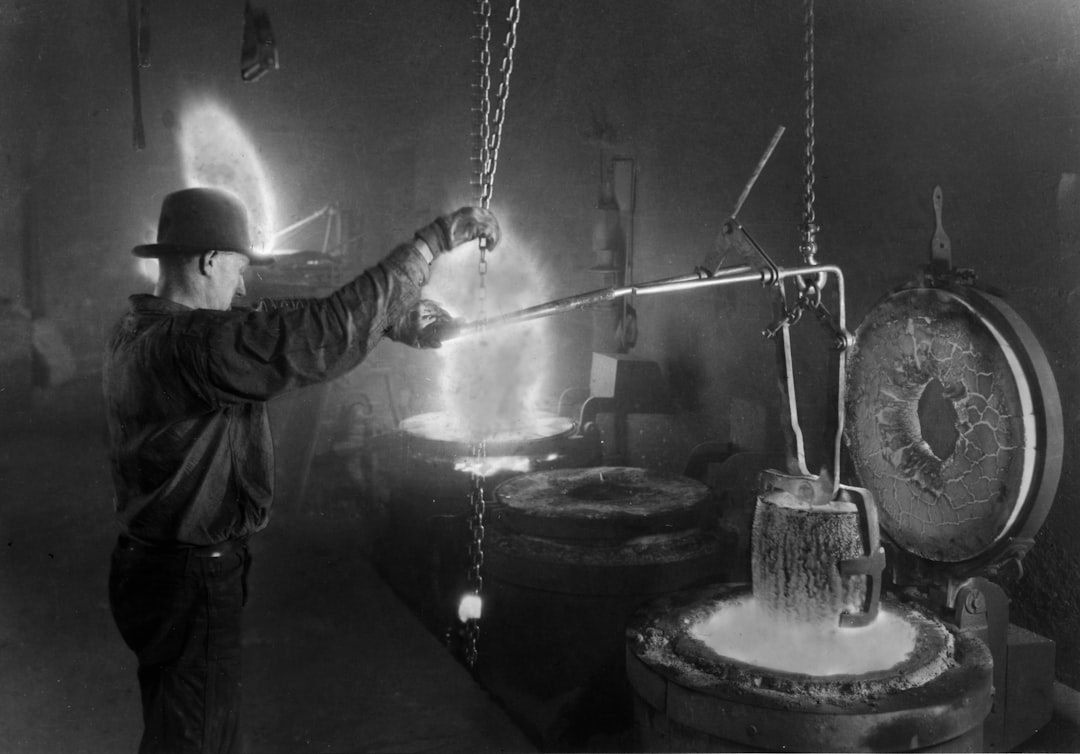
The art of zinc distillation, a process that dates back to ancient civilizations, has long been a subject of fascination for historians and metallurgists alike. This technique, which involves the extraction of zinc from its ores through heating and condensation, showcases the ingenuity of early metallurgists who sought to harness the properties of this versatile metal. The methods employed in ancient zinc distillation not only reflect the technological capabilities of their time but also provide insight into the cultural and economic contexts in which these practices flourished.
As modern society grapples with the implications of industrialization and environmental sustainability, there is a growing interest in revisiting these ancient techniques. In recent years, the revival of ancient zinc distillation methods has gained momentum, driven by a desire to reconnect with traditional practices that prioritize sustainability and resourcefulness. By examining the historical context and the processes involved, one can appreciate the significance of these techniques in both past and present applications.
The exploration of ancient zinc distillation not only serves as a window into the past but also offers valuable lessons for contemporary practices in metallurgy and environmental stewardship.
Key Takeaways
- Ancient zinc distillation techniques offer valuable historical and practical insights into metal extraction.
- Reviving these methods can enhance sustainable and environmentally friendly zinc production.
- Understanding the traditional distillation process is key to overcoming modern industrial challenges.
- Preserving and applying traditional knowledge supports cultural heritage and innovative applications.
- Future prospects include integrating ancient techniques with modern technology for improved efficiency.
History of Zinc Distillation
The history of zinc distillation can be traced back to various ancient cultures, with evidence suggesting that the process was utilized as early as the 9th century in India and China. These early practitioners discovered that by heating zinc ores, they could extract the metal in a gaseous form, which would then condense into liquid zinc upon cooling. This innovative approach marked a significant advancement in metallurgy, allowing for the production of zinc on a scale previously thought impossible.
The techniques developed during this period laid the groundwork for future advancements in metal extraction and processing. As trade routes expanded and cultural exchanges flourished, knowledge of zinc distillation spread across continents. By the Middle Ages, European alchemists had begun to experiment with these techniques, further refining the process and enhancing their understanding of zinc’s properties.
The establishment of zinc smelting industries in places like Germany and England during the 18th century signified a turning point in the history of zinc production. These developments not only increased the availability of zinc but also contributed to its growing importance in various applications, from construction to medicine.
Importance of Reviving Ancient Techniques
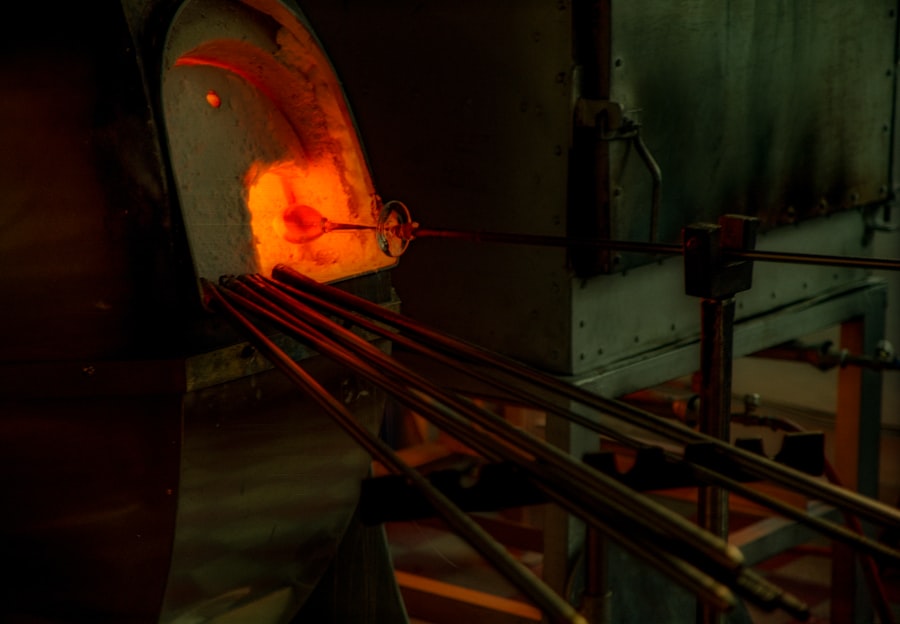
Reviving ancient zinc distillation techniques holds significant importance in today’s world, particularly as society seeks sustainable alternatives to modern industrial practices.
By studying and potentially reintegrating these techniques into contemporary practices, modern industries can reduce their carbon footprint and promote more sustainable production methods.
Moreover, the revival of these ancient techniques can foster a deeper appreciation for traditional craftsmanship and knowledge systems. In an age dominated by rapid technological advancements, there is a risk of losing valuable skills and insights that have been passed down through generations. By embracing ancient zinc distillation methods, individuals and communities can preserve this knowledge while also promoting cultural heritage and identity.
This revival can serve as a bridge between past and present, encouraging a more holistic approach to metallurgy that values both innovation and tradition.
Understanding the Process of Zinc Distillation
The process of zinc distillation involves several key steps that highlight the sophistication of ancient metallurgical practices. Initially, zinc ores such as sphalerite are crushed and roasted to remove impurities and prepare them for distillation. This roasting process not only enhances the purity of the ore but also facilitates the release of volatile compounds.
Once prepared, the ore is placed in a retort or furnace where it is subjected to high temperatures, typically ranging from 900 to 1,200 degrees Celsius. As the ore is heated, zinc vaporizes and rises through the retort. This gaseous form of zinc is then channeled into a cooling system where it condenses back into liquid form.
The efficiency of this process relies heavily on the design of the retort and cooling apparatus, which must be carefully calibrated to maximize yield while minimizing energy consumption. The resulting liquid zinc can then be collected for further processing or use in various applications. Understanding this intricate process not only sheds light on the technical prowess of ancient metallurgists but also underscores the potential for modern adaptations.
Benefits of Using Ancient Techniques
| Aspect | Description | Time Period | Region | Key Materials | Distillation Method | Output Purity |
|---|---|---|---|---|---|---|
| Technology | Retort distillation of zinc ore | Circa 9th-12th century CE | India (Zawar, Rajasthan) | Calamine ore, charcoal | Closed retort system with downward condensation | Approximately 95% pure zinc |
| Furnace Design | Underground furnace with sealed retorts | Medieval period | India | Clay, stone, metal retorts | Indirect heating to vaporize zinc | High yield with minimal zinc loss |
| Process Duration | Continuous distillation over several hours | Ancient times | India | Calamine, fuel (charcoal) | Slow heating and condensation | Steady zinc vapor collection |
| Significance | First known large-scale zinc production | 9th century onwards | India | Natural ores and traditional fuels | Innovative retort distillation | Enabled widespread use of zinc metal |
The benefits of employing ancient zinc distillation techniques extend beyond mere nostalgia; they encompass practical advantages that resonate with contemporary challenges. One significant benefit is the reduced environmental impact associated with traditional methods. Ancient techniques often utilized locally sourced materials and required less energy compared to modern industrial processes, which rely heavily on fossil fuels and generate substantial waste.
By adopting these sustainable practices, industries can contribute to a greener future while still meeting demand for zinc. Additionally, ancient techniques often emphasize craftsmanship and quality over quantity. In an era where mass production dominates, there is a growing appreciation for artisanal methods that prioritize skill and attention to detail.
By reviving ancient zinc distillation practices, artisans can produce high-quality zinc products that cater to niche markets seeking sustainable and ethically sourced materials. This shift not only supports local economies but also fosters a sense of community among those engaged in traditional craftsmanship.
Challenges in Reviving Ancient Zinc Distillation Techniques
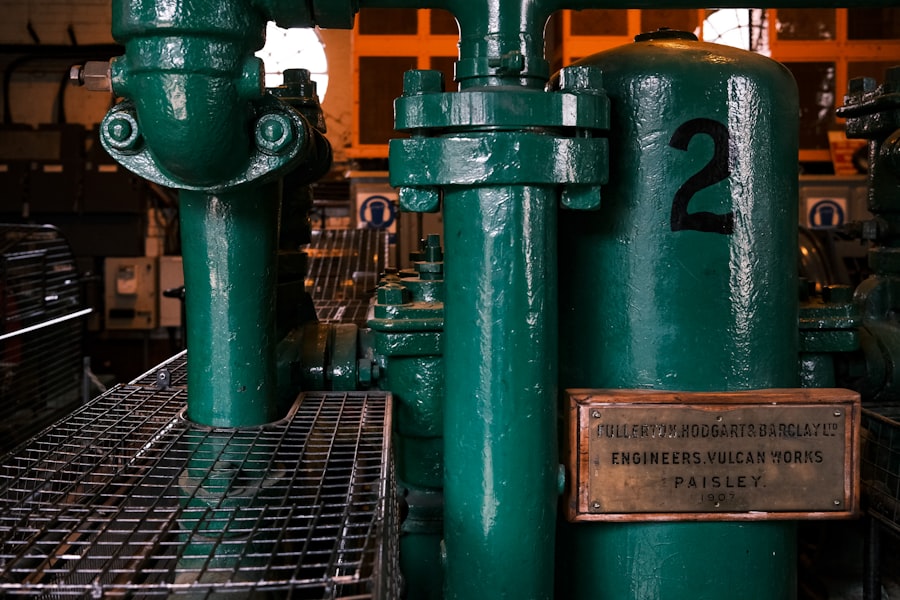
Despite the numerous benefits associated with reviving ancient zinc distillation techniques, several challenges must be addressed to facilitate their successful integration into modern practices. One primary obstacle is the lack of comprehensive documentation regarding these techniques. Much of what is known about ancient distillation methods comes from fragmented historical records or archaeological findings, leaving gaps in understanding that can hinder effective implementation.
Furthermore, there may be resistance from industries accustomed to modern production methods that prioritize efficiency and scalability over traditional practices. Convincing stakeholders to invest time and resources into reviving these techniques may prove difficult, especially when faced with the pressures of global competition and market demands. Overcoming these challenges will require collaboration among historians, metallurgists, and industry leaders to create a framework that supports the integration of ancient techniques into contemporary practices.
Modern Applications of Ancient Zinc Distillation
The potential applications of revived ancient zinc distillation techniques are vast and varied, spanning multiple industries and sectors. In construction, for instance, sustainably sourced zinc can be utilized in roofing materials, providing durability while minimizing environmental impact. The architectural community has increasingly recognized the value of using materials that are both functional and environmentally friendly, making ancient distillation methods particularly relevant in this context.
In addition to construction, there are opportunities for ancient zinc distillation techniques in art and design.
By incorporating sustainably produced zinc into their creations, artists can contribute to a growing movement that values ethical sourcing and environmental responsibility.
Preservation of Traditional Knowledge
The preservation of traditional knowledge surrounding ancient zinc distillation techniques is crucial for ensuring their continued relevance in modern society. As globalization accelerates and cultures become increasingly homogenized, there is a risk that valuable skills and practices may be lost forever. By actively documenting and sharing knowledge related to these techniques, communities can safeguard their cultural heritage while also fostering innovation.
Educational initiatives play a vital role in this preservation effort. Workshops, seminars, and collaborative projects can provide opportunities for individuals to learn about ancient distillation methods firsthand while also encouraging intergenerational knowledge transfer. By engaging younger generations in these practices, communities can cultivate a sense of pride in their heritage while equipping them with valuable skills that may prove beneficial in future endeavors.
Environmental Impact of Zinc Distillation
The environmental impact of zinc distillation is an important consideration as society seeks sustainable solutions to pressing ecological challenges. Traditional methods often exhibit lower carbon emissions compared to modern industrial processes due to their reliance on renewable energy sources and local materials. This reduced environmental footprint aligns with global efforts to combat climate change and promote sustainable resource management.
Moreover, ancient techniques tend to generate less waste throughout the production process. By utilizing every part of the ore and minimizing byproducts, these methods contribute to a circular economy that prioritizes resource efficiency. As industries increasingly recognize the importance of sustainability, integrating ancient zinc distillation practices can serve as a model for responsible production that respects both people and the planet.
Future Prospects of Revived Techniques
The future prospects for revived ancient zinc distillation techniques appear promising as interest in sustainable practices continues to grow across various sectors. As consumers become more conscious of their purchasing decisions, there is an increasing demand for ethically sourced materials that align with environmental values. This shift presents an opportunity for industries to embrace traditional methods that prioritize sustainability while still meeting market needs.
Furthermore, advancements in technology may facilitate the integration of ancient techniques into modern production systems. Innovations such as improved retort designs or energy-efficient heating methods could enhance the efficiency and viability of traditional distillation processes. By combining age-old wisdom with contemporary technology, industries can create a new paradigm for metal production that honors both heritage and innovation.
Conclusion and Call to Action
In conclusion, the revival of ancient zinc distillation techniques offers a unique opportunity to bridge the gap between tradition and modernity while addressing pressing environmental concerns. By understanding the historical context and practical applications of these methods, society can harness their potential for sustainable metal production that respects both cultural heritage and ecological integrity. As individuals, communities, and industries consider how best to move forward in an increasingly complex world, there is a call to action: embrace the wisdom of our ancestors by exploring ancient practices that prioritize sustainability and craftsmanship.
Through collaboration, education, and innovation, society can pave the way for a future where traditional knowledge informs modern practices—ultimately leading to a more sustainable and equitable world for generations to come.
Zinc distillation is an ancient technology that has fascinated historians and metallurgists alike due to its intricate processes and historical significance. For those interested in exploring more about the historical context and applications of this technology, you can read a related article on the subject at this link. This article delves into the methods used in ancient zinc distillation and its impact on various cultures throughout history.
WATCH THIS! The Impossible Technology They Erased From History
FAQs
What is zinc distillation in ancient technology?
Zinc distillation in ancient technology refers to the process used by early metallurgists to extract and purify zinc metal from its ores by heating and condensing the vaporized zinc. This method allowed the separation of zinc from other materials through controlled heating and collection of zinc vapor.
When and where was zinc distillation first developed?
Zinc distillation was first developed in ancient India around the 12th century CE. Archaeological evidence shows that Indian metallurgists used retorts to distill zinc, making India one of the earliest known regions to practice zinc distillation on an industrial scale.
Why was zinc distillation important in ancient times?
Zinc distillation was important because zinc has a relatively low boiling point and vaporizes before melting, making it difficult to extract by traditional smelting. Distillation allowed ancient metallurgists to obtain pure zinc metal, which was used in alloys like brass and for medicinal and decorative purposes.
How did ancient zinc distillation technology work?
Ancient zinc distillation involved heating zinc ore in a closed vessel called a retort. As the ore heated, zinc vaporized and traveled through a condenser where it cooled and solidified into pure zinc metal. This process required precise temperature control to vaporize zinc without losing it to the atmosphere.
What materials were used in ancient zinc distillation apparatus?
Ancient zinc distillation apparatus typically used ceramic or clay retorts and condensers. These materials could withstand high temperatures and were chemically inert, making them suitable for the distillation process.
What challenges did ancient metallurgists face in zinc distillation?
Challenges included controlling the temperature to vaporize zinc without oxidizing it, preventing zinc vapor from escaping, and designing retorts that could withstand repeated heating. Additionally, the need for skilled labor and knowledge of metallurgy made zinc distillation a complex process.
How did ancient zinc distillation influence modern metallurgy?
Ancient zinc distillation laid the foundation for modern zinc extraction techniques. Understanding vaporization and condensation principles helped develop more efficient methods for zinc production, influencing the evolution of metallurgical processes used today.
Are there archaeological sites that show evidence of ancient zinc distillation?
Yes, archaeological sites in India, such as Zawar in Rajasthan, provide evidence of ancient zinc distillation technology. Excavations have uncovered retorts and furnaces used for zinc extraction dating back to the medieval period.
What metals were commonly alloyed with zinc in ancient times?
Zinc was commonly alloyed with copper to produce brass, a metal valued for its strength, corrosion resistance, and aesthetic appeal. Brass was widely used in tools, ornaments, and coins in ancient civilizations.
Is zinc distillation unique to any particular ancient culture?
While zinc distillation was notably advanced in ancient India, other cultures such as the Chinese and some Middle Eastern societies also developed methods for zinc extraction. However, the Indian process is considered one of the earliest and most sophisticated examples of zinc distillation technology.