
Thermal networks are intricate systems designed to manage and distribute thermal energy efficiently.
At their core, these networks consist of interconnected components that facilitate the transfer of heat, ensuring that energy is utilized effectively.
As you delve into the world of thermal networks, you will discover that they are not merely about moving heat from one point to another; they are about optimizing energy use, reducing waste, and enhancing overall system performance. In essence, a thermal network operates on the principles of thermodynamics, where heat flows from areas of higher temperature to those of lower temperature. This fundamental concept underpins the design and operation of thermal networks.
You will find that understanding the dynamics of heat transfer, including conduction, convection, and radiation, is essential for anyone looking to design or improve a thermal network. By grasping these principles, you can make informed decisions about materials, configurations, and technologies that will enhance the efficiency and effectiveness of your thermal systems.
Key Takeaways
- Basalt cores enhance thermal networks by providing superior heat resistance and durability.
- Design and installation of basalt cores require specific considerations to maximize efficiency and longevity.
- Compared to traditional materials, basalt cores offer improved environmental sustainability and cost-effectiveness.
- Case studies demonstrate successful implementation of basalt cores leading to optimized thermal network performance.
- Future trends indicate growing adoption of basalt cores driven by their benefits and positive environmental impact.
Introduction to Basalt Cores
Basalt cores are emerging as a revolutionary material in the realm of thermal networks. Derived from volcanic rock, basalt is known for its exceptional thermal properties and durability. As you explore the characteristics of basalt cores, you will find that they offer a unique combination of high thermal conductivity and resistance to extreme temperatures.
This makes them an ideal choice for applications where efficient heat transfer is paramount. The process of creating basalt cores involves extracting basalt rock and processing it into a form suitable for use in thermal networks. This material is not only robust but also lightweight, which can significantly reduce the overall weight of thermal systems.
As you consider the potential applications of basalt cores, you will appreciate their versatility in various settings, from geothermal energy systems to district heating networks. The introduction of basalt cores into thermal networks represents a significant advancement in material science, promising enhanced performance and sustainability.
Benefits of Basalt Cores in Thermal Networks
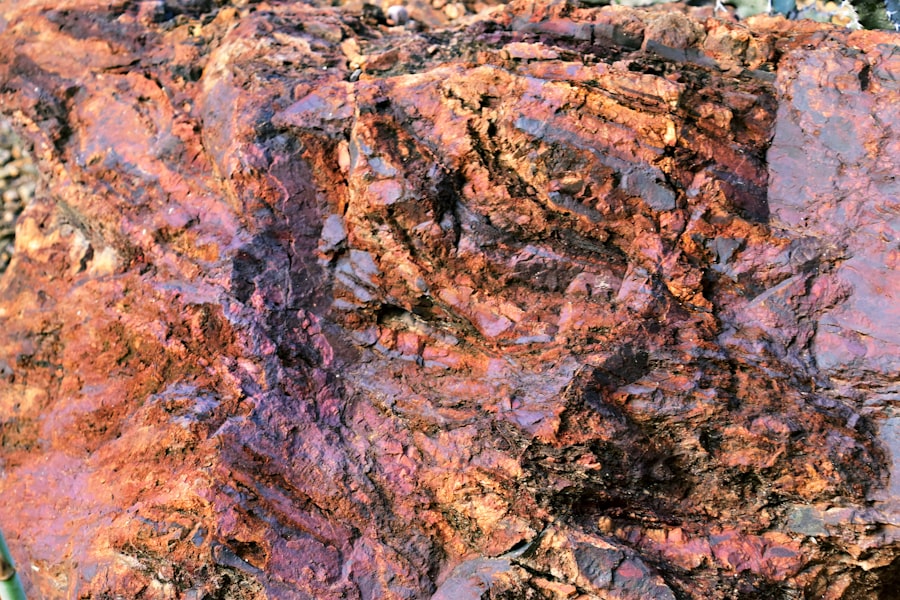
One of the most compelling benefits of using basalt cores in thermal networks is their superior thermal conductivity. This property allows for rapid heat transfer, which can lead to more efficient energy use and reduced operational costs. When you incorporate basalt cores into your thermal network design, you can expect quicker response times and improved temperature regulation.
This efficiency not only enhances system performance but also contributes to lower energy consumption, making it an environmentally friendly choice. In addition to their thermal properties, basalt cores are also highly resistant to corrosion and chemical degradation. This durability means that they can withstand harsh environmental conditions without compromising their structural integrity.
As you consider the long-term implications of your thermal network design, the longevity of basalt cores can lead to reduced maintenance costs and extended service life. Furthermore, their resistance to fire adds an extra layer of safety, making them a reliable option for various applications.
Design Considerations for Thermal Networks with Basalt Cores
When designing a thermal network that incorporates basalt cores, several key considerations come into play. First and foremost, you must assess the specific thermal requirements of your application. Understanding the heat load and distribution needs will guide you in determining the appropriate size and configuration of basalt cores within your system.
This tailored approach ensures that you maximize the benefits of basalt while meeting the unique demands of your project. Another critical aspect to consider is the integration of basalt cores with existing infrastructure. If you are retrofitting an existing thermal network, compatibility with current materials and systems is essential.
You will need to evaluate how basalt cores can be seamlessly incorporated without disrupting the overall functionality of the network. Additionally, considering factors such as insulation and flow rates will help optimize the performance of your thermal network while utilizing basalt cores effectively.
Installation and Maintenance of Basalt Cores in Thermal Networks
| Metric | Description | Typical Value | Unit | Notes |
|---|---|---|---|---|
| Thermal Conductivity | Ability of basalt core to conduct heat | 1.5 – 2.5 | W/m·K | Varies with porosity and temperature |
| Specific Heat Capacity | Heat required to raise temperature of basalt core | 0.84 | J/g·K | Measured at room temperature |
| Density | Mass per unit volume of basalt core | 2.8 – 3.0 | g/cm³ | Depends on mineral composition |
| Thermal Diffusivity | Rate of heat transfer through basalt core | 0.5 – 1.0 | mm²/s | Calculated from conductivity, density, and heat capacity |
| Network Connectivity | Degree of thermal network interconnection | 75 – 90 | % | Higher values indicate better heat distribution |
| Thermal Resistance | Resistance to heat flow in basalt core network | 0.4 – 0.7 | K·m²/W | Depends on network structure and material properties |
The installation process for basalt cores in thermal networks requires careful planning and execution. You will need to ensure that all components are properly aligned and secured to prevent any potential issues during operation. It is advisable to work with experienced professionals who understand the nuances of handling basalt materials, as their unique properties may require specialized techniques during installation.
Maintenance is another crucial aspect to consider when working with basalt cores. While these materials are known for their durability, regular inspections are still necessary to ensure optimal performance over time. You should establish a maintenance schedule that includes checking for any signs of wear or damage, as well as monitoring the overall efficiency of the thermal network.
By staying proactive in your maintenance efforts, you can extend the lifespan of your basalt cores and maintain the efficiency of your thermal system.
Comparing Basalt Cores with Other Thermal Network Materials
As you explore the landscape of materials used in thermal networks, it becomes evident that basalt cores offer distinct advantages over traditional options such as metal or plastic components. For instance, while metals like copper and aluminum are commonly used for their excellent thermal conductivity, they often come with drawbacks such as susceptibility to corrosion and higher weight. In contrast, basalt cores provide a lightweight alternative that does not compromise on performance.
Moreover, when compared to plastic materials, which may be more affordable but often lack durability under extreme conditions, basalt cores stand out for their resilience.
This comparison highlights the potential for basalt cores to revolutionize thermal network design by offering a more sustainable and efficient solution.
Case Studies of Successful Thermal Networks with Basalt Cores
Examining real-world applications can provide valuable insights into the effectiveness of basalt cores in thermal networks. One notable case study involves a district heating system in a European city that integrated basalt cores into its infrastructure. The results were impressive: not only did the system achieve significant energy savings, but it also improved temperature stability across various zones within the network.
This success story underscores the potential for basalt cores to enhance both efficiency and user comfort. Another example can be found in geothermal energy systems that utilize basalt cores for heat exchange. In this case, the unique properties of basalt allowed for efficient heat transfer from underground sources to surface applications.
The implementation of basalt cores led to increased energy output and reduced operational costs for the geothermal plant. These case studies illustrate how incorporating basalt cores into thermal networks can yield tangible benefits and set new standards for performance.
Environmental Impact of Basalt Cores in Thermal Networks
The environmental impact of materials used in thermal networks is an increasingly important consideration in today’s world. When evaluating basalt cores, you will find that they offer several eco-friendly advantages over traditional materials. For one, basalt is abundant and can be sourced sustainably, reducing the carbon footprint associated with extraction and production processes.
Additionally, the durability and longevity of basalt cores contribute to a reduction in waste over time. By choosing materials that require less frequent replacement or maintenance, you are actively participating in a more sustainable approach to energy management. Furthermore, the energy efficiency gained through improved heat transfer capabilities means lower greenhouse gas emissions associated with heating processes.
As you consider your options for thermal network materials, basalt cores present a compelling choice for environmentally conscious design.
Cost Considerations for Implementing Basalt Cores in Thermal Networks
While the benefits of basalt cores are clear, it is essential to consider the cost implications associated with their implementation in thermal networks. Initially, you may find that the upfront costs for basalt materials can be higher than traditional options. However, it is crucial to look beyond initial expenses and evaluate long-term savings associated with energy efficiency and reduced maintenance needs.
When calculating total cost of ownership, consider factors such as operational savings from improved heat transfer efficiency and lower energy consumption over time. Additionally, the durability of basalt cores means fewer replacements and repairs are needed throughout the lifespan of your thermal network. By taking a holistic view of costs, you may find that investing in basalt cores ultimately leads to significant financial benefits in the long run.
Future Trends in Thermal Networks with Basalt Cores
As technology continues to evolve, so too does the potential for basalt cores in thermal networks. You may notice an increasing trend toward integrating smart technologies with traditional heating systems, allowing for real-time monitoring and optimization of energy use. The combination of smart sensors with basalt core materials could lead to unprecedented levels of efficiency and responsiveness within thermal networks.
Moreover, ongoing research into advanced composites and hybrid materials may further enhance the properties of basalt cores. Innovations in manufacturing techniques could lead to even more efficient designs that capitalize on the unique characteristics of basalt while addressing any limitations currently faced by traditional materials. As you look ahead, it is clear that the future holds exciting possibilities for integrating basalt cores into next-generation thermal networks.
Optimizing Thermal Networks with Basalt Cores
In conclusion, optimizing thermal networks with basalt cores presents a unique opportunity to enhance efficiency, sustainability, and performance across various applications. By understanding the fundamental principles behind thermal networks and recognizing the advantages offered by basalt materials, you can make informed decisions that benefit both your projects and the environment. As you move forward in your exploration of thermal network design and implementation, consider how incorporating basalt cores can lead to innovative solutions that address contemporary challenges in energy management.
With their exceptional properties and growing recognition within the industry, basalt cores are poised to play a pivotal role in shaping the future of thermal networks for years to come.
Basalt cores have gained attention in the study of thermal networks due to their unique properties that enhance heat retention and transfer. For a deeper understanding of how these geological formations can be utilized in thermal energy applications, you can explore the article on this topic at Real Lore and Order. This resource provides valuable insights into the potential of basalt cores in improving thermal network efficiency.
FAQs
What are basalt cores in thermal networks?
Basalt cores refer to cylindrical samples or segments made from basalt rock, which are used in thermal networks to study heat transfer properties, insulation capabilities, and thermal conductivity. Basalt is a volcanic rock known for its durability and thermal resistance.
Why is basalt used in thermal networks?
Basalt is used because of its excellent thermal stability, high melting point, and good insulating properties. These characteristics make it suitable for applications requiring efficient heat management and resistance to thermal degradation.
How do basalt cores contribute to thermal network efficiency?
Basalt cores can improve thermal network efficiency by providing effective insulation, reducing heat loss, and maintaining stable temperatures within the system. Their natural properties help in managing heat flow and enhancing overall system performance.
What industries utilize basalt cores in thermal networks?
Industries such as construction, energy production, electronics cooling, and aerospace use basalt cores in thermal networks. They are employed in applications like heat exchangers, insulation panels, and thermal management systems.
How are basalt cores tested for thermal properties?
Basalt cores are tested using methods like thermal conductivity measurements, heat flow analysis, and temperature gradient assessments. These tests help determine their suitability and performance in specific thermal network applications.
Are basalt cores environmentally friendly?
Yes, basalt is a natural, abundant, and non-toxic material. Its use in thermal networks is considered environmentally friendly, especially when compared to synthetic insulation materials, as it is recyclable and has a low environmental impact during production.
Can basalt cores withstand high temperatures?
Basalt cores can withstand high temperatures, often exceeding 1000°C (1832°F), making them suitable for high-temperature thermal network applications without significant degradation or loss of properties.
What are the limitations of using basalt cores in thermal networks?
Limitations may include brittleness under mechanical stress, potential variability in natural basalt composition, and challenges in machining or shaping the cores for specific applications. Proper design considerations are necessary to mitigate these issues.
How do basalt cores compare to other materials in thermal networks?
Compared to materials like ceramics or synthetic insulators, basalt cores offer a balance of thermal resistance, mechanical strength, and cost-effectiveness. They provide good thermal insulation while being more environmentally sustainable than many synthetic alternatives.