
Recent years have witnessed substantial modifications to building codes across the construction and architecture sectors. These updated regulations have been developed primarily to address sustainability requirements and improve energy efficiency standards in response to climate change concerns. Modern building codes function as comprehensive regulatory frameworks that establish requirements for structures to meet safety, functionality, and environmental performance criteria.
These regulatory changes are fundamentally altering construction practices and building design approaches. The implementation of updated building codes represents a systematic response to current environmental challenges. Rapid urbanization and population growth have created increased demand for energy-efficient building solutions.
Current code revisions focus on three primary objectives: reducing building energy consumption, decreasing greenhouse gas emissions from the built environment, and establishing sustainable construction practices as industry standards.
Key Takeaways
- Revamped building codes emphasize enhanced energy efficiency to promote sustainability.
- Technological advancements play a crucial role in meeting updated energy standards.
- New codes significantly influence construction practices, encouraging greener building methods.
- Energy-efficient buildings offer economic, environmental, and health benefits.
- Despite challenges, successful case studies demonstrate the feasibility of implementing stricter codes.
The Importance of Energy Efficiency in Buildings
Energy efficiency in buildings is not just a trend; it is a necessity for a sustainable future. As you consider the impact of energy consumption on the environment, it becomes clear that buildings account for a significant portion of global energy use. By prioritizing energy efficiency, you can help mitigate climate change and reduce reliance on fossil fuels.
This shift not only benefits the planet but also leads to substantial cost savings for building owners and occupants alike. Moreover, energy-efficient buildings create healthier living and working environments. Improved insulation, better ventilation, and the use of sustainable materials contribute to enhanced indoor air quality and comfort.
As you explore the importance of energy efficiency, you will find that it encompasses not only environmental benefits but also social and economic advantages. By investing in energy-efficient designs, you are investing in the well-being of communities and future generations.
The Evolution of Building Codes and Standards
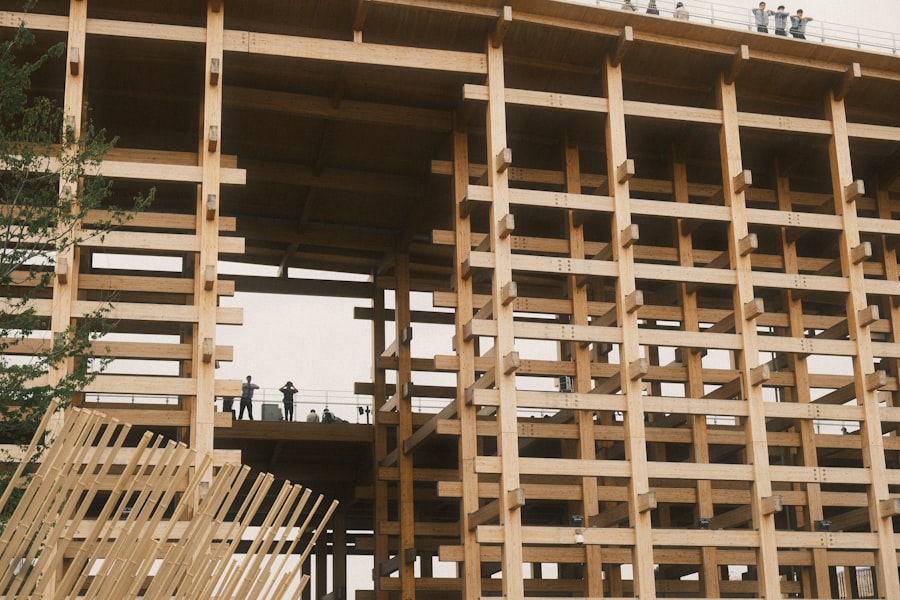
Building codes have evolved significantly over the years, reflecting changes in technology, societal needs, and environmental awareness. In the past, codes primarily focused on safety and structural integrity. However, as you delve deeper into the evolution of these standards, you will see a growing emphasis on sustainability and energy efficiency.
This shift has been driven by a combination of factors, including advancements in building materials, increased awareness of climate change, and a collective desire for healthier living spaces. The transition from traditional building codes to revamped standards has been gradual but impactful. You may notice that modern codes now incorporate guidelines for energy performance, water conservation, and sustainable materials.
This evolution signifies a broader understanding of the role that buildings play in our lives and their impact on the environment. As you engage with these new standards, you will find that they not only enhance safety but also promote responsible stewardship of our natural resources.
Key Changes in Revamped Building Codes
Revamped building codes introduce several key changes that reflect contemporary priorities in construction. One significant alteration is the incorporation of stricter energy performance requirements. As you familiarize yourself with these updates, you will see that buildings are now required to meet specific energy efficiency benchmarks, often measured through metrics such as the Energy Use Intensity (EUI).
This shift encourages architects and builders to adopt innovative design strategies that minimize energy consumption. Another notable change is the increased focus on renewable energy integration. Many revamped codes now encourage or mandate the use of solar panels, wind turbines, or other renewable energy sources in new constructions.
This not only reduces reliance on non-renewable resources but also empowers building owners to generate their own energy. As you explore these changes, you will recognize that they represent a holistic approach to building design—one that prioritizes sustainability at every stage of construction.
The Role of Technology in Achieving Energy Efficiency
| Metric | Value | Unit | Description |
|---|---|---|---|
| Energy Efficiency Improvement | 25 | % | Average increase in building energy efficiency after code rewrite |
| Maximum HVAC Energy Use | 15 | kWh/m²/year | Limit set for heating, ventilation, and air conditioning energy consumption |
| Insulation R-Value Requirement | 30 | ft²·°F·hr/BTU | Minimum thermal resistance for exterior walls |
| Lighting Power Density | 0.8 | W/ft² | Maximum allowed lighting power per square foot |
| Renewable Energy Integration | 20 | % | Minimum percentage of building energy to be supplied by renewable sources |
| Building Envelope Air Leakage | 0.25 | ACH50 | Maximum air changes per hour at 50 Pascals pressure |
| Water Heating Efficiency | 0.95 | Energy Factor | Minimum required energy factor for water heaters |
Technology plays a pivotal role in achieving energy efficiency within revamped building codes. As you delve into this realm, you will discover an array of innovative tools and systems designed to optimize energy use. Smart building technologies, such as automated lighting systems and advanced HVAC controls, allow for real-time monitoring and management of energy consumption.
By leveraging these technologies, you can create spaces that adapt to occupants’ needs while minimizing waste. Additionally, advancements in building materials have revolutionized energy efficiency efforts. High-performance insulation, energy-efficient windows, and sustainable materials are now more accessible than ever.
As you consider your options for construction or renovation projects, embracing these technological advancements can significantly enhance your building’s performance. By integrating cutting-edge solutions into your designs, you can contribute to a more sustainable built environment.
The Impact of Revamped Building Codes on Construction Practices

The implementation of revamped building codes has far-reaching implications for construction practices. As you adapt to these new standards, you may find that traditional methods are no longer sufficient to meet modern requirements. This shift necessitates a reevaluation of construction techniques and materials used in projects.
You may need to invest time in training and education to ensure that your team is well-versed in the latest practices. Moreover, the emphasis on sustainability has led to a rise in collaboration among various stakeholders in the construction process. Architects, engineers, contractors, and building owners must work together more closely than ever before to achieve compliance with revamped codes.
This collaborative approach fosters innovation and creativity as teams seek out solutions that meet both regulatory requirements and sustainability goals. As you engage with this evolving landscape, you will find that adaptability and teamwork are essential components of successful construction practices.
Advantages and Benefits of Energy-Efficient Buildings
The advantages of energy-efficient buildings extend beyond compliance with revamped codes; they encompass a wide range of benefits for occupants, owners, and the environment alike. One of the most immediate benefits is cost savings on utility bills. By reducing energy consumption through efficient design and technology, occupants can enjoy lower monthly expenses while contributing to a more sustainable future.
In addition to financial savings, energy-efficient buildings often experience increased property values. As awareness of sustainability grows among buyers and tenants, properties that meet or exceed energy efficiency standards become more desirable in the market. This trend can lead to higher occupancy rates and longer lease terms for property owners.
Challenges and Barriers in Implementing Revamped Building Codes
Despite the numerous benefits associated with revamped building codes, challenges remain in their implementation. One significant barrier is the initial cost associated with upgrading existing structures or incorporating new technologies into new builds. You may encounter resistance from stakeholders who are hesitant to invest in what they perceive as costly changes.
Overcoming this mindset requires effective communication about the long-term savings and environmental benefits that energy-efficient designs offer. Another challenge lies in ensuring compliance with updated codes across diverse regions and jurisdictions. Variations in local regulations can create confusion for builders and architects trying to navigate the complexities of revamped standards.
As you work within this framework, it is essential to stay informed about local requirements and engage with regulatory bodies to advocate for clearer guidelines. By addressing these challenges head-on, you can help pave the way for successful implementation of energy-efficient practices.
Case Studies of Successful Energy-Efficient Building Projects
Examining case studies of successful energy-efficient building projects can provide valuable insights into best practices and innovative solutions. For instance, consider a commercial office building that underwent a comprehensive retrofit to meet revamped building codes. By incorporating advanced insulation materials, high-efficiency HVAC systems, and renewable energy sources like solar panels, this project not only achieved compliance but also significantly reduced its carbon footprint.
Another compelling example is a residential community designed from the ground up with sustainability in mind. By utilizing passive design principles—such as strategic orientation for natural light and ventilation—this community minimized its reliance on artificial heating and cooling systems. As you explore these case studies, you will find inspiration for your own projects while gaining practical knowledge about overcoming common challenges associated with energy-efficient designs.
The Future of Revamped Building Codes and Energy Efficiency
Looking ahead, the future of revamped building codes appears promising as society continues to prioritize sustainability and energy efficiency. You can expect ongoing advancements in technology that will further enhance building performance while reducing environmental impact. Innovations such as smart grids, advanced materials science, and artificial intelligence will play crucial roles in shaping how we design and construct buildings.
Moreover, as public awareness around climate change grows, there will likely be increased pressure on governments and regulatory bodies to adopt even stricter building codes aimed at reducing carbon emissions. As an industry professional or stakeholder, staying ahead of these trends will be essential for ensuring compliance while also positioning yourself as a leader in sustainable practices.
Embracing a Sustainable Future through Revamped Building Codes
In conclusion, embracing revamped building codes is not just about meeting regulatory requirements; it is about committing to a sustainable future for generations to come. By prioritizing energy efficiency in your projects, you contribute to reducing environmental impact while reaping economic benefits for yourself and your community. The evolution of building codes reflects a growing recognition of our responsibility to create spaces that are safe, functional, and environmentally friendly.
As you move forward in your endeavors within the construction industry or as a stakeholder in real estate development, remember that every decision counts toward fostering a more sustainable built environment. By actively engaging with revamped building codes and advocating for energy-efficient practices, you can play an integral role in shaping a brighter future for our planet—one building at a time.
In recent discussions about sustainable construction practices, the importance of updated building codes that emphasize energy efficiency has become increasingly clear. A related article that delves into this topic can be found at Real Lore and Order, where it explores how revised regulations can significantly impact energy consumption in new developments.
FAQs
What are building codes related to energy?
Building codes related to energy are regulations that set minimum requirements for energy efficiency in the design, construction, and operation of buildings. These codes aim to reduce energy consumption, lower greenhouse gas emissions, and promote sustainable building practices.
Why are building codes being rewritten for energy?
Building codes are being rewritten to incorporate the latest technologies, materials, and best practices in energy efficiency. Updates ensure that buildings meet modern standards for reducing energy use, improving indoor comfort, and supporting environmental goals such as carbon neutrality.
Who is responsible for rewriting energy-related building codes?
Energy-related building codes are typically developed and updated by government agencies, standards organizations, and industry groups. Examples include the International Code Council (ICC), the U.S. Department of Energy, and state or local building departments.
How do updated energy building codes impact builders and developers?
Updated energy codes may require builders and developers to use more energy-efficient materials, systems, and construction methods. While this can increase upfront costs, it often results in long-term savings on energy bills and improved building performance.
What types of buildings are affected by energy building codes?
Energy building codes generally apply to residential, commercial, and industrial buildings. The specific requirements can vary depending on the building type, size, and location.
How often are energy building codes updated?
Energy building codes are typically reviewed and updated every three years to reflect advances in technology, changes in energy policy, and new research findings.
Do energy building codes address renewable energy integration?
Many modern energy building codes include provisions for integrating renewable energy systems such as solar panels, encouraging the use of clean energy sources alongside energy efficiency measures.
What benefits do rewritten energy building codes provide?
Rewritten energy building codes help reduce energy consumption, lower utility costs, improve occupant comfort, decrease environmental impact, and support national and local energy goals.
Are there incentives for complying with updated energy building codes?
Some jurisdictions offer incentives such as tax credits, rebates, or expedited permitting for buildings that meet or exceed updated energy code requirements.
How can building owners ensure compliance with new energy codes?
Building owners can work with architects, engineers, and contractors familiar with the latest codes, conduct energy modeling, and obtain necessary inspections and certifications to ensure compliance.