
Ancient texts provide invaluable insights into past civilizations, documenting their thoughts, beliefs, and daily lives. Written on materials such as papyrus, parchment, and stone, these documents range from Mesopotamian epics to Greek philosophical works, each demonstrating the intellectual achievements of their respective cultures. The significance of ancient texts extends beyond their content to their physical characteristics.
The craftsmanship, language, and historical context of these documents enhance their scholarly value. The production of these texts involved dedicated scribes who manually copied manuscripts to preserve knowledge for future generations. Each text represents both a historical record and a physical artifact, demonstrating how written communication served as an essential tool for documenting human experience throughout history.
Key Takeaways
- Unearthing cold ancient texts provides invaluable insights into past cultures and histories.
- Advanced techniques and interdisciplinary collaboration are essential for discovering and preserving these texts.
- Archaeologists and historians play a crucial role in interpreting and safeguarding ancient manuscripts.
- Preservation efforts face significant challenges, including environmental damage and ethical concerns.
- The discovery of ancient texts continues to influence modern society and shapes future research directions.
The Importance of Unearthing Cold Ancient Texts
Unearthing cold ancient texts is crucial for understanding our shared human history. These texts often contain invaluable information about past societies, including their social structures, religious beliefs, and cultural practices. By studying these documents, you gain insights into how civilizations evolved over time and how they interacted with one another.
The knowledge gleaned from these texts can reshape your understanding of historical events and cultural developments, providing a more nuanced view of humanity’s journey. Moreover, the act of unearthing these texts can spark a sense of wonder and curiosity about the past. As you uncover forgotten stories and lost knowledge, you contribute to a larger narrative that connects people across time and space.
The excitement of discovery can inspire future generations to explore history and engage with their cultural heritage. In this way, the importance of unearthing cold ancient texts extends beyond academia; it fosters a sense of identity and belonging among individuals and communities.
Techniques and Tools for Uncovering Ancient Texts
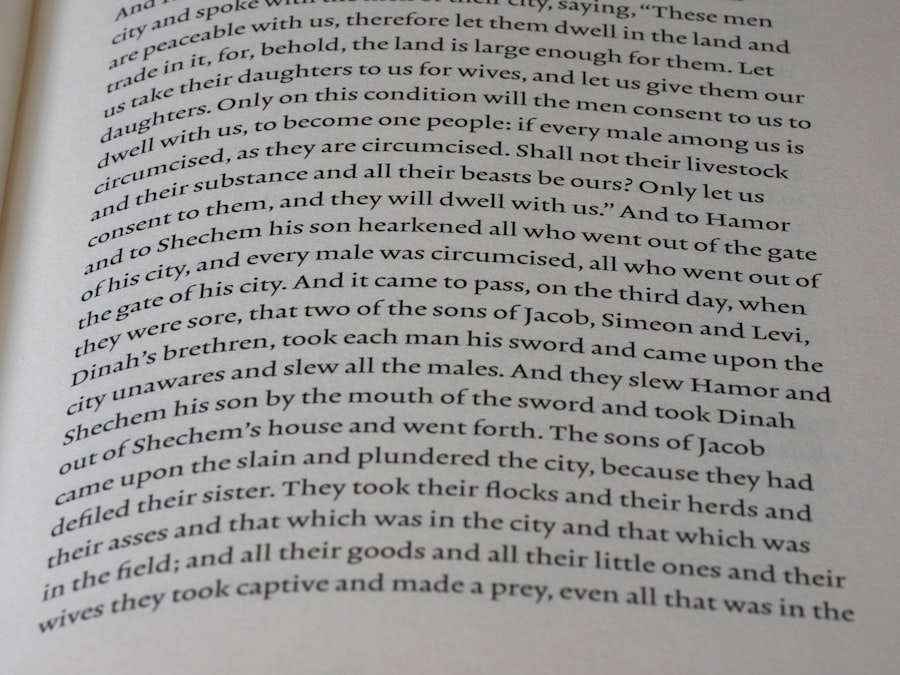
The process of uncovering ancient texts is both an art and a science, requiring a combination of traditional techniques and modern technology. As you explore this field, you may encounter methods such as excavation, where archaeologists carefully dig through layers of soil to reveal buried artifacts. This meticulous process often involves sifting through dirt and debris to locate fragments of texts that may have been lost to time.
You might also learn about the use of ground-penetrating radar, which allows researchers to visualize subsurface structures without disturbing the ground. In addition to excavation techniques, advancements in imaging technology have revolutionized the study of ancient texts. You may find yourself fascinated by methods like multispectral imaging, which captures images at different wavelengths to reveal hidden writing on damaged manuscripts.
This technology enables scholars to read texts that were previously illegible due to wear or degradation. As you immerse yourself in these techniques, you come to appreciate the innovative approaches that make it possible to recover and analyze ancient writings.
The Role of Archaeologists and Historians in Unearthing Cold Ancient Texts
Archaeologists and historians play pivotal roles in the quest to unearth cold ancient texts. As you consider their contributions, you realize that archaeologists are often on the front lines of discovery. They meticulously plan excavations, employing their expertise in stratigraphy to understand the context in which artifacts are found.
Their work not only involves digging but also interpreting the significance of each find within the broader historical narrative. You may find it inspiring how their passion for uncovering the past drives them to explore remote locations and tackle challenging environments. Historians complement the work of archaeologists by providing context and analysis for the texts that are unearthed.
They draw upon a wide range of sources—literary, archaeological, and anthropological—to construct a comprehensive understanding of historical events and cultural practices. As you engage with their research, you come to appreciate how historians weave together disparate threads of information to create a cohesive narrative that brings ancient texts to life. Together, archaeologists and historians form a dynamic partnership that enriches our understanding of human history.
Preservation and Restoration of Cold Ancient Texts
| Metric | Description | Value | Unit |
|---|---|---|---|
| Age | Estimated age of the cold ancient texts | 3,200 | Years |
| Material Composition | Primary material of the veins in the texts | Calcite and Quartz | N/A |
| Vein Density | Number of veins per square centimeter | 15 | Veins/cm² |
| Temperature Preservation | Average temperature at which texts were preserved | -5 | °C |
| Text Length | Average length of the texts in lines | 450 | Lines |
| Language | Primary language of the texts | Ancient Sumerian | N/A |
| Preservation State | Condition rating of the texts on a scale of 1-10 | 7 | Scale |
Once cold ancient texts are unearthed, the work is far from over; preservation and restoration become paramount concerns. You may be surprised to learn that many ancient texts are fragile and susceptible to damage from environmental factors such as humidity, light exposure, and temperature fluctuations. Preservationists employ various techniques to protect these invaluable artifacts from deterioration.
This might include creating controlled environments where temperature and humidity levels are carefully monitored or using specialized materials for storage that minimize physical stress on the texts. Restoration is another critical aspect of preserving ancient writings. Skilled conservators work diligently to repair damaged manuscripts while maintaining their integrity.
You might find it fascinating how they use techniques such as paper mending or digital reconstruction to restore legibility without compromising the original material. The delicate balance between restoration and preservation highlights the importance of expertise in ensuring that future generations can access and appreciate these historical treasures.
Understanding the Cultural and Historical Significance of Unearthed Texts

As you explore unearthed cold ancient texts, you begin to grasp their profound cultural and historical significance. Each text serves as a reflection of the society from which it originated, offering insights into its values, beliefs, and practices. For instance, religious texts can reveal how ancient peoples understood their place in the universe and their relationship with the divine.
Similarly, legal documents can shed light on social hierarchies and governance structures within a civilization. Moreover, unearthed texts often challenge prevailing narratives about history. As you engage with these documents, you may discover perspectives that have been overlooked or marginalized in traditional historical accounts.
This realization can lead you to question established interpretations and encourage a more inclusive understanding of human history. By recognizing the diverse voices represented in ancient texts, you contribute to a richer tapestry of cultural heritage that honors the complexity of human experience.
Challenges and Obstacles in Unearthing Cold Ancient Texts
The journey to unearth cold ancient texts is fraught with challenges and obstacles that can hinder progress. One significant challenge is the physical condition of the sites where these texts are located. Many archaeological sites are threatened by natural disasters, urban development, or climate change, which can lead to irreversible damage or loss of valuable artifacts.
As you consider these threats, you may feel a sense of urgency about the need for preservation efforts that safeguard these sites for future exploration. Additionally, funding constraints often pose significant hurdles for researchers seeking to unearth ancient texts. Archaeological projects require substantial financial resources for excavation, analysis, and preservation efforts.
You might find it disheartening that many promising projects struggle to secure funding due to competing priorities or limited grant opportunities. This reality underscores the importance of advocacy for continued investment in archaeological research and cultural heritage preservation.
The Impact of Unearthed Cold Ancient Texts on Modern Society
The impact of unearthed cold ancient texts extends far beyond academic circles; it resonates deeply within modern society.
For instance, many modern writers draw inspiration from ancient myths and legends, weaving them into new narratives that resonate with current audiences.
This intertextual dialogue enriches our cultural landscape and fosters a sense of continuity with our past. Furthermore, unearthed texts often serve as catalysts for social change by challenging prevailing ideologies or inspiring movements for justice and equality. You might be struck by how ancient philosophies or ethical teachings can resonate with contemporary issues, prompting individuals to reflect on their values and beliefs.
In this way, cold ancient texts become not just relics of history but living documents that continue to shape our understanding of ourselves and our world.
Examples of Notable Discoveries of Cold Ancient Texts
Throughout history, there have been remarkable discoveries of cold ancient texts that have transformed our understanding of various cultures. One such example is the Dead Sea Scrolls, unearthed in the mid-20th century near the Dead Sea in Israel. These ancient manuscripts date back over two thousand years and include biblical texts as well as writings from a Jewish sect known as the Essenes.
The scrolls have provided invaluable insights into early Judaism and the historical context of Christianity.
Found in 1799 during Napoleon’s campaign in Egypt, this artifact features inscriptions in three scripts: Greek, Demotic, and hieroglyphic.
Your appreciation for this discovery deepens when you realize how it unlocked the secrets of an entire civilization’s written language, allowing scholars to access thousands of years’ worth of Egyptian history.
The Future of Unearthing Cold Ancient Texts
As you look toward the future of unearthing cold ancient texts, you may feel a sense of optimism fueled by technological advancements and interdisciplinary collaboration. Innovations such as artificial intelligence and machine learning are beginning to play a role in analyzing vast amounts of data from archaeological sites. These tools can help researchers identify patterns or connections that may have previously gone unnoticed, opening new avenues for exploration.
Moreover, increased global awareness about cultural heritage preservation is fostering greater collaboration among nations and institutions dedicated to safeguarding ancient texts. You might be encouraged by initiatives aimed at sharing knowledge and resources across borders, allowing for more comprehensive research efforts that transcend geographical limitations. As you envision this future landscape, it becomes clear that the quest to unearth cold ancient texts will continue to evolve alongside advancements in technology and collective human effort.
Ethical Considerations in the Unearthing and Preservation of Ancient Texts
As you engage with the topic of unearthing cold ancient texts, ethical considerations come into sharp focus. The act of excavating historical artifacts raises questions about ownership, cultural heritage rights, and respect for indigenous communities whose ancestors created these texts. You may find yourself grappling with dilemmas surrounding repatriation—whether artifacts should be returned to their countries of origin or remain in museums where they can be studied by scholars.
Additionally, ethical considerations extend to preservation practices as well. Balancing the need for access with the imperative to protect fragile artifacts poses challenges for conservators and researchers alike. You might reflect on how decisions made today will impact future generations’ ability to engage with these texts while ensuring their preservation for years to come.
Ultimately, navigating these ethical complexities requires sensitivity, respect for diverse perspectives, and a commitment to fostering dialogue around cultural heritage issues. In conclusion, your exploration into the fascinating world of cold ancient texts reveals not only their historical significance but also their enduring impact on modern society. Through careful excavation techniques, collaboration among archaeologists and historians, preservation efforts, and ethical considerations, you contribute to a deeper understanding of our shared human experience while honoring the voices from our past.
In exploring the veins of cold ancient texts, one can gain a deeper understanding of the historical context and significance of these writings. A related article that delves into the intricacies of ancient manuscripts and their preservation can be found at Real Lore and Order. This resource offers valuable insights into the methods used to study and conserve these texts, shedding light on their enduring legacy.
FAQs
What are the “veins” referred to in the context of cold ancient texts?
The term “veins” in this context metaphorically refers to the underlying structures, themes, or pathways of knowledge and information embedded within ancient texts. These “veins” can be seen as the channels through which historical, cultural, or philosophical insights flow.
What does “cold” signify when describing ancient texts?
“Cold” often describes ancient texts that have been preserved in a state that is physically or metaphorically detached from contemporary interpretation. It can imply texts that are difficult to access, understand, or that have lost their immediate cultural warmth and relevance over time.
Why are ancient texts important for modern studies?
Ancient texts provide valuable insights into the history, culture, language, philosophy, and knowledge of past civilizations. They help scholars understand the development of human thought, societal structures, and historical events, contributing to various fields such as archaeology, literature, and anthropology.
How are ancient texts preserved and studied today?
Ancient texts are preserved through physical conservation methods, digitization, and translation. Scholars study them using linguistic analysis, historical context, and modern technology such as imaging techniques to uncover hidden or faded writings.
What challenges do researchers face when working with ancient texts?
Researchers often encounter difficulties such as language barriers, physical deterioration of manuscripts, incomplete texts, and the need to interpret symbolic or archaic content accurately. Additionally, cultural biases and limited historical context can complicate understanding.
Can ancient texts be considered reliable sources of historical information?
While ancient texts are invaluable historical sources, their reliability varies depending on the context, authorship, and purpose of the text. Scholars critically analyze these documents, cross-referencing with archaeological evidence and other sources to build accurate historical narratives.
What role do translations play in accessing ancient texts?
Translations make ancient texts accessible to a broader audience by converting them from original languages into modern ones. However, translation can introduce interpretive variations, so multiple translations and expert reviews are often necessary for accurate understanding.
Are there any famous examples of cold ancient texts?
Yes, examples include the Dead Sea Scrolls, the Epic of Gilgamesh, and various Egyptian hieroglyphic inscriptions. These texts have been preserved over millennia and provide critical insights into ancient civilizations despite their “cold” or distant nature from modern times.