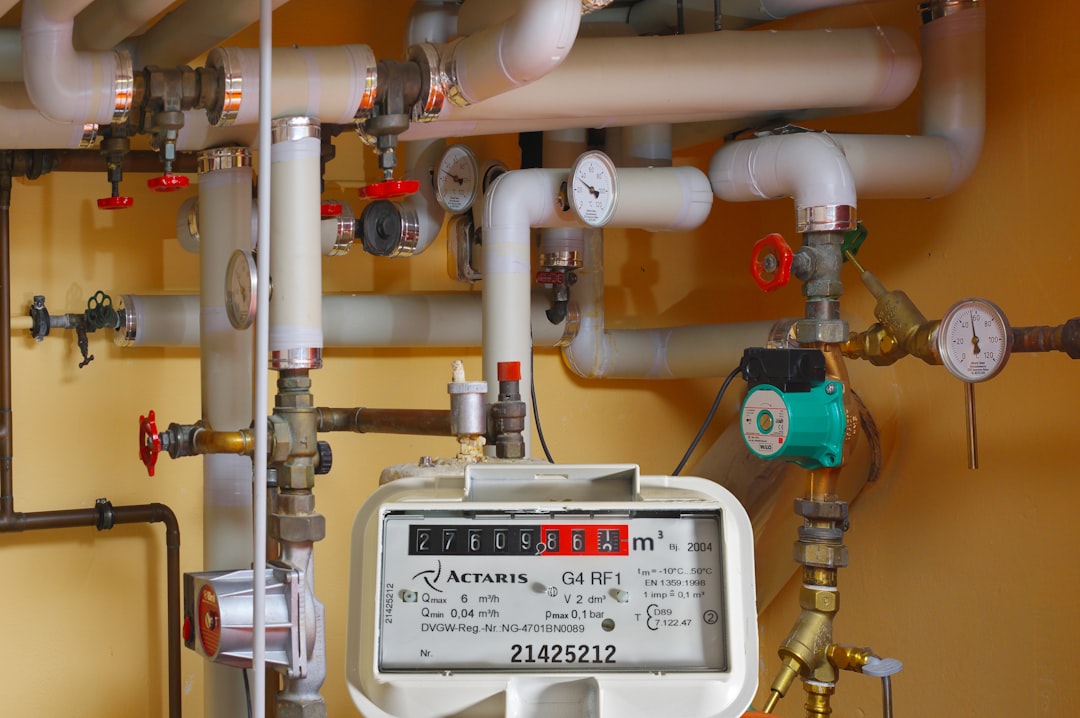
Non-combustion heating technology represents an alternative to traditional fossil fuel-based heating systems. These systems generate heat through various mechanisms that do not require burning fuels, addressing environmental and efficiency limitations of conventional heating methods. Non-combustion heating systems are being implemented across residential, commercial, and industrial applications.
The adoption of non-combustion heating technology stems from increasing environmental concerns and the need for sustainable energy solutions. Climate change mitigation efforts and air quality improvement initiatives have driven interest in heating systems that reduce emissions and improve energy efficiency. Non-combustion heating systems offer measurable environmental benefits compared to traditional combustion-based heating methods, making them relevant options for those seeking to reduce their environmental impact through energy choices.
Key Takeaways
- Non-combustion heating systems provide heat without burning fuels, enhancing safety and reducing emissions.
- These systems offer higher energy efficiency and lower environmental impact compared to traditional combustion heating.
- Common types include electric resistance heaters, heat pumps, and infrared heaters.
- Installation and maintenance are generally simpler and less costly than combustion-based systems.
- Future advancements aim to improve efficiency, integration with renewable energy, and broader application possibilities.
Advantages of Non-Combustion Heating Systems
One of the most compelling advantages of non-combustion heating systems is their ability to significantly reduce greenhouse gas emissions. Unlike traditional heating methods that rely on burning fossil fuels, non-combustion systems harness electricity or other renewable energy sources to generate heat. This means that when you choose a non-combustion system, you are actively participating in the reduction of your carbon footprint.
The positive impact on air quality is another crucial benefit; by eliminating combustion, these systems help reduce pollutants that can harm both human health and the environment. In addition to environmental benefits, non-combustion heating systems often provide enhanced safety features. Since there is no combustion involved, you can rest assured that there is a lower risk of fire hazards or carbon monoxide poisoning.
This aspect is particularly appealing for families with children or elderly members who may be more vulnerable to such dangers. Furthermore, many non-combustion systems operate quietly and require less maintenance than their combustion counterparts, allowing you to enjoy a more comfortable and hassle-free heating experience.
How Non-Combustion Heating Technology Works

Understanding how non-combustion heating technology works can deepen your appreciation for its advantages. At its core, this technology relies on converting electrical energy into heat through various methods. One common approach is electric resistance heating, where an electric current passes through a conductor, generating heat that warms the surrounding air or surfaces.
This method is straightforward and effective, making it a popular choice for residential heating applications. Another innovative method involves heat pumps, which transfer heat from one location to another rather than generating it directly. For instance, air-source heat pumps extract heat from the outside air and transfer it indoors, even in colder temperatures.
Ground-source heat pumps, or geothermal systems, tap into the earth’s stable underground temperature to provide efficient heating and cooling.
Types of Non-Combustion Heating Systems
As you delve deeper into non-combustion heating technology, you’ll encounter several types of systems designed to meet various needs and preferences. Electric resistance heaters are among the simplest options available. These units can be installed in individual rooms or as part of a central heating system, providing flexibility in how you choose to heat your space.
Heat pumps represent another significant category within non-combustion heating systems. As mentioned earlier, air-source and ground-source heat pumps are popular choices due to their efficiency and versatility. Additionally, radiant floor heating systems utilize electric cables or water-heated tubing installed beneath the floor surface to provide even warmth throughout a room.
This method not only enhances comfort but also allows for lower operating temperatures compared to traditional radiators.
Environmental Benefits of Non-Combustion Heating
| Technology | Energy Source | Efficiency (%) | Typical Applications | Environmental Impact | Installation Complexity |
|---|---|---|---|---|---|
| Electric Resistance Heating | Electricity | 95-100 | Space heating, water heating | Low emissions at point of use; depends on electricity source | Low |
| Heat Pumps (Air Source) | Electricity | 200-400 (COP 2-4) | Space heating, cooling, water heating | Low emissions; highly efficient | Medium |
| Heat Pumps (Ground Source) | Electricity | 300-500 (COP 3-5) | Space heating, cooling, water heating | Low emissions; very efficient | High |
| Induction Heating | Electricity | 85-90 | Industrial heating, cooking | Low emissions; localized heating | Medium |
| Infrared Heating | Electricity | 80-90 | Space heating, outdoor heating | Low emissions; direct radiant heat | Low |
| Microwave Heating | Electricity | 70-80 | Industrial drying, food processing | Low emissions; efficient volumetric heating | High |
The environmental benefits of non-combustion heating technology cannot be overstated. By eliminating the need for fossil fuels, these systems contribute to a significant reduction in greenhouse gas emissions. As you consider your own energy consumption habits, you may find that transitioning to a non-combustion system aligns with your values regarding sustainability and environmental stewardship.
Moreover, non-combustion heating systems often utilize renewable energy sources such as solar or wind power. When you opt for these systems, you are not only reducing your reliance on fossil fuels but also supporting the growth of clean energy industries. This shift can lead to a more resilient energy grid and a decrease in overall energy costs as renewable technologies continue to advance and become more accessible.
Energy Efficiency of Non-Combustion Heating Systems
Energy efficiency is another critical aspect where non-combustion heating systems excel. Many of these systems are designed to maximize heat output while minimizing energy input. For instance, heat pumps can achieve efficiencies of 300% or more, meaning they can produce three units of heat for every unit of electricity consumed.
This remarkable efficiency translates into lower energy bills for you and reduced strain on the electrical grid. In contrast, traditional combustion heating systems often operate at lower efficiencies due to heat loss during combustion and exhaust processes. By choosing a non-combustion system, you are making a conscious decision to invest in technology that not only saves you money but also conserves valuable resources.
As energy prices continue to fluctuate, the long-term savings associated with energy-efficient heating solutions become increasingly appealing.
Cost Considerations for Non-Combustion Heating Technology
While the initial investment in non-combustion heating technology may seem daunting, it is essential to consider the long-term financial benefits. Although upfront costs can vary depending on the type of system you choose and the complexity of installation, many non-combustion systems offer significant savings over time through reduced energy bills and lower maintenance costs. Additionally, various incentives and rebates may be available at local, state, or federal levels for those who invest in energy-efficient technologies.
By taking advantage of these programs, you can offset some of the initial costs associated with purchasing and installing a non-combustion heating system. As you weigh your options, it’s crucial to conduct thorough research and consult with professionals who can help guide you toward the most cost-effective solution for your specific needs.
Installation and Maintenance of Non-Combustion Heating Systems
When it comes to installation and maintenance, non-combustion heating systems often present advantages over traditional combustion systems. Many electric resistance heaters are relatively easy to install and can be set up without extensive modifications to your existing infrastructure. Heat pumps may require more complex installation due to their components and connections but can still be managed efficiently by qualified professionals.
Maintenance for non-combustion systems tends to be less demanding than that required for combustion systems. Since there are no combustion processes involved, you won’t need to worry about issues like flue cleaning or fuel storage. Regular maintenance typically involves checking electrical connections and ensuring that filters are clean and functioning properly.
This ease of maintenance allows you to enjoy peace of mind knowing that your heating system will operate efficiently without constant oversight.
Comparison with Traditional Combustion Heating Systems
As you compare non-combustion heating technology with traditional combustion systems, several key differences emerge that may influence your decision-making process. One significant distinction lies in emissions; combustion systems release pollutants into the atmosphere while non-combustion systems operate cleanly without harmful byproducts. This difference not only impacts air quality but also contributes to broader environmental concerns related to climate change.
Another area where non-combustion systems shine is in operational efficiency. Traditional combustion systems often experience heat loss during fuel combustion and exhaust processes, leading to lower overall efficiency ratings compared to their non-combustion counterparts. By choosing a non-combustion system, you are likely investing in a more reliable and efficient solution that can provide consistent comfort while minimizing your environmental impact.
Applications of Non-Combustion Heating Technology
The versatility of non-combustion heating technology allows it to be applied across various settings and industries. In residential applications, electric resistance heaters and heat pumps are popular choices for homeowners seeking efficient and reliable heating solutions. You may find these systems particularly appealing if you’re looking for options that require minimal maintenance while providing consistent warmth throughout your living space.
In commercial settings, non-combustion heating technology is gaining traction as businesses seek ways to reduce operational costs and enhance sustainability efforts. From office buildings to retail spaces, these systems can be tailored to meet diverse heating needs while promoting energy efficiency. Additionally, industrial applications benefit from non-combustion technologies as they seek innovative ways to reduce emissions and comply with increasingly stringent regulations.
Future Developments in Non-Combustion Heating Technology
As you look ahead at the future of non-combustion heating technology, it’s clear that innovation will continue to drive advancements in this field. Researchers and engineers are actively exploring new materials and methods that could further enhance the efficiency and effectiveness of these systems. For instance, developments in smart home technology may lead to more integrated solutions that optimize energy use based on real-time data.
Moreover, as renewable energy sources become more prevalent and accessible, the potential for integrating these technologies with non-combustion heating systems will expand significantly. Imagine a future where your home’s heating system seamlessly connects with solar panels or wind turbines, allowing you to harness clean energy directly for your heating needs. This vision not only represents a step toward greater sustainability but also highlights the exciting possibilities that lie ahead in the realm of non-combustion heating technology.
In conclusion, as you explore the world of non-combustion heating technology, you’ll find a wealth of benefits that align with both your practical needs and environmental values. From enhanced safety features to impressive energy efficiency ratings, these systems offer compelling alternatives to traditional combustion methods.
Non-combustion heating technology is gaining traction as a sustainable alternative to traditional heating methods, and one insightful article that delves into this topic is available at this link. The article explores various non-combustion heating solutions, their environmental benefits, and how they can contribute to reducing carbon footprints in residential and commercial settings. As the demand for cleaner energy sources continues to rise, understanding these technologies becomes increasingly important for both consumers and industry professionals.
FAQs
What is non-combustion heating technology?
Non-combustion heating technology refers to methods of generating heat without burning fuels such as gas, coal, or wood. Instead, these technologies use electrical energy, induction, microwaves, or other means to produce heat directly.
How does non-combustion heating differ from traditional heating methods?
Traditional heating methods typically involve combustion, where fuel is burned to produce heat. Non-combustion heating avoids burning fuel, reducing emissions and often increasing energy efficiency by converting electricity or other energy forms directly into heat.
What are common types of non-combustion heating technologies?
Common types include electric resistance heating, induction heating, microwave heating, infrared heating, and heat pumps. Each uses different principles to generate heat without combustion.
What are the environmental benefits of non-combustion heating?
Non-combustion heating technologies generally produce fewer greenhouse gas emissions and pollutants since they do not rely on burning fossil fuels. This can contribute to improved air quality and reduced carbon footprint.
Where is non-combustion heating technology commonly used?
It is used in residential and commercial heating systems, industrial processes, cooking appliances, and specialized applications like medical sterilization and electronics manufacturing.
Is non-combustion heating technology energy efficient?
Many non-combustion heating methods, such as heat pumps and induction heating, are highly energy efficient because they convert energy directly into heat with minimal losses compared to combustion-based systems.
Are non-combustion heating systems safe?
Yes, non-combustion heating systems are generally safer as they eliminate risks associated with open flames, gas leaks, and combustion byproducts like carbon monoxide.
Can non-combustion heating technology be integrated with renewable energy?
Absolutely. Non-combustion heating systems can be powered by renewable electricity sources such as solar or wind, further reducing environmental impact.
What are the limitations of non-combustion heating technology?
Limitations may include higher upfront costs, dependence on electricity availability, and in some cases, slower heating times compared to combustion systems.
How is non-combustion heating technology evolving?
Advancements focus on improving efficiency, reducing costs, integrating smart controls, and expanding applications to support sustainable energy goals worldwide.