Alternative Heating Systems and Insurance Implications
When selecting alternative heating systems for residential use, homeowners should be aware of potential insurance implications. Insurance providers typically assess alternative heating methods as higher risk compared to conventional gas or electric systems, which may result in premium increases or coverage limitations. This risk assessment is based on statistical data regarding fire hazards and other safety concerns associated with non-traditional heating methods.
Different alternative heating systems carry varying levels of insurance impact. Wood-burning stoves, pellet heaters, and other combustion-based systems often face more stringent insurance requirements due to documented fire risks and carbon monoxide concerns. Insurance companies may require professional installation certification, regular maintenance records, and specific safety features before providing coverage for homes with these systems.
Homeowners considering alternative heating should contact their insurance provider during the planning phase to understand specific policy requirements, potential premium adjustments, and any necessary documentation. This proactive approach allows for informed decision-making regarding both heating efficiency and long-term insurance costs.
Key Takeaways
- Alternative heating systems can pose risks that may lead to insurance penalties if not properly managed.
- Common penalties include increased premiums, coverage exclusions, or policy cancellations.
- Proper installation, maintenance, and compliance with legal standards help avoid insurance issues.
- Consulting with insurance professionals ensures adequate coverage tailored to alternative heating systems.
- Understanding and addressing insurance implications is crucial for safely using alternative heating in homes.
Types of Alternative Heating Systems
There are various types of alternative heating systems available, each with its unique benefits and drawbacks. One popular option is the wood-burning stove, which offers a cozy ambiance and can be an efficient source of heat. However, it requires a steady supply of wood and proper ventilation to ensure safety and efficiency.
Another option is the pellet stove, which uses compressed wood pellets as fuel and is often considered more environmentally friendly. These systems can provide consistent heat but may require electricity to operate, which could be a concern during power outages. You might also explore geothermal heating systems, which utilize the earth’s natural heat to warm your home.
This method is highly efficient and environmentally friendly but can involve a significant upfront investment for installation. Solar heating is another alternative that harnesses the sun’s energy to provide warmth. While it can drastically reduce energy bills, the initial costs and reliance on sunlight can be limiting factors.
Understanding these various systems will help you assess which option aligns best with your lifestyle and heating needs.
Potential Risks Associated with Alternative Heating

While alternative heating systems offer numerous benefits, they also come with potential risks that you should be aware of. One significant concern is the risk of fire, particularly with wood-burning stoves and fireplaces. Improper installation or maintenance can lead to chimney fires or other hazardous situations.
Additionally, carbon monoxide poisoning is a serious risk associated with any combustion-based heating system. Ensuring proper ventilation and regular maintenance is crucial to mitigate these dangers. Another risk involves the reliability of alternative heating systems during extreme weather conditions.
For instance, if you rely solely on a solar heating system, a prolonged period of cloudy weather could leave you without adequate heat. Similarly, geothermal systems may struggle in extremely cold temperatures if not properly designed. Understanding these risks will empower you to make informed decisions about your heating options and how they fit into your overall home safety plan.
Common Insurance Penalties for Alternative Heating
Insurance penalties for alternative heating systems can manifest in various ways, often leading to increased costs or reduced coverage options. One common penalty is higher premiums due to the perceived risk associated with certain heating methods. For example, if you install a wood-burning stove without notifying your insurer, you may face a significant increase in your premium when they discover the change.
In some cases, insurers may even refuse to cover damages resulting from incidents related to alternative heating systems. Another potential penalty is the exclusion of certain types of coverage in your policy. For instance, if you have a pellet stove and fail to inform your insurer, they might exclude fire damage caused by that specific system from your coverage.
This could leave you vulnerable in the event of an accident or malfunction. Being aware of these common penalties will help you navigate the complexities of insuring your alternative heating system effectively.
Impact of Alternative Heating on Home Insurance
| Alternative Heating Type | Insurance Penalty Risk | Common Penalty Reasons | Average Penalty Impact on Premium | Mitigation Measures |
|---|---|---|---|---|
| Wood Stove | Medium | Fire hazard, improper installation | 10-15% | Certified installation, regular chimney cleaning |
| Pellet Stove | Low to Medium | Fuel storage risks, ventilation issues | 5-10% | Proper ventilation, safe fuel storage |
| Propane Heater | High | Gas leaks, explosion risk | 15-25% | Regular inspections, leak detectors |
| Electric Baseboard | Low | Overloading circuits | 0-5% | Proper electrical wiring, circuit breakers |
| Solar Heating System | Low | Installation errors, maintenance neglect | 0-5% | Professional installation, routine maintenance |
The impact of alternative heating on your home insurance policy can be significant and multifaceted. Insurers often assess the risk associated with different heating systems when determining your premium rates and coverage options. If you opt for a high-risk system like a wood stove, you may find that your premiums increase substantially compared to traditional heating methods.
This increase reflects the insurer’s need to account for potential claims related to fire hazards or other risks. Moreover, alternative heating systems can influence the overall insurability of your home. If your home features multiple high-risk systems or lacks proper safety measures, insurers may classify it as uninsurable or offer limited coverage options.
This classification can complicate your ability to secure a mortgage or sell your home in the future. Understanding how alternative heating affects your home insurance will enable you to make informed choices that align with both your comfort and financial security.
How to Avoid Insurance Penalties for Alternative Heating
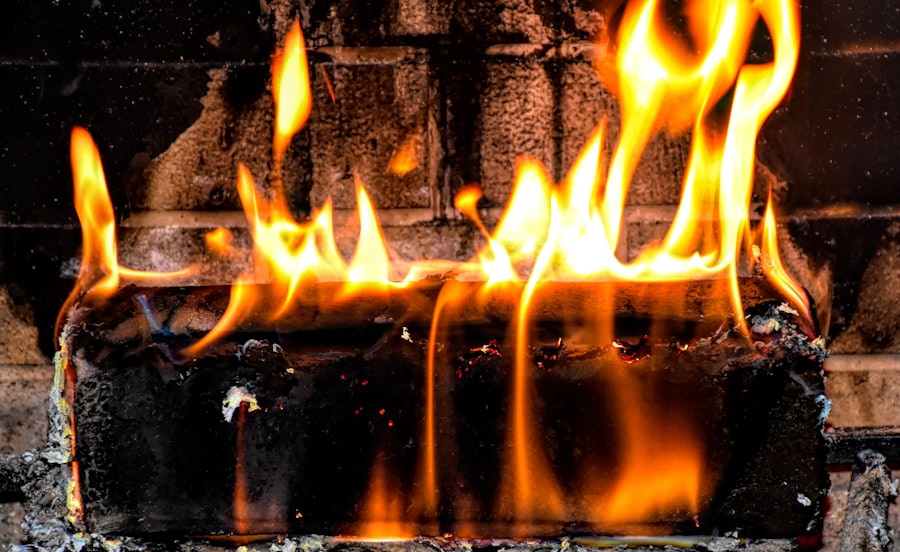
To avoid insurance penalties associated with alternative heating systems, proactive communication with your insurer is key. Always inform your insurance company about any changes you make to your heating system, whether it’s installing a new wood stove or switching to solar energy. By keeping them in the loop, you can ensure that your policy accurately reflects your home’s features and reduces the risk of unexpected penalties.
Additionally, investing in safety measures can help mitigate risks and potentially lower your premiums. For instance, installing smoke detectors and carbon monoxide alarms throughout your home demonstrates a commitment to safety that insurers appreciate. Regular maintenance of your heating system is also crucial; having a professional inspect and service your equipment can prevent accidents and show insurers that you take safety seriously.
Insurance Coverage for Alternative Heating Systems
When it comes to insuring alternative heating systems, it’s essential to understand what coverage options are available to you. Many standard homeowners’ insurance policies may not automatically cover damages related to alternative heating methods, so it’s vital to review your policy carefully. You might need to add specific endorsements or riders that address the unique risks associated with your chosen system.
For example, if you have a wood-burning stove, you may want to consider adding coverage for fire damage specifically related to that appliance. Similarly, if you install a geothermal system, ensure that any potential damages caused by its operation are included in your policy. By taking these steps, you can ensure that you have comprehensive coverage that protects both your home and your investment in alternative heating.
Tips for Properly Insuring Alternative Heating Systems
Properly insuring alternative heating systems requires diligence and attention to detail. Start by thoroughly researching different insurance providers and their policies regarding alternative heating methods. Some insurers may specialize in covering homes with unique heating systems and could offer more favorable terms than others.
Comparing quotes and coverage options will help you find the best fit for your needs. Additionally, consider documenting all aspects of your alternative heating system installation and maintenance. Keep records of permits, inspections, and any upgrades made over time.
This documentation can serve as valuable evidence should any disputes arise with your insurer regarding coverage or claims related to your heating system.
Legal Considerations for Alternative Heating
Legal considerations surrounding alternative heating systems can vary significantly by location and jurisdiction. Many areas have specific building codes and regulations governing the installation and operation of these systems. Familiarizing yourself with local laws is crucial to ensure compliance and avoid potential legal issues down the line.
Moreover, some municipalities may require permits for certain types of alternative heating installations, such as wood stoves or solar panels. Failing to obtain the necessary permits could result in fines or complications when filing insurance claims related to damages caused by unpermitted installations. By understanding these legal considerations, you can navigate the complexities of alternative heating while ensuring compliance with local regulations.
Consulting with an Insurance Professional
Consulting with an insurance professional is one of the best ways to navigate the complexities of insuring alternative heating systems effectively. An experienced agent can provide valuable insights into how different systems are viewed by insurers and help you identify potential risks associated with each option. They can also guide you through the process of updating your policy to reflect any changes in your heating system.
Additionally, an insurance professional can assist you in finding coverage options tailored specifically for alternative heating methods. They may have access to specialized insurers who understand the unique risks involved and can offer more comprehensive policies at competitive rates. By leveraging their expertise, you can make informed decisions that protect both your home and financial well-being.
Navigating Insurance Penalties for Alternative Heating
Navigating insurance penalties for alternative heating requires careful consideration and proactive measures on your part.
Communicating openly with your insurer about any changes made to your heating system is crucial in avoiding unexpected penalties.
Moreover, investing in safety measures and maintaining thorough documentation will further protect you from potential issues down the line. Consulting with an insurance professional can provide additional guidance tailored specifically to your situation, ensuring that you have adequate coverage for your unique needs.
When considering the implications of insurance penalties related to alternative heating systems, it’s essential to stay informed about the latest regulations and best practices. For a deeper understanding of how these factors can impact homeowners, you can read more in this related article on insurance and heating systems. Check it out here: Insurance and Alternative Heating Systems.
FAQs
What types of alternative heating systems might affect insurance penalties?
Alternative heating systems such as wood stoves, pellet stoves, propane heaters, and solar heating units can impact insurance policies and potential penalties if not properly installed or maintained.
Why could using alternative heating lead to insurance penalties?
Insurance penalties may arise if alternative heating systems increase the risk of fire or property damage, especially if they do not meet local building codes, lack proper permits, or are installed incorrectly.
How can I avoid insurance penalties when using alternative heating?
To avoid penalties, ensure that your alternative heating system is installed by a licensed professional, complies with local regulations, is regularly maintained, and that your insurance provider is informed about the system.
Do all insurance companies penalize homeowners for alternative heating systems?
Not all insurance companies impose penalties, but many require disclosure of alternative heating systems and may adjust premiums or impose conditions based on the associated risks.
Can alternative heating systems increase my insurance premiums?
Yes, some insurance companies may increase premiums if alternative heating systems are considered higher risk, especially if safety measures are not in place.
Is it necessary to inform my insurance company about installing an alternative heating system?
Yes, it is important to notify your insurance provider about any alternative heating installations to ensure coverage remains valid and to avoid potential penalties.
Are there safety standards for alternative heating systems to prevent insurance issues?
Yes, alternative heating systems must comply with safety standards such as proper ventilation, clearance from combustible materials, and use of certified equipment to minimize risks and insurance complications.
What should I do if my insurance policy includes penalties for alternative heating?
Review your policy details, consult with your insurance agent for clarification, and consider making necessary adjustments to your heating system or coverage to mitigate penalties.